REVIEW · PARIS
Paris Cooking Class: French Desserts Class
Book on GetYourGuide →Operated by Le Foodist · Bookable on GetYourGuide
Soufflés, brûlée, and crêpes in 3 hours. I love how this is focused on real pastry techniques (not just watching), and you end with desserts that feel unmistakably Paris. It’s also taught in a way that makes French dessert seem achievable.
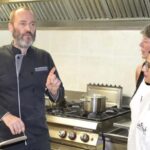
I especially like the small-group feel and the energy of the chef—Florence was described as super organized and keeping everyone on task. One drawback: this is a working class, so come ready to cook, not just snack.
At Le Foodist in Paris’ 5th arrondissement, you’re close to major sights and the Cardinal Lemoine Metro stop. The payoff is simple: learn, make, then sit down to enjoy what you cooked with coffee, tea, and white wine.
In This Review
- Key things to know before you go
- Why this Paris dessert class feels different from a typical food tour
- What you’ll cook: chocolate soufflé, crème brûlée, and crêpes Suzette
- Chocolate Soufflé: learning the art of lift and timing
- Crème Brûlée: custard control plus the crisp caramel top
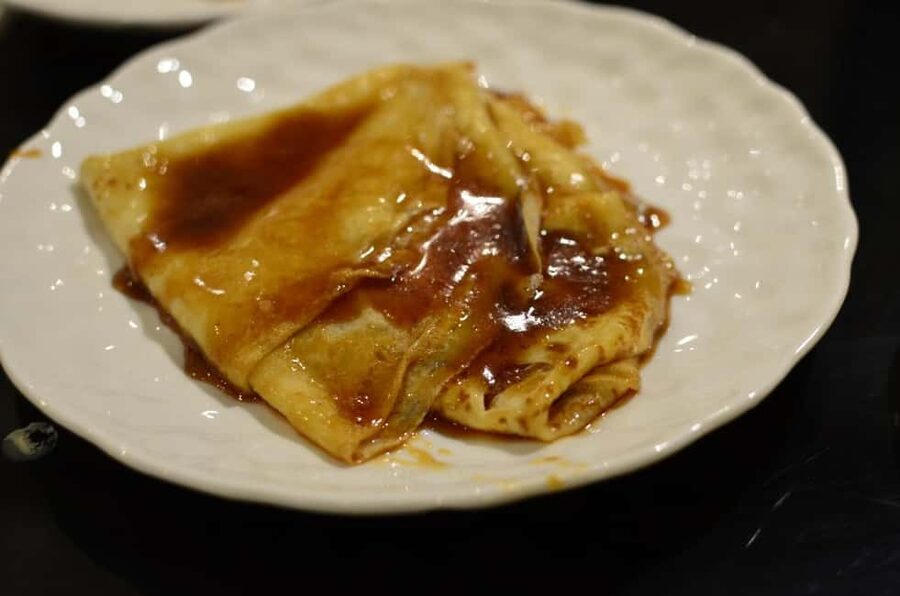
- Crêpes Suzette: balancing batter, cooking, and a serving-style finish
- You’ll leave with recipes you can recreate at home
- The 3-hour workshop flow: hands-on, then sit down and enjoy
- The teaching style: English support, small group pace, and Florence’s organization
- Where Le Foodist is in Paris (and why it’s easy to fit into your day)
- Price and value: is $152 per person worth it?
- Who should book this French desserts class
- Tips to get the most out of your class (and use it later)
- Should you book this Paris cooking class?
- FAQ
- Where is the cooking class located?
- How long is the Paris French desserts class?
- What desserts will we make in the class?
- Is the class taught in English?
- How big is the group?
- Is there anything included besides cooking instruction?
- Is there free cancellation?
- Can I reserve now and pay later?
- How close is the meeting point to public transit?
Key things to know before you go
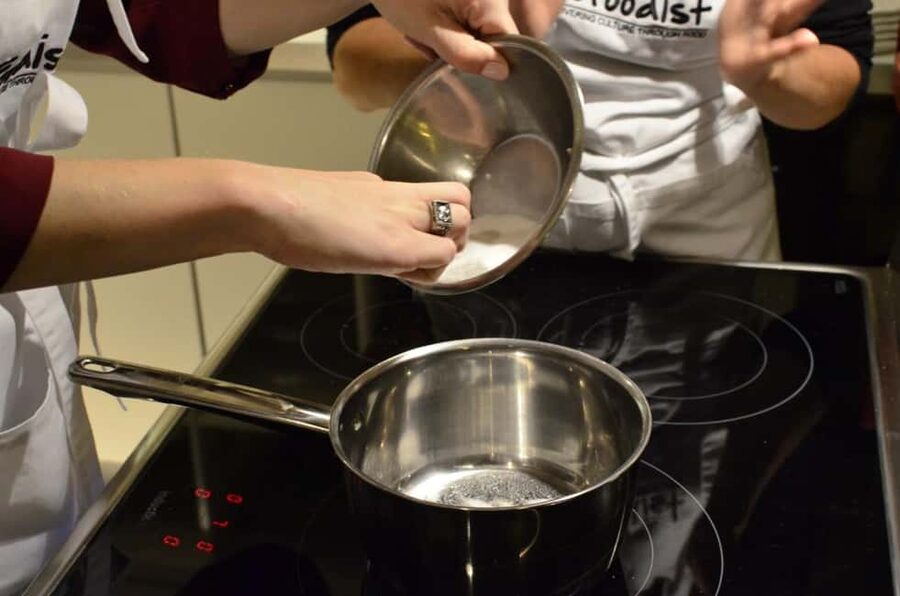
- Three classic French desserts: chocolate soufflé, crème brûlée, and crêpes Suzette
- Small group of up to 8 for hands-on attention and smoother pacing
- English instruction with a chef who keeps the workflow organized
- Tips and tricks so you can recreate the recipes at home, not just finish the class
- Enjoy your results in the dining room with coffee, tea, and white wine
- Easy to find near Notre-Dame, the Panthéon, and Cardinal Lemoine Metro
Why this Paris dessert class feels different from a typical food tour
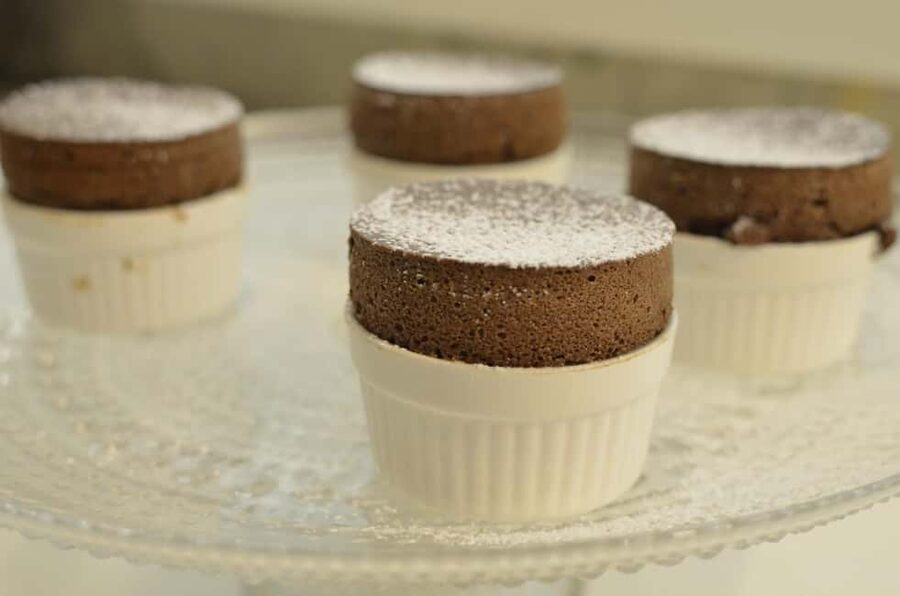
This isn’t a “walk and taste” kind of experience. You’ll actually make French desserts that carry some serious reputation. In Paris, desserts can be showpieces—soft, set, glossy, caramelized—and this class treats them as crafts you can learn step by step.
I like that the focus stays on the pastry arts themselves. You’re not getting distracted by a long list of random sweets; instead, you’ll concentrate on three that teach different skills. Soufflé gives you structure and timing. Crème brûlée teaches custard control and the drama of caramelized sugar. Crêpes Suzette adds sauce balance and the art of serving something that looks effortless.
And because it’s a small group limited to 8, you’re not competing for attention. In a bigger class, you can spend half your time waiting for the next instruction. Here, the format is built for doing.
One more practical win: you’re in Paris’ 5th arrondissement, an area that’s easy to reach and easy to combine with an afternoon or evening sightseeing plan. That makes it a strong pick if you want one “anchor” activity rather than another random stop.
You can also read our reviews of more tours and experiences in Paris.

What you’ll cook: chocolate soufflé, crème brûlée, and crêpes Suzette
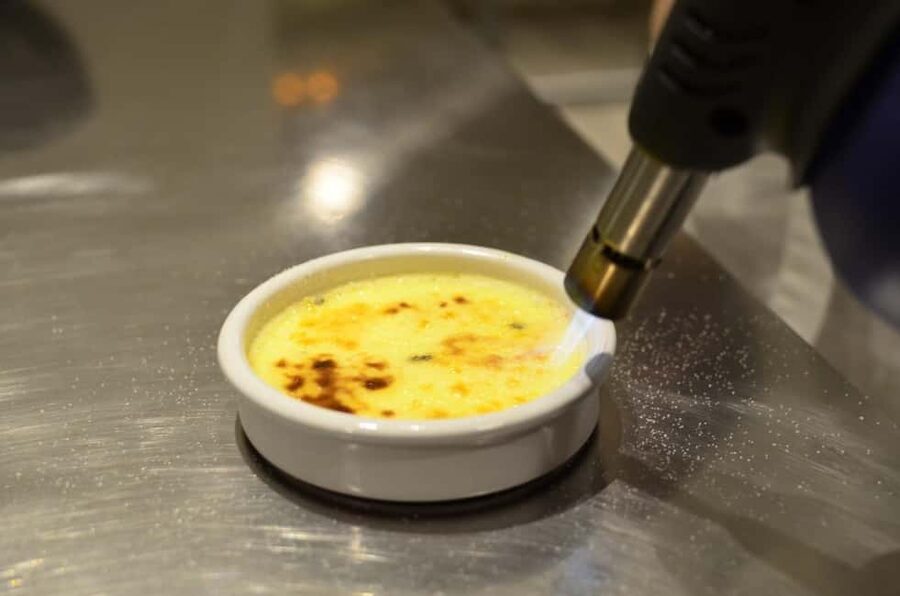
The class is built around three signature desserts. Here’s why this trio works so well for learners, and what each one teaches you.
Chocolate Soufflé: learning the art of lift and timing
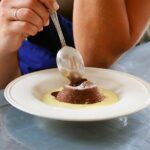
A soufflé has a reputation for being delicate, but that reputation is exactly why it’s worth learning. You’ll focus on master pastry techniques centered on chocolate soufflé, which means you’ll learn how to approach it like a method, not like a lucky outcome.
Soufflé is also a built-in lesson in sequencing. You can’t freestyle at the last second. That’s good for you as a cook: it forces you to understand the steps and respect the timing.
Crème Brûlée: custard control plus the crisp caramel top
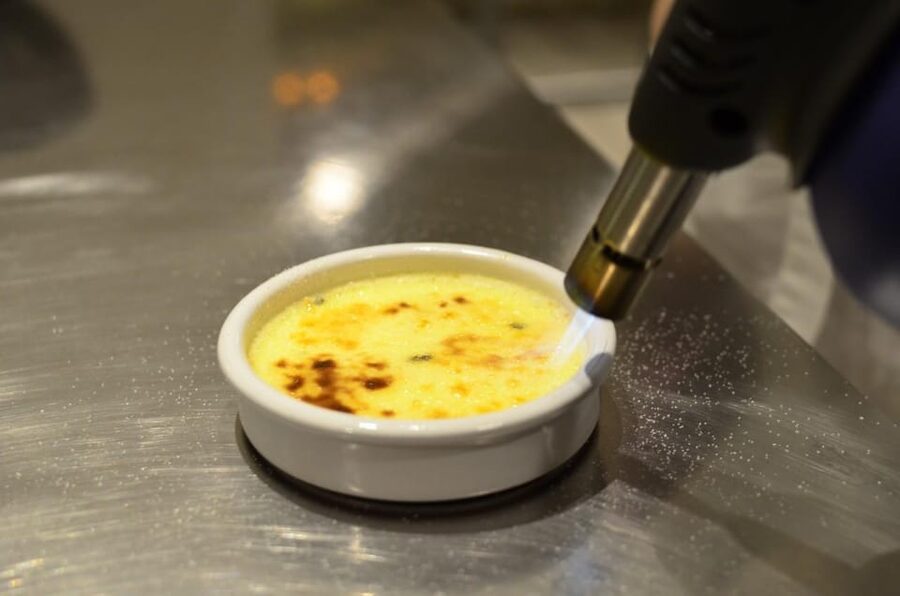
Crème brûlée is the dessert that looks fancy even when you’re making it from scratch. In the class, you’ll learn the techniques behind crème brûlée, with the goal of turning a smooth custard into a top that cracks when you break it.
This dessert tends to reward patience and attention. The class structure includes instruction and hands-on guidance, so you’re not trying to figure out what “set” means by guessing.
Crêpes Suzette: balancing batter, cooking, and a serving-style finish
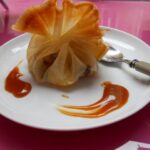
Crêpes Suzette takes you from custard territory into a more flexible, interactive dessert. The point isn’t just making crêpes—it’s making them in a way that suits the Suzette style.
Crêpes are also a crowd-pleaser once you know the basics. If you like the idea of cooking something that looks impressive but can be repeated with practice, this section gives you a clear pathway.

You’ll leave with recipes you can recreate at home
A lot of cooking classes end when the food disappears. This one explicitly aims at you walking away with recipes you can recreate at home, plus the tips and tricks that make those recipes feel less intimidating the second time.
The 3-hour workshop flow: hands-on, then sit down and enjoy
The duration is 3 hours, which is long enough to actually learn, not just tour the kitchen. While the exact minute-by-minute breakdown isn’t something you have to memorize, the experience follows a clear rhythm:
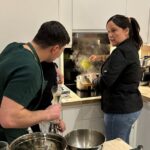
1) You get hands-on instruction on how to make the desserts
2) You produce each dessert as part of the class format
3) You then enjoy what you made in the dining room
That last part matters more than it sounds. In many cooking classes, you’re so focused on finishing your own portion that you barely taste it. Here, the experience is designed for you to eat the most delicious desserts in Paris—including the desserts you made—while you’re still in the teaching mood.
Because coffee, tea, and white wine are included with the meal portion, the class ends like an actual French dessert experience, not like you left a classroom with a takeaway box.
The teaching style: English support, small group pace, and Florence’s organization
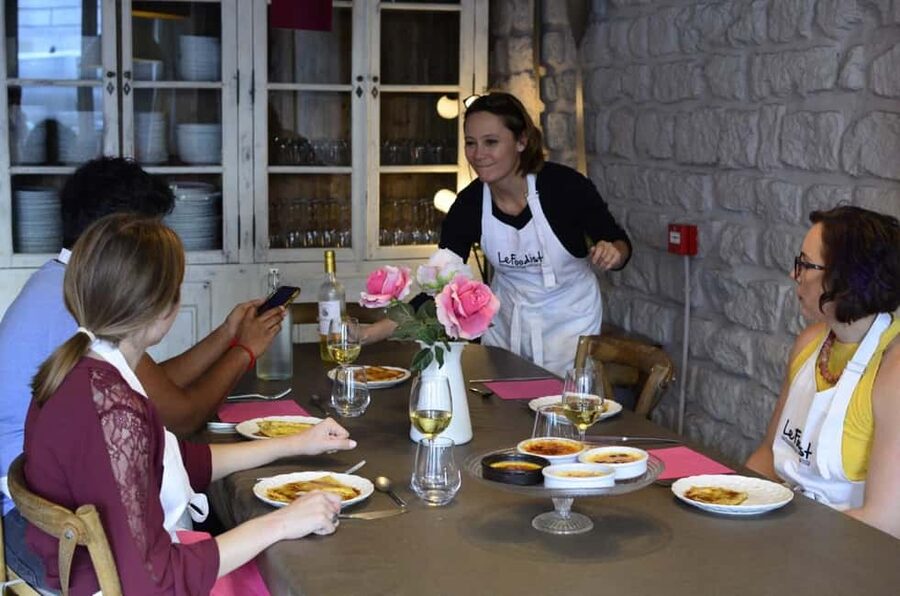
This class is in English, which is a big deal for confidence. Pastry instruction has a lot of “small words” that matter—texture, thickness, doneness, and the way ingredients behave. Being taught in English helps you connect those cues quickly, without translating in your head.
The small group limit of 8 participants also supports a practical teaching style. You’re not a passive observer. You can ask questions, and you’re more likely to get direct feedback.
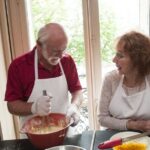
From the experience feedback, the chef who led one recent session, Florence, stood out for energy and organization—super organized, keeping everyone on task. That’s exactly what you want in a dessert class, because French pastries don’t forgive procrastination.
If you’re the type who gets frustrated when a workshop feels chaotic, this is a reassuring format. The goal is momentum: you make progress while learning the method.
Where Le Foodist is in Paris (and why it’s easy to fit into your day)
You’ll meet at Le Foodist, 59 Rue Cardinal Lemoine, in the 5th arrondissement. It’s about a 7-minute walk from Notre-Dame, roughly 3 minutes from the Panthéon, and only 30 seconds from Cardinal Lemoine Metro Station.
That location is more than convenience—it helps you plan. You can pair this with a morning visit to one landmark and still have enough time to wander afterward without feeling rushed.
Practical navigation note: the address number 59 is on the right-hand side. That small detail saves time if you’re arriving a few minutes early and want to start cleanly.
Price and value: is $152 per person worth it?
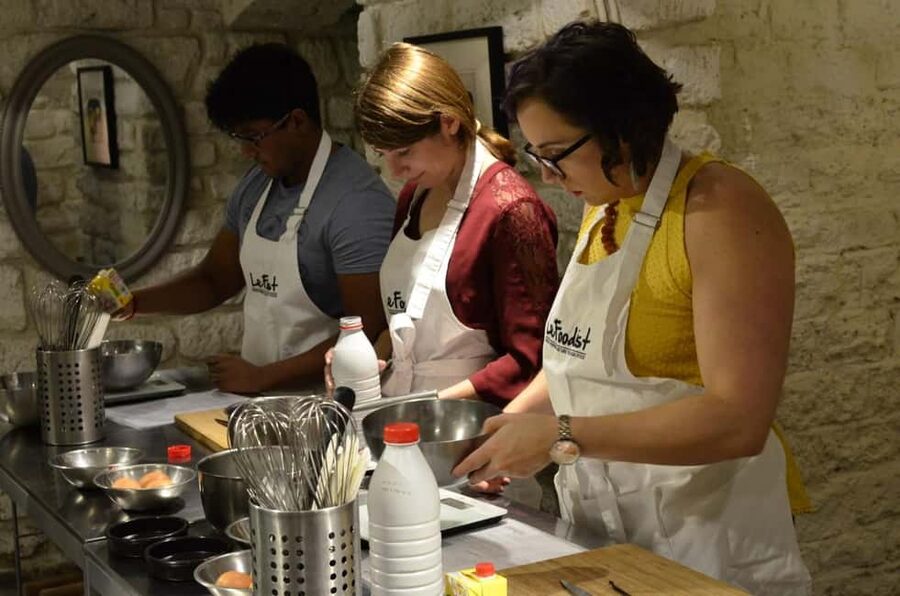
At $152 per person for a 3-hour, hands-on class, the real question is what you’re getting beyond “a nice afternoon.”
Here’s the value case:
- You focus on three different classic desserts rather than one
- You get hands-on instruction with a small group (limited to 8)
- The class includes tips and tricks and aims for you to take home recipes you can recreate
- You also get the dining-room finish with coffee, tea, and white wine
- The experience happens in a location that makes it easy to build into your sightseeing
When cooking classes are overpacked, people often leave feeling like they watched. This class is built to reduce that problem. You’re paying for instruction and time with the process. If you’re the type who likes learning how things work, not just tasting, that makes the price feel more reasonable.
If you’re purely chasing the cheapest way to eat dessert in Paris, a class won’t beat that. But if you want a meaningful skill-based experience, this one is in the “worth it” category.
Who should book this French desserts class
This class is a great match if you:
- Love French desserts and want a hands-on way to understand them
- Want something more structured than a general food tour
- Prefer a small-group experience with room to learn
- Plan to cook again at home and want recipes, not just photos
It may be less ideal if you:
- Only want to taste and don’t want to cook
- Feel overwhelmed by the idea of working in a kitchen setting
- Are looking for a multi-stop day trip rather than one focused experience
Tips to get the most out of your class (and use it later)
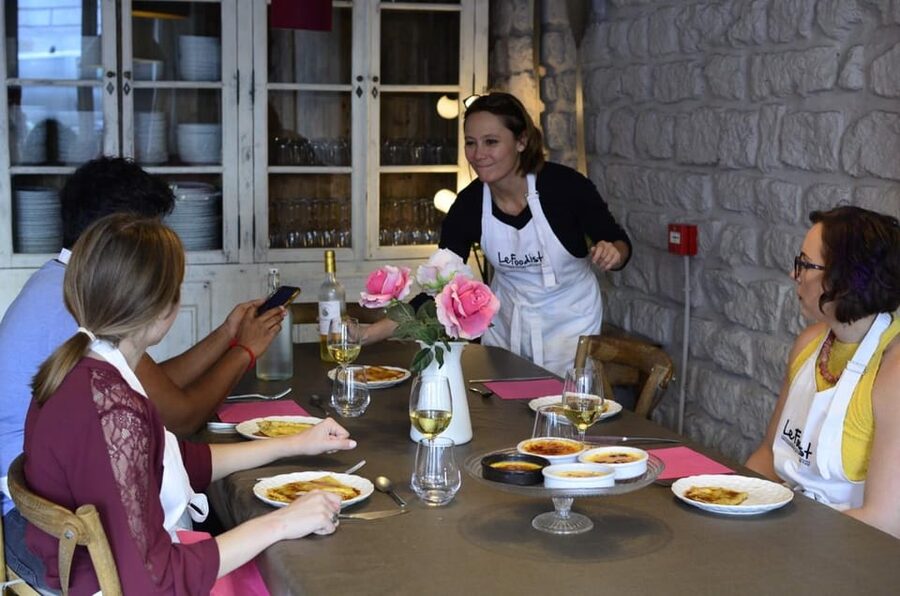
Even without knowing every pastry detail in advance, you can set yourself up for success with a few practical moves:
- Bring a simple note-taking habit. The class promises tips and tricks and recipes you can recreate, and you’ll benefit from capturing the parts you might forget later.
- Plan for dessert timing. Soufflé and custard-style desserts reward a clear sequence, and cooking helps you understand that rhythm.
- Take the home-recreation mindset seriously. The class is designed so you can recreate what you made, so think about what equipment you have (basic kitchen tools) and what substitutions you might avoid.
- Watch for the “texture cues.” French pastry success is often about feel—how batter looks, how custard behaves, and what “done” means.
If you approach it like a skill-building workshop, you’ll likely get more out of it than if you treat it like a sightseeing stop.
Should you book this Paris cooking class?
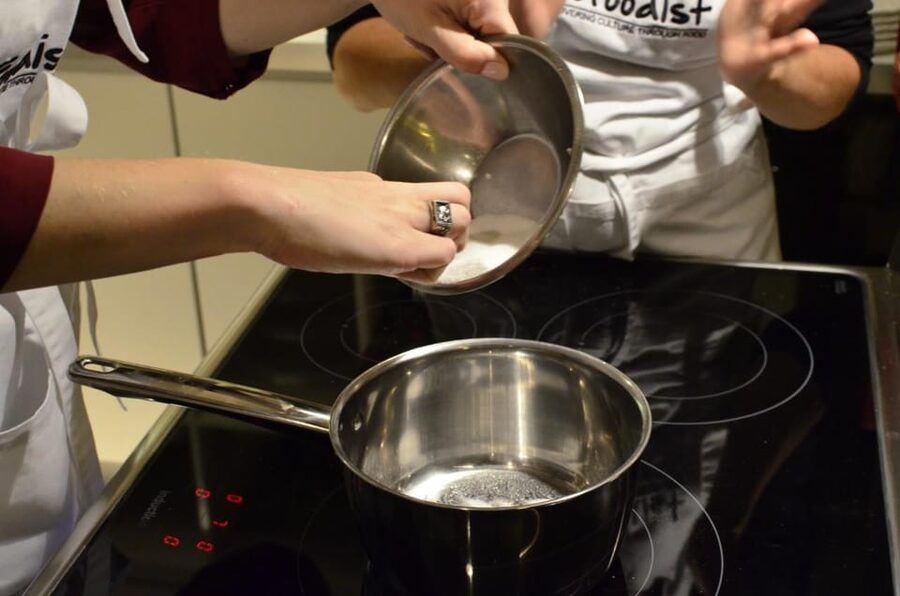
If you’re excited by the idea of making chocolate soufflé, crème brûlée, and crêpes Suzette with instruction in English, this is an easy yes. The small-group format, the hands-on focus, and the organized teaching style (including Florence’s energy and keeping everyone on task) all point to a class that respects your time and your learning.
It’s also a smart choice for value if you care about leaving with recipes and technique—not just dessert.
If you’d rather avoid cooking and only want to taste, you might prefer a pure tasting experience. But for anyone who wants real pastry skills in Paris, this one makes sense.
FAQ
Where is the cooking class located?
The class meets at Le Foodist, 59 Rue Cardinal Lemoine, in Paris’ 5th arrondissement.
How long is the Paris French desserts class?
It lasts 3 hours.
What desserts will we make in the class?
The focus is on chocolate soufflé, crème brûlée, and crêpes Suzette.
Is the class taught in English?
Yes, the instructor teaches in English.
How big is the group?
The group is limited to 8 participants.
Is there anything included besides cooking instruction?
Yes. You’ll enjoy your desserts in the dining room, with coffee, tea, and white wine.
Is there free cancellation?
Yes. You can cancel up to 24 hours in advance for a full refund.
Can I reserve now and pay later?
Yes. You can book your spot and pay nothing today.
How close is the meeting point to public transit?
Cardinal Lemoine Metro Station is about 30 seconds away, and it’s also about a 7-minute walk from Notre-Dame.