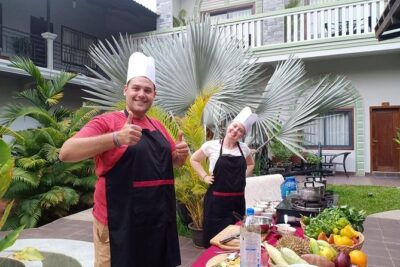
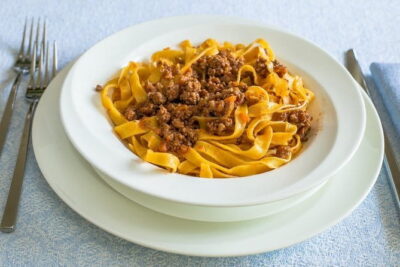
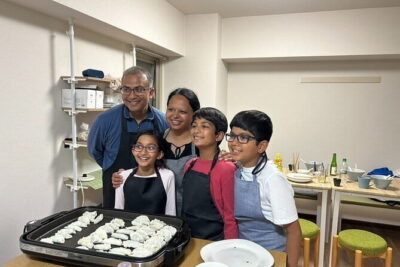
A Turkish cooking class can be more than recipes. Here you get home-style hospitality plus a bit of Istanbul sightseeing, all in a small group. Expect an intimate cooking session led by Özge in her neighborhood setting, then a sit-down meal with Turkish coffee to finish.
I love that the class goes past instructions and into the how-and-why of Turkish comfort food. You’ll also get a standout mix of dishes—especially Karnıyarık and Sigara Böreği—that feel like a real family dinner, not a demo kitchen.
One thing to consider: this is hosted in a private home, and pets may be around (a cat and dog often say hello). If you have strong pet allergies or very strict dietary needs, you’ll want to message ahead before booking.
In This Review
- Key things to know before you go
- A small-group Turkish cooking class in Özge’s Beşiktaş home
- How the palace and museum stops fit the food day
- The cooking part: a menu that shows real Turkish home flavors
- Karnıyarık: the eggplant main that teaches technique
- Sigara Böreği: flaky pastry rolls you can repeat
- Kabak Tarator: a cool, creamy zucchini meze
- Seasonal salad: the balancing act
- Eating family-style: what the meal feels like
- Turkish coffee and dessert: the fun ending
- Why the $75 price can make sense (when you care about the right things)
- Who should book this class (and who should skip it)
- Logistics that actually matter before you go
- Should you book this Istanbul home cooking class?
- FAQ
- FAQ
- How long is the Istanbul Turkish home cooking class?
- How much does it cost?
- What’s the group size limit?
- Is it offered in English?
- What dishes are included in the menu?
- Will Turkish coffee and dessert be served?
- Where do you meet, and where does it end?
Key things to know before you go
- Small group size (max 4 travelers) keeps it conversational and hands-on.
- English-speaking host makes explanations easy to follow, even if you’ve never cooked Turkish food before.
- Palace stop + museum stop gives context for your day before you switch to home cooking.
- Family-style meal means you eat what you cook, together, the Turkish way.
- Dessert and Turkish coffee are part of the wrap-up, with a playful fortune-reading option.
- Recipe follow-up is a big plus, so you can try the dishes again later at home.
A small-group Turkish cooking class in Özge’s Beşiktaş home
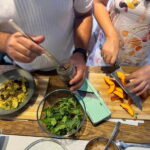
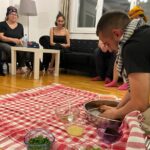
This experience is built for people who like their travel personal. Instead of a big kitchen show, you’re invited into a local home setting where cooking is also social time. The group stays small—up to 4 travelers—so you’re not stuck watching from the edge.
The host is Özge, and the vibe is warm and practical. You’ll cook with guidance, ask questions, and learn how each dish works in a real kitchen. From the start, it feels less like a class and more like spending an afternoon with someone who truly enjoys sharing food traditions.
There’s also an extra bit of Istanbul domestic charm: pets are often part of the scene. A cat and dog—named Penny and Theo—may wander in during the meal, which adds a friendly, lived-in feel. If you’re someone who needs a strict no-pet environment, make that clear early.
You can also read our reviews of more tours and experiences in Istanbul.
How the palace and museum stops fit the food day
Your morning or early afternoon includes two major sights before the cooking portion: Dolmabahçe Palace and then Yıldız Palace Museum. Why include this? Because Turkish food and Turkish daily life share the same theme: tradition, ceremony, and taste shaped by everyday people.
Dolmabahçe Palace is a big, photogenic anchor. Even if you only get a slice of the space, it helps you connect the dots between the grandeur you see in Istanbul’s imperial periods and the simpler, comforting meals you’ll make after. It’s a good contrast day: polished rooms up front, then chopping, stuffing, and simmering in a neighborhood home.
Then you move to Yıldız Palace Museum. The change in pace matters. Palace visits can feel fast and formal; a museum stop helps slow things down and gives you a cleaner transition into the quieter home portion.
One practical note: palaces and museums can involve lots of walking and standing. If you’re planning this on a packed sightseeing schedule, I’d treat the cooking class as the relaxed finale of your day.
The cooking part: a menu that shows real Turkish home flavors
The menu is classic, with a mix of savory starters, a hearty main, and a simple dessert finish. That balance is the best part. It shows you how Turkish meals often layer flavors instead of relying on one dish to do all the work.
Karnıyarık: the eggplant main that teaches technique
Your main dish is Karnıyarık—roasted eggplants stuffed with a savory mix of ground meat. This is one of those home-cooking dishes that looks impressive but is very teachable.
The value for you is the method. Eggplant needs the right handling to stay tender without turning mushy, and stuffing needs enough seasoning to taste flavorful but not heavy. When you learn this in a normal kitchen setting, you’ll understand how the timing works, which is usually the hardest part when people try these dishes later.
Sigara Böreği: flaky pastry rolls you can repeat
Your starters include Sigara Böreği, which are crispy, golden pastry rolls filled with creamy feta cheese and herbs. This is great for beginners because the shapes are simple and the results are visually rewarding.
What you’ll likely focus on is the filling balance and the rolling technique. The goal is crispy outside and creamy inside. If you’ve ever made dumplings or egg rolls, you’ll recognize the logic right away. It’s also an ideal dish for learning how Turkish flavors stay fresh—herbs and salt do a lot of the heavy lifting.
Kabak Tarator: a cool, creamy zucchini meze
Another starter is Kabak Tarator, a refreshing zucchini meze with yogurt, garlic, and walnuts. This one changes the meal in a good way. It cools everything down after richer dishes and adds a nutty, creamy texture.
For your kitchen at home, this is the recipe that feels flexible. You can adjust garlic level to taste, and it’s an easy way to bring Turkish-style meze energy to everyday meals. It’s light, not overly complicated, and it’s built for sharing.
Seasonal salad: the balancing act
There’s also a seasonal Turkish salad. The point of this in the meal is simple: it adds freshness and crunch so the heavier stuffed and fried items don’t feel too much. It’s a reminder that Turkish home meals often rely on balance more than one “star” dish.
Eating family-style: what the meal feels like
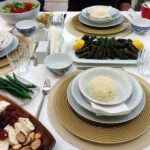
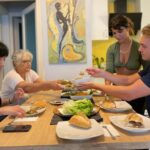
After cooking, you sit down family-style to enjoy what you made. That format matters. You’re not just tasting bites; you’re eating the whole meal together, which changes how you understand the flavors.
Family-style also gives you time to ask more questions. You can learn what Özge pairs with what, what people eat first, and how the meal becomes a conversation. This is where a cooking class starts to feel like cultural exchange instead of a ticketed activity.
And yes, the pets may join you at the table. Penny the cat and Theo the dog have a habit of wandering over, which turns the room into something closer to a home dinner than a staged event.
Turkish coffee and dessert: the fun ending
No Turkish meal is complete without Turkish coffee and dessert here. Your dessert is İrmik Tatlısı, a semolina dessert that’s classic comfort-sweet.
The coffee part isn’t just about the taste. If you’d like, the host can read your fortune in the coffee grounds. It’s playful, not mystical-mega-serious, and that light tone matches the whole experience. You’ll finish with a sweet bite, a warm cup, and a story-friendly end to the day.
If you drink coffee at home, expect a strong, traditional style. If you don’t, you can still enjoy the ritual side and the dessert pairing.
Why the $75 price can make sense (when you care about the right things)
At $75 per person for about 3 hours, this isn’t a budget “learn to cook a single dish” deal. It’s priced like a small-group, hosted home experience with real meal components and extra sightseeing time.
Here’s the value logic I’d use when deciding:
- You’re getting multiple dishes (starter(s), main, salad, dessert) rather than a one-recipe workshop.
- The group limit of 4 keeps attention high, which is usually what you want if you’re trying to actually learn technique.
- The host shares context and stories, not just steps. That cultural side is part of the price.
- People also report getting recipes afterward, which helps you convert the experience into something you can repeat.
If your goal is to learn Turkish cooking in a way that sticks, this price can feel fair. If your goal is a bargain meal with minimal instruction, you may find other options cheaper.
Who should book this class (and who should skip it)
I think this works best if you want three things: comfort food, conversation, and a small group. If you like cooking in real kitchens and you enjoy cultural context while you eat, you’ll feel at ease quickly.
It’s also a good fit for people who don’t want a huge tour crowd. With max 4 travelers, you can ask follow-up questions and actually remember what was taught, not just take photos.
Skip this (or message ahead carefully) if any of these apply:
- You have strong pet allergies or need a pet-free space.
- You’re very strict about dietary restrictions and want confirmed options. The sample menu is meat and dairy friendly, but the info provided doesn’t specify swaps.
- You prefer large-venue sightseeing and are not excited about the quieter home rhythm.
Logistics that actually matter before you go
The meeting point is Abbasağa, Çeşme Ykş. No:3, 34353 Beşiktaş/İstanbul. The activity ends back at the meeting point. It’s near public transportation, which makes it easier to connect with the rest of your Istanbul plan.
The class is offered in English, and you receive confirmation when you book. You also get a mobile ticket, which helps if you’re moving fast between sights.
Service animals are allowed, which is a helpful note if you travel with one. And with a 3-hour time window, it’s a good “one-block” activity that won’t swallow your entire day.
Should you book this Istanbul home cooking class?
If you like Turkish food and you want it taught in a real, friendly way, I’d book this. The strongest reasons are the small group, the variety of dishes, and the fact that the meal is eaten family-style right after cooking. That combo helps you learn faster and remember more.
I’d especially consider it if you’re the type who wants more than a ticket photo: you want a recipe you can cook again later. The coffee-and-dessert finish also makes it feel complete, not cut short.
But if pets are a deal-breaker for you, or if you have dietary needs that require guaranteed substitutions, ask questions before you commit. With the limited size, a clear message ahead can make or break your comfort level.
FAQ
FAQ
How long is the Istanbul Turkish home cooking class?
The class is about 3 hours.
How much does it cost?
It costs $75.00 per person.
What’s the group size limit?
The experience has a maximum of 4 travelers.
Is it offered in English?
Yes, it’s offered in English.
What dishes are included in the menu?
The sample menu includes Karnıyarık, Sigara Böreği, Kabak Tarator, a seasonal salad, İrmik Tatlısı, and Turkish coffee.
Will Turkish coffee and dessert be served?
Yes. The experience ends with freshly brewed Turkish coffee and dessert. If you’d like, the host can read your fortune in the coffee grounds.
Where do you meet, and where does it end?
You meet at Abbasağa, Çeşme Ykş. No:3, 34353 Beşiktaş/İstanbul. The activity ends back at the meeting point.