REVIEW · FLORENCE
Cesarine: Cooking Class with tasting at Local’s Home in Florence
Book on Viator →Operated by Cesarine: Cooking Class · Bookable on Viator
A Florence cooking class in a real home beats another demo. You’ll learn famous dishes from a Cesarina, then eat what you make with local wine and coffee. I like that this is a small setup (max 10) and that the teaching sticks to real technique, not just stories.
My other favorite part is the human touch. In one standout class, Chef Luca didn’t just coach with taste—he coached with all your senses, even describing the sound you hear when you spoon tiramisu. One thing to consider: since this happens in someone’s home, you’ll need to be comfortable with a more residential, hands-on setting and follow the host’s health rules (including distancing and mask/glove guidance if needed).
In This Review
- Key highlights before you go
- A Florence pasta class in a local Cesarine home
- Meeting your host and settling into the class rhythm
- What you’ll cook: tortelli and the Florence pasta menu choices
- Starter and technique: the class builds flavor in steps
- Tasting like a local: wine, coffee, and dessert that finishes strong
- Group size, home-kitchen reality, and what that means for you
- Souvenirs you’ll actually use: apron and shopping bags
- Price and value: what $191.27 really covers
- Who should book this Florence cooking class?
- Should you book the Cesarine cooking class in Florence?
- FAQ
- FAQ
- How long is the Cesarine cooking class?
- Is the class offered in English?
- How many people are in the group?
- What dishes might I cook and eat?
- Does the experience include drinks?
- Where does it start and end?
- Is free cancellation available?
Key highlights before you go
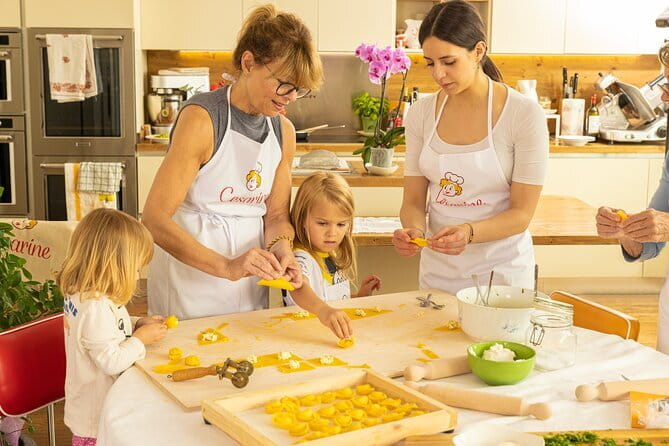
- Cesarina-led home kitchen: Learn Florentine cooking in a local household, not a stage kitchen.
- Real menu variety: You might make gnudi, pici, pappardelle, or potato tortelli depending on your session.
- Wine + coffee tasting: Your work doesn’t end at the stove—flavor comes with a proper pairing.
- Dessert options you’ll recognize: From cantucci and castagnaccio to panpepato and tiramisu.
- Souvenirs included: You leave with a cooking apron and shopping bags.
- Dietary help is possible: At least one instructor has accommodated lactose intolerance—bring up needs ahead of time.
A Florence pasta class in a local Cesarine home
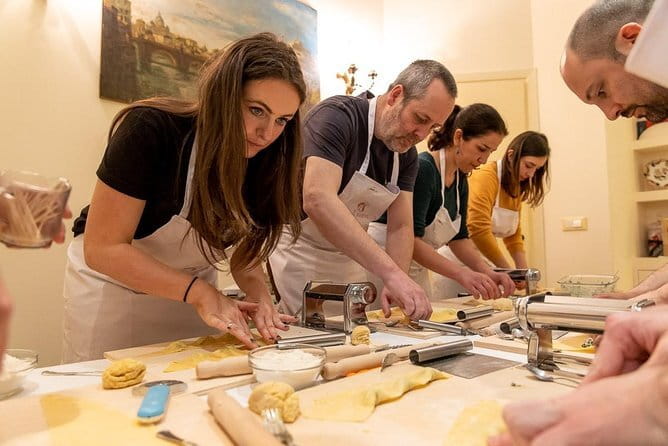
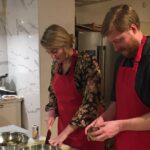
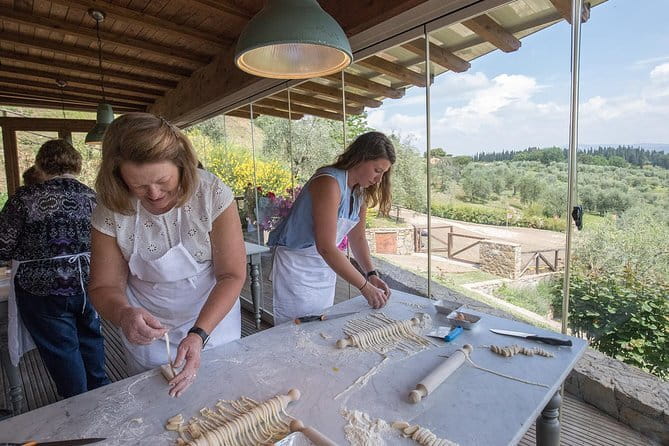
If you want the Florence food experience that actually changes how you cook later, this is the right format. It’s a shared class hosted by a Cesarina in her home, where you’ll get hands-on guidance as you prepare and then taste classic dishes. It’s not a quick tasting tour where you watch and leave. You’ll do the work.
I like that the tone is practical. The class is in English, it runs about 3 hours, and the group stays small (up to 10). That matters because cooking in a home kitchen gets personal fast. You’ll get closer attention than you would in a large crowd setting.
One more reason I think this works in Florence: pasta culture is everywhere, but you rarely get the “why” behind the shaping, textures, and timing. Here, you’re learning techniques you can repeat, not just collecting photos.
You can also read our reviews of more tours and experiences in Florence.
Meeting your host and settling into the class rhythm
Your experience starts in Florence and finishes back at the meeting point. The meeting point is near public transportation, which is handy because you won’t be scrambling across town with a full day’s schedule. After you meet, the class moves into the host’s home kitchen environment, where the session flows through prep, cooking, and tasting.
You’ll also want to mentally switch from tourist pace to kitchen pace. This is a 3-hour experience, and it doesn’t waste time. The structure feels like: arrive, get oriented, start cooking, then sit down to eat what you made.
Health and comfort rules are part of the setup. The host provides basic sanitary supplies like paper towels and hand sanitizer. You should plan to follow the guidance given for distancing, and if you can’t keep distance, the class notes masks and gloves.
What you’ll cook: tortelli and the Florence pasta menu choices
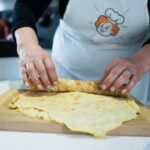
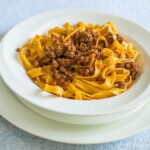
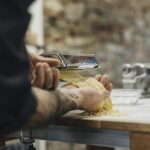
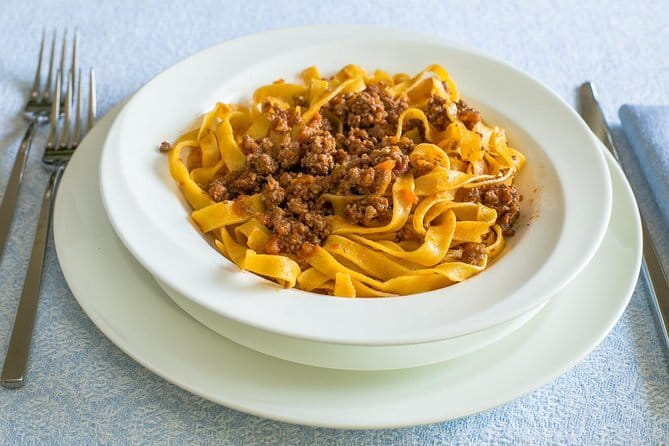
The class centers on a Florentine-style pasta-making lesson. Depending on your session, you might make gnudi, pici, pappardelle, or potato tortelli. The highlight also specifically mentions tortelli, so don’t be surprised if tortelli is the focus when you attend.
Here’s why this matters: each of these pastas teaches a different kind of control. Even if you’re not a pasta expert, you can feel the differences as you work.
- With gnudi, you’re dealing with delicate shapes and texture.
- With pici, you’re shaping a rustic noodle style that’s all about consistency.
- With pappardelle, you learn how wider pasta behaves and why that affects the sauce match.
- With potato tortelli, you get the extra layer of managing filling and ensuring the pasta holds together.
Your meal also includes a starter and dessert, with options that keep the experience very “Florence” in spirit: seasonal starters, then a main pasta choice, then desserts like cantucci, castagnaccio, panpepato, or tiramisu (or something similar).
I especially value that you’re not stuck with one dish no matter what. Pasta-making becomes a skill you can carry home, because you’re understanding how dough and filling feel—not just copying one recipe.
Starter and technique: the class builds flavor in steps
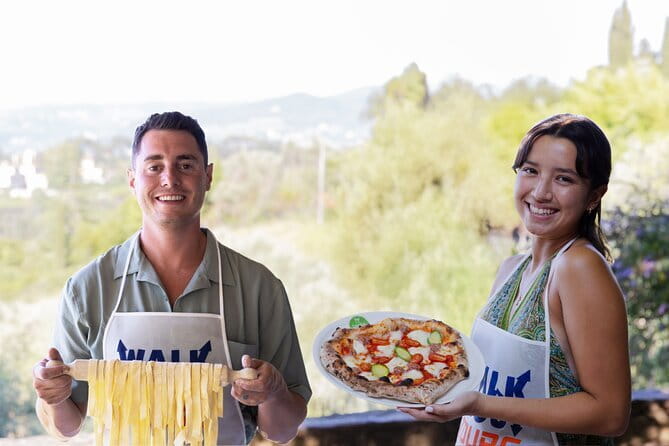
Your starter is listed as a seasonal starter. The exact item can vary by class, but the point is clear: you start with something light enough to sharpen your palate while you get comfortable in the kitchen rhythm. This also helps you understand what “seasonal” means in Florentine home cooking—simple ingredients, careful balance.
Then you move into the main pasta work. This is where the best instructors shine, because the mistakes are small but noticeable: too much flour, not enough resting time, uneven thickness, filling that spreads instead of sealing. In one reported experience, Chef Luca stood out for the way he taught—he explained with more than visuals. He guided through touch and smell, and even through sound cues, like the texture you hear when spooning into perfectly made tiramisu.
That sensory teaching style is more than fun. It’s a real shortcut for learning. If you can detect texture changes by feel or sound, you won’t rely solely on timing.
Tasting like a local: wine, coffee, and dessert that finishes strong
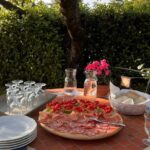
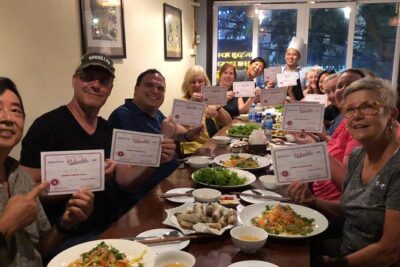
Once your pasta course is done, you sit down to taste what you made. The class includes a glass of local wine with the meal, plus coffee afterward. That pairing turns cooking into the full experience—Flour on your hands, then wine in your glass.
Dessert is where you’ll recognize the Florence canon. You may get cantucci (the classic crunchy almond biscotti often enjoyed with coffee), or castagnaccio, or panpepato, or tiramisu. Even when the dessert differs, the goal is the same: finish with something that matches the pacing of an Italian dinner—calm, satisfying, and not overly heavy.
If you care about sweets, this is also where the teaching payoff becomes obvious. In the example with Chef Luca, the instructor’s attention to detail on tiramisu wasn’t just about the recipe. He talked about how it behaves and how it sounds when handled, which is exactly the kind of detail that helps you repeat results later.
- Cooking Class and Lunch at a Tuscan Farmhouse with Local Market Tour from Florence
★ 5.0 · 4,831 reviews
Group size, home-kitchen reality, and what that means for you
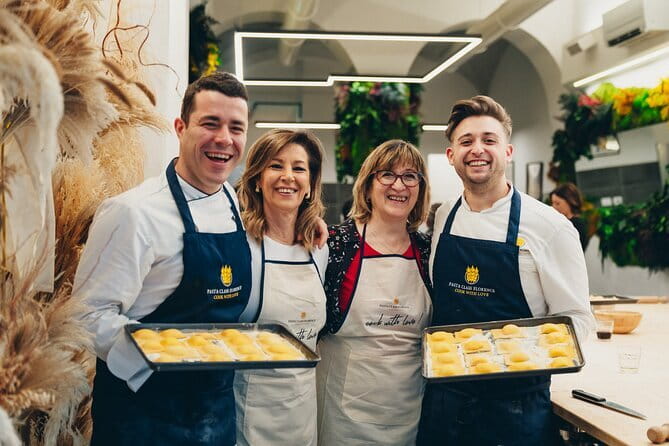
This is a shared class with a maximum of 10 travelers. That size is big enough to create energy, but small enough that your questions don’t get lost. For me, that’s the sweet spot for cooking classes. You don’t want a silent room where everyone’s waiting their turn. You want enough time with the instructor to correct small issues.
Because it’s in a local’s home, the setting will feel less like a restaurant and more like a real house dinner with a teaching mission. Some people love this. Others simply need to know what to expect: this is not polished show-kitchen theater. It’s a working home environment, guided by a Cesarina.
One practical upside: you might leave with a stronger sense of how locals plan meals, portion the courses, and balance pasta with starters and desserts. That’s harder to learn from a tasting-only experience.
Souvenirs you’ll actually use: apron and shopping bags
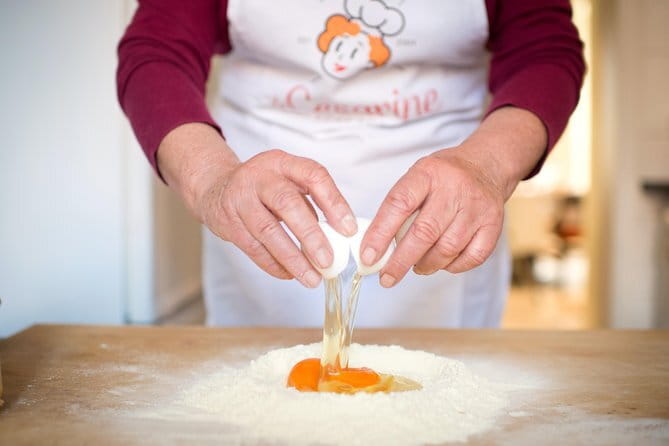
You’ll leave with a Cesarina cooking apron and shopping bags as souvenirs. I know, it sounds simple—but for a food class, usefulness matters. An apron is something you’ll use when you cook again, not just something that sits in a drawer. The bags also hint at the “bring it home” spirit of the day: you didn’t just sample Florence; you took a piece of the kitchen culture with you.
If you like practical mementos, this is a better choice than generic fridge magnets.
Price and value: what $191.27 really covers
At $191.27 per person for about 3 hours, you’re paying for more than a recipe. You’re paying for:
- a Cesarina-hosted home kitchen experience,
- instruction in English,
- a multi-course meal (starter, main, dessert),
- and drinks (local wine and coffee).
Also, the group size cap at 10 helps justify the cost. This isn’t a huge bus-load class where the instructor can’t respond to everyone. Smaller groups can mean better coaching, which is the difference between leaving with memories and leaving with skills.
Here’s how I’d evaluate the value for you:
- If you want a hands-on skill you’ll repeat, the value is strong.
- If you only want a quick bite and a photo, you might feel the price is heavy compared to shorter tasting tours.
- If you have food restrictions, it can be worth the cost if you communicate them early—one class example included lactose intolerance accommodations, which tells me they take needs seriously when possible.
Who should book this Florence cooking class?
This class fits best if you:
- like cooking and want to learn real technique, not just taste
- enjoy small group experiences
- want a home-based view of Florentine food culture
- appreciate that the instruction can go beyond visuals and into senses (touch, smell, even sound cues)
It’s also a good match for couples or small friend groups who want something more personal than a standard restaurant meal.
If you’re nervous about cooking in a home kitchen, you might still enjoy it, but go in with the right expectations: expect hands-on work and follow the host’s health guidance.
Should you book the Cesarine cooking class in Florence?
Yes—especially if you care about learning and not just eating. The combination of a Cesarina-led home setting, a small group size, and a multi-course meal with wine and coffee is a strong package for Florence. The standout teaching approach from Chef Luca—especially the way he coached with sensory details—signals that you’re likely to leave with clarity and confidence, not just a full stomach.
I’d consider it a “book” if you want a hands-on Florence highlight you can repeat at home, and if you can follow simple health rules in a residential setting. If you prefer purely observational experiences, you may find this too interactive.
FAQ
FAQ
How long is the Cesarine cooking class?
It runs for about 3 hours.
Is the class offered in English?
Yes, the experience is offered in English.
How many people are in the group?
The class has a maximum of 10 travelers.
What dishes might I cook and eat?
You may make a main such as gnudi, pici, pappardelle, or potato tortelli. There’s also a seasonal starter and a dessert such as cantucci, castagnaccio, panpepato, tiramisu, or something similar.
Does the experience include drinks?
Yes. The tasting includes a glass of local wine and coffee.
Where does it start and end?
It starts in Florence and ends back at the meeting point.
Is free cancellation available?
Yes. You can cancel up to 24 hours in advance for a full refund.
You Might Also Enjoy
More Tour Reviews in Florence
- Cooking Class and Lunch at a Tuscan Farmhouse with Local Market Tour from Florence
★ 5.0 · 4,831 reviews