REVIEW · ROME
Rome: Fettuccine, Ravioli, and Tiramisu Cooking Class
Book on GetYourGuide →Operated by Bella Vita Food Tours · Bookable on GetYourGuide
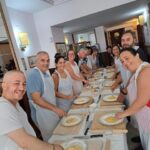
Fresh pasta lessons beat food-only tours. In Rome, you roll dough, shape fettuccine, and learn ravioli basics from chef Giuseppe in a 3-hour, hands-on class. I love how practical it feels, because you get real technique, not just watching from the sidelines.
Second, the finale is a proper tiramisu meal with drinks that can include bubbly, wine, and limoncello, so you eat what you made right away. The main drawback: people with food allergies should skip, since the class isn’t suitable for them.
In This Review
- Key Highlights to Know Before You Go
- What This 3-Hour Rome Pasta and Tiramisu Class Really Is
- Price and Value: Is $69 a Fair Deal in Rome?
- Who This Class Fits Best (And Who Should Skip)
- Step-by-Step: How You Make Fresh Fettuccine in Rome
- Hand-Stuffed Ravioli: The Delicate Part You’ll Actually Master
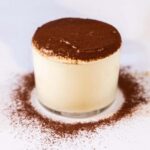
- Tiramisu Time: Italy’s Dessert You Build and Taste
- The Meal and Drinks: What Happens After You Cook
- What You’ll Actually Learn for Use at Home
- Location and Timing: Fitting This Into a Rome Day
- Vegetarian Notes and Dietary Restrictions
- Small-Group Help Makes the Difference
- Should You Book This Rome Cooking Class?
- FAQ
- How long is the cooking class?
- What dishes will I learn to make?
- Is the instruction available in English?
- Do I need prior cooking experience?
- Is the class suitable for vegetarians?
- Does the class include the meal you cook?
- Are drinks included?
- What should I bring or wear?
- Is this cooking class wheelchair accessible?
- Is it suitable for people with food allergies?
- Where do I meet?
Key Highlights to Know Before You Go
- Small-group feel: one recent group size was 4 people total, which makes it easier to get help while you’re working
- Chef Giuseppe-style step-by-step teaching: patient guidance that helps you shape pasta with confidence
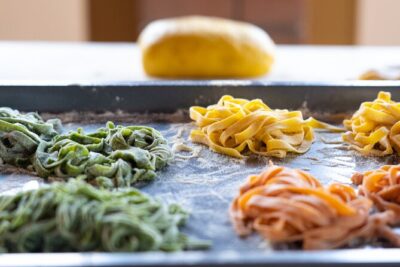
- Fresh fettuccine from scratch: knead, roll, and get the dough to the right texture
- Hand-stuffed ravioli: delicate pasta plus filling you prepare and shape yourself
- Tiramisu built during the class: you assemble and then actually get to enjoy it
- You take home a secret recipe PDF: a cookie recipe is included along with what you learn
What This 3-Hour Rome Pasta and Tiramisu Class Really Is
This is one of those Rome experiences that doesn’t just feed you. It teaches you. In 3 hours, you go from plain ingredients to three Italian favorites: fettuccine, ravioli, and tiramisu—plus you sit down and eat your own work.
The class format is hands-on from the start. You’re kneading dough, rolling it out, shaping pasta, and then assembling dessert. That matters in a city full of food tours, because cooking classes turn your memories into skills you can use later.
It’s also a good sign that the teaching focuses on process. People walk away talking about the small technical tips, not just the final dish. One standout example: there’s a focus on finding the suitable flour for great pasta dough, which is the kind of detail you can actually repeat at home.
You can also read our reviews of more tours and experiences in Rome.
Price and Value: Is $69 a Fair Deal in Rome?
At $69 per person for a 3-hour workshop, you’re paying for more than ingredients. You’re paying for chef guidance, the time and tools, and the fact that you leave with a full meal you made.
What’s included helps justify the cost:
- ingredients for fettuccine, ravioli, and tiramisu
- chef instruction and step-by-step support
- the meal you prepare
- a secret cookie recipe PDF to take home
Some sessions also include drinks with the meal—think bubbly, wine, limoncello, and even champagne mentioned with the class ending. Since alcohol details aren’t always listed the same way in every booking, I’d treat this as a benefit you might enjoy rather than something to rely on if you don’t drink.
If you like food, but you also like competence—knowing what to do and how to do it—this price can feel reasonable fast. You’re not buying a ticket to watch; you’re buying time to learn.
Who This Class Fits Best (And Who Should Skip)
This class is designed for beginners. You don’t need prior cooking experience, and the workflow is built for learning by doing. If you’ve never made pasta dough before, the class is still approachable.
It also works well for:
- couples who want a shared activity with a clear payoff (you both eat what you make)
- small groups of friends who like a guided, social setting
- families who want a structured way to keep everyone engaged
- food lovers who want technique, not just restaurant-style tasting
The biggest “don’t book” point is straightforward. The class is not suitable for people with food allergies. If allergies are part of your planning, this is one you should avoid unless the operator can confirm safe handling (and your needs are explicitly supported).
Also, the class is suitable for vegetarians, but you should notify them in advance if you have dietary restrictions. That’s worth doing early so they can plan the menu elements.
Step-by-Step: How You Make Fresh Fettuccine in Rome
Most cooking classes teach a recipe. This one teaches the mechanics behind it.
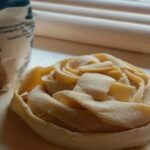
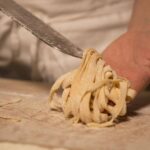
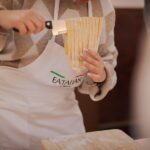
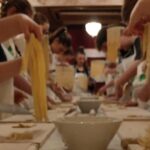
You start with dough work: knead, roll, and shape. That doesn’t just make you feel busy—it gives you a real feel for what pasta dough should be like. When you learn the texture and the handling, the rest of the class makes more sense.
A standout detail from people who’ve done this class: you’ll get tips on choosing the right flour for pasta dough. It’s one of those tiny variables that affects everything—how the dough stretches, how it holds its shape, and how it handles when you roll it thin.
What to watch for as you work:
- Don’t rush the dough stage. Pasta dough needs time and attention to become workable.
- Rolling is technique. Even if your dough looks fine, thickness and consistency matter for the final bite.
- Follow your chef’s instructions on shaping. Small changes can prevent fragile pasta from tearing.
If you’re the kind of person who likes to understand why things work, this section will feel especially satisfying. It’s not magic; it’s hands and timing.
Hand-Stuffed Ravioli: The Delicate Part You’ll Actually Master
Ravioli sounds fancy, but the class approach makes it learnable. You prepare hand-stuffed ravioli, meaning you’re shaping and assembling each piece rather than using pre-made components.
This is where the class earns its reputation. Ravioli is where dough control meets filling portioning. Too much filling makes sealing hard. Too little can make the finished ravioli feel uneven. Getting it right takes guidance.
Expect that the chef will guide you through:
- how to work with delicate pasta sheets
- portioning the filling
- shaping and sealing so the ravioli holds together
And because the group is small, you can get help before you spiral into a floury mess. One recent booking highlighted how the group size was perfect, which is exactly what you want for ravioli—this isn’t a “figure it out later” dish.
If you’re worried about being clumsy, don’t. People mention being taught step by step, including small technique notes. You don’t need to be a natural—just willing to try.


Tiramisu Time: Italy’s Dessert You Build and Taste
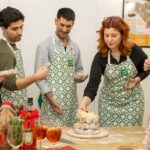
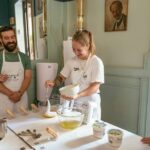
After pasta work, you switch gears to dessert. You create tiramisu under the chef’s guidance, which is great because tiramisu has its own set of rules.
This class focuses on the build process, so you understand what each step is doing. That matters because tiramisu isn’t only about flavor. It’s about texture—how it sets, how it slices, and how it holds when served.
As you assemble it, you’ll likely pay attention to timing and consistency. Too wet can become sloppy. Too firm can feel heavy. The point of doing it in class is that you learn the balance while someone is there to correct you in real time.
If tiramisu is your favorite Italian dessert, this section is the payoff. And since you eat what you make, you’re not guessing whether your method will work—you find out.
The Meal and Drinks: What Happens After You Cook
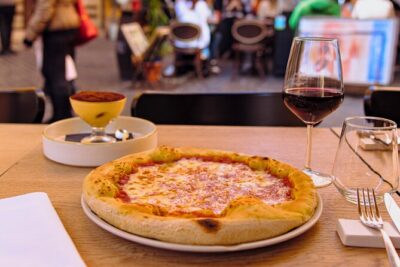
You don’t just take pasta home as a souvenir. You enjoy the meal you prepared.
This is a big deal because it turns the class into a complete experience. You get to sit down, taste everything while it’s still fresh, and compare what you made to what you thought it would be.
Some bookings also mention drinks with the ending meal. Examples included:
- a glass of bubbly
- wine and limoncello
- champagne and a choice of wine
If that’s your thing, it adds a fun, celebratory vibe. If you avoid alcohol, I’d still ask what’s included for your specific date. Drinks can be one of those details that don’t always appear consistently in short descriptions.
Also note: the class is described as a relaxed and friendly environment. That usually means you can ask questions without feeling rushed.
What You’ll Actually Learn for Use at Home
You’ll leave with more than a full stomach. The real value is in repeatable technique.
Here are the takeaways that can change how your cooking goes after Rome:
- Pasta dough handling: kneading and rolling aren’t just steps; they’re texture control
- Thin rolling basics: how to aim for sheets that work for ravioli
- Filling and sealing logic: portioning and closing pasta without tearing
- A practical flour tip: people specifically mention guidance on choosing suitable flour for pasta dough
- Tiramisu assembly instincts: how to build it so it ends up sliceable and satisfying
And because you get a secret cookie recipe PDF, you also get something to try later. It’s a nice bonus that turns the class into an ongoing project, not a one-day memory.
Location and Timing: Fitting This Into a Rome Day
You’ll meet at a location that can vary depending on the option booked. So plan to check your confirmation details closely.
Timing-wise, it’s a compact 3-hour activity. That makes it easy to fit into a day without wrecking your schedule. If you’re doing Rome like most people do—morning monuments, afternoon wandering—this kind of class can anchor your evening with something concrete.
One practical advantage: people describe the class as conveniently located compared to other cooking options. That can save you time and reduce the stress of getting across town.
Wear comfortable clothes. This is hands-on work, and flour happens.
Vegetarian Notes and Dietary Restrictions
Good news: the class is suitable for vegetarians. If you have dietary restrictions, you should notify them in advance so they can adjust what you make.
What I wouldn’t gamble on: dietary plans for people with allergies. Since the class is not suitable for food allergies, don’t assume substitutions will be available. If allergies are a concern, keep looking for an option that explicitly supports your needs.
Small-Group Help Makes the Difference
The most praised aspect of this class is the feeling of getting proper attention while you work.
People mention:
- warm, welcoming guidance from chefs
- patience while teaching
- a group size that feels just right
- step-by-step coaching that builds confidence
In a pasta class, those things matter because pasta dough forgives some mistakes and punishes others. When the chef can correct you early—before you roll too thin or seal too poorly—you end up with a better meal and a better lesson.
Chef Giuseppe comes up again and again as the instructor people remember. When you see that kind of consistency, it usually means the teaching style is solid.
Should You Book This Rome Cooking Class?
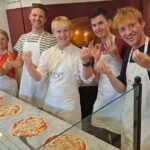
Book it if you want an experience that goes past eating and turns into skills. You’ll make three dishes from scratch—fettuccine, hand-stuffed ravioli, and tiramisu—and you’ll eat your work at the end. If you like hands-on learning and you’re traveling with anyone who enjoys food, this is a strong match.
Skip it if you have food allergies. That’s not a small limitation, and it’s the one thing the class data flags clearly.
If you’re a beginner, you’re still in the right place. Just come wearing comfortable clothes and a mindset of try-first, ask-questions-second.
If you want a fun Rome activity that feels authentic and practical, this one is worth your time—and your menu.
FAQ
How long is the cooking class?
The class lasts 3 hours.
What dishes will I learn to make?
You’ll make fettuccine, hand-stuffed ravioli, and tiramisu.
Is the instruction available in English?
Yes, the instructor teaches in English.
Do I need prior cooking experience?
No prior cooking experience is required.
Is the class suitable for vegetarians?
Yes, the class is suitable for vegetarians. If you have dietary restrictions, notify them in advance.
Does the class include the meal you cook?
Yes, you enjoy the meal you prepared during the class.
Are drinks included?
Additional drinks aren’t listed in the standard included items, but some bookings mention drinks like bubbly, wine, limoncello, and champagne with the class ending meal. Check with the operator for your specific session.
What should I bring or wear?
Wear comfortable clothes that you don’t mind getting a bit messy.
Is this cooking class wheelchair accessible?
Yes, it is wheelchair accessible.
Is it suitable for people with food allergies?
No. The class is not suitable for people with food allergies.
Where do I meet?
The meeting point may vary depending on the option booked. Check your confirmation details for the exact spot.