REVIEW · HANOI
Hanoi Cooking Class and Market Tour in Ancient House
Book on Viator →Operated by Blue Butterfly Restaurant & Cooking Class · Bookable on Viator
A day that starts in a market ends at your own dinner table. This Hanoi class is built around a simple idea: shop first, then cook with a professional chef, and finally sit down to eat what you made. I like how it covers the whole flow of Vietnamese cooking, from ingredients to flavor, not just one plated dish. Two things I really like are the hands-on cooking (you’ll actively prep and cook) and the fact that you can pair the meal with local drinks like Hanoi beer and local wine. One thing to keep in mind: the experience finishes back at the meeting point, so plan your return from there if you want to get straight back to your hotel.
You’ll meet your chef to go over the menu, then head out to a local market to pick fresh ingredients. Back at the ancient-house kitchen, you’ll work on 4 traditional dishes with a real instructor guiding you through the why, not just the steps. The drawback for some people is timing: since it can run as either a morning or afternoon start, you’ll want to match it to your day so you’re not rushed for other sights right before or after.
In This Review
- Key Highlights You’ll Actually Feel During the Class
- Where This Hanoi Cooking Class Fits (And Why It’s Worth Your 4.5 Hours)
- Start at the Meeting Point, Then Roll Straight into the Market
- The Market Tour: Your Ingredient Cheat Sheet for Vietnamese Flavor
- Hands-On Cooking: How You Really Learn to Cook Vietnamese Food
- What you’ll likely do in the kitchen
- Why cooking 4 dishes matters (instead of just one)
- The Meal: Lunch or Dinner, Local Drinks, and Seasonal Fruit
- Logistics and Comfort: What You Should Plan Before You Go
- Who This Hanoi Class Suits Best (And Who Might Want Something Else)
- Should You Book Blue Butterfly’s Hanoi Cooking Class?
- FAQ
- How long is the Hanoi cooking class and market tour?
- How much does it cost?
- Where does the tour start and end?
- Is hotel pickup included?
- What do I do during the experience?
- Is lunch or dinner included?
- What drinks and food are included?
- Are recipes provided?
- Is this a private group?
- Can I cancel for a full refund?
Key Highlights You’ll Actually Feel During the Class
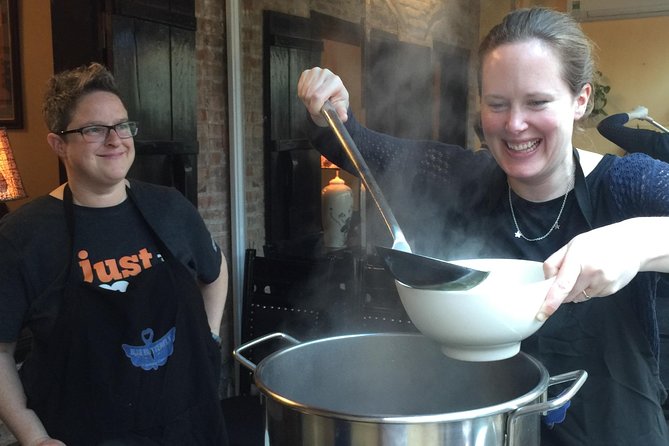
- Market tour before cooking: you learn what locals choose and why, then use those ingredients right away
- 4 hands-on traditional dishes: you’ll do the prep and cooking, not just watch
- Drinks with your meal: Hanoi beer, herbal welcome drink, soft drinks, and local wine/beer with lunch or dinner
- Hotel pickup in Old Quarter and French Quarter: less stress in Hanoi traffic
- Recipes provided after class: you can take the method home, not only the memory
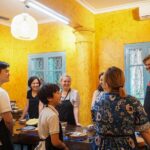
- Ancient-house setting: the class happens in a charming, older, multi-level restaurant space
Where This Hanoi Cooking Class Fits (And Why It’s Worth Your 4.5 Hours)
If you like food in Hanoi, this kind of class is one of the most practical experiences you can book. You’re not just eating Vietnamese dishes—you’re learning how the flavor is built. That matters in Vietnam, where small choices (a herb, a spice, a cut of meat, the right balance of sour/sweet/salty) can completely change the outcome.
At about 4 hours 30 minutes, it’s also a manageable block. Many visitors want something hands-on but don’t want to sacrifice half a day to a long multi-stop tour. Here, you get a full arc: meeting the chef, shopping in a local market, cooking 4 dishes, and eating your results with drinks and fruit afterward.
The $45 price is reasonable when you look at what’s included: chef-led class, market time, hotel pickup (Old Quarter and French Quarter), meals, bottled water, coffee/tea, snacks, seasonal fruit, and alcoholic beverages. In other words, you’re paying for instruction plus ingredients plus the whole sit-down meal—not just cooking time.
You can also read our reviews of more tours and experiences in Hanoi.
Start at the Meeting Point, Then Roll Straight into the Market
Your day begins by meeting the chef at 69 Mã Mây, Hàng Buồm, Hoàn Kiếm, Hà Nội. If you’re staying in the right area, you’ll usually get hotel pickup from Hanoi’s Old Quarter and French Quarter, which is a big deal in a city where traffic can turn small plans into long delays.
Once everyone is together, you discuss the menu with the chef. This early conversation helps the rest of the class make sense, because you’re cooking with context: what flavors you’re aiming for, how the ingredients work together, and which parts require attention. From a learning point of view, it’s a smart structure—like getting the rules of the game before playing.
If you’re worried you’ll be “behind” in the kitchen, don’t. The class is designed for participation with a professional instructor. Multiple guests highlight patient teaching and clear explanations, which is exactly what you want when you’re trying to reproduce the dishes later.
The Market Tour: Your Ingredient Cheat Sheet for Vietnamese Flavor
After meeting the chef, you head to a local market to pick ingredients. This isn’t a quick photo walk. You’re selecting items you’ll actually cook with. You’ll see staples, fresh herbs, and common Vietnamese flavor builders up close, and your chef can point out differences that don’t always show up in supermarkets back home.
What I like about this part is that it changes how you shop later. Instead of thinking, I’ll just grab meat and noodles, you start noticing categories: herbs used for aroma, ingredients used for texture, and components that affect sweetness, acidity, and seasoning depth.
Expect the market to feel like an education you can taste. For example, some guests mention making stock for dishes like pho before the market stop, which can give you a better sense of how ingredient choices connect to the final broth or sauce. Even if your menu differs, the lesson stays the same: Vietnamese cooking often begins with building a flavor base, then layering herbs and seasonings.
Practical tips for this segment:
- Wear comfortable shoes. Market walking adds up quickly.
- Bring a light layer. Kitchens are often cooler than you expect after time outside.
- If you have spice preferences, say so early. Vietnamese menus often have flexible heat levels, and it’s easier to adjust before cooking starts.
Hands-On Cooking: How You Really Learn to Cook Vietnamese Food
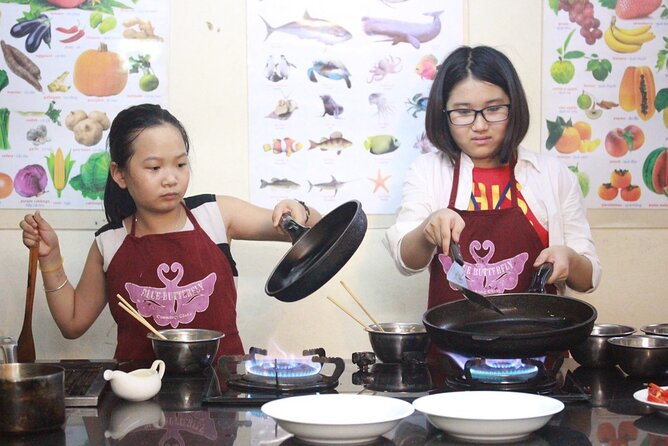
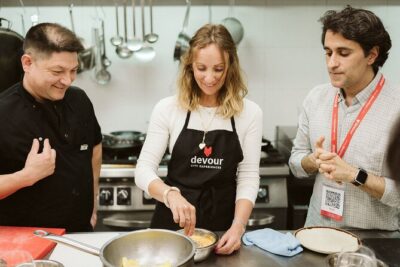
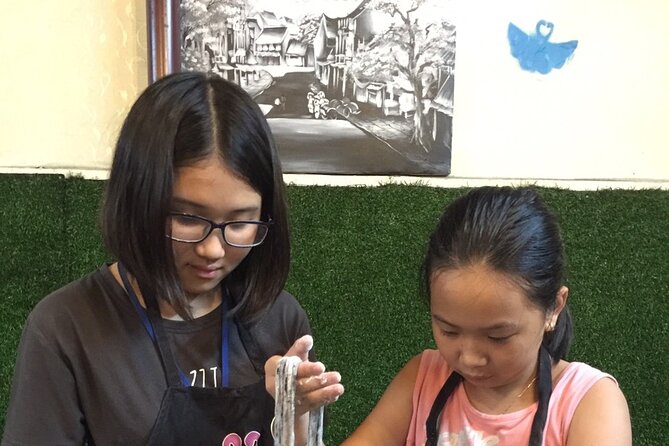
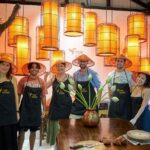
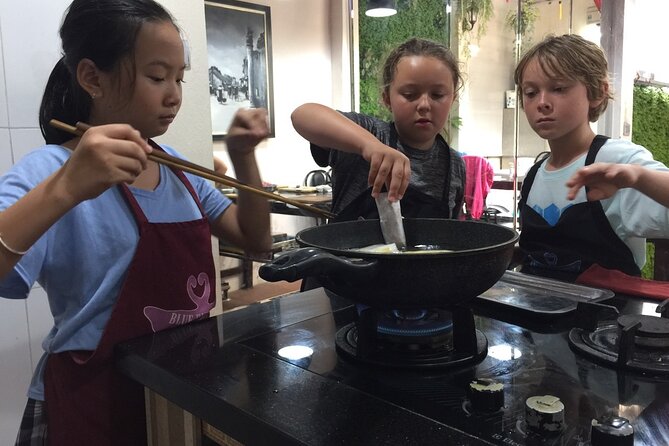
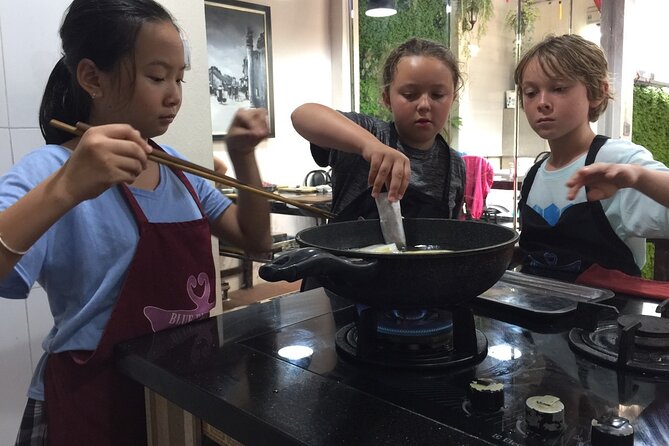
Back at the cooking space—an older, multi-level restaurant-style setup—you’ll start the real work: hands-on cooking of 4 traditional dishes. The chef demonstrates key steps, then you take over. That balance is important. You learn technique from the instructor, but you’re not stuck standing by.
Many guests say the teaching style is both informative and fun, with a pace that keeps you involved without feeling rushed. You’ll also get recipes provided after the session, which is a lifesaver if you want to recreate the dishes later. Instructions plus recipes is the combination that makes a class stick.
What you’ll likely do in the kitchen
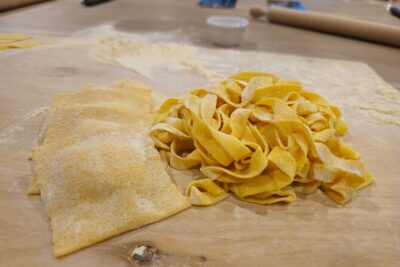
You should expect a mix of prep and cooking tasks: chopping herbs, handling aromatics, assembling ingredients, and cooking components of each dish. The goal is that by the end, you’re not only tasting what’s cooked—you understand what you did that created each flavor.

Why cooking 4 dishes matters (instead of just one)
Some classes focus on a single dish well. This one builds a broader picture. By working across multiple recipes in one session, you see how similar ingredients behave differently depending on whether they’re used for sauce, soup, or a main dish. That’s how you start cooking Vietnamese food with confidence rather than following one recipe perfectly.
And yes, you’ll eat what you make. That turns the whole session into feedback: if something tastes off, you can connect it to the step you took (and the chef’s explanations).
The Meal: Lunch or Dinner, Local Drinks, and Seasonal Fruit
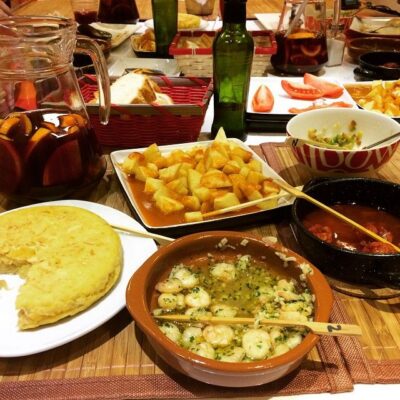
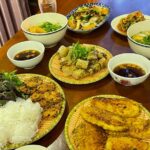
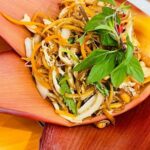
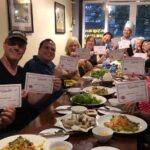
After cooking, you sit down for lunch/dinner, and the meal includes what you made plus plenty of extras to keep it satisfying. Included are food tasting, snacks, and seasonal fruits after the meal, which is a nice closing touch. You also get coffee and/or tea and bottled water throughout.
The drink situation is part of why this class feels like a full Hanoi experience rather than a workshop that ends with an empty stomach. You’ll have options such as:
- Hanoi beer
- herbal welcome drink
- soft drinks
- alcoholic beverages (local wine is specifically mentioned in the class overview)
If you’re a light drinker, you still get plenty of non-alcoholic options. If you enjoy tasting local drinks, this is one of the easiest ways to do it without needing a separate plan.
Two more things I like about the meal:
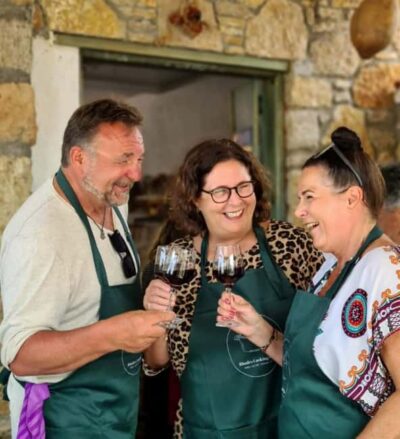
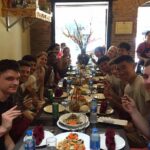
- You eat together as a group after cooking, which makes the experience feel social instead of transactional.
- It’s not only about taste; it’s about confirming your learning. When the dish hits the table, you can connect the flavor to the ingredients you selected at the market.
Logistics and Comfort: What You Should Plan Before You Go
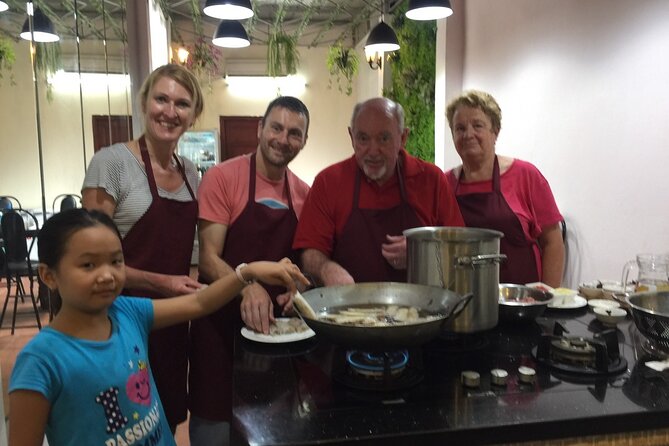
This is a private tour/activity, meaning only your group participates. That’s a good fit if you prefer a calmer pace or want questions answered without competing with a larger class.
You’ll receive a mobile ticket, which cuts down on paperwork. The tour is also described as near public transportation, which can matter if you’re coming from elsewhere in Hanoi and want an easy backup plan.
One more practical note: the experience ends back at the meeting point. If you’re expecting the tour to drop you back at your hotel at the end, plan for the final leg. In practice, you may need to sort your own ride back depending on where you are.
What to bring (simple but useful):
- A small bag for personal items
- Water bottle if you like (though bottled water is included)
- A light top or scarf for market-to-kitchen temperature changes
- Any dietary notes upfront, especially if you’re vegetarian or avoiding specific ingredients
Who This Hanoi Class Suits Best (And Who Might Want Something Else)
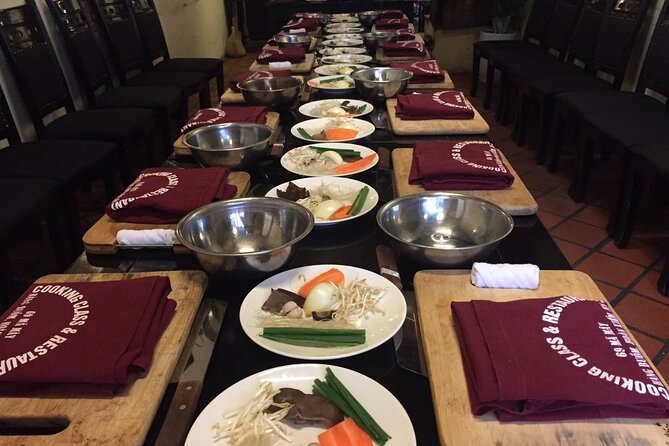
This class is perfect if:
- You want a market-to-fork experience, not only a cooking demo
- You enjoy learning through action—chopping, cooking, tasting, adjusting
- You like eating the results right away (some classes feel like you only snack)
- You want a cultural activity that doesn’t require museum patience or a big walking day
It may be less ideal if:
- You’re short on time and need a quick one-hour activity
- You dislike group meals or prefer eating in silence
- You want your tour to end with an automatic hotel drop-off (it finishes at the meeting point)
The best match is someone who wants real skill transfer. The recurring theme in strong feedback for this class is that the chef explains the why behind flavors, and then you leave with recipes you can actually use.
Should You Book Blue Butterfly’s Hanoi Cooking Class?
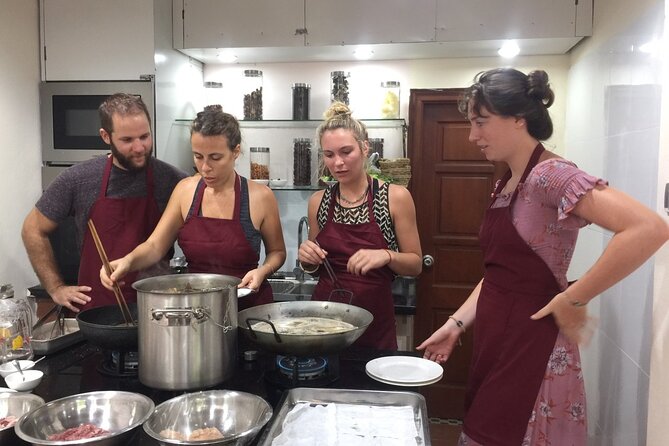
I’d book this if you’re in Hanoi for food and you like learning with your hands. The value is strong because you’re getting: market ingredient selection, a professional chef-led class, 4 dishes you cook yourself, lunch/dinner, local drinks, coffee/tea, fruits, and recipes afterward—all in about 4.5 hours.
The main reason not to book is simple: if you need guaranteed end-to-hotel convenience, you may find the return location annoying. Also, if you’re only craving one specific dish, you might prefer a shorter specialty class.
If you can handle a bit of walking and you’re excited to cook and eat, this is one of the most satisfying ways to spend a chunk of your Hanoi time.
FAQ
How long is the Hanoi cooking class and market tour?
It lasts about 4 hours 30 minutes.
How much does it cost?
The price is $45.
Where does the tour start and end?
It starts at 69 Mã Mây, Hàng Buồm, Hoàn Kiếm, Hà Nội 100000, Vietnam and ends back at the meeting point.
Is hotel pickup included?
Yes, pickup is included for hotels in Hanoi’s Old Quarter and French Quarter.
What do I do during the experience?
You meet the chef, discuss the menu, go on a market tour to buy fresh ingredients, then cook 4 traditional dishes hands-on, and eat lunch/dinner.
Is lunch or dinner included?
Yes. You’ll have lunch/dinner as part of the experience (depending on your session time).
What drinks and food are included?
Included are things like Hanoi beer, an herbal welcome drink, soft drinks, coffee and/or tea, bottled water, snacks, and seasonal fruits after the meal. Alcoholic beverages are included as well.
Are recipes provided?
Yes. Recipes are provided at the end of the session.
Is this a private group?
Yes. It’s described as private, so only your group participates.
Can I cancel for a full refund?
You can cancel up to 24 hours in advance for a full refund. If you cancel less than 24 hours before the start time, the amount paid is not refunded.