REVIEW · VENICE
Cesarine: Home Cooking Class and Meal with a Local in Venice
Book on Viator →Operated by Cesarine: Cooking Class · Bookable on Viator
Cooking in Venice feels like dinner with family. This Cesarine class is interesting because you’re not just watching recipes—you’re working through classic Venetian dishes in a local home kitchen, guided by the cook in charge (I’ve seen hosts like Barbara, Patrizia, Giulia, and Nadine). I love the hands-on focus on Venetian cicchetti and fresh pasta, and I also like that the meal comes with local red and white wines plus espresso. One consideration: because it’s a private home, you may deal with limited comfort on hot days and you’ll want to flag any pet allergies ahead of time.
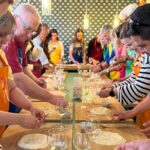
The upside is the small size (max 12), which means you get real attention while you shape pasta, taste, and ask questions. You’ll typically make a starter, learn fresh pasta steps (often bigoli, risi e bisi, or gnocchi), and finish with a Venetian dessert like baicoli or a tiramisu-style option, then settle in for the tasting with wine.
In This Review
- Key things that make this class a smart Venice plan
- Entering a Venetian Home Kitchen in Rialto
- What you’ll actually cook: cicchetti, fresh pasta, and dessert
- Starter: seasonal Venetian-style beginnings
- Main course: fresh pasta steps, usually bigoli, risi e bisi, or gnocchi
- Dessert: Venetian biscuits and classic sweet options
- Wines, water, and espresso: how the meal stays social
- The 3-hour flow: what happens from start to finish
- Meeting in Rialto: arriving without stress
- Value check: why $215.66 can make sense in Venice
- Who should book this class (and who might rethink it)
- Names you might meet: the hosts make the difference
- Things to watch for before you go
- Should you book the Cesarine home cooking class in Venice?
- FAQ
- Where is the meeting point?
- How long is the cooking class?
- What does the price include?
- Will I make fresh pasta?
- How many people are in the class?
- Is pick-up and drop-off included?
- Do I need to worry about city access fees?
Key things that make this class a smart Venice plan
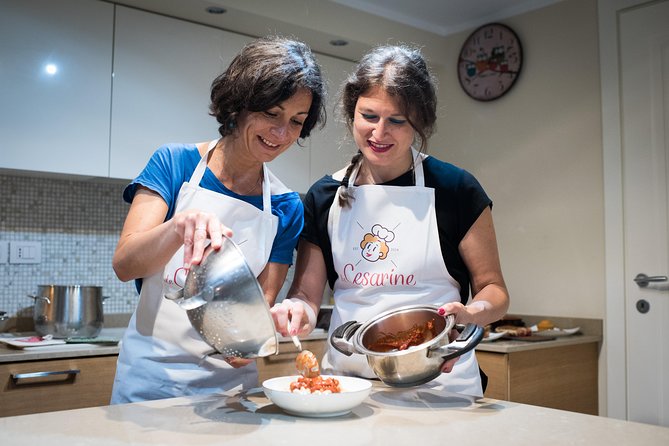
- A real Venetian workflow: you’ll practice small plates (cicchetti) and full courses, not just one dish
- Fresh pasta technique: you’ll work dough and shaping steps, even if your exact pasta choice varies by class
- Wine included with your meal: local reds and whites, plus water and espresso
- Small group attention: better coaching when you’re learning pasta from scratch
- A host who brings local context: many cooks add stories about the city and where dishes come from
Entering a Venetian Home Kitchen in Rialto
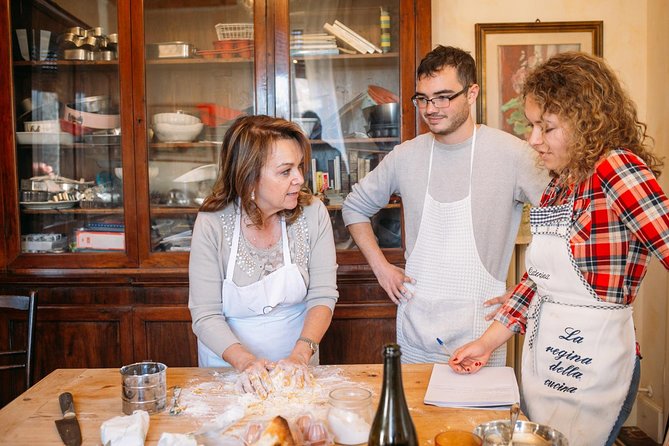
This is the kind of Venice experience that works because it’s simple: you show up, meet your host, and cook where Venetians actually eat. The meeting point is at Chiesa di San Giacomo di Rialto, in Campo S. Giacomo di Rialto (30125 Venezia). From there, you’ll head to the home where the class happens.
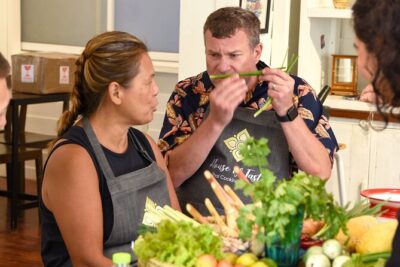
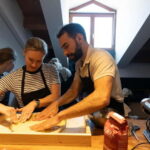
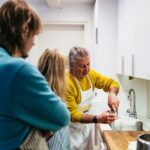
What I like about a home setting is that the day naturally slows down. There’s no performance-style show, no rush through techniques. Instead, the cook can stop, correct your hand position, and explain what makes Venetian flavors feel right—down to how you build a sauce or handle the dough. In at least a few cases, the home location is described as conveniently reachable by water taxi, which matters in Venice where getting around can be a mini-adventure.
Also worth noting: the class is English-offered and capped at 12 people. That size is ideal for learning because you’re not fighting for space at a crowded prep station.
You can also read our reviews of more tours and experiences in Venice.
What you’ll actually cook: cicchetti, fresh pasta, and dessert
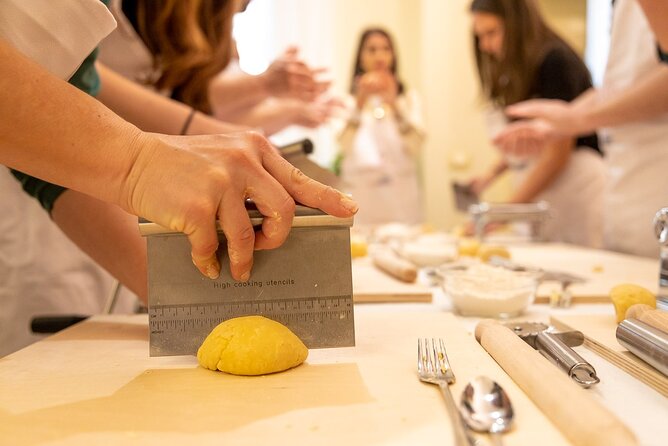
The headline is hands-on cooking of three Italian courses: a starter, fresh pasta, and dessert. But the fun is that the experience is also built around small Venetian bites called cicchetti, so you’ll likely make more than just one “main event” item.
Starter: seasonal Venetian-style beginnings
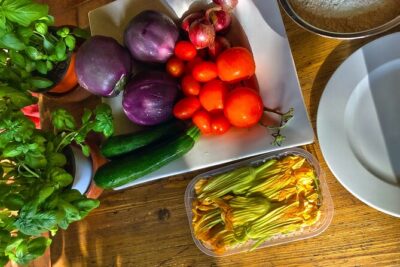
Your class includes a seasonal starter. The exact starter isn’t listed in detail, but this is the classic approach: you start with something light enough to keep the focus on flavor, then you move into the carb work (pasta) and the sweet finish.
If you’re used to restaurant meals, the value here is learning the logic behind Venetian cooking rather than just collecting recipes. A starter in a home class usually teaches technique: timing, seasoning, texture, and how to build a simple dish so it tastes like more than the sum of ingredients.
Main course: fresh pasta steps, usually bigoli, risi e bisi, or gnocchi
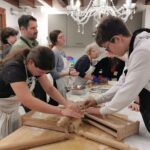
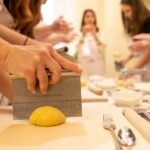
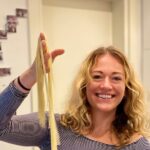
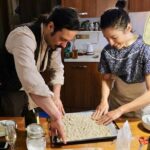
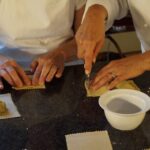
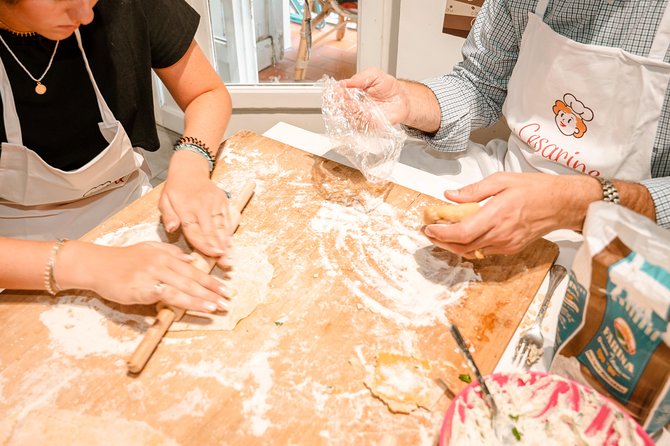
Fresh pasta is a core part of this experience, and the sample pasta choices include bigoli, risi e bisi, or gnocchi. Even if your class ends up focusing on one specific option, you can expect to do the real work: handling the dough, learning shaping steps, and understanding how the dish should look and feel as it comes together.
A few practical notes from how these classes tend to run:
- Fresh pasta takes time. Dough often needs rest, and that can create a pause while you wait for the right moment to cook.
- Pasta sauce may be timed alongside cooking so everything hits the table together.
One caution: in a small number of cases, the exact pasta outcome may not match what you imagined. If fresh pasta is your top goal, I’d treat this as a “confirm the specifics” situation—double-check what the class will make in your session so you’re not surprised.
Dessert: Venetian biscuits and classic sweet options
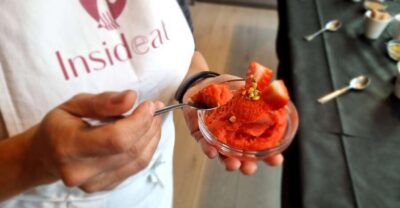
Dessert options you might see include baicoli biscuits, the Moro chocolate pastry, zaeti biscuits, and tiramisu or a similar typical Venetian dessert. This part matters more than you might think. Many Venetian sweets are built for texture—crisp edges, tender centers, and flavor that stays clear rather than getting overly heavy.
The best part of cooking dessert in a home is that you learn how “simple” ingredients turn into something memorable. You’re not just eating sweet; you’re seeing how it’s assembled and why it works.

Wines, water, and espresso: how the meal stays social
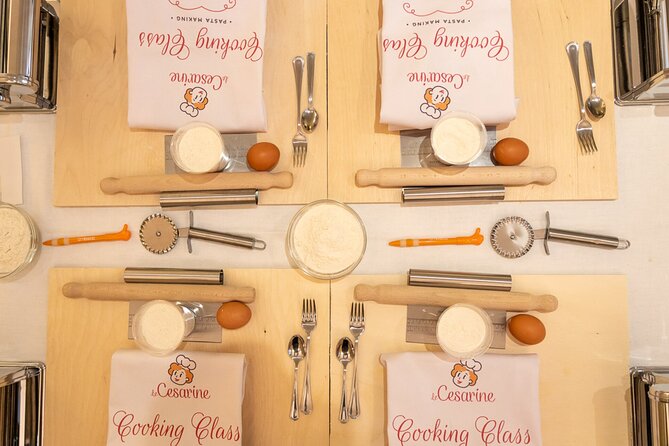
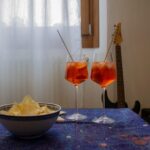
The class includes local wines (red and white), plus water and espresso. In practice, this changes the vibe from strictly instructional to friendly and celebratory. You can taste as you go, ask questions without feeling like you’re interrupting, and then relax when the finished dishes land on the table.
One thing I’d plan around: don’t schedule a second major activity right after. A cooking class dinner style meal takes its time, especially if you’re learning pasta technique and waiting for the dough process.
There’s also a useful pairing angle here. The wines are local, so they tend to match the dishes’ weight: something crisp for starter and pasta, and something comfortable for sweets. You’ll get a clearer sense of what locals drink with everyday Venetian food rather than relying on generic tourist pairings.
The 3-hour flow: what happens from start to finish
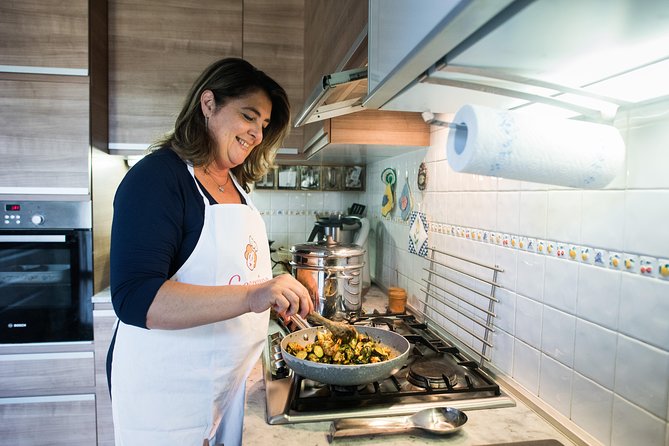
The duration is about 3 hours. While the exact order can vary by host and by the pasta dough timing, the rhythm usually looks like this:
- Welcome and orientation at the meeting point near Chiesa di San Giacomo di Rialto
- Move to the home kitchen and settle in with drinks
- Hands-on cooking for starter and cicchetti-style bites
- Fresh pasta prep, including dough handling and shaping
- Dessert preparation and finishing steps
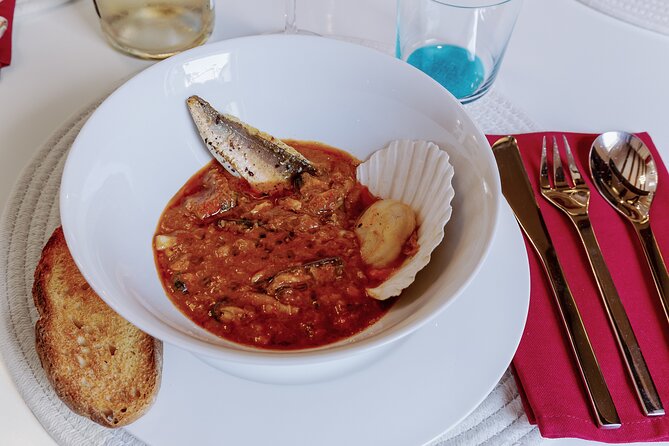
- Tasting together with wine, water, and espresso
Two details that influence your experience a lot:
- If your dough needs rest, you’ll spend more time waiting than you’d expect from a quick cooking demo.
- If the kitchen is busy and the course pieces are timed carefully for one meal, the class can run long relative to what you assumed at booking.
If you’re the type who hates “standing around,” just bring patience. Fresh pasta is honest work, not a microwave trick.
Meeting in Rialto: arriving without stress
Your start point is very specific: Campo S. Giacomo di Rialto, by Chiesa di San Giacomo di Rialto. Because this is Venice, location matters. A few hosts have been described as using a home that’s conveniently reached by water taxi, so your best strategy is to plan a route that ends near the Rialto area and then walk the short final bits.
Also, keep an eye on city access rules if you’re visiting for the day from outside Venice. On certain dates, day visitors may need to pay a €5 access fee. The official info is at https://cda.ve.it, including exemptions.
For mobility basics: the tour is near public transportation and service animals are allowed.
Value check: why $215.66 can make sense in Venice
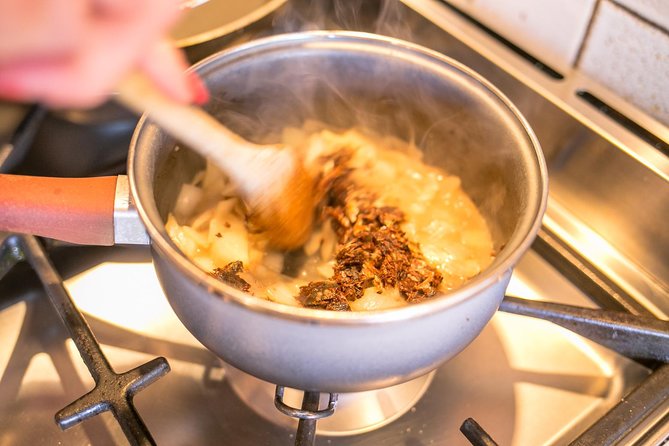
At $215.66 per person for about 3 hours, this isn’t a budget activity. So the key question is what you get for the money.
Here’s the value case, piece by piece:
- Small group size (max 12), which matters in a kitchen where space is limited.
- Hands-on instruction for multiple courses, not just a meal.
- Local wine + espresso included, so your food and drink costs are partly covered.
- You take home recipes: several hosts provide a written list of ingredients, equipment ideas, and recipes so you can repeat the cooking later.
From the feedback I’ve absorbed around this class format, the strongest “payoff” is learning fresh pasta technique and leaving with a practical skill, not just a full stomach. If you want souvenirs, this is a better one than a magnet. You’re bringing a real kitchen process home.
That said, one mismatch risk exists. If you’re expecting a lot more food volume, some classes may feel like smaller tastings because the focus is on learning. You still leave fed, but the emphasis is skill-building.
Who should book this class (and who might rethink it)
This cooking class is a great fit if:
- You want Venetian home food with real instruction.
- You’re comfortable being hands-on and don’t mind a little waiting during pasta dough rest.
- You enjoy wine with dinner and like learning why dishes taste the way they do.
It can be less ideal if:
- You have pet allergies. Since it’s a home kitchen, pets may be present. If allergies matter for you, make sure your needs are flagged during booking.
- You’re heat-sensitive in summer and your comfort level depends on air conditioning. In Italy, air conditioning isn’t guaranteed in homes.
One more practical note: kitchen workspace can be tight. Some classes are described as best for smaller groups (like 2 to 4), even though the overall cap is 12. If you’re very concerned about elbow room, pick a smaller group class date when possible.
Names you might meet: the hosts make the difference
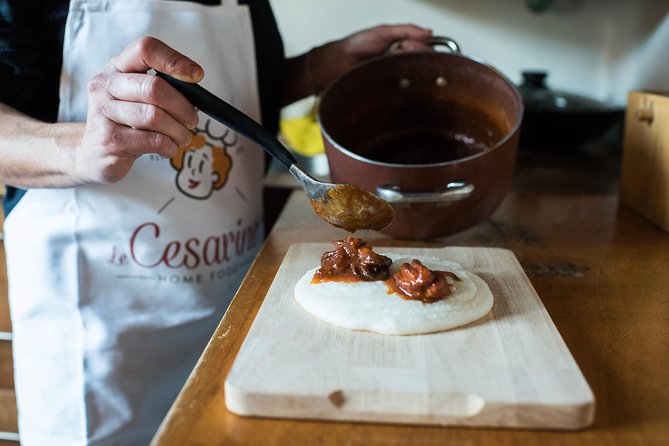
A lot of the success here comes down to the person running the kitchen. Across sessions, I’ve seen hosts like Barbara, Patrizia, Giulia, Nadine, Daniella, Lisa, and Rossa mentioned for strong teaching and calm patience. Common threads show up again and again:
- Clear explanations for beginners
- A relaxed pace that lets you try, not just watch
- Local perspective on dish origins and Venice itself
So when you book, think about the host style as part of the value. A great teacher can turn fresh pasta from intimidating to almost fun.
Things to watch for before you go
To keep your experience smooth, here are the main practical risks and how to handle them:
- Time changes can happen: one situation described a same-day change (earlier start). I suggest you check messages close to your date and keep your schedule flexible.
- Exact pasta outcome can vary: the sample menu includes several pasta types. If you’re specifically aiming for one (for example gnocchi), confirm what your session will produce.
- Comfort is home-level: air conditioning may not be on, especially in summer.
- Allergies and pets: since this is in a home, pet allergies should be communicated early.
None of this is meant to scare you off. It’s just how to make a home-based experience work for you.
Should you book the Cesarine home cooking class in Venice?
I’d book it if you want a hands-on Venice experience that trades a ticketed museum day for real skills—fresh pasta technique, Venetian small plates (cicchetti), and a dessert you can remake at home. The inclusion of local wines and espresso helps the meal feel complete, and the small group size means you’re not lost in a crowd.
I’d hesitate only if you have strict expectations about exact dishes every time, you’re dealing with pet allergies, or you need air conditioning. If those points don’t apply, this is one of the best ways to turn Venice into something you can carry home in your hands, not just on your camera.
FAQ
Where is the meeting point?
The class meets at Chiesa di San Giacomo di Rialto, Campo S. Giacomo di Rialto, 30125 Venezia VE, Italy.
How long is the cooking class?
It runs for about 3 hours.
What does the price include?
It includes the hands-on cooking class, tasting of three recipes (starter, fresh pasta, dessert), and drinks: water, local wines, and espresso.
Will I make fresh pasta?
Fresh pasta is part of the experience. Sample pasta options include bigoli, risi e bisi, or gnocchi.
How many people are in the class?
The maximum group size is 12 travelers.
Is pick-up and drop-off included?
No. Hotel pick-up and drop-off are not included, and the activity ends back at the meeting point.
Do I need to worry about city access fees?
On certain dates, day visitors staying outside Venice may need to pay a €5 access fee. Check https://cda.ve.it for the applicable days and exemptions.