REVIEW · VENICE
Venice: Pasta and Tiramisu Cooking Class with Wine
Book on GetYourGuide →Operated by The Roman Food Tour · Bookable on GetYourGuide
You can learn Italian cooking without guesswork.
This Venice class is built around hands-on pasta making (fresh fettuccine and ravioli) and a proper tiramisu session, all in a real restaurant setting in Dorsoduro. I also like that the evening doesn’t end when the work stops: you sit down to eat what you made with wine plus limoncello and coffee. One thing to consider is the food isn’t “safe by default” for everyone—traditional recipes use gluten, dairy, and eggs, and cross-contamination can’t be ruled out.
The vibe is social in a good way. You roll up your sleeves, ask questions, and end up at the table with other people from different countries. Names I’d look for when booking: hosts like Barbara, Serena, Thomas, and Eddie are repeatedly mentioned for clear instruction and a fun, welcoming pace. At the end of the class, you can either stay put to keep chatting—or step back out into the streets of Dorsoduro.
In This Review
- Quick Highlights to Know Before You Go
- What You Make: Fettuccine, Ravioli, and Tiramisu
- Entering the Restaurant in Dorsoduro: The Class Flow That Keeps Moving
- The Wine, Limoncello, and Coffee: When Cooking Becomes Dinner
- Dietary Rules and Allergy Limits You Should Read Twice
- Timing and What Happens After the Cooking Ends
- Price and Value: Why $78 Can Make Sense in Venice
- Who This Class Is Best For (And Who Should Skip It)
- Should You Book This Venice Pasta and Tiramisu Class?
- FAQ
- How long is the Venice pasta and tiramisu cooking class?
- Where does the class take place?
- What dishes will I learn to make?
- Is wine included?
- Is there an English guide?
- What should I expect during the class?
- Are vegetarian or vegan options available?
- Can they accommodate allergies?
- Is this suitable for gluten intolerance or lactose intolerance?
- Is it okay for young children?
- When is check-in, and do starting times vary?
Quick Highlights to Know Before You Go
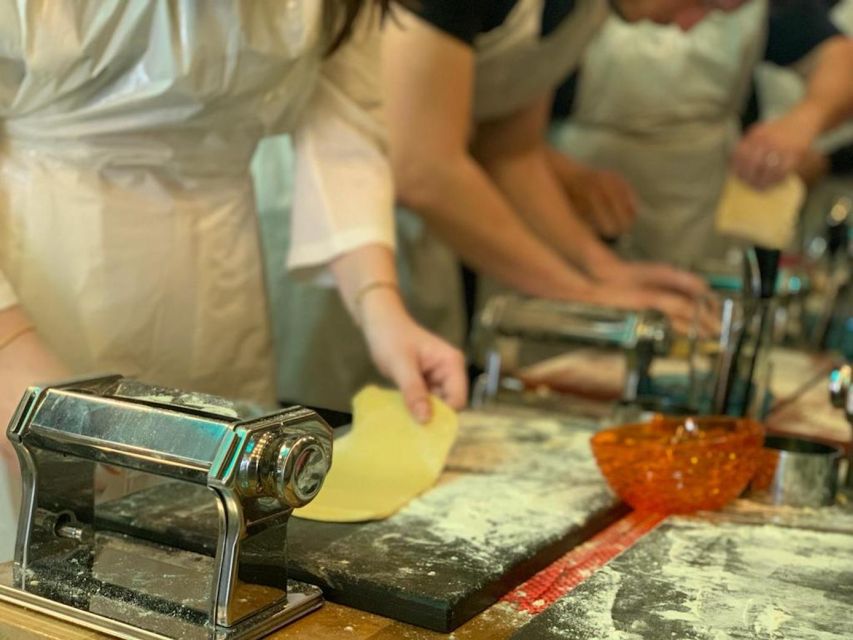
- Fresh pasta teaching you the real steps for fettuccine and ravioli, not just watching
- Tiramisu with technique, then you eat it right after you make it
- Wine at the table with limoncello and coffee included
- Dorsoduro-area experience, with time to explore nearby streets after class
- English live guide and a pace that works for beginners
What You Make: Fettuccine, Ravioli, and Tiramisu
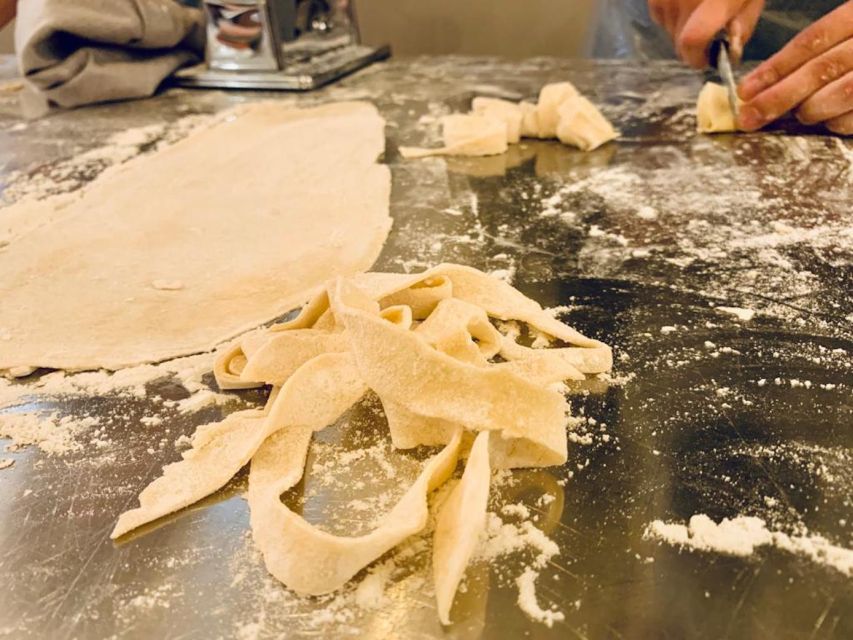
This class centers on three big, crowd-pleasing targets: fresh fettuccine, ravioli, and tiramisu. That’s a smart combo for a first cooking class in Italy. Pasta teaches you hands-on dough skills you can repeat at home. Ravioli adds shaping and filling, which feels more advanced but is designed to be doable in a group setting. And tiramisu is the dessert everyone wants, but most people only know it as a menu item.
What I like about the way this is set up is that you don’t just “assemble” something. You get ingredients and guidance to make fresh pasta like an Italian. The tiramisu portion is framed as a technique lesson too. You’ll likely hear tips about texture and timing—how the mixture behaves, how to keep it smooth, and how not to rush the steps. Then you sample both pasta dishes and the tiramisu at the table.
If you’re the type who loves to cook but hates expensive “hands-off” classes, this one feels fair. You leave with actual skills, not just photos.
You can also read our reviews of more tours and experiences in Venice.
Entering the Restaurant in Dorsoduro: The Class Flow That Keeps Moving
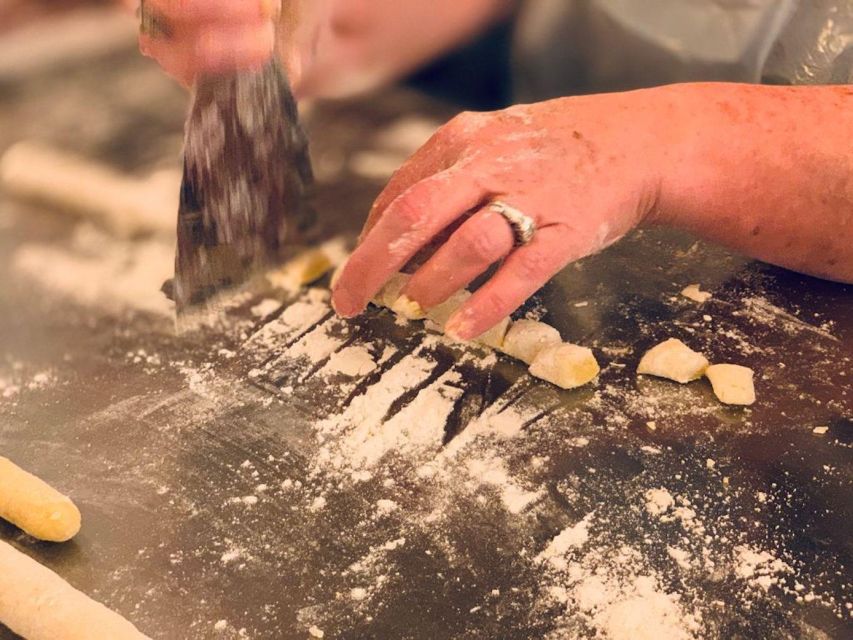
The experience takes place in a Venice restaurant in the Dorsoduro area. Dorsoduro matters more than you’d think. Venice sightseeing can be exhausting: crowds, vaporetto logistics, and walking on uneven stones. A cooking class in a neighborhood like this lets you slow down. You trade the museum-and-market loop for a warm indoor setting with one clear focus.
Inside, the rhythm is simple:
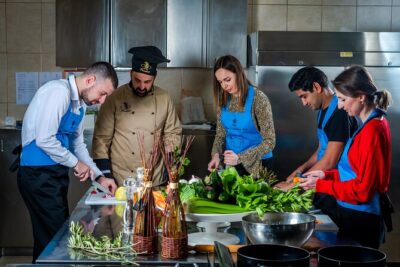
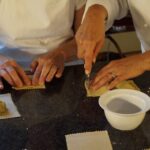
- You roll up your sleeves and start working with dough and fillings.
- The host (English) walks you through the process step by step.
- You get time to ask questions about Italian cuisine while you’re still in the flow.
- After cooking, you all eat what you prepared, together.
A key detail: the class is described as taking place fully within the restaurant. That’s ideal when you want a fun evening without worrying about transit, finding landmarks, or timing your route home. It also means you can show up hungry and leave fed.
And yes, the hosts can make a big difference. Multiple sessions highlight instructors like Barbara and Serena for being engaging and entertaining while still keeping instructions clear. In other words, the experience isn’t just about getting fed. It’s about learning in a way that doesn’t feel intimidating.
The Wine, Limoncello, and Coffee: When Cooking Becomes Dinner

This is one of those rare activities where the “meal” part feels built in, not tacked on. The class includes wine during the table portion, and it’s described as free-flowing fine wine. You also get limoncello and coffee with your feast.
Why that matters for your trip: Venice can be pricey, and sitting down at a proper restaurant can be hard to squeeze into your schedule. Here, your cooking lesson naturally becomes your dinner plan. You’re not deciding between paying for a class or paying for a meal. You get both.
Practical note: if you’re planning to walk around afterward, pace your wine. Venice streets are not made for wobbling, and you’ll likely still want enough energy for a post-class stroll.
Dietary Rules and Allergy Limits You Should Read Twice
Let’s be straight. This activity can support some dietary needs, but it also has firm limitations.
What’s supported (as stated):
- Vegetarian
- Other diets may be supported
- Substitutes may be offered for allergies or food preferences
The catch:
- Instructions always focus on the traditional recipe, which contains gluten, dairy, and eggs.
- The experience says substitutes are offered, but it cannot guarantee 100% free of cross contamination.
And the clear “not suitable for” list:
- Vegans
- People with gluten intolerance
- People with lactose intolerance
- Children under 3 years
- Babies under 1 year
So how should you decide? If you have a serious allergy, send the details when booking and get clarity on what can actually be replaced. If you’re vegan or dealing with gluten/lactose intolerance, plan on skipping this class, even if substitutions sound tempting. The setup is built around traditional ingredients and cross-contamination risk is explicitly mentioned.
If you’re simply eating vegetarian or avoiding certain foods with mild preferences, you’re more likely to be comfortable here—just still tell them exactly what you need.
Timing and What Happens After the Cooking Ends
The class lasts 3 hours. That’s a solid length for Venice. It’s long enough to learn real technique and make a meal, but short enough that you won’t feel stuck all evening.
Starting times vary, so check availability for your date. The meeting point can also vary depending on the option you book, so make sure your confirmation message is handy when you set off.
At the end, you get two choices:
1) Stay in the restaurant with your new group and keep the good mood going.
2) Venture out to explore nearby streets in Dorsoduro.
This is a nice “two-part evening” structure. First, you’re focused on cooking. Then you switch to low-key wandering once you’re full. Dorsoduro is a good place to do that kind of casual walking.


Price and Value: Why $78 Can Make Sense in Venice
$78 per person looks like a lot until you break down what’s included. Here’s what you’re getting in the price:
- A live cooking class
- Ingredients
- Wine (plus limoncello and coffee with the meal portion)
- The chance to eat what you cook
In Venice, “just dinner” can still cost a lot, and it often doesn’t teach you anything you can repeat later. This turns that dinner budget into a hands-on skill lesson with a guided meal built in. You’re not paying for the privilege of watching someone else cook. You’re paying for instruction, ingredients, and the full sit-down eating experience.
Also, the group element has value. A lot of people use cooking classes as a way to meet fellow travelers. The arrangement here puts you at shared tables. You’ll likely talk while you work and then again while you eat.
Bottom line: for $78, you’re buying three things—technique, a meal, and a social evening. If those matter to your trip style, it’s a fair deal.
Who This Class Is Best For (And Who Should Skip It)
This cooking class is a great fit if you want:
- A break from walking and sightseeing
- A fun, hands-on food experience in Venice
- A night that becomes your dinner plan
- A beginner-friendly introduction to Italian staples
It also seems to work well for groups and couples. Several entries mention enjoyable time for different ages (with the clear rule that it’s not suitable for babies under 1 and children under 3). Some people even point out it helped solve what to do for the evening meal, including for teens.
Who should skip:
- Vegans
- Anyone with gluten intolerance
- Anyone with lactose intolerance
- Anyone needing strict allergy safety guarantees beyond what substitutes and cross-contamination limitations can provide
If you’re in the “dietary cautious but not medically restricted” category, this can still be a great experience—just communicate needs during booking.
Should You Book This Venice Pasta and Tiramisu Class?
Book it if you want a high-payoff evening that blends learning and eating, with wine and dessert included. I’d especially recommend it if you like practical activities—something you can repeat after you get home. The repeated mentions of hosts such as Barbara, Serena, Thomas, and Eddie suggest the class quality hinges on the teacher, and this one looks strong on that front.
Don’t book it if you need vegan food, or if gluten/lactose intolerance is part of your reality. The class is designed around traditional recipes with gluten, dairy, and eggs, and cross-contamination can’t be guaranteed.
If you’re deciding last-minute: it’s one of the easier ways to get a “real Venice dinner” feeling without guessing where to eat or how to fill your evening.
FAQ
How long is the Venice pasta and tiramisu cooking class?
The class lasts 3 hours.
Where does the class take place?
It takes place in a Venice restaurant in the Dorsoduro area (Veneto, Italy). The exact meeting point may vary depending on the option booked.
What dishes will I learn to make?
You learn to make fresh fettuccine, ravioli, and tiramisu.
Is wine included?
Yes. The wine is included and described as free-flowing fine wine, along with limoncello and coffee with the meal.
Is there an English guide?
Yes. The live tour guide is in English.
What should I expect during the class?
You’ll be guided through making fresh pasta and tiramisu, with ingredients provided. You’ll also have time to ask questions and then sample the dishes you prepare.
Are vegetarian or vegan options available?
Vegetarian options are listed as available, and other diets may be supported. However, the activity is also listed as not suitable for vegans, so you should confirm your situation during booking.
Can they accommodate allergies?
They offer substitutes for people with allergies or food preferences, but the instructions focus on the traditional recipe that contains gluten, dairy, and eggs. They cannot guarantee 100% free of cross contamination.
Is this suitable for gluten intolerance or lactose intolerance?
No. It is listed as not suitable for people with gluten intolerance and not suitable for people with lactose intolerance.
Is it okay for young children?
The activity is not suitable for children under 3 years and not suitable for babies under 1 year.
When is check-in, and do starting times vary?
Starting times vary by availability. The meeting point may also vary depending on the option you book.