REVIEW · VENICE
Tiramisu and Fresh Pasta Cooking Class in Venezia
Book on Viator →Operated by 'more Venice · Bookable on Viator
Cooking and eating in one Venetian evening. I love the hands-on focus—rolling pasta dough and building tiramisù the classic way—and I also love the small group size (max 12), which keeps the chef’s attention personal. One possible drawback: on busy days, the dish mix and ingredients may feel a bit less flexible than what you were expecting from the initial message, so it helps to stay open-minded and hungry for what the kitchen is working with.
I’m also drawn to the setting: this happens in a 16th-century Venetian palace, not a generic classroom. You’ll get a structured class, plus a family-style meal afterward, with wine, espresso, and a homemade limoncello shot that turns the whole experience into something you remember—not just something you learn.
In This Review
- Key Highlights
- Where You Start: Calle S. Pantalon in a Real Venetian Home
- The Class Flow: Three and a Half Hours That Actually Builds Skills
- Fresh Pasta in Practice: Hand-Rolled Dough and Restaurant-Level Finishes
- The “why this matters” part
- Tiramisu the Old-School Way: Technique Plus the Recipe You Can Reuse
- Oil Tasting, Homemade Focaccia, Wine, and the Espresso-Limoncello Finish
- Why these inclusions are smart
- Taking Notes for Later: The Pasta Dough Recipe and Two-Dish Advantage
- The People Part: Chef Direction, Laughter, and a Private-Home Atmosphere
- Price and Value: Is $96.33 Worth It?
- One Possible Mismatch: When Ingredients Feel Less Personalized
- Tips to Get the Most Out of Your Venice Cooking Class
- Should You Book This Tiramisu and Fresh Pasta Cooking Class?
- FAQ
- How long is the Tiramisu and Fresh Pasta Cooking Class?
- Where is the meeting point?
- What’s the group size?
- Is the class offered in English?
- What dishes are included?
- What food and drinks are included?
- Do you receive recipes to take home?
- Is free cancellation available?
Key Highlights
- 16th-century palace setting in Venice with an intimate, at-home feel
- Fresh, local ingredients used for both pasta and sauces
- Take-home recipes: pasta dough recipe for two pasta dishes + the tiramisù recipe
- Included tastings and drinks such as homemade focaccia, oil tasting, wine, espresso, and limoncello
- Small class size (max 12) and a friendly, step-by-step chef-led format
Where You Start: Calle S. Pantalon in a Real Venetian Home
Your class begins at Calle S. Pantalon, 3707. It’s a solid location for walking around Venice afterward, and the area is also convenient if you’re hopping between sights using public transit.
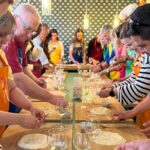
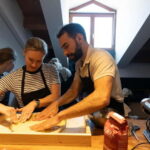
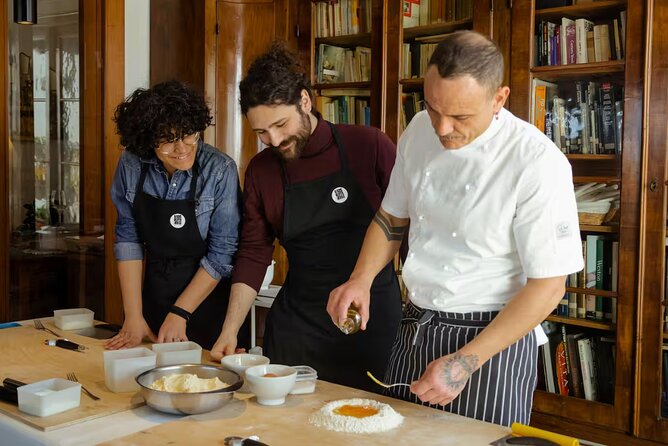
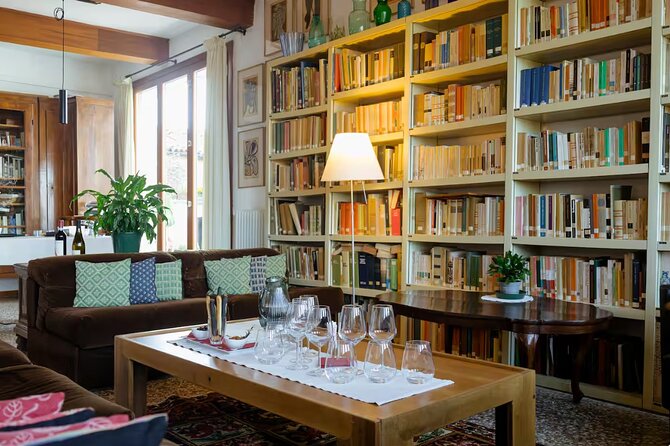
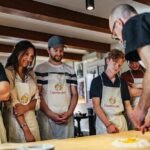
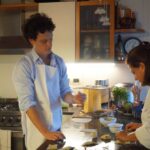
What matters most here is the vibe. This isn’t a factory-style cooking demo. The kitchen is inside a 16th-century Venetian palace, and multiple reviews point out that it feels like a private home: clean, calm, and comfortable enough that you can focus on what you’re doing. One of the strongest themes from the feedback is that the chef keeps things organized while still making it feel relaxed—like dinner plans at someone’s beautifully kept place.
You also get a mobile ticket, and you’ll be done back at the meeting point. That means no awkward “where’s the exit?” stress in a maze of canals.
You can also read our reviews of more tours and experiences in Venice.

The Class Flow: Three and a Half Hours That Actually Builds Skills
The session runs about 3 hours 30 minutes, and for a cooking class, that timing is a sweet spot. Long enough for you to do real prep, short enough that you’re not stuck at a station for the entire evening.
Here’s how the pacing generally works in a class like this:
- You start with technique, not just watching.
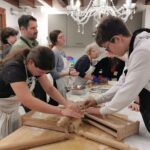
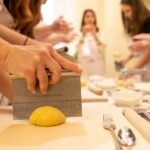
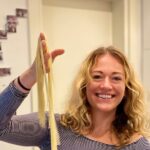
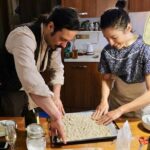
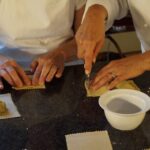
- You roll and shape pasta dough, then help finish your portions.
- You make tiramisù, typically with the kind of step-by-step method that makes it repeatable at home.
- You end by eating what you cooked, family-style, with the room settling into full “let’s slow down and enjoy it” mode.
The big advantage is confidence. Multiple reviews mention that participants left feeling they could reproduce the recipes again. That’s usually because the chef explains the logic behind each step, not just the motions. If you’ve ever tried to follow a recipe later and thought, I’m missing something, this is the kind of class that helps close that gap.
Fresh Pasta in Practice: Hand-Rolled Dough and Restaurant-Level Finishes

The pasta portion is built around hand-rolled pasta and classic sauces made with fresh, local ingredients. You’re not just shaping pre-made noodles—you’re learning how pasta dough behaves and how to work with it.
From the menu examples, you may cook preparations like:
- Tortellini with asparagus, red potato, prawn bisque & grilled king prawn
- Tagliatelle with artichoke cream, crispy guanciale, and fresh truffle
Even if you don’t get exactly that pairing every time, the format teaches the same core ideas: sauce balance, how to keep pasta and sauce in the same rhythm, and how to finish with the right texture (like crispy elements) rather than just more heat.
The “why this matters” part
In Venice, it’s easy to eat pasta that tastes amazing—but learning the structure is what helps you understand why it tastes that way. You’ll see how the dish comes together as a system: pasta texture + sauce thickness + salt/acid balance + final garnish crunch.
Also, a class capped at 12 people matters. In a larger workshop, you can spend time waiting for the station. Here, the chef can spot issues fast—dough too dry, timing off, or sauce not ready when the pasta is.
Tiramisu the Old-School Way: Technique Plus the Recipe You Can Reuse
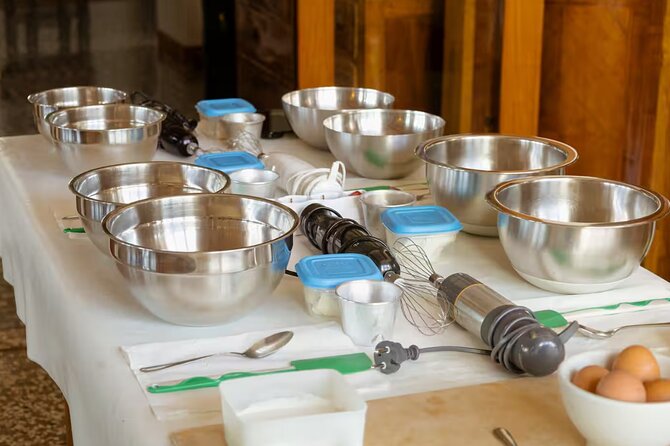
Tiramisu is the headline dessert, and this class uses an original ancient recipe. You’ll make the tiramisù during the session and then finish it so it’s ready to eat as part of the group meal.
What I like about a tiramisù workshop when it’s done well: it forces you to learn the little technical choices that turn it from good to great. The texture depends on timing—how the layers combine, how the cream sets, and how the dessert holds up by the time you serve it.
And here’s the value you’ll actually use later: you get a tiramisù dessert recipe to take home. That’s the difference between eating a perfect dessert that night and being able to recreate it when you’re not standing in the chef’s kitchen.
Multiple reviews also highlight the chef’s communication style—clear steps, patience, and real feedback as people learn. One review specifically calls out Anthea guiding participants through the steps, and that’s exactly the kind of leader who helps you avoid beginner mistakes like rushing the assembly.


Oil Tasting, Homemade Focaccia, Wine, and the Espresso-Limoncello Finish
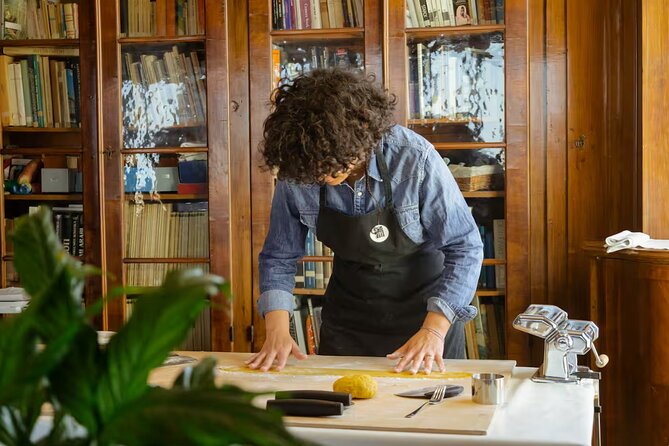
This class comes with more than “snacks while you wait.” You get a full on-course flow that supports the cooking rather than distracting you.
Included items you should expect:
- Welcome snacks
- Oil tasting alongside homemade focaccia
- Mineral water
- Espresso coffee
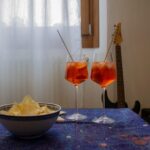
- Homemade limoncello shot
- Wine included: 1 bottle every 4 people
Some reviews also mention prosecco with the meal, which fits the overall tone: the class ends like a dinner, not like a school project.
Why these inclusions are smart
Food classes can go two ways. Either you get a lot of talk and small bites, or you get a feast that helps everything taste better. This one aims for the middle—taste components (like focaccia + oil) early, then wine and dessert at the end.
The espresso and limoncello are especially good “bookends.” They turn the final minutes into a true Venice-style digestif moment—bright, sweet, and a little celebratory. And since you’re eating what you made, you’re not only consuming; you’re comparing your results with what you learned.
Taking Notes for Later: The Pasta Dough Recipe and Two-Dish Advantage
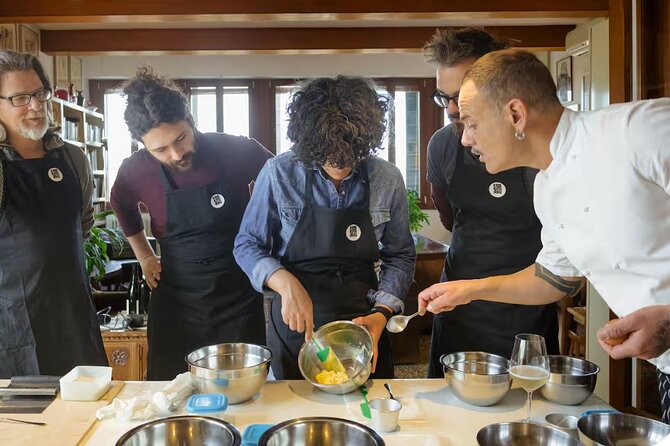
If you want value, look at what you take home.
This class provides:
- A pasta dough recipe to create two different pasta dishes
- A tiramisù dessert recipe
That “two different pasta dishes” detail is a big deal. Pasta dough is the foundation, and once you understand it, you can remix shapes and sauces without starting from scratch. You’re basically leaving with a small home pasta program, not just a one-night trick.
And since you’re learning in Venice—where fresh ingredients and sauce logic are the norm—you’ll likely find the recipes feel practical, not fussy. A good class should make you feel capable with a grocery store schedule, not trapped in a one-ingredient-every-time world.
The People Part: Chef Direction, Laughter, and a Private-Home Atmosphere
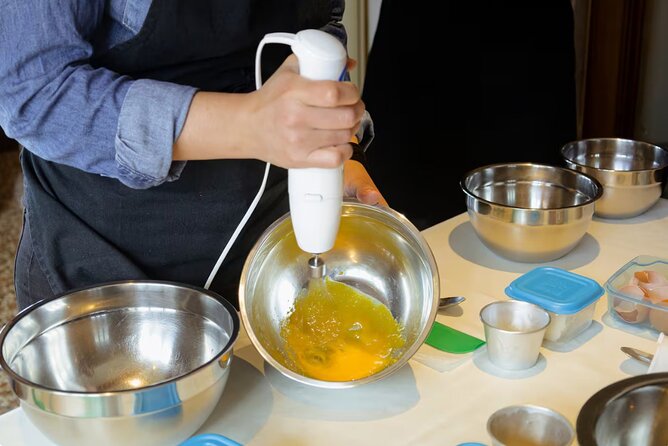
One of the most praised aspects across feedback is the chef’s role. Names that come up include:
- Anthea, praised for guiding the class smoothly, keeping it personal, and helping participants successfully make both pasta and creamy tiramisù
- Mauro, praised as an excellent teacher and chef
The tone described in the reviews is consistent: friendly teaching, clear explanations, and a room that feels comfortable enough to talk while you cook. One review even sums it up as learning, laughing, and sharing stories—something that’s hard to fake in a kitchen.
Small groups also make a difference socially. You’re not dealing with a loud, impersonal crowd. You can ask questions without feeling like you’re slowing everyone down.
Price and Value: Is $96.33 Worth It?
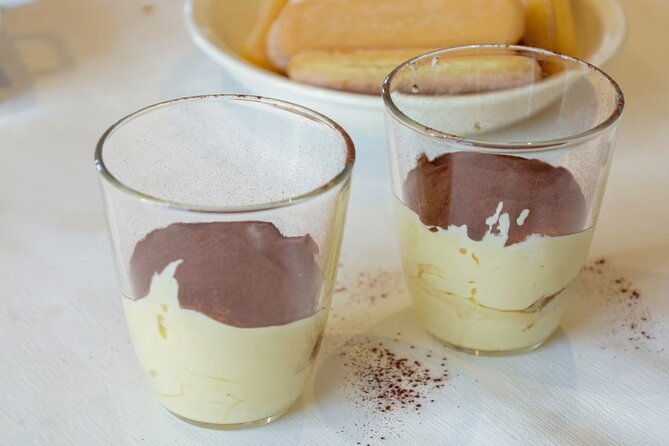
At $96.33 per person, you’re paying for a real cooking experience with multiple built-in costs: chef instruction, ingredients, the venue, and the food/drinks served.
Here’s why it can feel like good value:
- You’re learning two major Italian staples (fresh pasta + tiramisù), not only one.
- You receive take-home recipes—especially useful if you like cooking again later.
- Drinks and dining are included: wine, espresso, mineral water, and a homemade limoncello shot.
- The class has a max of 12 people, which typically means more attention and less waiting.
Is it perfect for every budget? No. If you only want a quick taste and don’t care about cooking steps, you may find cheaper food tours. But if you want a night where you leave with skills and recipes you can use, this lands in the “worth paying for” category.
One thing to know: food experiences sometimes adjust menu ingredients. That won’t always be your ideal version, but if the chef’s explanations and the core techniques are solid, you still gain something you can reproduce.
One Possible Mismatch: When Ingredients Feel Less Personalized
A single lower rating flagged a concern about the pasta proposal feeling too basic compared with what was expected from a prior message, and it noted that coffee at the end would have been appreciated for the price. The provider’s response indicated they were investigating, and they suggested misunderstanding could have happened with a larger group.
What you should take from this:
- Keep an open mind about ingredient specifics.
- The core learning—pasta dough skills and tiramisù assembly—should still be the center of the experience.
- If you have strong preferences or allergies, you’ll want to communicate early (the data you provided doesn’t list dietary accommodations, so your best move is to ask directly when booking).
A cooking class is never a museum. It’s a working kitchen with real logistics, and sometimes that means tiny shifts.
Tips to Get the Most Out of Your Venice Cooking Class
You’ll enjoy this more if you plan for the setting and the hands-on work.
- Wear shoes you can stand in. Venice cobblestones + a kitchen station means comfort matters.
- Arrive with time to settle in. You’re starting at Calle S. Pantalon and you’ll want to get your bearings before the class begins.
- Ask one question early. If dough feels tricky, ask before you’re halfway through—then you won’t have to fix later.
- Treat the tastings as part of the lesson. The oil tasting and focaccia aren’t extras; they train your palate for the flavors you’ll build into pasta and sauces.
- Go with the mindset of making, not just watching. This class works best when you fully participate.
And if you care about the final meal, pace your energy. The best part comes after you cook—when you sit down and taste your own work with the included drinks.
Should You Book This Tiramisu and Fresh Pasta Cooking Class?
Book it if you want:
- A hands-on Venice cooking night with a small group atmosphere
- Fresh pasta skills you can repeat, plus a real tiramisù method
- Included dining that feels like a dinner, with wine, espresso, and limoncello
Skip or rethink it if:
- You’re only looking for a tasting experience and don’t care about cooking steps
- You expect the exact menu ingredient list to match perfectly day to day (possible, but not guaranteed)
For most people, this is a strong value choice: you’re paying for instruction, ingredients, recipes, and a complete evening meal in a historic Venetian palace setting.
FAQ
How long is the Tiramisu and Fresh Pasta Cooking Class?
It lasts about 3 hours 30 minutes.
Where is the meeting point?
The class starts at Calle S. Pantalon, 3707, 30100 Venezia VE, Italy.
What’s the group size?
The class has a maximum of 12 travelers.
Is the class offered in English?
Yes, it’s offered in English.
What dishes are included?
The class includes making fresh pasta (hand-rolled) and tiramisu. The sample menu includes options like tortellini with seafood-based sauce and tagliatelle with artichoke cream and crispy guanciale.
What food and drinks are included?
You’ll get welcome snacks, mineral water, espresso coffee, a homemade limoncello shot, and wine (1 bottle every 4 people). There’s also an oil tasting with homemade focaccia.
Do you receive recipes to take home?
Yes. You receive a pasta dough recipe to make two different pasta dishes, and a tiramisu recipe.
Is free cancellation available?
Yes. You can cancel up to 24 hours in advance for a full refund.