REVIEW · SICILY
Cesarine: Home Cooking Class & Meal with a Local in Palermo
Book on Viator →Operated by Cesarine: Cooking Class · Bookable on Viator
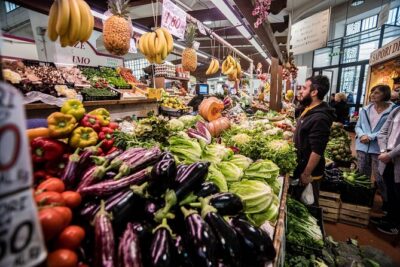
A real Palermo kitchen, in 3 hours. You’ll cook three Palermitan dishes in a local’s home, then sit down with red or white wine. I love the hands-on structure (not just watching) and the fact that hosts like Rosa Maria, Pina, and Alice focus on technique and real local habits. One possible drawback: it’s still an apartment kitchen, so on hot days you’ll want to dress for heat.
What makes this a smart food stop is the value of the setting. You’re not squeezed into a restaurant with a crowd; it’s private, and you eat what you make. I also like the small extras that make it feel like a true Palermo souvenir experience: an apron and a shopping bag.
The menu centers on fresh pasta and classic desserts, with starter based on the season. If you prefer vegetarian options, you might be able to get dishes adjusted to your taste, since some hosts actively tailor what you cook. Still, the exact dishes can vary, so don’t plan your night like it’s a guaranteed specific recipe list.
In This Review
- Key Things That Make This Palermo Cooking Class Worth It
- A Private Home in Palermo: Why the Setting Matters
- What You’ll Cook: The 3-Dish Meal Plan (and What Can Change)
- The Pasta Part: Where You Actually Learn Palermo Technique
- Starter and Dessert: Seasonal Bites and Sweet Finishes
- Wine at the Table: A Real Meal, Not a Tasting Booth
- Meeting Point and Timing: How to Keep It Stress-Free
- Price and Value: Is $174.22 a Good Deal?
- Who This Palermo Class Fits Best (and Who Might Skip It)
- Practical Tips Before You Go (Do These and You’ll Thank Yourself)
- Should You Book Cesarine’s Palermo Home Cooking Class?
- FAQ
- How long is the Palermo home cooking class?
- How much does it cost per person?
- Is the class private?
- What language is the class offered in?
- What do you cook during the class?
- Is wine included?
- What do you receive as souvenirs?
- Where does the experience start and end?
- Is it near public transportation, and are service animals allowed?
- What is the cancellation policy?
- Final Take: What You’ll Likely Remember Most
Key Things That Make This Palermo Cooking Class Worth It
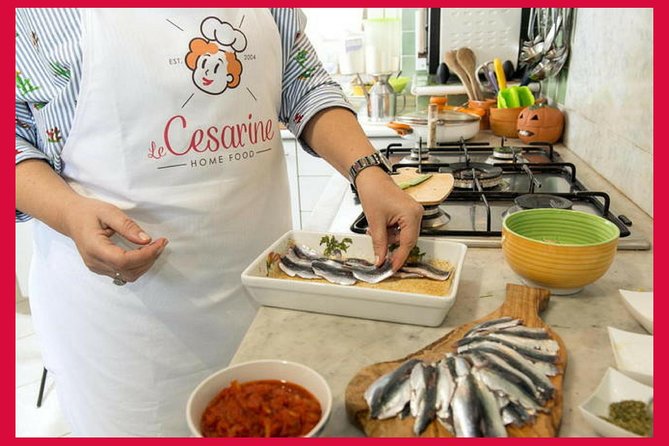
- Private home setting, not a studio: the vibe stays intimate and you get more attention than you would in a big class.
- 3 dishes + wine: you leave full, not just with a few bites and recipes you never get to cook.
- Palermitan classics as your roadmap: think Pasta alla Norma and other well-known favorites from the city.
- Hosts who teach process, not just ingredients: you’ll learn how things come together step by step.
- Take-home keepsakes included: apron and shopping bag help you remember the night in a practical way.
- Some classes include extras beyond the core meal: you may be offered small Sicilian treats like limoncello or cherry liqueur.
A Private Home in Palermo: Why the Setting Matters
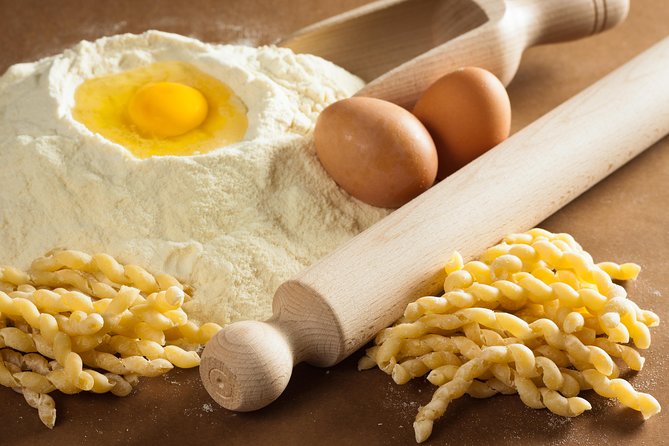
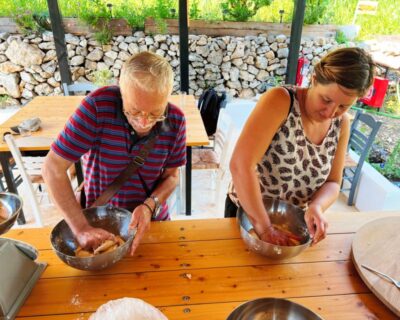
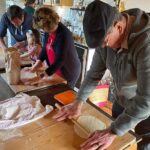
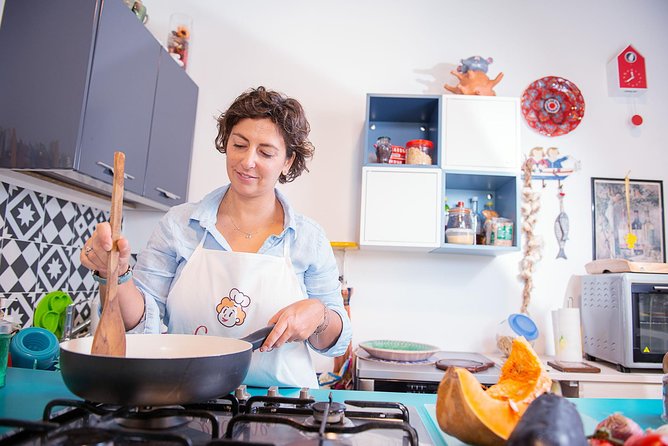
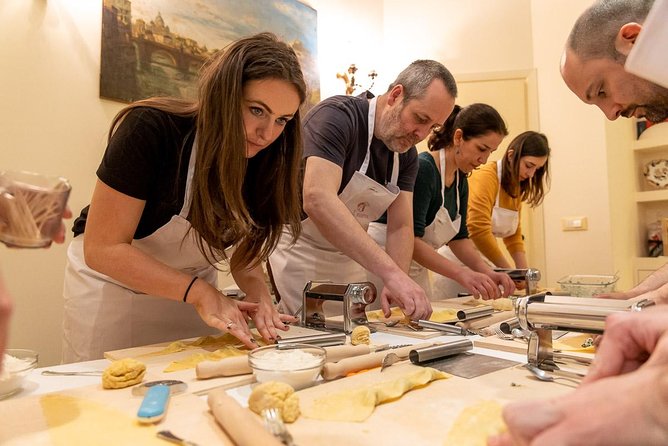
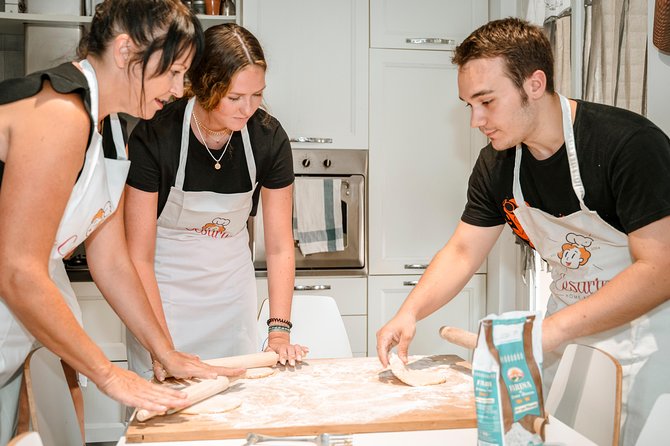
This experience is built around one simple idea: learning happens faster when you’re in the middle of the cooking. In a Palermo apartment kitchen, you’re close to ingredients, tools, and real cooking rhythms. It feels more like being invited for dinner and a lesson than joining a ticketed activity.
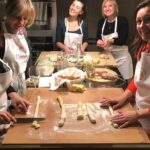
You’ll be with only your group, which changes everything. In a small class, you can ask questions without waiting your turn. It’s also easier to adjust for your pace, especially when it comes to pasta timing and getting sauces to the right texture.
The location is convenient for city access too. It starts at the Metropolitan City of Palermo area and ends back where you started, so the evening doesn’t turn into an extra transportation puzzle.
You can also read our reviews of more tours and experiences in Sicily.

What You’ll Cook: The 3-Dish Meal Plan (and What Can Change)
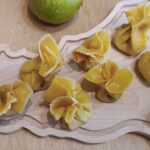
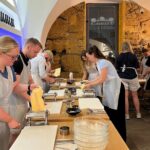
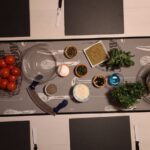
You can expect a starter, fresh pasta, and a Palermitan dessert. Even better, you don’t just sample. You cook your dishes and then eat them together as your meal.
The exact items can shift depending on season and your host’s choices, but the core Sicilian direction stays clear. Starter is described as seasonal. Pasta is fresh and can include well-known Palermitan options like Pasta con le sarde, spaghetti with tuna-roe, or Pasta alla Norma. Dessert could be cannolo siciliano, gelo di limone, cassata, tiramisu, or something similar and local.
Here’s the practical takeaway for planning: this is best if you’re flexible and happy to learn whatever Sicilian specialties your host is making that day. If you need one specific dish on the menu for a food obsession, message your host in advance and ask what they’re likely to cook.
The Pasta Part: Where You Actually Learn Palermo Technique
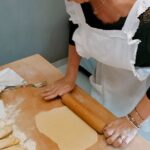
Pasta is the centerpiece, and it’s where the class tends to feel most useful. Fresh pasta isn’t hard to follow, but the process matters. You’ll work through the steps that make the difference between decent pasta and pasta that tastes like Sicily.
If your class includes Pasta alla Norma, you’re in for a classic Palermitan experience: eggplant-forward comfort with a sauce built to cling. If you get a tuna-roe option, you’ll see how Palermo flavors can lean deep and salty while still tasting balanced. With seafood or vegetarian-friendly variations, the theme stays the same: you learn how the sauce is built, not just what ingredients go in.
One of the big reasons people rate this so highly is the focus on technique. Hosts such as Rosa Maria and Francesco are known for explaining the process clearly, so you understand what you’re doing as you do it. That makes the meal more than a one-night show.
Starter and Dessert: Seasonal Bites and Sweet Finishes
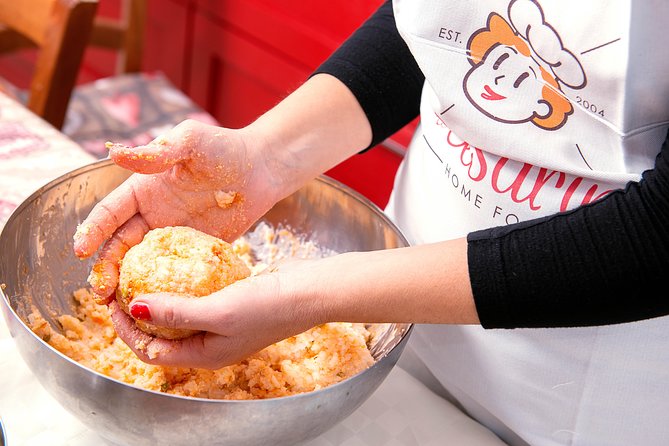
Your starter is listed as seasonal, so it might be lighter or more substantial depending on what’s fresh. The point is still the same: you begin with local flavor, not just a filler course before pasta.
Dessert is where Palermo’s identity shows. Expect Sicilian-style sweetness, with options like cannolo siciliano (a must for many visitors), gelo di limone (lemon-forward and refreshing), cassata (richer, more decadent), or tiramisu-like classics when hosts adapt what they consider typical. If you like desserts but get tired of heavy repetition, you’ll probably enjoy the variety here. Hosts often aim for something that feels special, not generic.
From what’s been shared about these classes, dessert frequently feels like its own lesson. Some hosts also prepare dessert for you during the class flow, so you get the teaching and the payoff without spending the entire session in the sweetest corner of the kitchen.
Wine at the Table: A Real Meal, Not a Tasting Booth
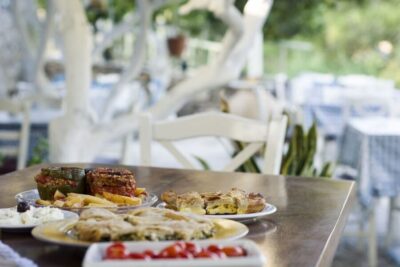
You’ll eat your dishes with a glass of local wine, either red or white. This matters for two reasons. First, it turns the experience into a proper shared meal. Second, Sicilian wine is often a perfect match for the flavors you’re cooking, especially tomato sauces, seafood pasta, and dessert spice notes.
A few hosts go a step further with small extras. You might be offered something like a house cherry liqueur or limoncello. I’d treat those as welcome bonuses rather than guaranteed parts of your ticket, but it’s a good sign that the evening tends to feel personal and celebratory.
Meeting Point and Timing: How to Keep It Stress-Free
The class starts at the Metropolitan City of Palermo area and ends back at that same meeting point. That loop matters because you’re not stranded after eating a full Sicilian meal. Plan to be on time. In home classes, late arrivals can ripple through dinner schedules.
Duration is about 3 hours. That’s a realistic window for starting, cooking, eating, and clearing out. You should expect the work to be active but manageable. If you hate slow pacing, this timeframe generally feels like a sweet spot.
Also consider the weather and kitchen conditions. One reason this experience gets mentioned with warmth is simply because Palermo can be hot, and apartment kitchens can be warm even without a dramatic heat wave. Dress light, bring a good attitude, and don’t assume the kitchen will feel like a refrigerated demo room.
Price and Value: Is $174.22 a Good Deal?
At $174.22 per person, this isn’t a budget activity. But it’s also not a rushed tasting.
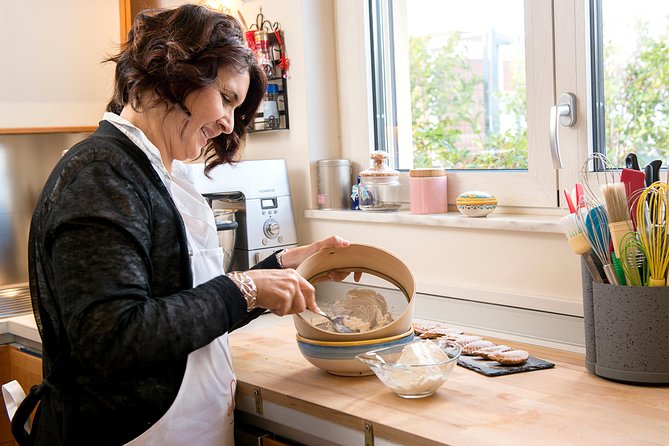
What you’re paying for is three things. You get a private class in someone’s home, you cook multiple full courses, and you include wine. The included apron and shopping bag add a souvenir value angle that’s actually useful, not just a decorative sticker.
If you compare it to food tours that mostly involve short tastings and walking, this often wins for people who want a hands-on skill and a real meal. If you’re traveling solo and enjoy spending money on experiences that feel personal, it can also be worth it. If you only want a light snack and you’d rather save cash for Palermo street food, you might feel the price more than the payoff.
My practical rule: book it if cooking and eating the results is your goal. Skip it if you mainly want photos and a quick taste.
Who This Palermo Class Fits Best (and Who Might Skip It)
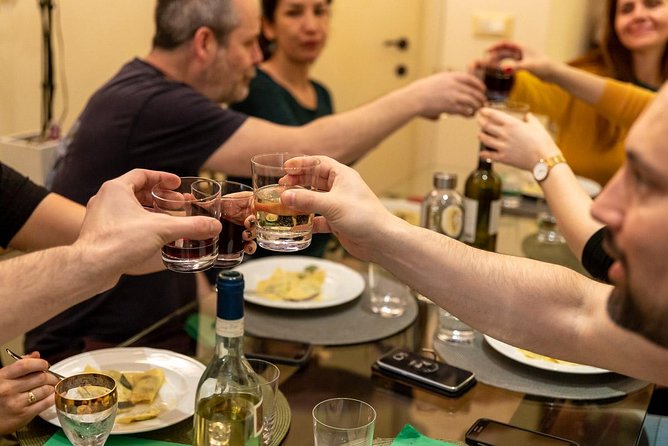
This experience fits couples, friends, and families who like learning by doing. It’s also great if you want to see Palermo through food habits instead of just sightseeing stops.
If you’re traveling with kids, this can work surprisingly well. Some hosts have adapted for little ones during the class flow, including having a dish set aside. Still, since it’s a home setting, don’t expect it to run like a theme park, with everything engineered for strollers and nap schedules.
If you’re a vegetarian, you might still be happy here. Some classes have included vegetarian-focused dishes for all participants, and at least one host is known for tailoring the menu to personal taste. Message your dietary needs ahead of time so your host can adjust well.
If you hate being in a kitchen and prefer eating out, you’ll probably find this less fun. This is not a spectator activity.
Practical Tips Before You Go (Do These and You’ll Thank Yourself)
First, message in advance with your preferences. Hosts have been described as eager to respond to requests, so you can help shape the meal toward what you like.
Second, plan to eat. Bring an appetite. The course structure includes starter, pasta, and dessert. Add wine and you’ll likely want the rest of your evening to be easy.
Third, dress for comfort. You’re cooking in a home kitchen, not a formal classroom. Wear something you don’t mind getting a little food-scented by the end.
Fourth, enjoy the conversation side of it. Several hosts are known for warmth and friendly engagement, and the best part of the class can be the talk over the meal. If you go in expecting only recipes, you may miss the social magic.
Should You Book Cesarine’s Palermo Home Cooking Class?
I think this is an excellent choice if you want a real Palermo meal and you like learning how to make it. The private setup, the 3-course structure, and the fact that you cook (not just taste) make it feel like better value than many food experiences that only give you a few bites.
Book it if:
- you’re excited about Sicilian classics like Pasta alla Norma and cannoli
- you want a guided, hands-on evening in a local’s home
- you like the idea of wine with your meal and taking home a practical souvenir
Consider skipping or swapping to something else if:
- you don’t enjoy cooking at all
- you’re strict on budget and just want to sample a few foods
- you need a guaranteed exact dish list for every course
If you fit the first set, this is the kind of Palermo evening you’ll remember while you’re eating pasta at home months later.
FAQ
How long is the Palermo home cooking class?
It runs for about 3 hours.
How much does it cost per person?
The price is $174.22 per person.
Is the class private?
Yes. It’s a private tour or activity, so only your group participates.
What language is the class offered in?
It’s offered in English.
What do you cook during the class?
You learn to make 3 Sicilian dishes: a seasonal starter, fresh pasta (with examples like Pasta con le sarde, spaghetti with tuna-roe, or Pasta alla Norma), and a Palermitan dessert (examples include cannolo siciliano, gelo di limone, cassata, tiramisu, or similar typical desserts).
Is wine included?
Yes. Your meal is accompanied by a glass of local wine (red or white).
What do you receive as souvenirs?
You get an apron and a shopping bag.
Where does the experience start and end?
It starts at the Metropolitan City of Palermo, Italy and ends back at the same meeting point.
Is it near public transportation, and are service animals allowed?
It’s near public transportation, and service animals are allowed.
What is the cancellation policy?
You can cancel for free up to 24 hours in advance for a full refund. Less than 24 hours before the start time is not refundable.
Final Take: What You’ll Likely Remember Most
For me, the big win is simple. You leave Palermo with both a full stomach and a clear sense of how Palermitan food is built course by course. If you want a home-meal experience that feels personal and practical, this one is a strong bet.