REVIEW · SICILY
Small Group Market tour and Cooking class in Ragusa
Book on Viator →Bookable on Viator
Ragusa tastes like a family table. This experience pairs a market hunt for seasonal ingredients with a hands-on cooking class focused on handmade pasta and Sicilian desserts.
I love that you start by choosing real ingredients you can point to. I also love that the lesson isn’t theory; it’s hands-on food-making in a welcoming home.
One thing to consider: this is an active 5-hour block, not a slow museum-style outing. If you’re after lots of wandering time or quiet sightseeing, plan to go easy afterward.
The hosts matter here. Many people remember Salvina (and sometimes Angelo) for making the day feel relaxed and personal, even while you’re learning proper techniques.
In This Review
- Key highlights you’ll feel on the day
- Ragusa’s market shopping: where the day gets real
- Getting to the home kitchen: the Salvina and Angelo factor
- Handmade pasta lesson: ravioli and more by hand
- Pasta sauces and the thinking behind Sicilian comfort food
- Tiramisu demo and the sweet finish with wine
- Timing, group size, and how the day flows (about 5 hours)
- Price and value: $172.48 per person that includes real food-making
- Getting the logistics right: meeting point and mobile ticket
- Who should book this Ragusa cooking + market experience
- Should you book it? My honest take
- FAQ
- FAQ
- How long is the Ragusa market and cooking class?
- What is the group size limit?
- How much does it cost?
- What happens at the market?
- What will I learn to make during the cooking class?
- Does the class include ingredients and tasting?
- Where does the tour start and end?
- Do I need a physical ticket?
- Can I cancel for a full refund?
Key highlights you’ll feel on the day
- Market time that actually matters: pick seasonal produce and cheese before you cook
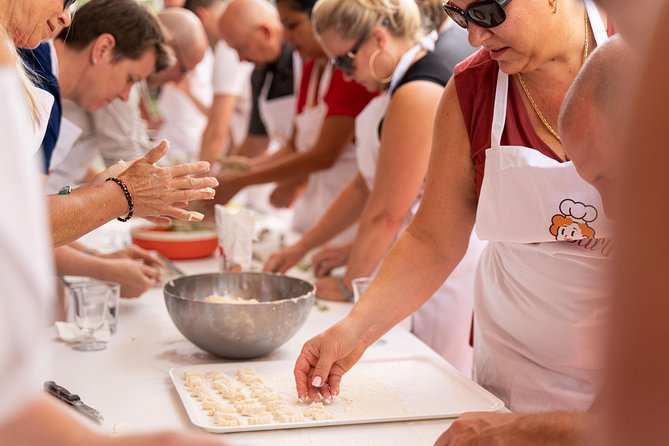
- Hands-on pasta skills: learn ravioli (and another pasta) made by hand
- Sauce and dessert lessons: pasta sauces plus tiramisu are part of the plan
- Small-group energy: capped at 12 people, so you’re not lost in a crowd
- A proper sit-down tasting: everything you make gets tasted with wine
Ragusa’s market shopping: where the day gets real
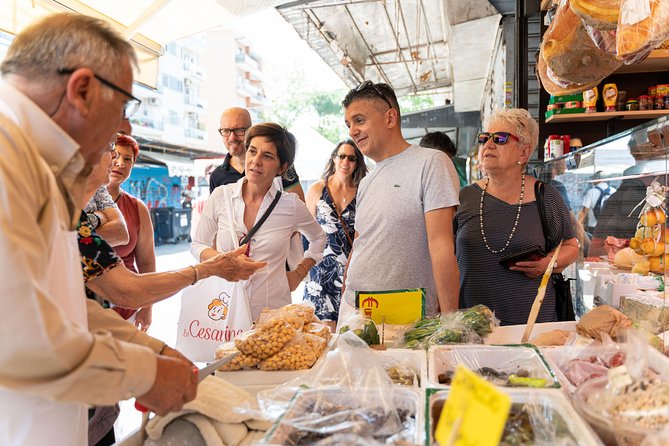
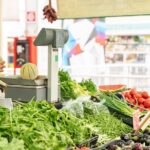
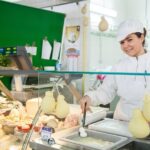
The day starts in Ragusa, near public transportation. You’ll gather at 97100 Ragusa and meet the group before heading into the market experience. The big idea is simple: don’t rely on a grocery list. You select the ingredients that will drive the flavors of your meal.
What I like about starting here is that the market gives you a quick education in local cooking logic. You learn what’s seasonal, what looks good that day, and what ingredients pair well with pasta and sweets. In the reviews, people specifically called out shopping for fresh cheese and produce, which tells me the market stop isn’t just a photo break.
Another practical upside: you won’t be stuck guessing amounts or searching for obscure items. The experience is built so you don’t have to “source” anything. The market step is about choosing and understanding ingredients, not hunting around on your own.
Small tip for you: wear clothes you can move in. Market sidewalks can be uneven, and you’ll likely handle ingredients as you talk with the group and seller/vendor stops.
You can also read our reviews of more tours and experiences in Sicily.

Getting to the home kitchen: the Salvina and Angelo factor
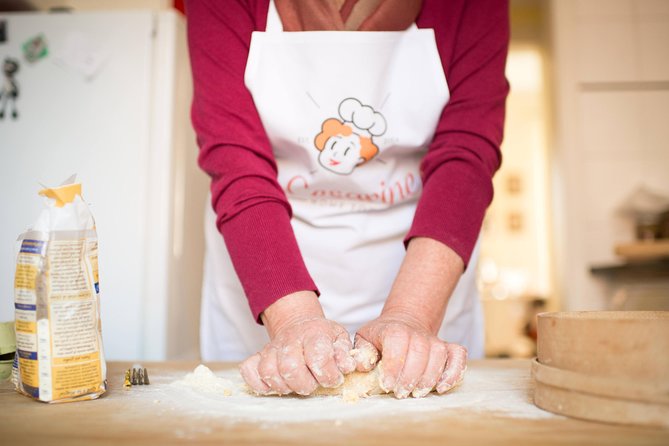
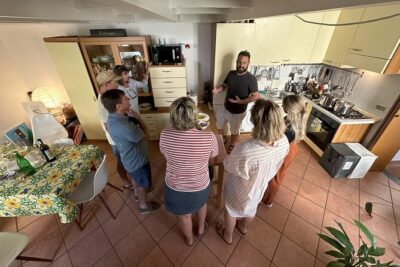
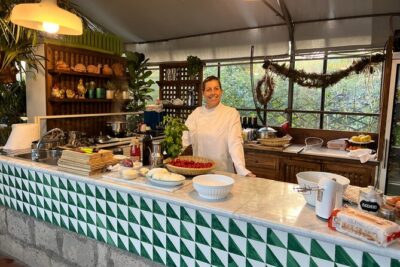
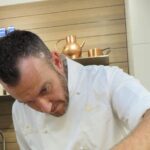
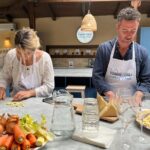
After the market, you move to your teacher’s home. This is a key difference from cooking classes that feel like a studio with numbered seats. Here, you’re invited into someone’s space and routine, which changes the vibe fast.
In the reviews, people described Salvina (and Angelo in at least one account) as especially welcoming. That matters because cooking classes can feel stressful if the host is rushed or distant. When the day feels friendly, you learn better. You also taste more mindfully during the final session because you’re not just trying to finish.
You’ll watch demonstrations and then cook. The structure keeps things manageable: you get instruction, then you get your hands in there. Reviews mention that the group drove out to a home in the country or a farmhouse just outside Ragusa. That’s part of the charm, but it also explains why the overall time is about 5 hours. This isn’t a quick “hands-off” workshop.
If you’re hoping for a super structured, industrial “chef show,” this isn’t that. It’s more personal. You’ll want to be open to questions and conversation.
Handmade pasta lesson: ravioli and more by hand
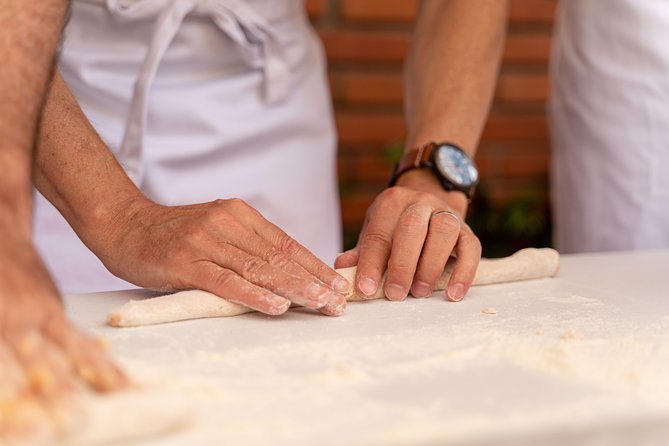
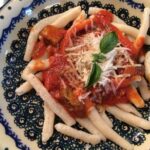
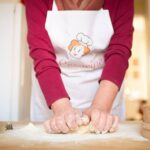
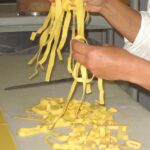
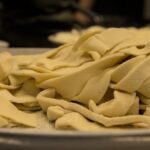
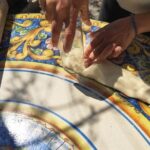
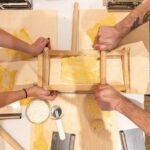
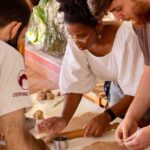
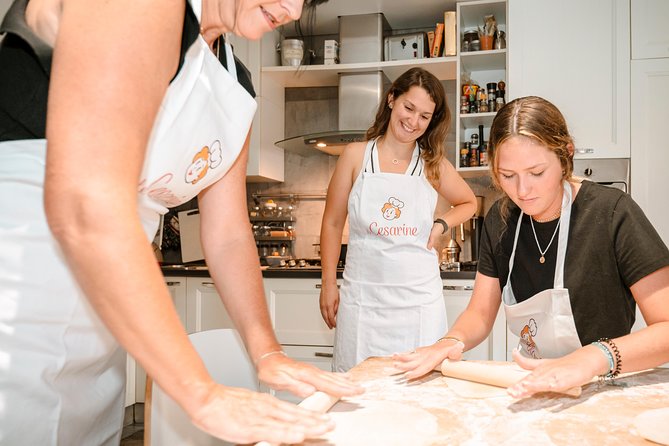
The heart of the class is the pasta. You’ll make ravioli and another pasta by hand, and you’ll also learn about sauces. Reviews highlight that people learned how to work the dough and form pasta, not just assemble plates.
That detail is important. Homemade pasta is one of those skills that sounds romantic but can be intimidating. The best classes make it feel doable. Here, the lesson format helps: you’ll see demonstrations first, then you’ll do the steps yourself.
Here’s what you should expect in terms of payoff:
- You’ll learn how pasta comes together in real life, including shaping and handling dough.
- You’ll connect the pasta type to what goes with it, since sauces are part of the process.
- You’ll finish with something you can genuinely say you made, not just ate.
One possible drawback: because it’s hands-on, you’ll be busy. There’s not much time to “hang back” and just observe. If you’re someone who likes slow, observational activities, consider that you’ll be working through dough and steps for much of the morning/afternoon block.
Still, this is exactly why the experience scores so highly. The pasta isn’t treated like a checkbox. It’s treated like the main event.
Pasta sauces and the thinking behind Sicilian comfort food
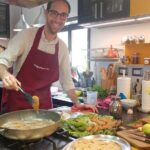
The cooking doesn’t stop at shapes. You’ll work with two different pasta sauces, based on what the class is preparing for the meal. That’s a smart approach because it teaches more than one flavor direction in one sitting.
When you learn sauces alongside the pasta, you start to understand the practical logic behind Italian meals:
- Pasta is a delivery system for sauce.
- Sauce choices affect texture and how the dish feels on the fork.
- A homemade meal tastes different because the whole workflow is coordinated.
In a good cooking class, you leave with mental “handles” you can reuse later. Even if you never replicate the exact recipe at home, you’ll have a better sense of how cooks build flavor in stages.
What you should do: pay attention during the sauce steps. These are often where people rush at home because they’re cooking from memory. Seeing someone guide you through it once can make you more confident later.
Tiramisu demo and the sweet finish with wine
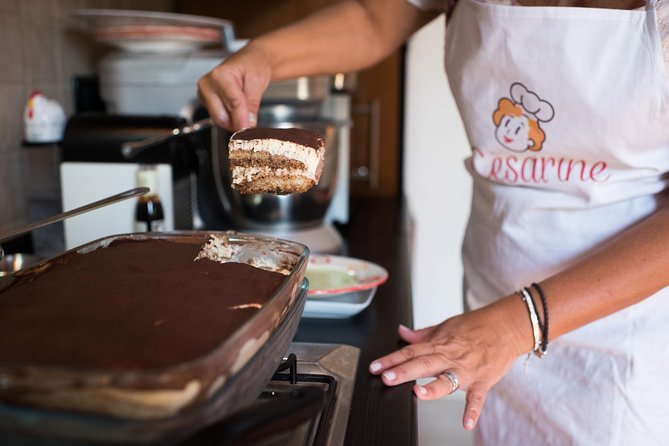
The class includes both savory cooking and dessert. You’ll watch how to make tiramisu, then enjoy it as part of the meal tasting.
Tiramisu is a perfect dessert for a class setting because it teaches method. Even if you’ve eaten it a hundred times, the process has steps that change the texture and feel. With a guided class, you can understand why it’s built the way it is.
Then comes the best part: you taste what you made. The experience includes a tasting session of everything prepared, and it’s accompanied by wine. That turns the day from a workshop into an actual meal experience.
If you’re worried about leaving hungry, don’t. The format is built around eating what you produce. You’ll likely end your class with that satisfied, I-can’t-believe-I-made-that energy.
One practical thought: wine is included with the tasting. If you’re planning a longer evening out afterward, keep your next stop close and simple.
Timing, group size, and how the day flows (about 5 hours)
This is a 5-hour experience and it ends back at the meeting point in Ragusa. The maximum group size is 12 travelers, which keeps the class from feeling crowded or rushed.
That small cap matters more than it sounds. In a class of 25, you end up waiting and watching. In a class of 12, you have time to ask questions and to actually do the steps without feeling like you’re constantly behind.
Because the day includes:
1) meeting and market shopping,
2) cooking at a home location,
3) demonstrations and hands-on making,
4) tasting with wine,
you should expect it to move steadily. It’s not “stop-and-start” like some tours. It’s one continuous block with a clear rhythm.
Good prep for you: plan a relaxed schedule before and after. You’ll get the most out of it when you’re not rushing to transfer to something else right away.
Price and value: $172.48 per person that includes real food-making
At $172.48 per person, you’re paying for more than a recipe card. The experience includes:
- guided market time for selecting ingredients
- a hands-on cooking lesson at a local home
- demonstrations for local pasta and tiramisu
- all ingredients provided (so you don’t have to source items)
- a tasting session with wine
That’s the real value angle. If you tried to do this on your own, you’d pay for ingredients, kitchen time, and instruction—or end up with a mess and a very sad sauce.
This is also the kind of activity where you’re not just consuming culture. You’re participating in it. That tends to be worth paying for, especially in a place like Sicily where food is tied to daily life.
If you’re traveling with a group or family, it can also be a great “one-day splurge” that feels meaningful without needing a whole multi-day itinerary.
Getting the logistics right: meeting point and mobile ticket
The start is 97100 Ragusa, Free municipal consortium of Ragusa, Italy, and you return there at the end. The experience uses a mobile ticket, and you’ll receive confirmation at booking time.
It’s also described as near public transportation, which is helpful if you’re not renting a car. Still, expect at least some driving from the market to the home kitchen since the class happens at the teacher’s house.
My practical advice: check how you’ll get to the meeting point ahead of time, then give yourself a little extra buffer. Ragusa has its charms, but streets can be easier to navigate when you’re not sprinting.
If you have dietary restrictions, the data doesn’t specify menus or substitutions. When you book, it’s smart to ask what can be accommodated.
Who should book this Ragusa cooking + market experience
This tour is a great fit if you:
- like Italian food and want to learn the craft, not just eat it
- enjoy market browsing and want ingredients chosen in real time
- want a small-group day (max 12) instead of a big group crowd vibe
- want a full experience ending in a sit-down tasting with wine
It might be less ideal if you:
- want a slow day with long sightseeing breaks
- don’t want to get hands-on with dough and cooking steps
- prefer purely restaurant meals over learning and preparation
Overall, it’s a strong choice for visitors who want something authentic and practical. You’ll leave with technique, confidence, and a meal you can actually remember because you made it.
Should you book it? My honest take
Yes, I’d book it if your travel style includes food learning and small-group experiences. The market-and-cooking combination is efficient, and the day is built around doing real cooking, not just watching.
The reviews also point to the human side: Salvina (and Angelo in at least one account) are remembered for being welcoming, which can make the difference between a forgettable class and a day you keep talking about.
Choose this when you want one Sicilian day that feels like it belongs to Ragusa, not to a generic tour schedule.
FAQ
FAQ
How long is the Ragusa market and cooking class?
It lasts about 5 hours.
What is the group size limit?
The experience has a maximum of 12 travelers.
How much does it cost?
It’s listed at $172.48 per person.
What happens at the market?
You shop for local seasonal ingredients before cooking.
What will I learn to make during the cooking class?
You’ll learn how to make local handmade pasta and tiramisu, and you’ll also prepare sauces.
Does the class include ingredients and tasting?
Yes. Everything you need is provided, and you’ll finish with a tasting session of what you prepared, accompanied by wine.
Where does the tour start and end?
It starts in Ragusa (97100 Ragusa area) and ends back at the meeting point.
Do I need a physical ticket?
You’ll use a mobile ticket.
Can I cancel for a full refund?
Yes. You can cancel up to 24 hours in advance for a full refund, and cut-off times are based on local experience time.