REVIEW · SICILY
Palermo: Pasta & Gelato Cooking Class in Palermo
Book on Viator →Operated by Towns of Italy · Bookable on Viator
A good pasta class should leave you with dinner skills. This Palermo pasta and gelato lesson gives you hands-on dough work, then pairs it with a gelato session plus a proper meal. It is practical, friendly, and you come away with a recipe booklet you can actually use.
I especially love that you make pasta from scratch under a real chef’s eye, not just watch. I also like the gelato part, because you learn the ingredients and technique, plus how the chef thinks about finding great gelaterias while you’re traveling.
One thing to plan around: this isn’t suitable for celiacs. If anyone in your group needs gluten-free, you’ll want to choose something else.
In This Review
- Key highlights
- Palermo pasta and gelato: the real “why” of this class
- Where you meet and how the cooking school setup helps
- The pasta lesson: egg dough, two shapes, and what to watch for
- Sauce pairing with seasonal ingredients: how to think like a Sicilian cook
- Gelato demo while the dough rests: craft, not just dessert
- The meal moment: wine pairing and a relaxed finish
- What you take home: digital recipes that actually help
- Vegetarian needs and the gluten reality you should know
- Price and value: is $60.95 worth it?
- Optional market tour: when it’s worth adding
- Who should book this Palermo cooking class
- Quick tips to get more out of your 3 hours
- FAQ
- How long is the Palermo pasta and gelato cooking class?
- Is the class offered in English?
- What’s included in the meal?
- Are there vegetarian options?
- Is the class suitable for celiacs?
- Do I get recipes to take home?
- How early should I arrive, and is it a small group?
- Should you book this Palermo pasta and gelato class?
Key highlights
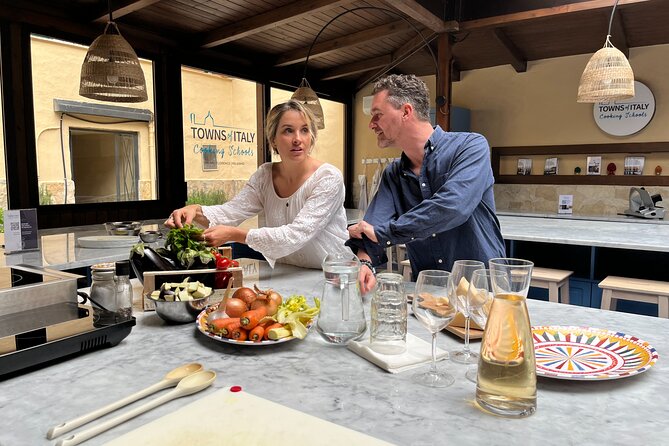
- Small group size (max 20) keeps the class hands-on instead of crowded
- Learn egg pasta dough technique and make two traditional pasta types
- You get seasonal sauces that show you how to think about flavor, not just follow steps
- Gelato demo includes history, ingredients, and technique, plus tips for picking top gelaterias
- You leave with a digital recipe booklet and a graduation certificate
- Vegetarian options are available if you tell them in advance
Palermo pasta and gelato: the real “why” of this class
If you’ve ever eaten pasta in Italy and thought, I could make this, then this is the kind of class that helps you do it. Not because the chef gives you magic formulas. Because you practice the basics in a setting that feels doable, with the right tools, ingredients, and guidance.
This works well in Palermo because it is tied to everyday Sicilian food habits: egg pasta dough you can shape, sauces that match what is fresh, and gelato that is treated like real craft. You’re not just learning one dish. You’re learning a method you can repeat.
The pace also makes sense. You tackle pasta work first, then while your dough rests, you shift to gelato. That flow keeps you from feeling rushed and helps the class hit the 3-hour mark without dragging.
You can also read our reviews of more tours and experiences in Sicily.
Where you meet and how the cooking school setup helps
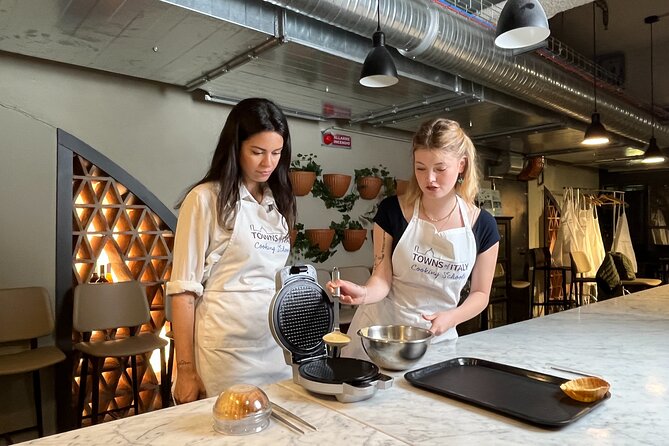
You’ll meet at Towns of Italy’s Tourist Hub & Cooking School at Via Volturno, 44, 90138 Palermo. It’s set up for visitors, and it’s near public transportation, which matters in Palermo where you’ll mix walking with transit.
Show up at least 15 minutes early. The class does not accommodate latecomers, so plan buffer time if you’re arriving from another neighborhood. The mobile ticket also makes it easier to get in quickly.
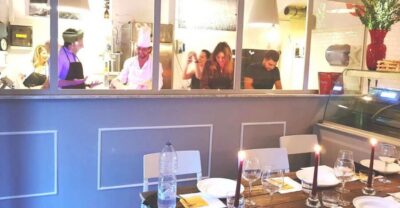
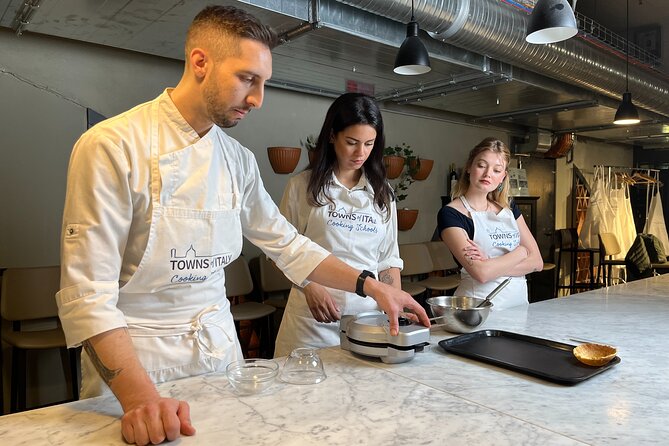
In the kitchen, you should expect a proper cooking-class setup: aprons and utensils are provided. That sounds minor, but it lowers friction. You can focus on technique instead of wondering what to bring or where to store things.
The pasta lesson: egg dough, two shapes, and what to watch for
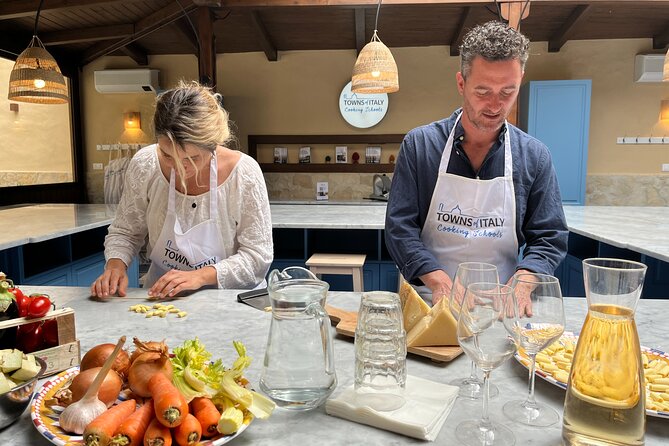
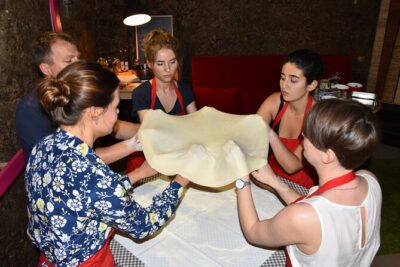
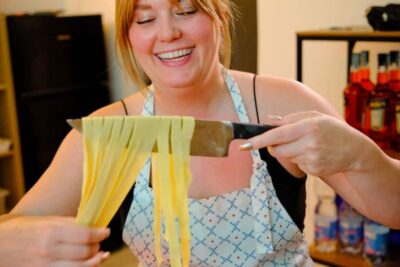
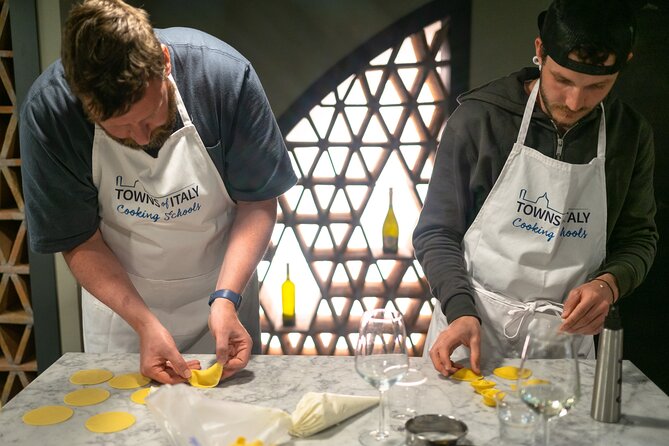
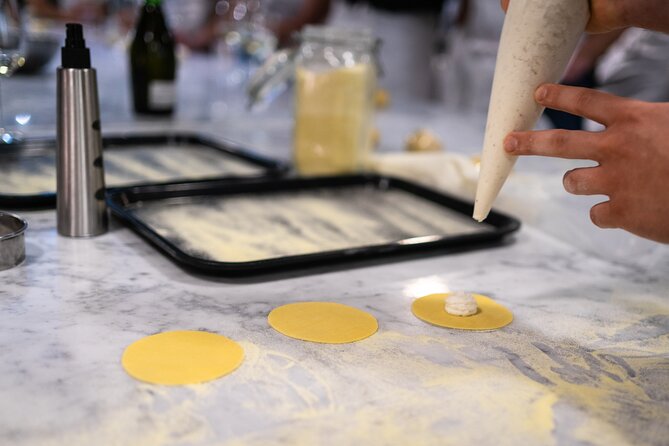
The heart of the experience is the pasta workshop. You’ll learn to make egg pasta dough from scratch, guided by the chef team. The goal is simple: you should leave knowing how to handle the dough, shape it, and understand why it behaves the way it does.
Here’s what you’ll likely notice as you work:
- Egg dough takes practice in texture. When it’s right, it feels workable, not sticky and not dry.
- Shaping matters more than most people expect. Your hands learn the “feel” faster when someone is correcting you right away.
- Resting is part of the process. Even if you’re eager to cook immediately, the class builds in that pause so the dough turns out better.
You will create two traditional pasta types during the workshop. The chef keeps it interactive, so you’re doing the work, not just standing near it. And because the group size is capped at 20, you usually get enough attention to fix common mistakes.
If you’re bringing kids, this is also a good format. The lesson is active, the steps are broken into understandable chunks, and you’re making something you can taste soon after.
Sauce pairing with seasonal ingredients: how to think like a Sicilian cook
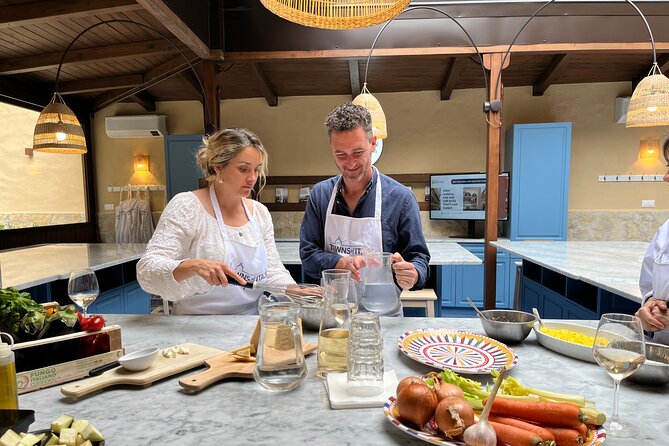
Making pasta is one thing. Making it taste Italian is another. That’s where the sauces come in.
You’ll pair your two pasta types with two fresh, seasonal sauces. Even though you might not remember every ingredient detail later, you can carry the chef’s method: matching sauce weight to the pasta shape, building flavor by using what’s at its best, and tasting as you go.
This is one reason the class feels more valuable than a quick tasting. The sauces aren’t just an add-on. They teach you how to balance richness, acidity, and seasoning so you can re-create the dishes at home without guesswork.
Gelato demo while the dough rests: craft, not just dessert
While your pasta dough rests, you’ll switch gears to a gelato-making demonstration. This is not a long lecture. It’s designed to keep you moving and curious.
You’ll learn:
- The history and traditional ingredients behind gelato
- The techniques that affect texture and creaminess
- Tips for finding great gelaterias during your travels in Italy
This part is great if you love dessert but also want a reason for why it tastes different. Gelato is often treated as an afterthought at home. In the demo, you get a clearer picture of what makes it gelato rather than just ice cream.
And it’s also a smart pacing trick: you get variety without losing momentum. By the time you return to pasta and sauce, your appetite is built and your head is still in food-learning mode.
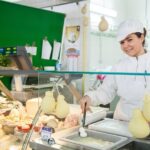
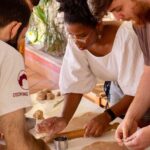
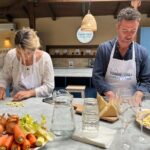
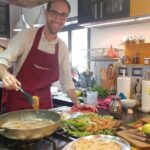
The meal moment: wine pairing and a relaxed finish
After the hands-on work, you sit down to enjoy the meal you helped create. The class includes a meal paired with wine for adults, with soft drinks available for children.
That matters because cooking classes can fall into two traps. Sometimes they rush the food so you eat something that feels like a snack. Here, the meal is the payoff: you finally taste what you made, paired the way the chef intended.
You also get a graduation certificate. It’s a small thing, but it sets a cheerful tone and gives you a souvenir that isn’t just a photo.
What you take home: digital recipes that actually help
One of the biggest “future value” perks is the digital recipe booklet you receive at the end. This is what turns the class from a fun afternoon into something you can reproduce later.
If you’ve ever tried to recreate a meal from memory and failed, you know why this matters. A booklet gives you:
- Ingredient lists you can shop for
- Steps to follow when your instincts are unsure
- A reference for how the dough and sauce should turn out
The class also welcomes vegetarians, and you can inform them in advance so you get vegetarian options. Just make sure you flag it when booking so they can plan properly.
Vegetarian needs and the gluten reality you should know
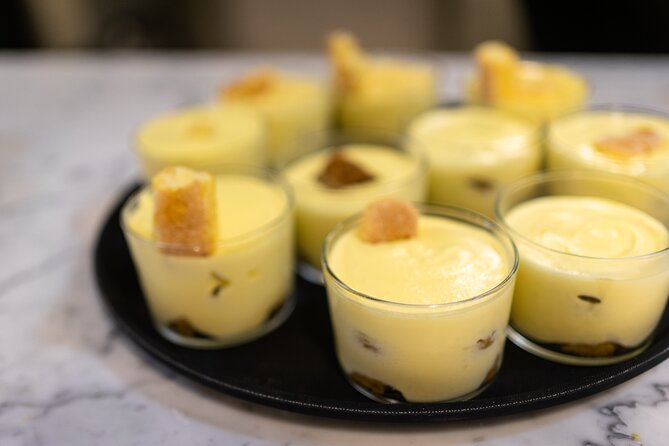
This experience is suitable for vegetarians, and they ask you to inform them ahead of time. That’s the right approach. It means the class can adapt rather than just replacing one ingredient at the last second.
Food allergies and intolerances also need advance notice. And there’s one firm limitation: it is unfortunately not suitable for celiacs. Gluten is part of the pasta and cooking setup, and the class does not position itself as a gluten-free option.
If you have dietary needs, I’d treat this as a planning step, not a last-minute message. You’ll get a smoother experience if you tell them early, especially for allergies.
Price and value: is $60.95 worth it?
At $60.95 per person for about 3 hours, the value comes from what you actually receive, not just the activity name.
You’re getting:
- Expert guidance from local chefs
- A hands-on pasta-making workshop
- Gelato-making demonstration
- All ingredients for pasta and gelato creations
- Aprons and utensils
- A meal with wine (soft drinks for children)
- A graduation certificate
- A digital recipe booklet to take home
When a class includes ingredients and the meal, it shifts the math. You’re not paying for a tasting-only experience or a purely instructional show. You’re paying for instruction plus product plus dinner.
Also, max 20 travelers helps justify the price. Smaller classes mean more time with the chef team and less chance you’ll feel like a spectator.
Optional market tour: when it’s worth adding
There may be a Guided Market Tour if you purchase the option. If you’re the kind of traveler who likes understanding what goes into Italian cooking, it’s a nice add-on.
The best part is how it connects to what you’ll eat later. Seeing how fresh ingredients get chosen makes the sauce lesson more meaningful. Even if you skip the tour, the class still focuses on seasonal sauces, which is the real backbone of flavor here.
Who should book this Palermo cooking class
This is a strong fit if you want:
- Hands-on food skills, especially pasta making
- A fun family-friendly activity in Palermo that isn’t just a museum stop
- A mix of savory cooking and a gelato craft lesson
- Something in English led by a chef team
It’s also a good choice when you want a small-group experience. The class caps at 20, and that size supports interaction and corrections while you work dough.
It may be less suitable if:
- Someone in your group needs a celiacs-friendly option (this class isn’t suitable for celiacs)
- You hate structured activities and prefer fully independent sightseeing
Quick tips to get more out of your 3 hours
Plan your day so you’re not rushing to make it in. Arrive early, and you’ll start calmer.
Wear shoes you can stand in comfortably. Cooking classes involve a bit of movement, and you don’t want sore feet cutting into your enjoyment.
Also, take notes on what the chef corrects. The lesson is not just about repeating steps. It’s about learning what changes when the dough is off, or when sauce needs a small adjustment.
FAQ
How long is the Palermo pasta and gelato cooking class?
The experience lasts about 3 hours.
Is the class offered in English?
Yes. It is offered in English.
What’s included in the meal?
You’ll enjoy a delicious meal that is paired with wine. Soft drinks are available for children.
Are there vegetarian options?
Yes. Vegetarian options are available, and you should inform them in advance.
Is the class suitable for celiacs?
No. This cooking class is unfortunately not suitable for celiacs.
Do I get recipes to take home?
Yes. You receive a digital recipe booklet to recreate the dishes.
How early should I arrive, and is it a small group?
You should arrive at least 15 minutes before departure. The class also has a maximum group size of 20 travelers.
Should you book this Palermo pasta and gelato class?
Yes, if you want a real cooking skill you can bring home: egg pasta dough technique, shaping two traditional pasta types, and seasonal sauces you can copy. The gelato demo adds a second “Italian craft” skill and gives you pointers for finding good gelaterias while you’re in Italy.
Skip it only if gluten-free for celiacs is a requirement. Otherwise, this is the kind of class that turns your Palermo trip into dinner at home, not just a memory of good food.