REVIEW · SICILY
From market to Table Cooking lesson with a local in Sicily
Book on Viator →Operated by Ortigia Flavour · Bookable on Viator
A good meal starts at the right market. This Sicily market-to-table cooking lesson pairs seasonal ingredient shopping with a hands-on cook with Letizia and her family. I also love the small group size, so you get real interaction instead of watching from the sidelines.
The only real drawback is that you’re signing up for an active, full 4-hour food-focused day—so it’s not the best fit if you want a slow, mostly sightseeing pace.
In This Review
- Key Highlights You’ll Feel During the Day
- From Temple Steps to Market Baskets: the Ortigia Start
- Choosing Sicilian Ingredients the Local Way
- Cooking in a Family Home (Not a Studio Class)
- The Dishes: Fresh Pasta, Bruschetta, Seafood, and More
- Before Dinner: Tastes, Cheeses, Olives, and a Drink
- The Garden-to-Table Moment: Herbs, Produce, and Real Freshness
- Price and Value: $163.88 for a Real 4-Hour Food Day
- Pace, Group Size, and Who This Fits Best
- Getting Oriented Again: After Cooking, It Ends Where You Started
- Should You Book This Market-to-Table Class?
- FAQ
- Where does the experience start and end?
- What time does the tour begin?
- How long is the cooking lesson?
- Is pickup available?
- What language is the lesson offered in?
- How many people are in the group?
- What does the experience include?
- Is there a cancellation option?
- How does confirmation work if I book close to the start time?
Key Highlights You’ll Feel During the Day
- Start at the Temple of Apollo in Ortigia so your food day has a clear, easy-to-find anchor
- Market shopping for seasonal ingredients with a local approach to choosing the best produce and fish
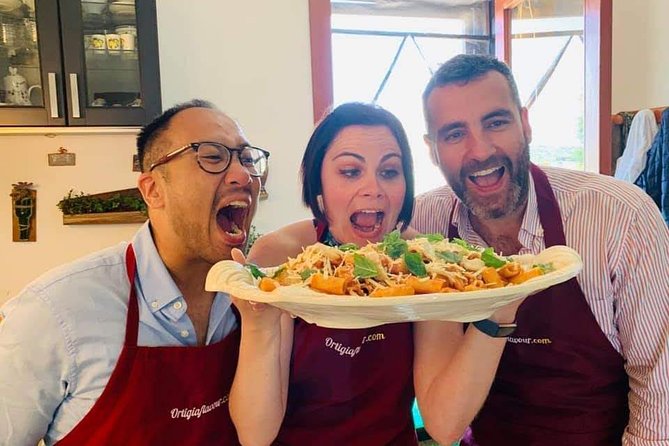
- Cook at a country home with family guidance where herbs and vegetables may come straight from the garden
- Hands-on Sicilian dishes like fresh pasta, bruschetta, and seafood specialties
- A full shared meal that includes local cheeses and a sweet finish like gelato
From Temple Steps to Market Baskets: the Ortigia Start
Your day kicks off in Ortigia, meeting in front of the Temple of Apollo (Apollonion) at 10:30 am. It’s a smart choice for two reasons: you get a built-in landmark to orient yourself fast, and you’re starting your food day in the heart of Syracuse’s most charming area. If pickup is offered for your booking, that can save you time getting there before the market begins.
The tempo matters here. This isn’t a “here’s the history, then maybe snacks” setup. The flow is built around getting seasonal ingredients early, before you head out for cooking. That means you should plan to arrive a few minutes before start so you can slide into the day without stress.
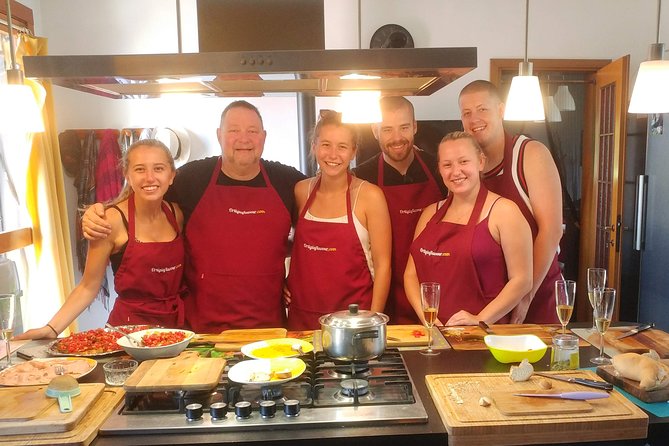
Also, with a maximum group size of 7, the meeting point doesn’t turn into a crowd-control exercise. You’ll be talking with your hosts soon after you gather.
You can also read our reviews of more tours and experiences in Sicily.
Choosing Sicilian Ingredients the Local Way
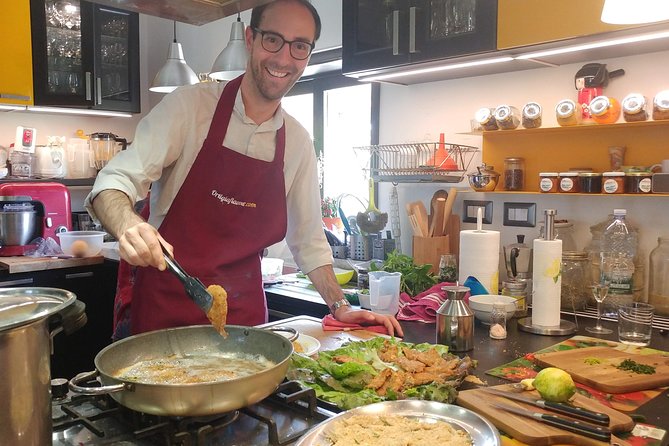
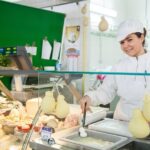
The first major part of the lesson is shopping for the ingredients you’ll cook together. You’ll visit a market and learn how to identify good seasonal items, not just how to buy things that look nice. In practice, that’s the difference between a meal that tastes “fine” and one that tastes like Sicily.
From the way the hosts talk about their food, you’ll likely hear the bigger picture, too—how Sicily’s many influences shaped local cuisine. One guest specifically noted how they explained cultural influences and how that history shows up on the plate. You also get a sense of what the local stalls emphasize: the herbs, the produce, the fish, and the little extras that make Sicilian cooking feel complete.
Here’s what I think is most valuable for you, even if you never cook again at home: you’re learning a method. Instead of relying on recipes alone, you’ll learn what “seasonal” should look and smell like—and how to use that as a guide for future meals. It’s the kind of skill that keeps paying off long after you leave Syracuse.
Cooking in a Family Home (Not a Studio Class)
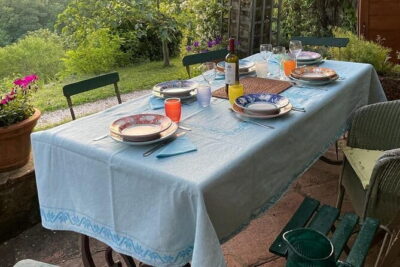
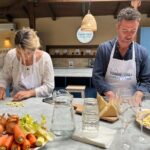
After the market, you head to the country home where Letizia and her family will host you. This is where the experience shifts from “tour activity” to “real food time.” The setting is part of the point: it’s a home kitchen, with family routines and a relaxed vibe that makes the lesson feel natural.
Guests mention picking herbs and vegetables from the family garden, which is exactly the sort of detail that makes Sicilian cooking click. Fresh herbs change everything. You can taste the difference, and you also see how the hosts think—what they use, when they use it, and how they balance flavors without overcomplicating.
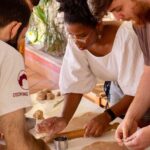
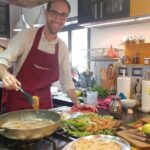
The instruction is hands-on. You’re not just listening while someone else does the cooking. People report taking roles like slicing, dicing, and cooking, and learning steps for multiple dishes. And because the group stays small, your questions don’t get lost in the noise.
If you’re the type who likes to cook but hates vague instructions, this kind of setup is a good match. Clear steps, real ingredients, and a kitchen rhythm that keeps moving—without rushing you.
The Dishes: Fresh Pasta, Bruschetta, Seafood, and More
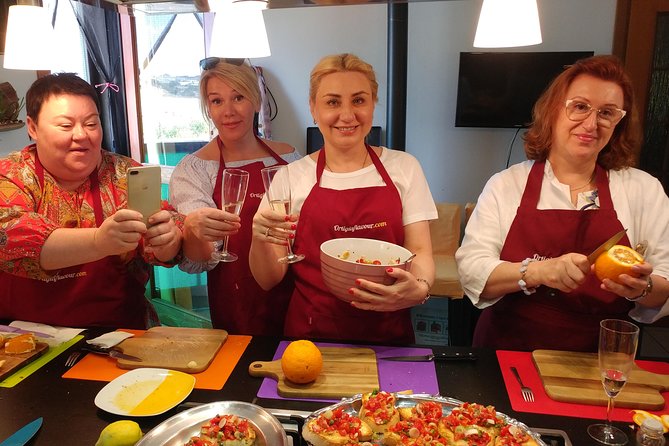
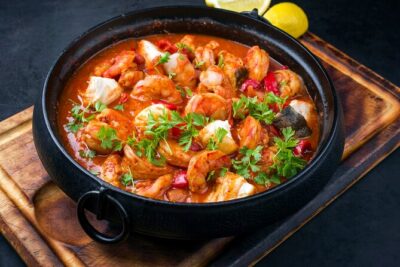
The meal-making part is built around Sicilian favorites. Based on what guests experienced, you can expect to learn dishes such as fresh pasta, bruschetta, and seafood preparations like calamari or stuffed mussels. Another highlight noted pasta plus dishes including caponata, a classic Sicilian eggplant recipe with a sweet-savory profile.
What I like about this menu approach is that it teaches technique through variety. Fresh pasta isn’t just a “nice activity.” It forces you to understand texture and timing. Bruschetta teaches how to build flavor fast—tomatoes, herbs, and simple components used well. Seafood teaches you not to fight the ingredient; you work with it, not around it.
There’s also a strong “start-to-finish” feeling. You shop, you cook, you eat. That whole loop matters. It helps you connect ingredients to outcomes, so the lesson becomes practical, not just entertaining.
One practical note: you’ll likely be standing, working at a station, and moving between steps as different dishes come together. If you prefer fully seated experiences, that’s the closest thing to a downside. This is cooking, not a lecture.
Before Dinner: Tastes, Cheeses, Olives, and a Drink
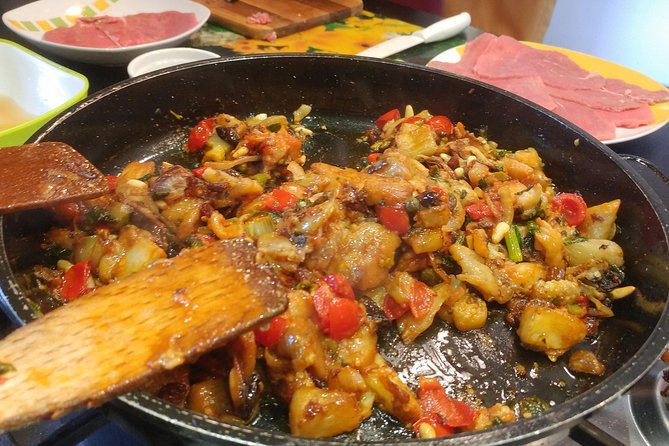
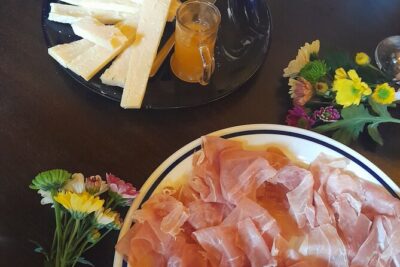
Even before the main meal hits the table, the experience includes local tastings that set the tone. Guests mention samples of local cheeses—some made by the father—plus pistachios and olives. That matters because Sicilian eating is often layered. You start with small, delicious bites, then build into the main dishes.
A drink also shows up in the flow. Some guests mentioned glasses of Prosecco or wine with the meal. I can’t promise the exact pour you’ll get, but you should expect a celebratory dinner feel, not a “water-only class.” It’s a common way family hosts turn cooking into hospitality.
This tasting stage is also useful for you. It helps you learn what “good” tastes like in context. When you later cook a dish that uses similar flavors—herbs, cheese, olive oil logic—you can better connect cause and effect.
The Garden-to-Table Moment: Herbs, Produce, and Real Freshness
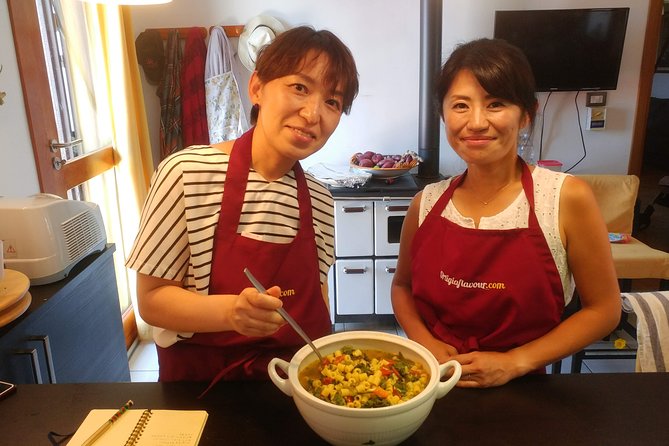
One of the most memorable parts for guests is the garden angle. People described picking fresh herbs and vegetables from the family garden, which adds a powerful sensory layer to the meal. Even if you’re not an herb obsessive, you’ll notice the difference in aroma right away.
This is also where Sicilian food culture feels most authentic. It’s not about fancy ingredients flown in. It’s about using what’s ready and what’s at its best. That approach is practical for your own life later. You don’t need a perfect grocery store; you need a seasonal rhythm and simple ingredients treated carefully.
If you enjoy learning through observation—watching how someone seasons, what they choose first, and how they taste as they work—this is the section that can make the lesson stick in your brain.
Price and Value: $163.88 for a Real 4-Hour Food Day
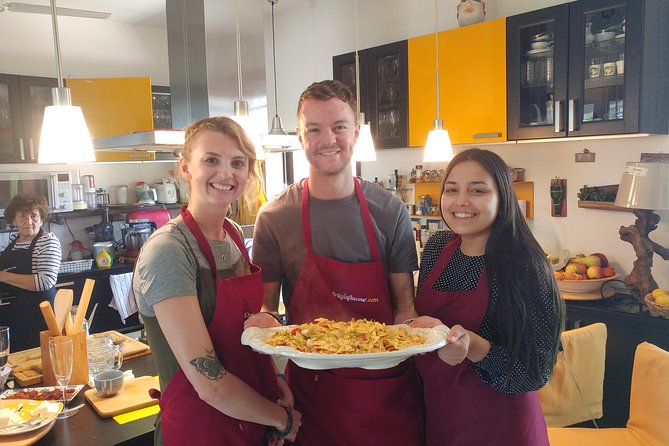
At $163.88 per person, this isn’t the cheapest cooking class. But it’s not in the “tourist snack” category either. You’re paying for four things that are hard to fake:
- local market shopping for seasonal ingredients
- hands-on cooking instruction
- a family-home setting
- a full shared meal with multiple components
Also, the small group size (up to 7) increases the value. When you’re not competing for attention, you learn more, and the experience feels less like a production line.
The duration is about 4 hours, which is a sweet spot. You get enough time to shop, cook, and eat without losing half a day to logistics. And since this class is commonly booked about 61 days ahead on average, you’ll want to plan earlier if your dates are fixed.
In short: if food is one of your top priorities in Sicily, the price starts to make sense quickly.
Pace, Group Size, and Who This Fits Best
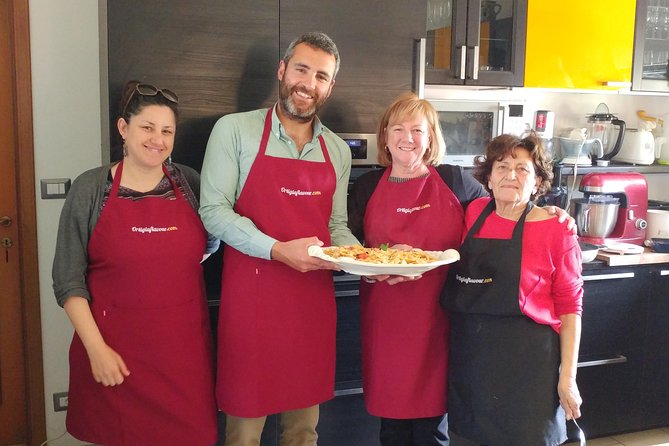
This tour runs from 10:30 am for roughly 4 hours, and it stays small. That combination tends to work well for couples, small friend groups, and solo travelers who want conversation without feeling lost in a big crowd.
It also suits you if you care about practical cooking skills. Learning fresh pasta steps, understanding how to build bruschetta flavors, and watching how Sicilian dishes come together is more useful than collecting facts you’ll forget next week.
If you’re traveling with kids or you’re very sensitive to hands-on cooking time, you should consider whether the active pace fits your family energy. The experience includes cooking and meal preparation, and you’ll participate.
The language offered is English, and that matters if you want to ask questions and follow instructions clearly without guessing.
Getting Oriented Again: After Cooking, It Ends Where You Started
The experience wraps back at the meeting point. That’s convenient because you’re not stuck trying to figure out transportation after dinner. It’s also a nice way to keep the day contained: you start near the Temple of Apollo and you finish near where you began.
If you’re using a mobile ticket, keep it handy. That small thing saves you time when you’re meeting the group and matching booking details quickly.
Should You Book This Market-to-Table Class?
I’d book it if you want a Sicily experience that’s more than “look and take photos.” This is a food day with real instruction, seasonal shopping, and a family-home meal. The strongest reasons to choose it are the market ingredient approach and the hands-on Sicilian cooking that includes fresh pasta and a shared feast.
I’d skip it if your schedule is tight and you want mostly sightseeing with minimal kitchen time. This is for people who enjoy cooking, eating, and learning how the ingredients actually drive flavor.
If you can do one Sicilian class in Syracuse or Ortigia, this is the kind that tends to leave you with skills, not just memories.
FAQ
Where does the experience start and end?
It starts at the Temple of Apollo (Apollonion) in Syracuse and ends back at the same meeting point.
What time does the tour begin?
The start time is 10:30 am.
How long is the cooking lesson?
The duration is about 4 hours.
Is pickup available?
Pickup is offered, depending on the booking details.
What language is the lesson offered in?
The experience is offered in English.
How many people are in the group?
The group size is capped at a maximum of 7 travelers.
What does the experience include?
You shop for seasonal ingredients at the market, cook at a country home with the local family, and then eat the meal together.
Is there a cancellation option?
Yes. You can cancel for free up to 24 hours in advance for a full refund.
How does confirmation work if I book close to the start time?
Confirmation is received at booking unless you book within 3 hours of travel, in which case confirmation is received as soon as possible based on availability.