REVIEW · VOLOS
Cook like a local Greek Cooking lesson in Mt Pelion Greece
Book on Viator →Operated by Karaiskos Farm - Cooking Lesson in Mt. Pelion · Bookable on Viator
Phyllo from scratch beats store-bought every time. This Greek cooking lesson at Karaiskos Farm is interesting because you’re not just watching—you’re making handmade open phyllo and cooking a real Pelion-style meal using ingredients from the farm’s garden. I also loved how the class feels grounded in everyday farm life, with a proper start on the property before the apron even goes on.
My favorite part was the full, sit-down lunch: you eat what you make, with wine and the seasonal salad, and you leave with take-home recipes you can actually repeat. One possible drawback: it’s hands-on and flour-dusted (so if you want a passive, sightseeing-only day, this may not be your best match).
In This Review
- Key highlights at Karaiskos Farm
- Arriving in Portaria: where the cooking starts on the farm
- The farm walk that makes the meal feel real
- Spanakopita phyllo in real terms: open dough, not shortcuts
- While your pie bakes: zucchini balls and tzatziki
- Your lunch: what’s on the table and how it tastes better
- The value question: is $118.29 per person worth it?
- Timing and getting the logistics right (so it feels easy)
- Language and coaching: learning in English without guesswork
- Should you book this Karaiskos Farm cooking lesson in Mt Pelion?
- FAQ
- FAQ
- What’s included in the meal?
- What dishes will we learn to make?
- Is this cooking class private?
- Does the price include transportation?
- How long is the experience?
- What time does it start?
- Is cancellation possible for a full refund?
Key highlights at Karaiskos Farm
- Handmade open phyllo for spanakopita, taught step by step
- Garden-picked vegetables and herbs used in your pie and sides
- A private class for your party, with your group only
- Kolokythokeftedes (fluffy zucchini balls) and tzatziki made while the pie bakes
- A plated lunch with seasonal salad and wine from a Greek vineyard
- Recipes to take home, so the learning doesn’t stop when you leave
Arriving in Portaria: where the cooking starts on the farm
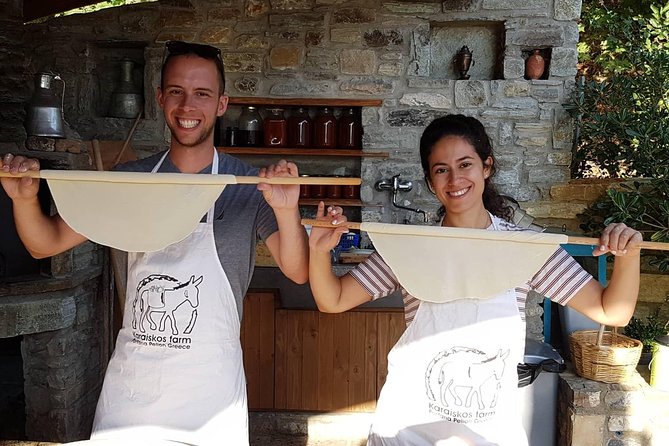
Karaiskos Farm is in Portaria, in the Mt Pelion region near Volos. The day begins at 11:00 am, and the experience runs about 3 hours 30 minutes. If you’re staying in Volos, transportation between Volos and Portaria is part of the experience, which makes this feel much easier than a lot of farm activities that require you to arrange everything yourself.
When you show up, don’t expect a cramped classroom. This is a working farm setting, so you start in the place where the food is coming from. In the best way, it sets the tone: you’re learning Greek cooking as something people do every day—not as a staged demo.
Before any serious dough work, you’ll be welcomed with a cup of hot mountain tea or homemade sour cherry juice. It’s a small touch, but it matters. It turns the experience into a proper slow start, and it’s a nice way to settle in if you’re coming from a morning of travel.
The farm walk that makes the meal feel real
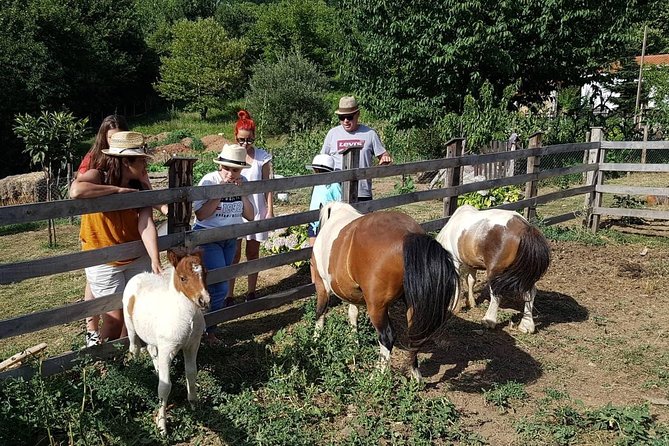
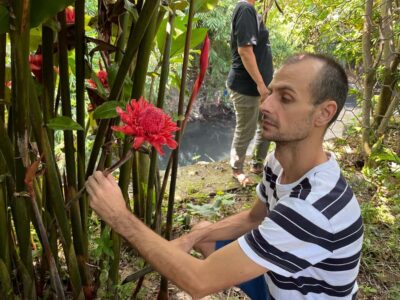
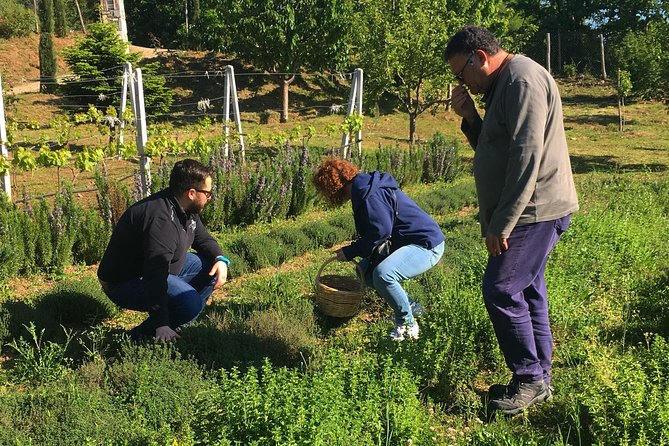
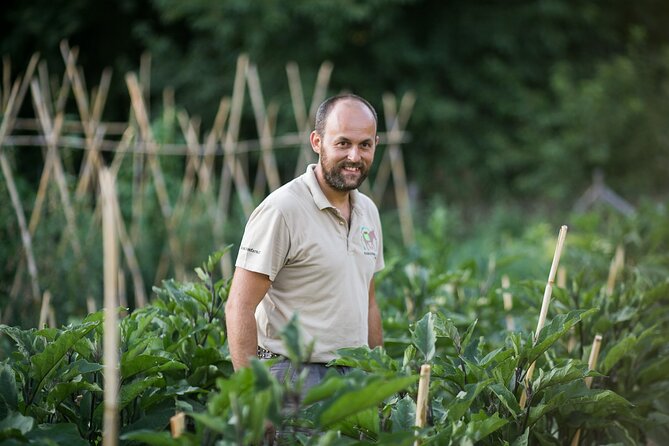
The class doesn’t begin with a rolling pin. You’ll start with a farm introduction that includes practical things like collecting eggs and harvesting vegetables. You also learn about the farm approach, including organic farming basics, in a way that’s easy to follow even if you’re not a gardening person.
This farm time is where you really start connecting the meal to place. When you pick ingredients yourself—fresh vegetables, herbs, and eggs—you stop thinking of the food as a recipe and start thinking of it as ingredients with a season and a job. You’ll be using what you gather in the dishes later, so it’s not just a feel-good stroll.
The farm setting also has a gentle “you can breathe here” vibe. One person in a past group called out the scenery and how the farm is laid out thoughtfully, and I think that’s exactly what you’ll feel too: you’re moving around a real place, not trapped in a single corner.
And yes, you might meet the friendly cat Julia—the kind of farm character that keeps things light while you wait for the oven clock to catch up.
Spanakopita phyllo in real terms: open dough, not shortcuts
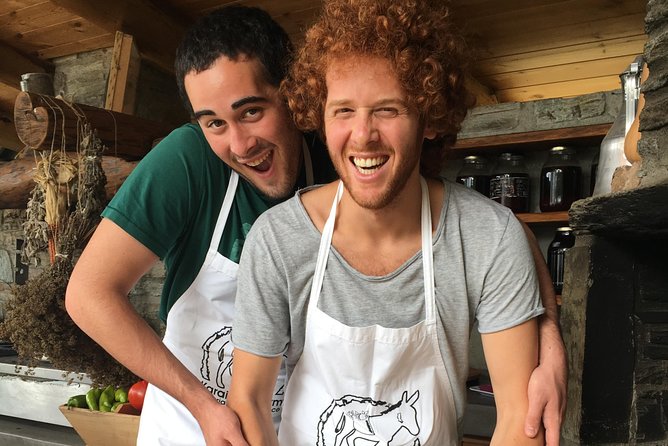
The main event is spanakopita, and the focus is traditional: you’ll learn to make open phyllo dough the traditional way. This is the step that makes this class stand out. A lot of cooking tours teach you how to assemble. Here, you learn the dough process itself.
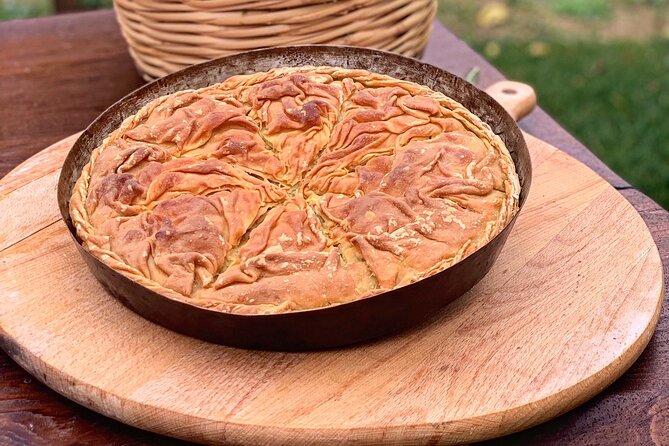
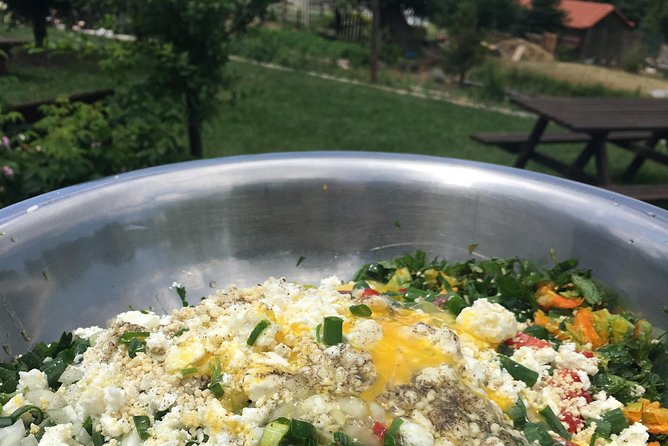
You’ll work through how to prepare the dough, then how to fill it with fresh vegetables and herbs straight from the farm’s garden. After that, you bake the pie in the oven. The result is a spanakopita that feels like you earned it, not bought it.
Here’s what I like about this approach from a practical point of view: phyllo scares a lot of people before they touch it. Teaching it step by step reduces that fear fast. You’ll learn technique, not just a final product. And because you’re making an open style dough (not a frozen shortcut), you get a better sense of how Greek cooks think about layers and thinness.
If you like learning with your hands, you’ll enjoy this section. If you’re the type who gets stressed by messy tasks, plan to loosen up—dough work is supposed to be tactile. Flour happens. That’s part of the story.
While your pie bakes: zucchini balls and tzatziki
Once the pie is in the oven, the class keeps momentum. While you wait for the spanakopita to become dinner, you’ll make two crowd-pleasing sides:
1) Kolokythokeftedes (fried zucchini balls)
These are fluffy, savory fritters made from zucchini. You’ll prepare them as part of the cooking session, so you’re not just sitting around hoping the oven behaves.
What makes this smart is pacing. You learn the hardest-looking part first (phyllo), then you shift to something more forgiving but still hands-on. It also gives you a rounded table: pie plus fritters gives you texture variety.
2) Tzatziki with cucumber yogurt dip
You’ll make refreshing tzatziki, including an aromatic blend that fits perfectly with fried zucchini and savory pie. The cucumber-yogurt combo is the kind of dish that makes a whole meal feel balanced.
You’ll also prepare a fresh seasonal salad to go alongside. That matters more than people think. It keeps the meal from turning into just bread-and-cheese heaviness. It also gives you a clearer mental picture of how Greek plates are built: one main, one supporting bite, something cool and fresh.
Your lunch: what’s on the table and how it tastes better
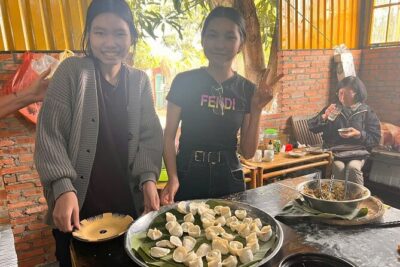
When your dishes come out, you eat what you made: the vegetables pie with handmade phyllo, the zucchini balls, the tzatziki, plus your seasonal salad. It’s a full meal, not a few bites and a good story.
And then there’s the part that turns this into a celebration: wine. Your meal is accompanied by wine from a Greek vineyard. This isn’t only about alcohol. It’s part of how people take time with lunch. You slow down. You taste. You talk. You compare your version of the food with what you thought you were going to make at the start.
One more detail I appreciate: you’ll also have snacks plus coffee and/or tea, and there’s bottled water. So you’re not running on empty while you work through dough and frying.
If you care about authentic flavor, the ingredient logic is the real winner. Because you handled the ingredients, you notice things like freshness and herb aroma more clearly. It’s the difference between tasting food and tasting ingredients.
The value question: is $118.29 per person worth it?
At $118.29 per person, this is not a bargain-basement cooking activity. But it can be good value depending on what you want from your day.
Here’s the math that matters:
- You’re getting a private class for your party only, not a crowded shared group.
- You learn multiple dishes, including the dough-making skill for spanakopita.
- You get lunch plus wine and drinks, not just “light refreshments.”
- You leave with recipes you can repeat later.
- Transportation between Volos and Portaria is included.
If you compare it to the cost of buying a meal plus paying for a basic class that only teaches assembly, the price looks more fair. The biggest value driver is the handmade phyllo part. That’s the skill you can’t fake by watching a single video. It’s also why it works for couples, food lovers, and anyone who wants a “I learned something real” souvenir.
One caution: the experience requires a minimum of 2 people per booking. If you’re traveling solo, check if the operator can still fit you in a private booking situation or if there are specific options. Also, because it’s private, the cost is tied to your group size and not shared broadly across a big group.
Timing and getting the logistics right (so it feels easy)
The start time is 11:00 am, and you’ll be finished back at the meeting point at Karaiskos Farm. For most people staying around Volos, the included transportation between Volos and Portaria simplifies things a lot.
That said, the experience doesn’t include transportation to and from other attractions beyond the Volos/Portaria connection. So if you’re planning a big Pelion day—beaches, monasteries, viewpoints—schedule this cooking class as the main event. Treat it as the anchor, not a side quest.
Also, for the best experience, plan your day around being present. This isn’t a quick drop-in. You’re learning, chopping, rolling, frying, and baking. You’ll feel it by the end—in a good way.
If you’re traveling with kids, this can still work. One past guest specifically noted that it was very nice for children and that the farm layout is thoughtful. Still, it’s a cooking class with active steps, so you’ll want to gauge your child’s patience and comfort with food activities.
Language and coaching: learning in English without guesswork
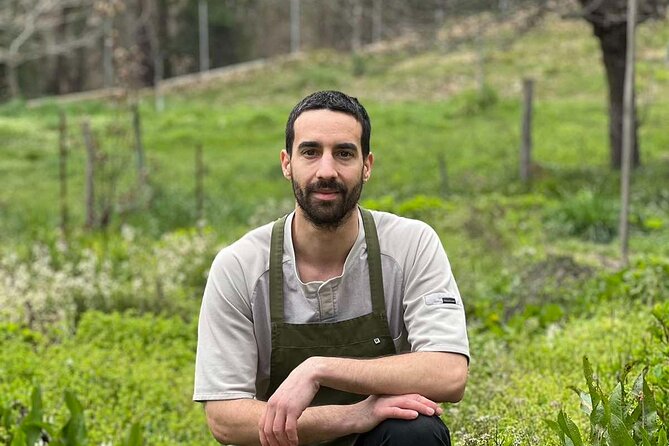
This cooking lesson is offered in English, and the guidance is hands-on. In past classes, the coaching included specific support for what to do next, from selecting vegetables to preparing filo and cooking through to lunch. The names Effie and Anita came up as key guides who coached people step by step.
That detail matters. Good cooking classes don’t just teach the recipe—they prevent mistakes by helping you fix technique in the moment. Here, you’re guided through the process so you’re not standing there unsure whether you’re doing it wrong.
And because it’s private for your group, you’re more likely to get the kind of attention that keeps the learning flowing.
Should you book this Karaiskos Farm cooking lesson in Mt Pelion?
I’d book it if you want a Greek experience that’s practical and eat-able. If you care about technique, this is strong: handmade open phyllo for spanakopita is the kind of skill you’ll brag about later in the most useful way—because you can cook it again at home using the recipes you take with you.
I’d think twice if you’re hoping for a mostly sightseeing day or you’re not comfortable with active cooking tasks. This class is built around making, not just looking.
For the right match—couples, small groups, food lovers, and anyone who wants a calm farm lunch with real skills—it’s one of those days that sticks.
FAQ
FAQ
What’s included in the meal?
You’ll have lunch made from what you cook, plus snacks, coffee and/or tea, bottled water, and alcoholic beverages (wine).
What dishes will we learn to make?
You’ll learn how to make open phyllo dough for spanakopita, plus prepare kolokythokeftedes (zucchini balls), tzatziki, and a seasonal salad.
Is this cooking class private?
Yes. It’s a private tour/activity, and only your group participates.
Does the price include transportation?
Transportation between Volos and Portaria is included. Transportation to and from other attractions is not included.
How long is the experience?
It lasts about 3 hours 30 minutes.
What time does it start?
The start time is 11:00 am.
Is cancellation possible for a full refund?
Yes. You can cancel up to 24 hours in advance for a full refund.