REVIEW · SEOUL
Korean Premium & Original Cooking Class Experience in Hanok
Book on GetYourGuide →Operated by O'ngo Food Communications · Bookable on GetYourGuide
Korean cooking tastes different when you make it yourself. This class in a renovated hanok studio lets you work side-by-side with a professional chef in Seoul’s Bukchon area, and you come away with two dishes you can actually repeat at home. I especially like the hands-on setup where each participant cooks their own portion, plus the fact that the menu can be customized for dietary options. One thing to consider: the studio can run cold when you first arrive, so plan to layer up.
The focus is practical Korean home-meal comfort, not just food trivia. You’ll build flavors for bibimbap and learn how Korean meals come together bowl-style, while also making a second fan-favorite dish such as jeyuk-bokkeum, japchae, or bulgogi. The chef’s instruction style, including clear steps and friendly humor from Jia, is a big part of why this works well. Still, the class is only 2 hours and you make just two dishes, so if you want a longer, multi-recipe feast, you may feel a bit shorted.
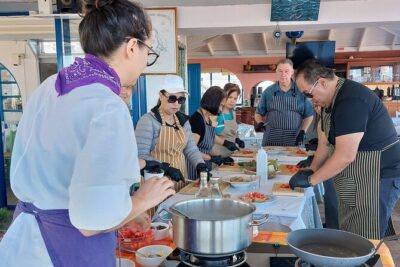
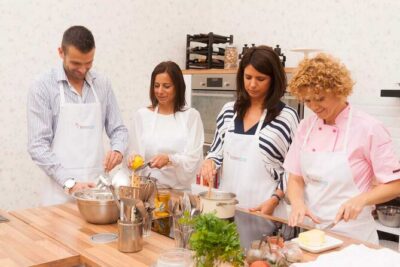
The vibe is “small group, learn, cook, taste, go.” The setting—a modern kitchen inside a traditional hanok—helps you feel grounded in Korea’s everyday food culture while still moving efficiently. Just make sure you’re ready for two concentrated cooking sessions rather than a broad buffet of Korean dishes.
In This Review
- Key Highlights You’ll Care About
- A Modern Hanok Kitchen in Seoul’s Bukchon
- What You’ll Cook: Bibimbap Plus One of Korea’s Favorites
- Bibimbap: Build a Bowl With Seasonal Components
- Jeyuk-bokkeum: Spicy Pork Barbecue With Gochujang Sauce
- Japchae: Glass Noodles and a Non-Spicy Vegetable Mix
- Bulgogi: National-Dish Beef With Soy, Sesame, Garlic
- How the Class Runs in 2 Hours
- Chef Jia’s Teaching Style: Clear Steps, Humor, and Context
- Dietary Options: Customization That Helps You Eat Comfortably
- Price and Value: Is $84 Worth It?
- Where to Meet: O’ngo Food Communications in Bukchon
- Small Comforts and Potential Snags to Plan For
- Who This Class Is Best For
- Should You Book This Korean Hanok Cooking Class?
- FAQ
- What’s the price per person?
- How long is the cooking class?
- Where do I meet for the class?
- What dishes will I learn to cook?
- Is the class suitable for dietary restrictions and allergies?
- Is there an English-speaking guide?
- Will I get anything to help me cook later at home?
- Are private or customized classes available?
Key Highlights You’ll Care About
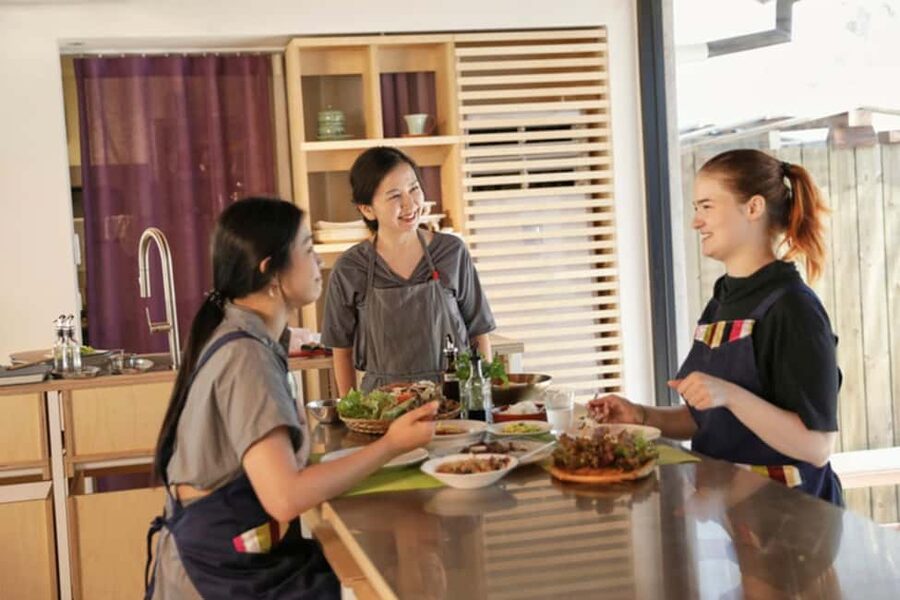
- Renovated hanok studio in Bukchon: traditional setting with a modern cooking workflow
- Hands-on cooking for each person: you don’t just watch
- Two dishes in a tight 2-hour class: real results fast
- Dietary customization available: tell them restrictions and allergies
- English instruction with chef Jia: clear guidance plus helpful context
- Recipes sent after class: easier to recreate at home
A Modern Hanok Kitchen in Seoul’s Bukchon
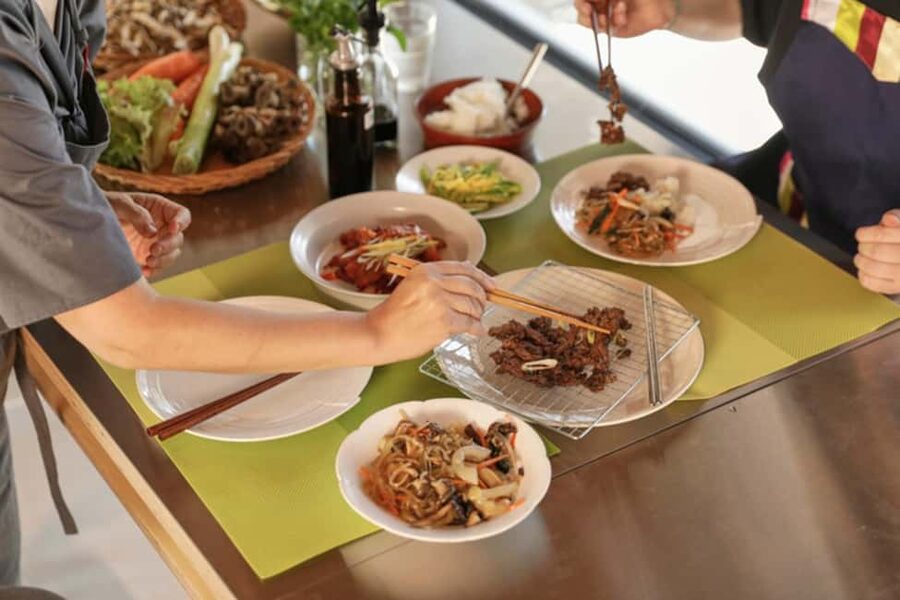
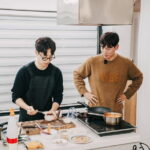
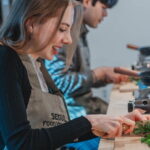
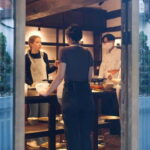
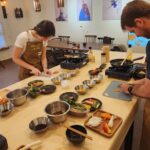
This experience takes place in Gyeonggi Province, with the meeting point in Seoul’s Bukchon area. If you’ve been looking for the feeling of traditional Korea without sacrificing a functional kitchen, this is a smart compromise: the cooking happens in a recently renovated modern hanok studio. In practical terms, that means you get the charm of a Korean setting, but you’re still working with a setup designed for instruction and cooking.
Why that matters: in a good cooking class, the space affects your confidence. When the kitchen layout makes sense and the tools are where you expect them, you waste less time figuring things out and more time learning technique. Even with only 2 hours, this format helps you finish dishes with less stress.
One real-world snag I’d plan around: the room temperature can be cold when you first arrive. I’d treat this as a winter logistics point. Wear layers so you stay comfortable while you’re standing, chopping, mixing, and waiting for components to cook.
You can also read our reviews of more tours and experiences in Seoul.
What You’ll Cook: Bibimbap Plus One of Korea’s Favorites
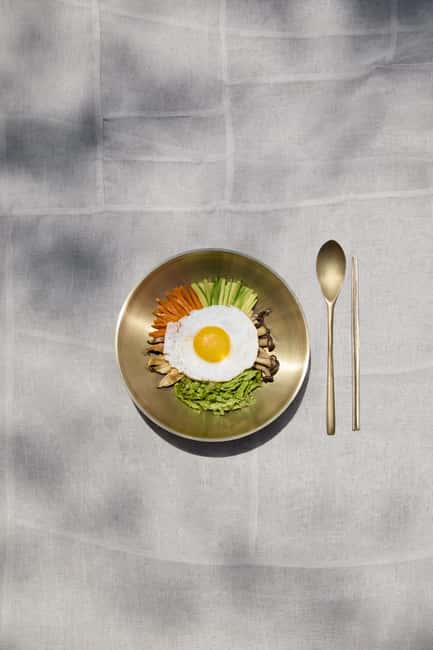
You’ll learn how to make two Korean dishes. Bibimbap is the anchor dish, and your second dish is among Korea’s most requested classics—often picked from options like jeyuk-bokkeum, japchae, or bulgogi. The key is that you’re not grazing. You’ll actually assemble and cook each dish, then taste what you made.
Bibimbap: Build a Bowl With Seasonal Components
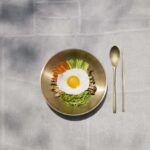
Bibimbap is Korea’s best-known rice bowl concept. The version in this class centers on a bowl of rice topped with seasonal vegetables cooked down and seasoned. You also get a sunny-side-up fried egg, and the overall idea is balance: warm rice, savory toppings, and that final runny-egg richness.
The practical lesson here is assembly and seasoning. You’re learning how Korean flavors tend to come together: vegetables aren’t just chopped and tossed; they’re cooked and flavored so they stay tasty even after mixing with rice. If you’ve ever eaten bibimbap and wondered why it tastes more cohesive than a random “rice + veggies” bowl, this is where that difference comes from.
Jeyuk-bokkeum: Spicy Pork Barbecue With Gochujang Sauce
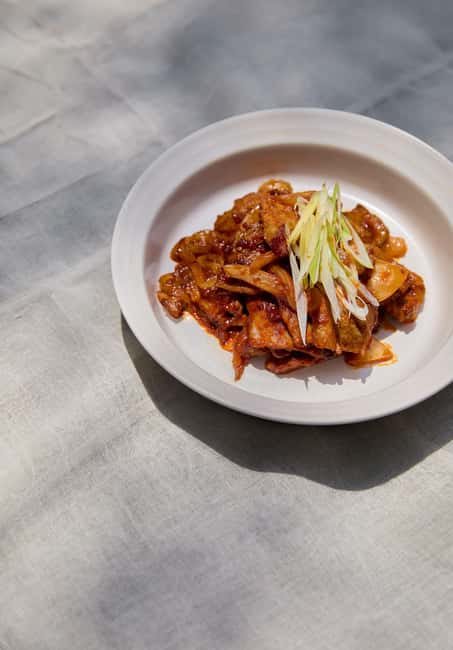
Jeyuk-bokkeum is the spicy pork barbecue style that many people request. It’s built on marinated pork with a special gochujang-based sauce profile. You get a straightforward way to understand how Korean heat works: it’s not just peppery, it’s also sweet, savory, and tangy from the sauce base.
If your taste runs cautious, tell the chef about spice comfort when you share diet needs and allergies. The class is designed to be customizable, so you’re not locked into maximum heat.
Japchae: Glass Noodles and a Non-Spicy Vegetable Mix
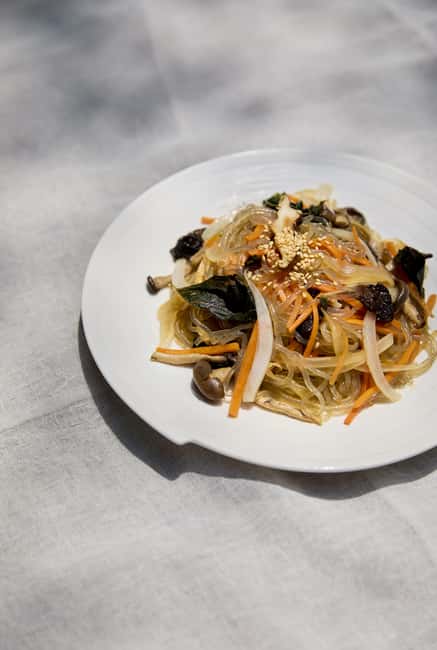
Japchae is a classic noodle-and-veg dish often chosen for its balance. It uses glass noodles mixed with a variety of vegetables to create a salad-like texture, and it’s described as non-spicy here. The technique lesson is important: glass noodles need attention so they don’t turn too sticky or too bland, and the vegetables need enough seasoning to hold their own once everything is mixed.
This one is a great second dish if you want something you can serve to friends who don’t handle spice well. It’s also a nice contrast to bibimbap: one is rice-bowl assembly, the other is noodle-mix texture work.
Bulgogi: National-Dish Beef With Soy, Sesame, Garlic
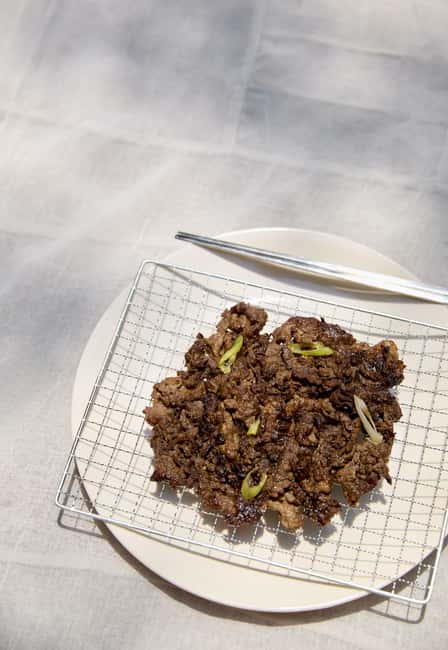
Bulgogi is the Korean national-dish idea—thinly sliced prime beef marinated with soy sauce, sesame, and garlic. The flavor logic is simple and deeply effective: the marinade penetrates quickly because the slices are thin, and the sauce mix turns into a glaze as it cooks.
For home cooking value, bulgogi is one of the easiest dishes to remember and recreate once you’ve seen the marinade approach. Even if you don’t plan to replicate the exact cuts, the seasoning pattern is the takeaway.
How the Class Runs in 2 Hours
This is a compact class: 2 hours from meeting to end back at the meeting point. The benefit is that you can fit it into a day of sightseeing without losing half your schedule to cooking logistics.
A typical flow you can expect:
- Start with introductions and an overview of what you’ll make and how the stations work.
- You’ll move into prep and cooking steps for the two dishes.
- You’ll assemble components, cook key elements (including egg for bibimbap), and then taste what you created.
- You’ll leave with recipes sent after the class, which is a huge help if you want to re-make everything later without guessing.
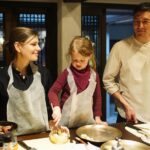
Because you’re cooking your own portion, you’ll spend time hands-on with cutting, mixing, seasoning, and timing. That’s where the learning sticks. Watching food happen is nice. Doing it yourself is better.
Also note the pacing reality: there are only two dishes. The class can feel intense in a good way, but if you’re hoping for a long, leisurely multi-course experience, this isn’t it.
Chef Jia’s Teaching Style: Clear Steps, Humor, and Context
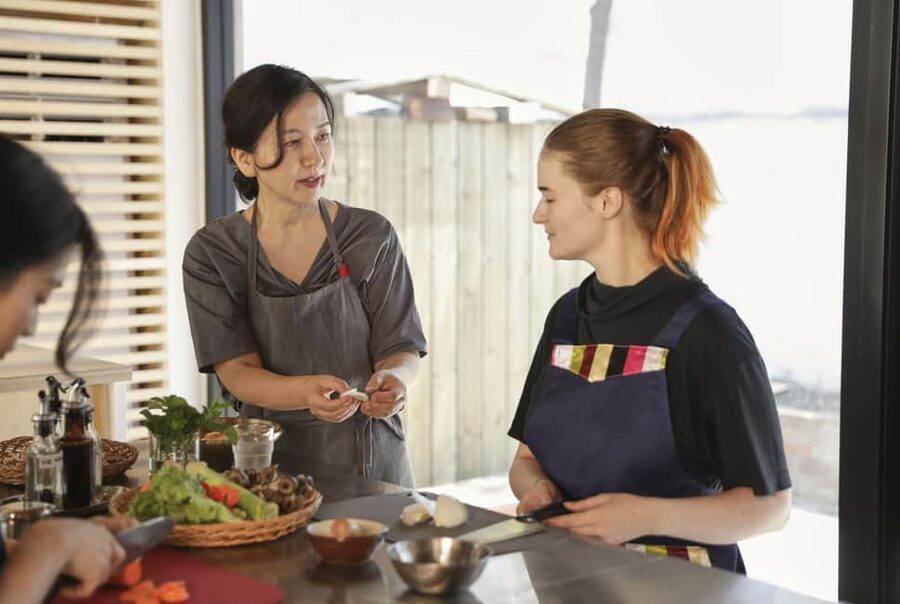
One of the strongest reasons to pick this class is the chef. Jia gets very positive mentions for precision and clarity. The instruction isn’t just, Do this, then that. It comes with background knowledge about the dishes and how Korean home cooking typically approaches flavor.
I like this approach because it makes the class useful beyond Korea. When you understand why a sauce is built a certain way, you’re not stuck copying an exact flavor list. You can adjust for what you can find at home.
There’s also a warm, humorous tone in the teaching, which helps in a cooking environment. Kitchens are high-sensory places—heat, smells, time pressure. When the guide keeps it friendly, you stay calm and you keep moving.
One more plus: you’ll get recipes after the class. For a lot of cooking experiences, the real “value” arrives later when you try to recreate the dishes. Sending recipes makes that part much more achievable.
Dietary Options: Customization That Helps You Eat Comfortably
The class is designed so your dishes can be customized for all diet options. You should still be proactive: let the team know about dietary restrictions and allergies ahead of time, because that’s the only way they can plan ingredients and steps safely.
What I like about this setup is that it treats dietary needs as part of the cooking process, not an afterthought. Korean cooking often revolves around strong flavor elements like sauces, marinades, and seasoning blends. If you adjust those correctly, you keep the dish character without making it bland or awkward.
If you’re traveling with specific restrictions, this kind of customization is a practical reason to book rather than “hope” you’ll find something compatible later.
Price and Value: Is $84 Worth It?
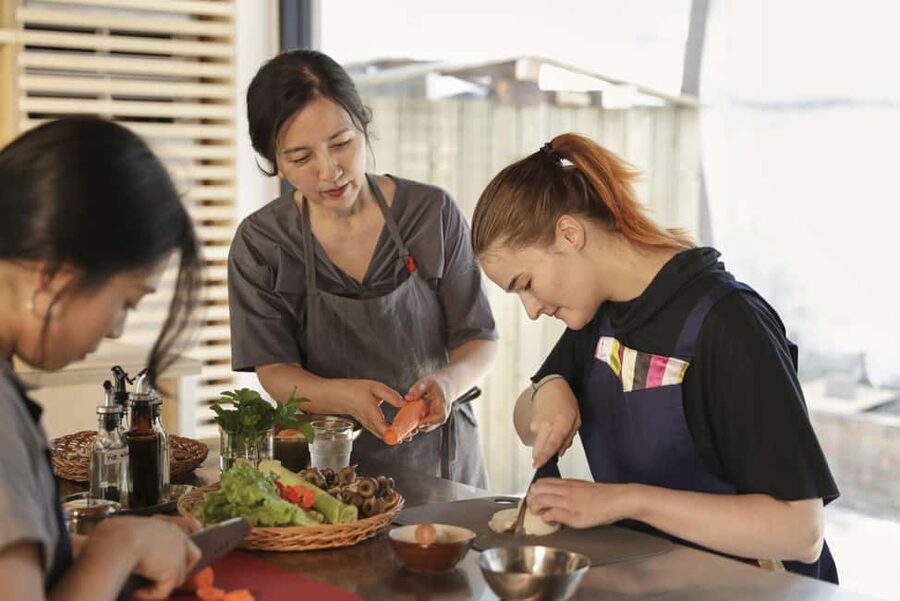
At $84 per person, this class isn’t the cheapest thing on your Seoul menu. But the value makes sense if you care about hands-on learning and take-home results.
Here’s why I think the pricing works:
- You get a professional chef and live English guidance.
- You cook your own portions, not just sample.
- You make two dishes, including bibimbap plus a second classic.
- Recipes are sent after class, which extends the value beyond the 2-hour session.
If you compare it to paying for two separate meals at restaurants, you’re paying for the process and the skills. For many people, that’s the better souvenir. A photo is nice. A dish you can recreate is better.
One caution for value: the class is 2 hours and only two dishes. If you expect a long tasting parade, your money might feel like it spent faster than you hoped. If you’re happy with focused cooking and leaving full enough to continue sightseeing, it’s a fair deal.
Where to Meet: O’ngo Food Communications in Bukchon
You’ll meet at O’ngo Food Communications, 137-11 Bukchon-ro, Jongno-gu, Seoul. The class ends back at the meeting point.
This matters because timing and location can make or break short experiences. With only a 2-hour class, you don’t want to arrive stressed. Give yourself buffer time to find the address and get settled before cooking begins.
Also, because it’s in Bukchon, expect a neighborhood that’s best explored on foot once you’re oriented. If you’re planning your day, keep the class near your other Bukchon stops so you’re not zigzagging across Seoul right before cooking.
Small Comforts and Potential Snags to Plan For
This experience has a strong track record, but it’s still real life, so a couple issues are worth flagging.
First: the studio can be cold on arrival. Even if you’re excited to cook, you’ll feel it when you’re standing around and waiting for steps. Layer up, and consider bringing a light outer layer you can keep on while you prep.
Second: the class is only two dishes, and the description online can be easy to miss. I’d read carefully before booking so there are no surprises when you show up. Knowing in advance helps you set expectations and enjoy the process more.
Finally: late arrivals can miss participation. With a cooking class, the timing matters because once the ingredients and steps are underway, there’s less flexibility. Plan to arrive early enough to feel calm.
Who This Class Is Best For
This is a great fit if you:
- Want a hands-on Korean food experience in a traditional setting
- Like the idea of cooking two major dishes rather than sampling many small bites
- Appreciate a guide who teaches technique and not just recipes
- Need or want dietary customization handled through the class
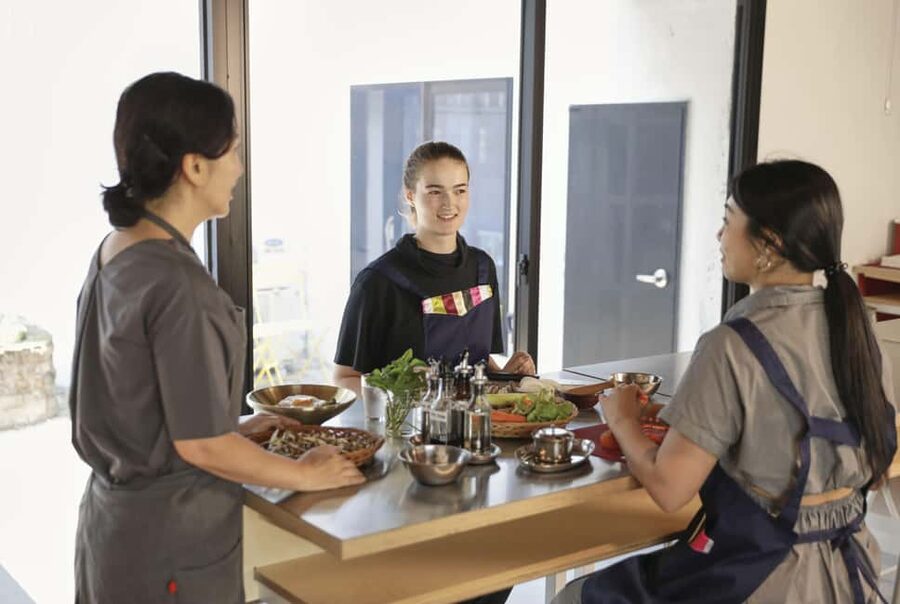
It’s also ideal for solo travelers and couples because a cooking class naturally gives you built-in conversation time while still staying structured. The setting is set up for a smaller group feel, which makes it easier to get guidance during cooking.
If you’re a foodie who already knows Korean cuisine well and wants deep research beyond two dishes, you might crave something longer. But for most people visiting Seoul, two dishes you can repeat at home is the sweet spot.
Should You Book This Korean Hanok Cooking Class?
Yes—if you want practical Korean cooking in a real Seoul neighborhood setting, this is a strong pick. The mix of hanok atmosphere, hands-on cooking, and chef-led instruction from Jia makes it more than a “tour with food.” You leave with skills, not just memories, and recipes afterward give you a clear next step at home.
Book it especially if:
- You’re excited about bibimbap and want to learn the components, not just eat it
- You want one more classic like bulgogi, japchae, or jeyuk-bokkeum
- You’ll benefit from a dish plan that can adapt to your dietary needs
Skip or rethink it if:
- You want a longer menu with more dishes
- You dislike cold indoor spaces and don’t want to layer up
- You’re looking for a broad tasting tour without cooking
If you’re on the fence, think of this as a focused cooking workshop with a cultural setting. For many travelers, that’s exactly what makes a trip stick.
FAQ
What’s the price per person?
The price is $84 per person.
How long is the cooking class?
The class lasts 2 hours. Starting times vary, so check availability.
Where do I meet for the class?
You meet at O’ngo Food Communications, 137-11 Bukchon-ro, Jongno-gu Seoul.
What dishes will I learn to cook?
The class teaches two Korean dishes. Bibimbap is included, and the second dish is from popular Korean options such as jeyuk-bokkeum, japchae, or bulgogi.
Is the class suitable for dietary restrictions and allergies?
Yes. You can let them know your dietary restrictions or allergies, and the dishes can be customized for all diet options.
Is there an English-speaking guide?
Yes, the class includes a live tour guide in English.
Will I get anything to help me cook later at home?
Yes. Recipes are sent afterward so you can recreate the dishes at home.
Are private or customized classes available?
Private and customized classes are available by request.