REVIEW · YOGYAKARTA
Indonesian Cooking Class in Yogyakarta
Book on GetYourGuide →Operated by Jogsider · Bookable on GetYourGuide
A cooking class where you start by picking ingredients sounds good, right. This Yogyakarta experience mixes garden harvest with hands-on cooking and real Javanese flavor, led in English by Endah’s team. You’ll also get a calm, home-kitchen vibe with cats around and lessons on how Indonesian ingredients actually work.
I love the farm-to-table feel: you touch, smell, and process fresh herbs, spices, and rhizomes before you cook. I also like the meal outcome—six dishes you help make, with lunch included, plus a welcome drink choice like lemongrass tea or tamarind turmeric.
One possible drawback: there’s no hotel shuttle, so you’ll need your own way to get to the class location and back.
In This Review
- Key highlights worth your time
- A 5-hour Javanese cooking class that starts in the garden
- Welcome drink and kitchen setup in a local home
- Harvest native herbs, touch rhizomes, and learn by smelling
- The hands-on cooking part: making Javanese dishes step by step
- Your menu: 6 dishes you’ll actually make
- Rujak teaches balance
- Curry leaves show up fast in the aroma
- Tofu and tempeh help you cook with texture
- Lemongrass chili sauce adds heat with character
- Lunch feels like a reward, not an afterthought
- English instruction and private group value
- Culture talk and what you can take home
- Price and value in plain terms
- What kind of traveler should book this
- Should you book the Indonesian Cooking Class in Yogyakarta?
- FAQ
- What dishes will I cook in the class?
- Is lunch included?
- What is included besides the food?
- Do they provide a welcome drink?
- How long is the cooking class?
- Is the class taught in English?
- Is there any free cancellation?
Key highlights worth your time
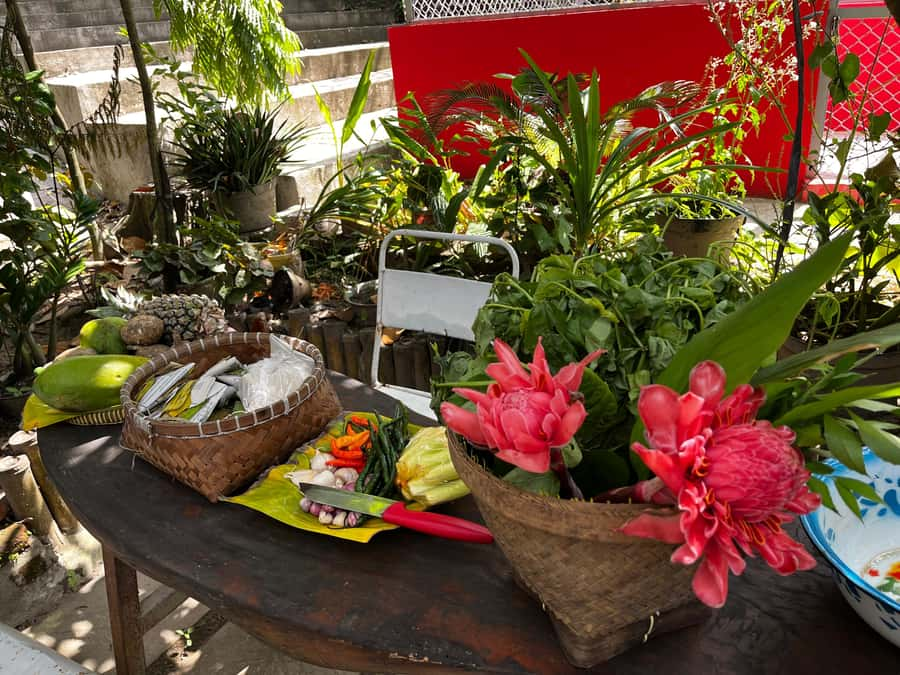
- Harvest native herbs straight from the garden before cooking
- Hands-on Javanese cooking with English instruction and lots of ingredient guidance
- 6 dishes on the menu, including rujak (vegetable and fruit) and tempeh/tofu
- Welcome drinks (tamarind turmeric, tamarind sugar, or lemongrass tea) to start the day right
- Cats and serene surroundings that make the setting feel relaxed, not rushed
A 5-hour Javanese cooking class that starts in the garden
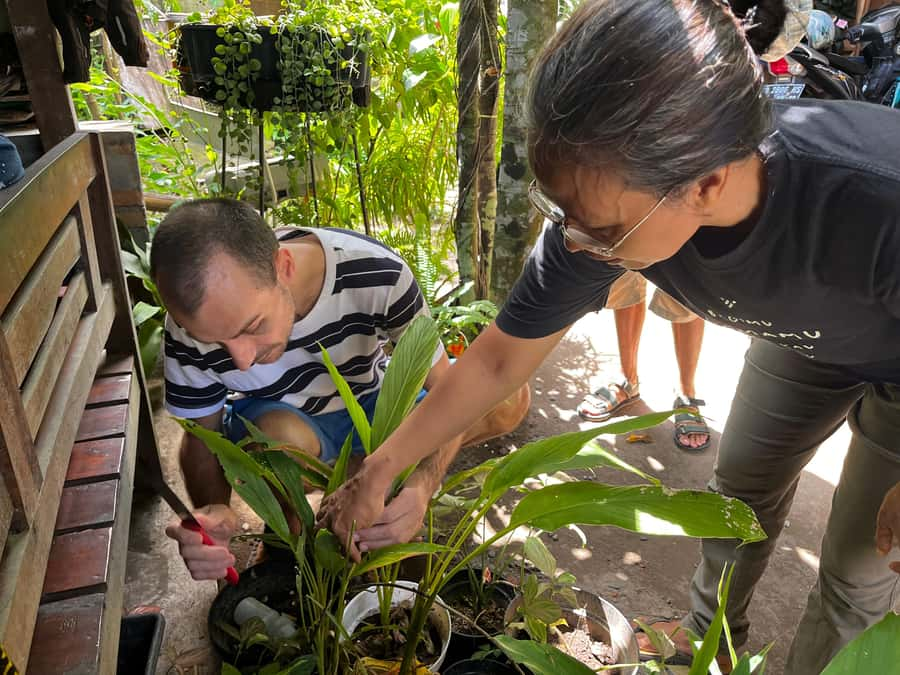
If you’ve ever joined a cooking class where the ingredients feel like they came from a supermarket, this one changes the script fast. In Yogyakarta, the day begins with you going out for a garden harvest—native herbs, plus the kind of fresh, fragrant plants you usually only see in local markets. It’s a good way to understand Indonesian cooking as something built on what’s growing right there, not just what’s on a menu.
The class runs about 5 hours, and you’ll want to check availability for the exact start time. That timing matters because you’re not just learning recipes. You’re also learning the ingredient logic behind them—how the aromas show up, how textures change as you cook, and why certain flavor combos feel natural in Java.
You’ll cook in a private group setting with an English-speaking instructor. That’s a big plus if you want to ask questions and actually understand what you’re doing, rather than watching from the sidelines.
You can also read our reviews of more tours and experiences in Yogyakarta.
Welcome drink and kitchen setup in a local home
Before any pots start simmering, you get a welcome drink. Choices include tamarind turmeric, tamarind sugar, or lemongrass tea. I like this part because it sets the tone: you’re not just there to eat at the end, you’re there to experience the flavors from the first sip.
The class is run from a local home environment, and the reviews you can find for this experience consistently mention Endah and her family as warm and welcoming. In practice, that kind of hospitality matters. It makes ingredient learning feel personal instead of formal.
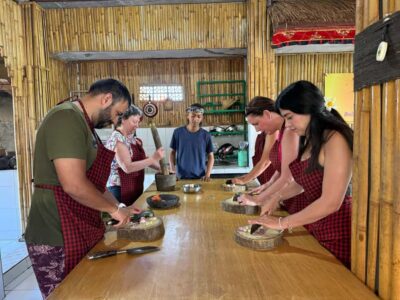
You’ll also get what you need to cook: all ingredients and equipment are provided. That’s part of the value here. You’re not paying to rent gear or track down weird specialty items later. The work is the point, and the team supplies the rest.
Harvest native herbs, touch rhizomes, and learn by smelling
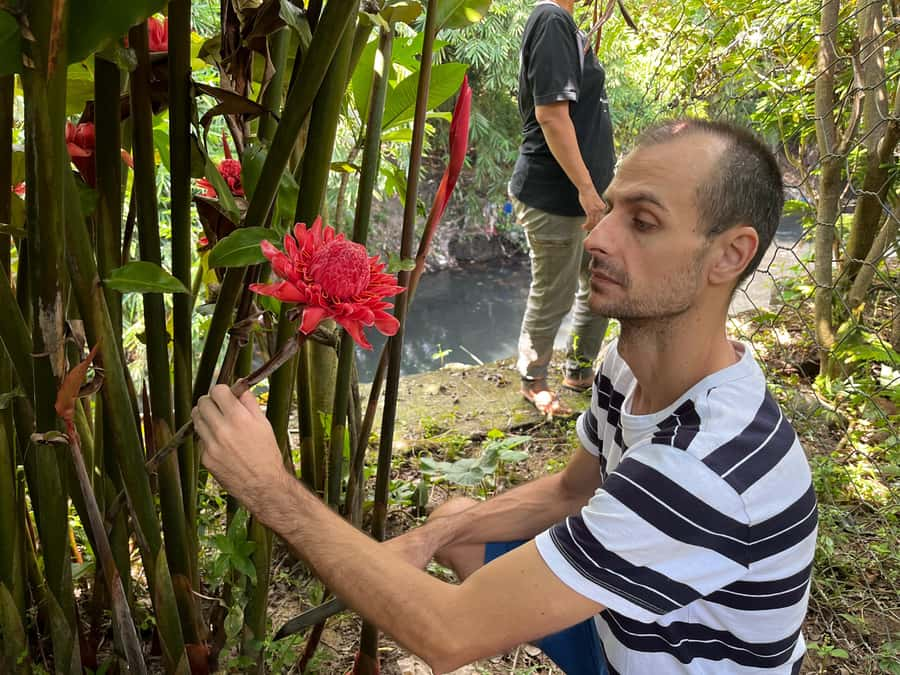
This is the section that most people remember. The class starts with harvesting native herbs from the garden, and it’s hands-on in the most practical way. You’ll work with fresh raw ingredients—plants, spices, and rhizomes—so you can understand what you’re about to cook before you heat anything up.
Here’s why that matters for you as a cook (even a casual one):
- When you process herbs and spices first, the flavors make sense later. You won’t feel like someone threw a mystery powder into your pan.
- You’ll notice differences in texture and aroma that you simply can’t pick up from jars.
- You learn what to treat gently and what can handle heat, because you’ve already touched the real ingredient.
Expect a calm garden experience with cute cats around, too. It sounds like a small detail, but it changes the mood. You’re not rushed into cooking. You’re guided through ingredients in a setting that feels slower and more local.
The hands-on cooking part: making Javanese dishes step by step
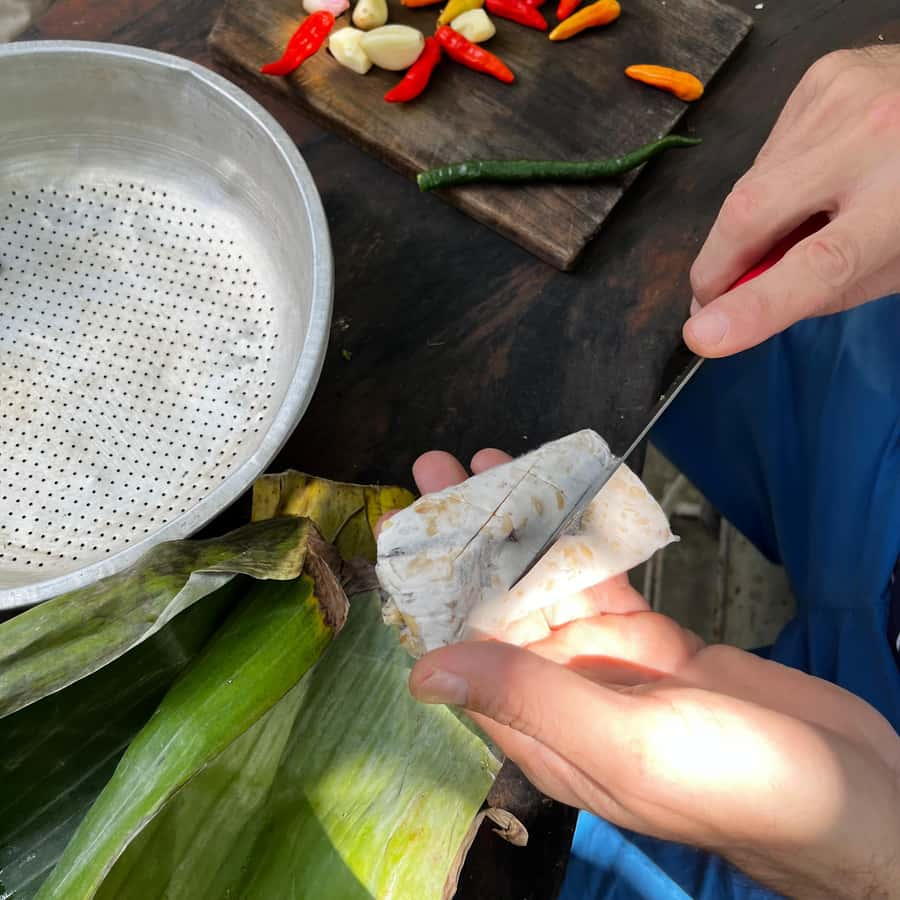
After the garden harvest, you shift fully into cooking. This is where you’ll learn traditional Javanese dishes with guidance from an English-speaking instructor. Because it’s a private group, you should feel comfortable asking for clarification—about ratios, timing, or how to know something is ready.
You’ll be processing and cooking several dishes across the session, and the class isn’t just about one big signature recipe. The menu is designed to show a range of Indonesian flavor styles:
- fresh, tangy components (especially in rujak)
- savory frying and saucing
- ingredient-heavy comfort food like tempeh and tofu
- heat and aroma from chili and lemongrass-style flavors
As you work, you’ll also talk about Indonesian culture as you prepare the meal. I like that integration because it’s not random facts. It connects the food to everyday life—how people think about ingredients, community meals, and sharing plates.
Your menu: 6 dishes you’ll actually make
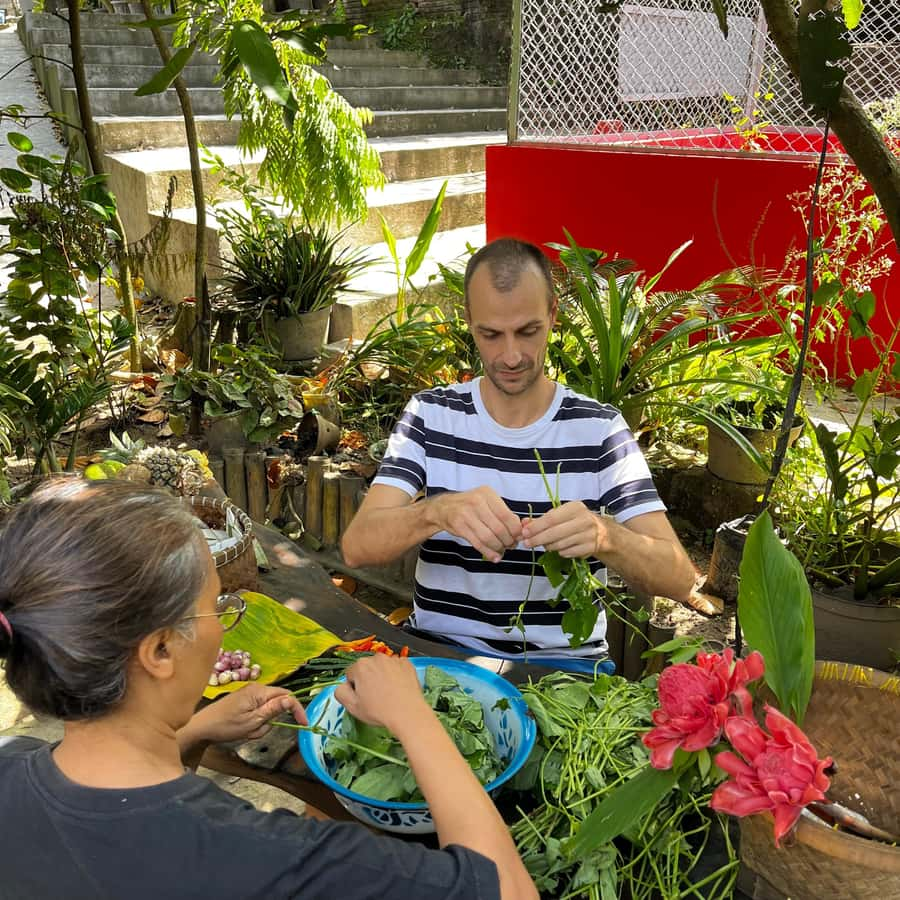
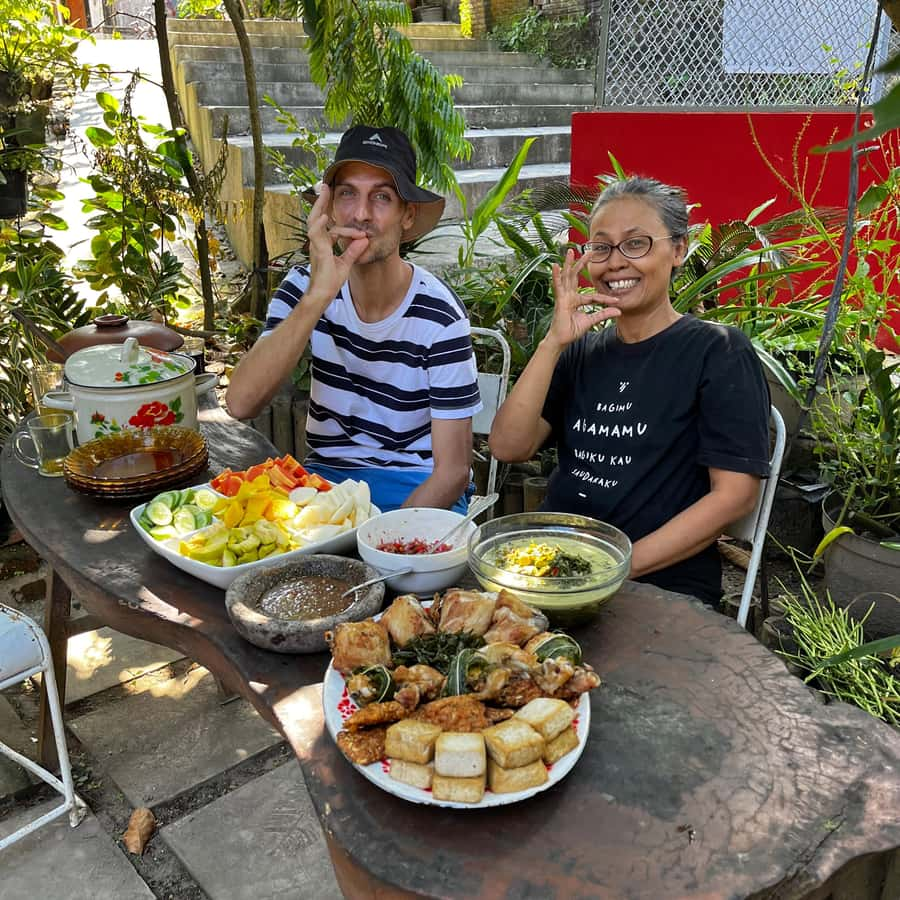
You prepare six local dishes, and lunch is built from what you cook. That’s a key reason the price feels fair. You’re not paying only for instruction; you’re paying for a full meal outcome you can take home as real knowledge.
Here’s what’s included in the cooking menu:
- Vegetable rujak mixed with peanut sauce
- Fried chicken with curry leaves
- Fried/boiled tofu
- Tempeh
- Balinese lemongrass chili sauce
- Local fruit rujak
A few practical notes on what these dishes teach you:

Rujak teaches balance
Vegetable and fruit rujak are both rujak styles, but they feel different. You’ll get experience working with sweet-sour-tangy flavor building blocks and then pairing them with a peanut sauce component. If you’ve only eaten rujak from a street stall, making it yourself helps you understand why it tastes both bright and comforting.
Curry leaves show up fast in the aroma
Fried chicken with curry leaves is a great lesson in how quickly aromatics do their job. Curry leaves don’t behave like bland seasoning—they bring a specific fragrance that changes the whole vibe of the dish. You’ll learn that timing and handling matter.
Tofu and tempeh help you cook with texture
Tofu and tempeh are perfect for learning technique because they react differently to heat. You’re likely to work with both fried/boiled approaches, and that’s useful if you want to bring home more than one method. Tempeh especially teaches you how Indonesian meals use fermentation and seasoning for depth without complicated steps.
Lemongrass chili sauce adds heat with character
The Balinese lemongrass chili sauce is where you get aroma + spice together. It’s not just about being hot; it’s about building flavor that smells good even before you taste it. It’s also a great bridge to Indonesian and Balinese flavor worlds without needing a separate class.
Lunch feels like a reward, not an afterthought
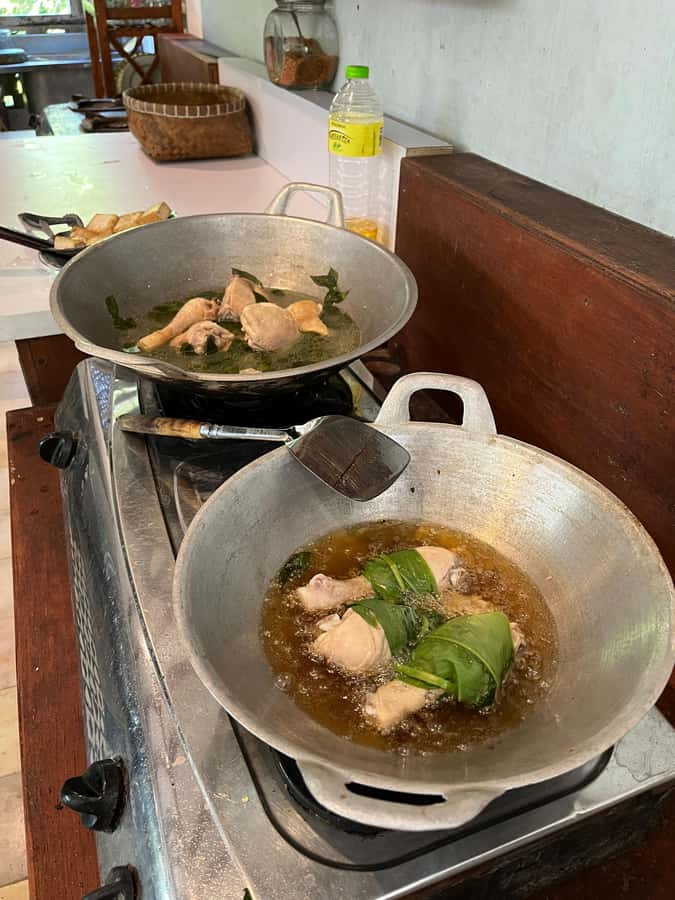
Lunch is included, and it’s the meal from the dishes you prepare. That matters because you’ll have momentum from the cooking process, not the usual end-of-class “here’s your plate” moment that can feel disconnected.
I like included meals because they remove decision fatigue. You don’t need to figure out where to eat afterward or what to order. You also get to taste your own work while it’s still fresh and warm—ideal for understanding what you did right, and what you might adjust next time.
You’ll also have drinks provided during the class. For a cooking day, that’s a quiet but important comfort: you’ll work with strong scents and spice levels, and a cool drink helps you reset.
English instruction and private group value
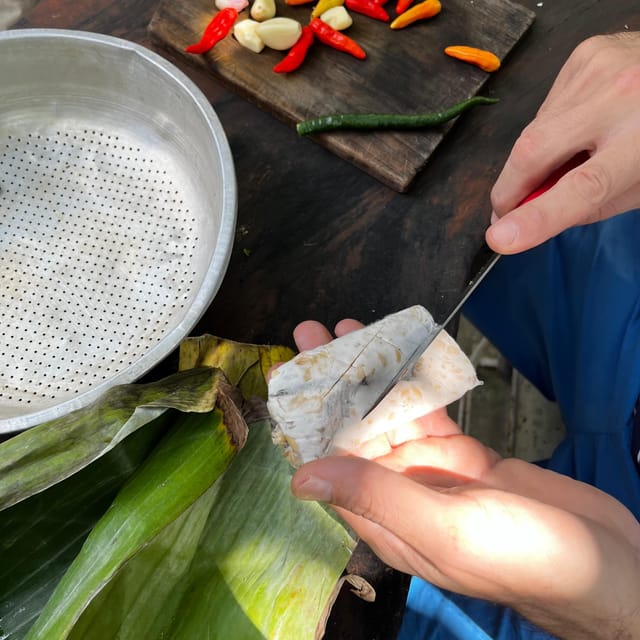
The instructor is English-speaking, and the experience is set up as a private group. For you, that usually means two things:
1) You can get direct answers when something doesn’t make sense.
2) You can move at a comfortable pace—especially during ingredient prep.
This is particularly valuable when you’re learning about herbs, rhizomes, and spices where names alone won’t help. You need to see, smell, and touch. And when you can ask questions in English, you’ll avoid the frustration of guessing.
Culture talk and what you can take home
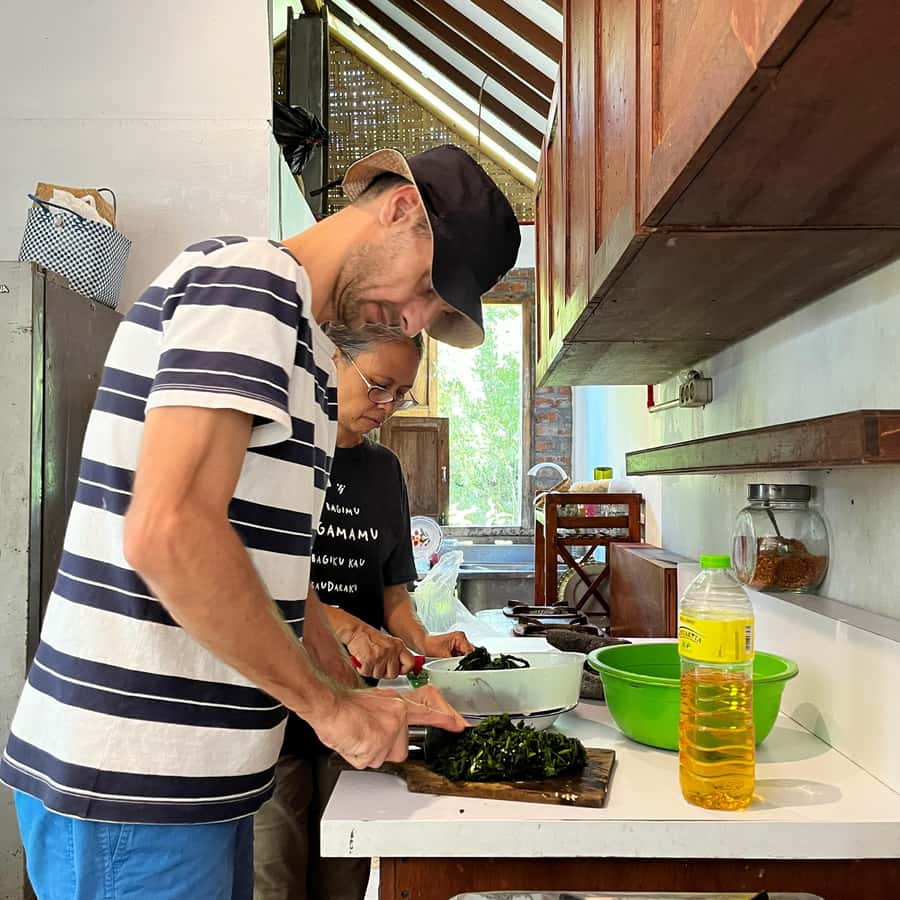
One of the more practical parts is that you’ll discuss Indonesian culture as you cook. That doesn’t mean it turns into a lecture. In the best classes, culture talk is woven into the why behind ingredients and food habits: why certain flavors show up together, why sharing matters, and how common ingredients shape regional cooking.
If you want to take home more than recipes, this is the section that does it. You’ll learn how the food system works—ingredients first, then technique, then balancing flavors.
Price and value in plain terms
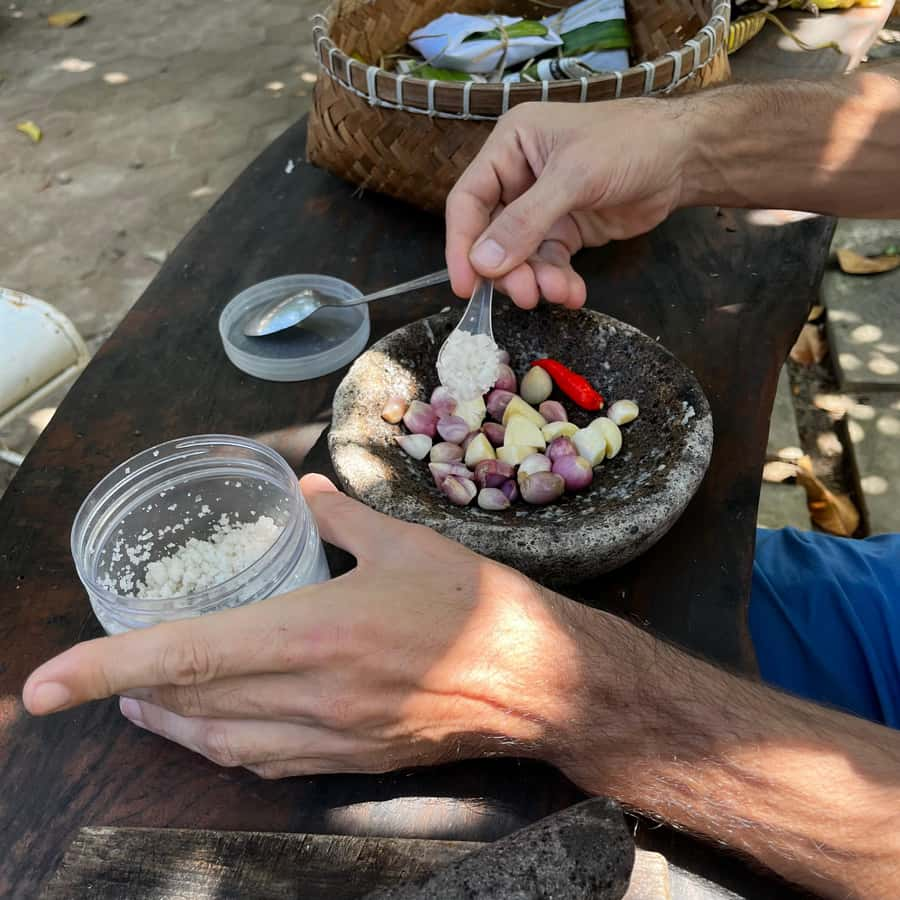
It costs $38 per person for about 5 hours, including lunch, drinks, a welcome drink, and all cooking materials. For a Yogyakarta activity, that price feels like you’re paying for a complete experience, not just a short demo.
Here’s what you’re getting for the money:
- instruction in English
- a garden herb harvest component (real ingredient learning)
- equipment and ingredients provided
- hands-on cooking for six dishes
- lunch made from your own cooking
- drinks included
The value drops a bit only if you expected a relaxed, mostly-watching activity. This is hands-on by design, and it’s best if you’re comfortable getting involved.
What kind of traveler should book this
This cooking class fits best if you:
- want authentic Indonesian flavor you can replicate later
- like practical food education, not just eating
- enjoy garden-to-plate experiences and learning ingredients firsthand
- prefer a smaller, personal setting (private group)
It may not fit as well if you:
- hate hands-on food prep (you’ll be processing fresh ingredients)
- need a hotel shuttle for logistics, since that isn’t included
Should you book the Indonesian Cooking Class in Yogyakarta?
If you want a real food lesson in Java, I think you should book it. The biggest win is the ingredient start point: harvesting native herbs and working with fresh raw plants before you cook. That alone tends to make the finished dishes taste more meaningful, and it helps you remember what to do next time you’re in your own kitchen.
Book this if rujak, tempeh, tofu, and curry leaf flavors sound appealing, and if you’re happy spending a full afternoon cooking and eating what you make. Skip it if you’re looking for an easy sightseeing-only afternoon, or if you strongly rely on hotel pickup since there’s no shuttle included.
FAQ
What dishes will I cook in the class?
You will prepare six local dishes: vegetable rujak with peanut sauce, fried chicken with curry leaves, fried/boiled tofu, tempeh, Balinese lemongrass chili sauce, and local fruit rujak.
Is lunch included?
Yes. Lunch is included, and it features the dishes you prepare in the class.
What is included besides the food?
You get cooking materials (ingredients and equipment), a welcome drink, and additional drinks during the experience.
Do they provide a welcome drink?
Yes. You can choose from tamarind turmeric, tamarind sugar, or lemongrass tea.
How long is the cooking class?
The duration is about 5 hours. Starting times depend on availability, so you’ll want to check before booking.
Is the class taught in English?
Yes. The instructor is listed as English-speaking.
Is there any free cancellation?
Yes. Free cancellation is available up to 24 hours in advance for a full refund.