REVIEW · SHANGHAI
Private Wet Market Visit with Cooking Class in Shanghai
Book on Viator →Operated by China Vacation · Bookable on Viator
Smells hit first, then the skills click. This private half-day combines wet market shopping with a hands-on cooking class in a local home. You’ll learn what makes Shanghai ingredients work together, from fresh produce and seafood to the snacks you might only know by reputation.
I love the private format—your English-speaking guide can slow down for questions and tailor pacing to your comfort level. I also like that you’re not just watching: you cook a 3-course meal and then sit down for lunch right after.
The main thing to weigh is that a wet market is not gentle on the senses. Strong odors, unfamiliar foods, and busy stalls are part of the deal, so go in prepared—and tell your guide about any allergies or dietary needs upfront.
In This Review
- Key Things I’d Plan For
- Why Shanghai Wet Markets Belong on Your Food List
- The 9:00 am Private Setup That Keeps the Day Moving
- Inside the Wet Market: What You’ll Actually Be Looking At
- From Market to Home: The Real Kitchen Moment
- The 3-Course Cooking Class: Skills You Can Reuse Later
- Lunch at the Table: Eating the Outcome (Not Just the Lesson)
- Price and Value: Is $238 per Person Fair?
- Who This Tour Suits Best (and Who It Doesn’t)
- A Practical Warning: Confirm Close to Start Time
- Should You Book This Wet Market Cooking Class in Shanghai?
- FAQ
- What time does the tour start, and how long does it last?
- Is hotel pickup and drop-off included?
- Is this a private tour or a shared group?
- What do I cook during the class?
- Does the tour include lunch?
- Can the tour accommodate vegetarian diets or allergies?
- What’s included in the price besides the guide?
Key Things I’d Plan For
- Hotel pickup and drop-off make the day simple, especially with a 9:00 am start and about 4 hours total time.
- Private English-speaking guide means more Q&A while you shop and cook.
- Wet market samplers are offered for unfamiliar items, including century egg and stinky tofu.
- A 3-course structure (main + seasonal vegetable + dim sum) gives you a clear learning path.
- Lunch is included so you eat what you make, not just a lecture and goodbye.
- Communication matters: one past cancellation happened because the operator couldn’t be reached close to start time.
Why Shanghai Wet Markets Belong on Your Food List
Shanghai wet markets are where the city’s food habits show up in real life. Instead of plastic packs and factory labels, you see the ingredients people buy for tonight’s dinner. You also pick up how shopkeepers think—what looks best today, what’s moving fast, and what’s worth trying even if you’re unsure.
This tour is built around that exact idea: start with the market, then cook the meal from what you learn. That order matters. When you’ve walked the stalls and heard what your guide thinks you should notice—seasonality, freshness, and how certain foods get used—you cook with more confidence. You’re not guessing. You’re translating what you saw into a plate.
And yes, the senses can be intense. Wet markets are often loud, crowded, and full of seafood and produce smells. If you’re the type who gets bothered by close-up food aromas, take that seriously. If you can handle it with good humor and maybe keep your camera put away for a bit, you’ll get a memorable education fast.
You can also read our reviews of more tours and experiences in Shanghai.
The 9:00 am Private Setup That Keeps the Day Moving
The day starts at 9:00 am, with this activity ending back at the meeting point. Hotel pickup and drop-off are included, which is a big deal in Shanghai—traffic and distances can turn a “half-day” into a full-day headache when you do it on your own.
This is also a true private experience. Only your group participates, so you’re not squeezed into a large class where half the questions go unanswered. You’ll meet your chef-guide directly at your hotel and head out to the market with a plan.
Your guide is an important part of the value here. In at least one example of a well-run class, the guide was named Kenny, and the cooking experience was praised for the instruction style. That matches what you should look for on a private class: someone who can explain while staying patient, and who can step in if you get nervous in the kitchen.
One practical note: this tour is about three courses and lunch, not a long sightseeing binge. You’re choosing focus over volume. If you want a day packed with neighborhoods and landmarks, this is probably not your one-stop choice. If you want a food education you can taste, it’s a strong fit.
Inside the Wet Market: What You’ll Actually Be Looking At
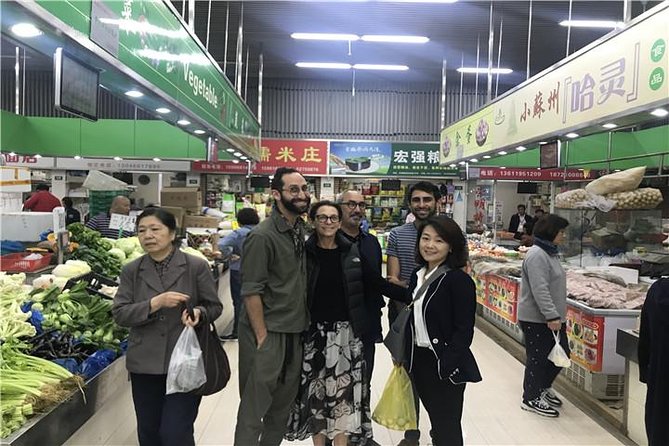
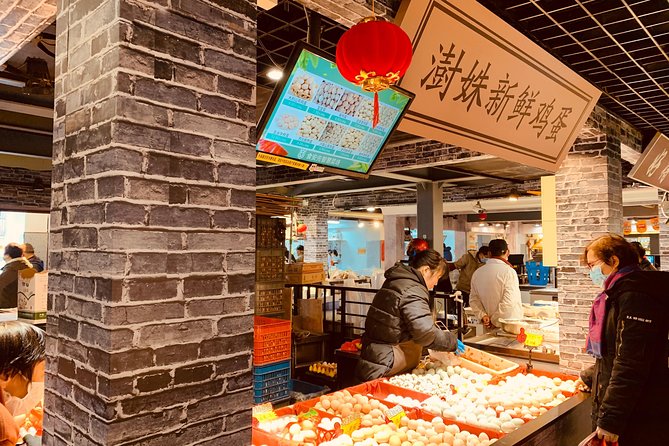
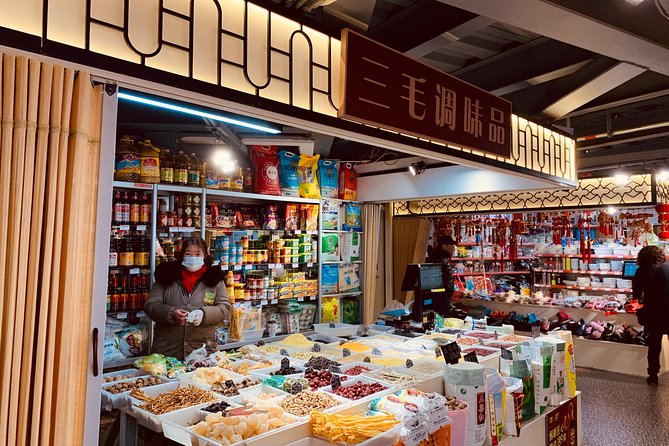
The wet market stop is the heart of this experience. Your guide takes you to see what daily shopping looks like—fresh produce, seafood, and other ingredients sold at street-level scale. This is the moment where you learn how ingredients move from stall to kitchen.
What makes this stop especially useful is that it’s not just sightseeing. If you’re unfamiliar with something, your guide helps you buy samplers to try. The specific examples mentioned include:
- Hundred years egg (century egg)
- Stinky tofu
- Unfamiliar seasonal fruit
You don’t have to go full fearless. But I like that you’re given an option that sits between “I’ll try nothing” and “I’ll order a whole bowl of the weird thing.” Samplers help you test flavors and textures without committing to something too intense.
As you walk the stalls, ask questions like:
- What looks best today, not what’s best in theory?
- How do different ingredients taste when cooked versus eaten raw?
- Which items are used more often in home cooking?
Your guide can also help you if you’re dealing with allergies or you follow a diet. The tour info is clear that you should inform them at booking. That’s crucial because wet markets include lots of ingredients that can overlap across dishes.
The possible drawback? The market is physical. If you’re dealing with motion discomfort, or if you hate close-up smells, plan to take breaks. Also, wear shoes that can handle uneven flooring and lots of standing.
From Market to Home: The Real Kitchen Moment
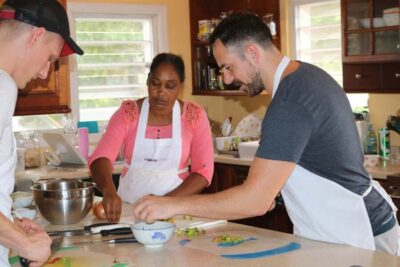
After shopping, you head to the local chef’s home for the cooking class. This is where the day stops being a food walk and turns into a real skill-building session.
A house kitchen can feel surprisingly different from a commercial cooking school. You’re usually working with the rhythms of home cooking: practical tools, straightforward steps, and an instructor who expects you to follow along, not to watch from a safe distance. That’s why private classes work well here—you’re more likely to get individual attention when something doesn’t make sense.
Also, because you just shopped, you’ll understand why the chef picked certain ingredients. That makes the lesson stick. You’re not memorizing recipes for later. You’re watching ingredients transform.
You should also know the class is built around three courses chosen for the session:
- 1 main course
- 1 seasonal vegetable dish
- 1 dim sum item
Your guide can also adjust based on special dietary requirements or allergies if you inform them ahead of time. If you’re vegetarian, you’re asked to notify at booking. That’s the kind of detail that determines whether the class feels like a real fit or an awkward workaround.
The 3-Course Cooking Class: Skills You Can Reuse Later
The structure here is simple: you learn three different dishes in one half-day. That’s a sweet spot. Too short, and you only learn one technique. Too long, and you get tired before anything clicks. With main + seasonal vegetable + dim sum, you get a mix of cooking styles and textures in a single session.
Here’s how I’d think about what you’ll learn, even if the exact dishes change:
- Main course: you’ll focus on core flavor-building—seasoning, balancing salty/sweet/savory elements, and getting the ingredient cooked properly.
- Seasonal vegetable: you’ll see how Chinese home cooks treat vegetables as more than a side—often with simple methods that keep texture and taste.
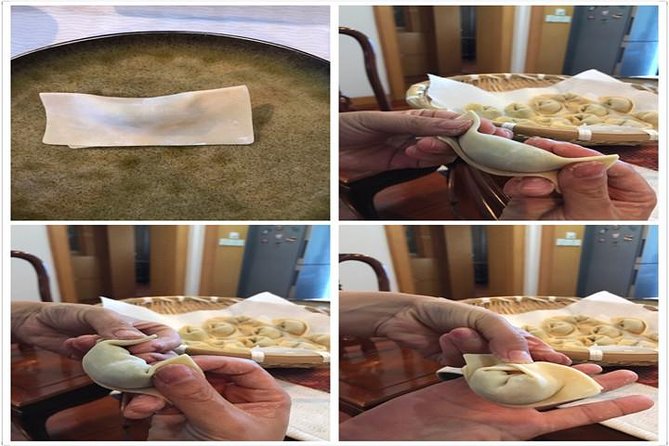
- Dim sum: you’ll practice a different type of attention. Dim sum is often about assembling and shaping, and then trusting the cooking process to finish the job.
Because this is a private class with a guide, you’re not stuck copying blindly. You can ask why something is done a certain way, and you can get corrections while you cook. That’s what turns a recipe into actual knowledge.
One more detail I appreciate: the tour includes cooking material. That means you’re not hunting for gear or paying extra for ingredients and supplies the way some cooking experiences do.
If you’re hoping to take home a full printed recipe for every dish, that’s not specified. What you will take home is a cooking workflow and food intuition. After doing this, you’ll understand what to look for next time you’re shopping or ordering in Shanghai.
Lunch at the Table: Eating the Outcome (Not Just the Lesson)
After cooking, you sit down and enjoy what you made. This matters more than people think. A lot of cooking classes turn into a messy taste test, then everyone leaves. Here, lunch is included, and you get to eat the result as a meal.
You also get bottled water included. Small comfort, but worth noting when you’ve been in a market and then cooking in a home kitchen.
This meal isn’t just about calories. It’s your quality check. If a dish tastes off, your guide can often explain what caused it and what you can tweak for next time. And if you nailed it, you’ll know exactly what you did right.
If you tried samplers at the wet market—like century egg or stinky tofu—this lunch can feel like the finish to a mini story. You taste the ingredients you saw and the cooking approach that makes Shanghai flavors work together.
Price and Value: Is $238 per Person Fair?
At $238 per person for about 4 hours, this isn’t a budget activity. But it also isn’t a “pay for a photo” experience. You’re paying for several things that add up quickly if you tried to recreate them yourself:
- Private English-speaking guide
- Hotel pickup and drop-off
- Wet market access
- Cooking material
- Lunch
- Bottled water
The private part is the big driver. You’re not sharing a chef-guide with a large group, and you’re not learning with constant interruptions. That’s what makes the shopping-to-cooking flow actually work.
You might also see group discounts, though the exact structure isn’t spelled out here. If you’re traveling with a friend or small group, it can help your overall value.
My honest take: this is good value if you truly want hands-on cooking and ingredient education, and you’re okay with the wet market environment. If you’re mainly looking for a general food tour, you can likely find cheaper options. But if you want to cook and eat a meal designed around what Shanghai shoppers buy, this price starts to make sense.
Who This Tour Suits Best (and Who It Doesn’t)
This private wet market + cooking class fits best if you:
- Like learning by doing, not just by listening
- Want a food-focused Shanghai experience in a half-day
- Prefer private instruction over group pacing
- Enjoy trying new foods with guidance (samplers help)
It may feel less ideal if you:
- Strongly dislike seafood smells or crowded markets
- Have complicated dietary restrictions and you haven’t told the operator at booking
- Want lots of sightseeing time beyond food
It’s also a nice choice for couples and solo food lovers. The private format makes it feel like a tailored day, not a checklist item.
A Practical Warning: Confirm Close to Start Time
One element from prior experience that stands out is communication. In one case, the tour couldn’t happen because the operator could not be reached by phone, email, or WhatsApp up until about 30 minutes before the start. That person then missed the chance during a once-in-a-lifetime Shanghai trip, even though a refund was promised.
You can’t control every operational hiccup, but you can reduce your risk. Before your tour day:
- Save the operator and guide contact info
- Double-check the meeting details the day before
- Have a backup plan for getting to the meeting point in case timing or pickup changes
This tour includes hotel pickup and drop-off, so communication is extra important. If you’re the kind of person who sleeps late on vacation, set an alarm. Wet market mornings don’t wait.
Should You Book This Wet Market Cooking Class in Shanghai?
If your idea of a great Shanghai day is: shop for real ingredients, cook a real meal, and eat the result with a guide who can explain what you’re doing—then yes, you should book it.
Do it especially if you want a structured lesson (main + seasonal vegetable + dim sum) and a private experience with an English-speaking guide. The market stop with sampler options for foods like century egg and stinky tofu is also a major perk, because it turns curiosity into something you can actually taste.
If you’re easily overwhelmed by strong smells or you need very specific dietary handling, book with care and message your needs clearly at booking. And if you’re traveling during a tight schedule, confirm details promptly so you’re not stuck waiting near the start time.
Overall, this is the kind of half-day that gives you a skill, not just a photo.
FAQ
What time does the tour start, and how long does it last?
The tour starts at 9:00 am and lasts about 4 hours.
Is hotel pickup and drop-off included?
Yes. Hotel pickup and drop-off are included.
Is this a private tour or a shared group?
It’s a private tour/activity. Only your group will participate.
What do I cook during the class?
You cook a 3-course meal: 1 main course, 1 seasonal vegetable, and 1 dim sum item.
Does the tour include lunch?
Yes. Lunch is included, and you eat what you cook.
Can the tour accommodate vegetarian diets or allergies?
If you’re vegetarian, you should notify at the time of booking. If you have allergies, specify them in advance.
What’s included in the price besides the guide?
The tour includes cooking material, lunch, bottled water, and the private English-speaking guide, plus hotel pickup and drop-off.