REVIEW · NEGOMBO
Cooking Class and Market Visit in Negombo
Book on Viator →Operated by Real Lanka Holidays · Bookable on Viator
Spices start before the stove. This Negombo cooking class pairs a hands-on market stop with an at-home style lesson, so you understand what you’re buying and why it matters in Sri Lankan food. I especially like the way you pick ingredients first, then turn them into a proper meal—curries, sambols, and rice—rather than just watching.
Two things I really liked: the market gives you a feel for everyday local shopping, and the class is practical enough that you’ll leave knowing how to cook a full spread. One consideration: the schedule is tight, with only 30 minutes in the market and about 90 minutes cooking, so you’ll want to pay attention and move with the group.
In This Review
- Key highlights you’ll feel right away
- Entering Negombo through the market first
- The two-part timing: pickup windows and a 3-hour plan
- The Negombo Vegetable Market: what you’ll actually learn
- Cooking class at a Sri Lankan home style kitchen
- What you’ll likely cook: curries, sambols, and rice
- Why the guide matters: Shashi and the value of real instruction
- Pickup, private format, and who this fits best
- Price and value: is $70 for 3 hours worth it?
- Practical tips to get the most from your class
- Should you book Cooking Class and Market Visit in Negombo?
- FAQ
- How long is the cooking class and market visit in Negombo?
- Does the tour include hotel pickup and drop-off?
- What time is pickup available?
- How much time is spent at the market?
- Is this a private tour or shared group?
- What is the cancellation policy?
Key highlights you’ll feel right away
- Market-first learning so spices, fish, and produce make sense in context
- Hands-on cooking with guidance focused on traditional Sri Lankan techniques
- A full meal goal instead of a snack-sized demo
- Seafood options shown through dishes like tuna curry and devilled prawn style
- Shashi-led hosting noted in standout feedback for clear, capable guidance
- Private group format so your questions don’t get lost
Entering Negombo through the market first
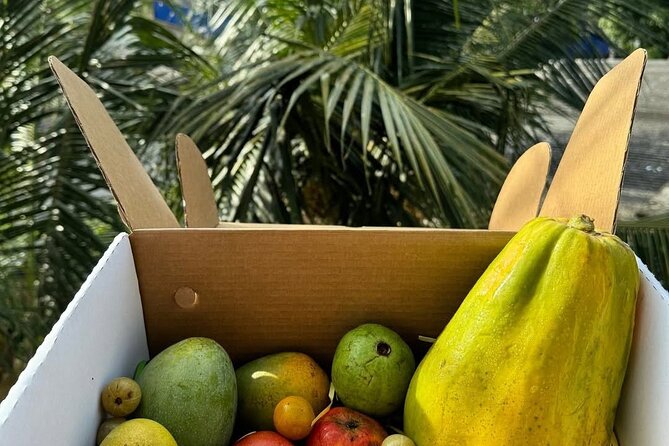
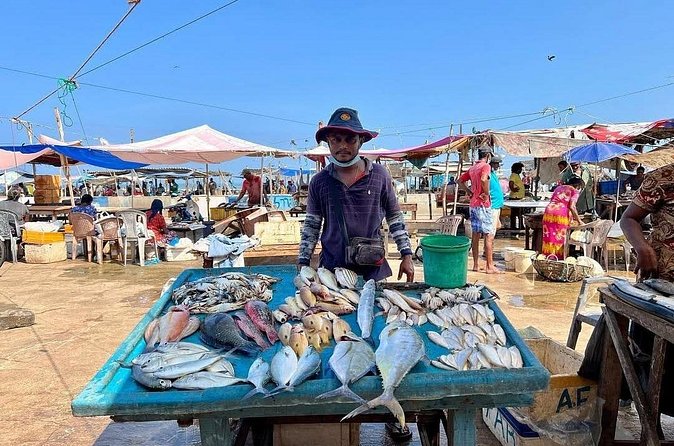
If you want Sri Lanka to taste like real life, start where locals shop. In Negombo, the day begins at the Negombo Vegetable Market, where you’ll see how people choose produce, spices, and ingredients that show up in everyday meals. You’re not just collecting items—you’re learning what to look for, which is the biggest advantage of this type of class.
The market portion is short (about 30 minutes), but that’s actually a good fit for travelers with limited time. You get a guided walk, time to look closely, and enough structure to avoid feeling overwhelmed. You’ll also pick up useful habits for later: how fresh fruit and vegetables are handled, how spices are used, and how seafood is treated as a normal part of the menu.
You’ll also notice that Sri Lankan cooking isn’t one-note. It’s influenced by Indian, Arab, Portuguese, Dutch, and Malay food traditions, which shows up in the balance of rice, coconut, vegetables, and seafood. Even if you’ve never cooked Sri Lankan food before, this helps you understand why flavors are layered, not random.
You can also read our reviews of more tours and experiences in Negombo.

The two-part timing: pickup windows and a 3-hour plan
This tour runs in two possible day slots: a pickup between 11:00 am and 12:00 pm, or a pickup between 6:00 pm and 7:00 pm. It’s designed as a compact, easy-to-fit experience—about 3 hours total—so you can plan around it without dedicating your whole day.
Here’s the rhythm you’ll follow:
- Pickup from your Negombo hotel within the pickup window
- Short drive to the market (about 15 minutes), then about 30 minutes visiting
- Drive to the cooking location (about 10 minutes), then about 1 hour 30 minutes cooking
- Return to Negombo hotel (about 15 minutes drive)
That timing matters. A market lesson that’s too long turns into sightseeing. This one stays focused, so you can connect what you choose to what you cook. If you’re the type who likes learning but also hates long tours, this schedule is a nice compromise.
The Negombo Vegetable Market: what you’ll actually learn
The Negombo Vegetable Market is the place where Sri Lankan cooking starts to make sense. You’ll walk among stalls of produce and spices and get a guided introduction to how vendors and shoppers think. The key here is ingredient selection: how you decide what’s fresh, what looks right for curry, and what will behave well in the pan.
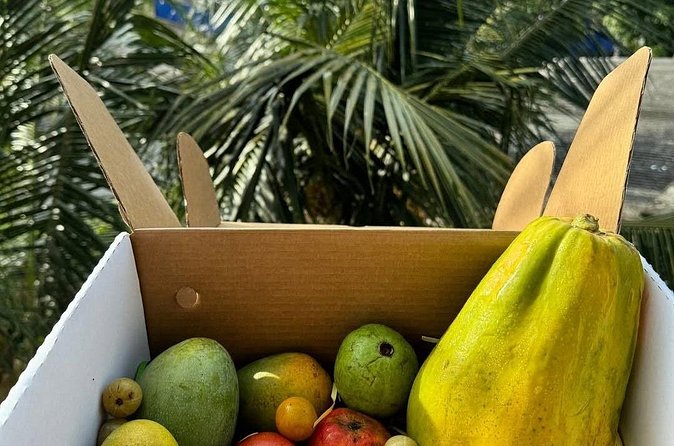
You’ll also see fruit and vegetables that aren’t always common in export-focused grocery stores. That helps you understand why Sri Lankan dishes often feel both familiar and different—same goal (good flavor), different ingredients and techniques.
A practical tip: wear shoes you don’t mind getting slightly dusty. Markets can be a bit uneven underfoot, and you’ll likely stand and move more than you expect for a “short visit.” Bring a light layer, too, because mornings and evenings in coastal Negombo can shift from warm to breezy.
Cooking class at a Sri Lankan home style kitchen
After the market, you’ll head to the cooking space for the main event. Expect a structured lesson built around Sri Lankan methods—how to build flavor step by step, how spices are handled, and how coconut-based curries get their body. Even if you’re not a confident cook, the format is set up so you can follow along and actively participate.
You’re also aiming for multiple dishes, not one single recipe. That’s a huge value boost. Sri Lankan meals typically work as a set: rice plus curries plus condiments like sambols, so the meal tastes complete rather than like separate experiments.
One standout from the feedback is the emphasis on real flavors made from scratch. People have mentioned dishes like tuna curry and devilled prawn style, which are great examples of how Sri Lankan cooking balances heat, tang, and spice aroma. If you’re a seafood fan, this is where the experience becomes more than cultural tourism.
What you’ll likely cook: curries, sambols, and rice
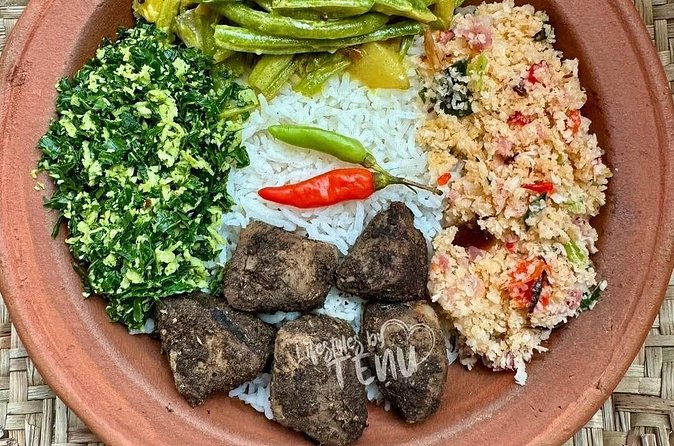
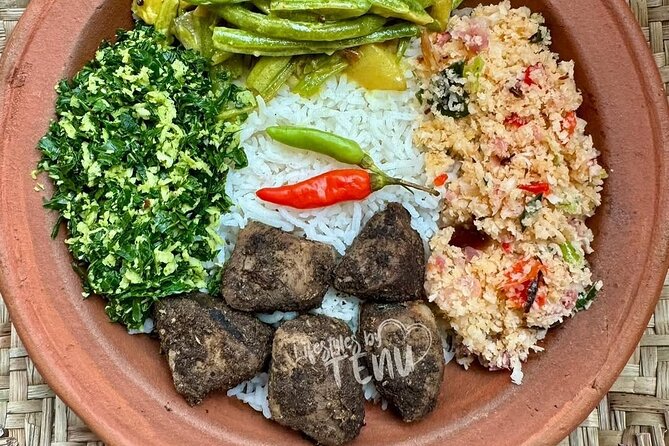
The exact menu can vary, but the class is built around signature Sri Lankan staples: coconut-based curries, spicy sambols, and rice. This is important because it keeps the learning coherent. You’re practicing the components that show up again and again in Sri Lankan cooking, so skills transfer to what you cook later at home.
Here’s what you can expect to taste and learn:
- Coconut curries: You’ll work with the base that gives Sri Lankan curries their smooth texture and layered flavor
- Spicy sambols: These are where chili, freshness, and seasoning balance come into play
- Proper rice: Not just “cook rice,” but understand what makes rice work as the center of the plate
- Seafood or plant-forward options: Feedback includes tuna and devilled prawn styles, which are classic Sri Lankan flavors
Also, watch for ingredients like curry leaves, cinnamon, chili, and fresh herbs. Even if you don’t memorize every jar name, you’ll start recognizing the scent patterns that define the cuisine. That recognition is what helps you recreate dishes later without needing a full Sri Lankan pantry.
Why the guide matters: Shashi and the value of real instruction
A big reason this class gets strong ratings is the hosting and instruction style. In particular, Shashi is mentioned as an excellent, knowledgeable host who keeps the process clear. That kind of guidance matters because cooking classes can fall into two traps: either you do too little (watch and take notes), or you’re thrown in with no structure.
A good guide turns the chaos into a teachable sequence. You’ll learn what to prep, when to add spices, how to adjust flavor while cooking, and how to avoid common mistakes. Even if your first attempt at Sri Lankan curry isn’t perfect later, the lesson helps you troubleshoot like a cook, not like a tourist guessing.
Pickup, private format, and who this fits best
This is a private tour/activity, meaning only your group participates. That affects the whole experience: you get more attention, more chances to ask questions, and less pressure to keep up with strangers. If you’re traveling with kids, friends, or anyone with dietary needs, a private format can be a lifesaver, though the tour description doesn’t list specific dietary handling—so ask questions when booking.
The tour also offers pickup from your Negombo hotel, which is a real convenience. Many cooking experiences require you to meet in a location you don’t know. Here, you’re handled from the start, and you’re dropped back afterward.
This class is a strong fit for:
- Food lovers who want hands-on skills, not only photos
- Travelers who like market visits but don’t want a full half-day commitment
- Anyone curious about Sri Lankan staples like coconut curries and sambols
- Groups that want a private pace rather than a crowded tour vibe
Price and value: is $70 for 3 hours worth it?
At $70 per person for about 3 hours, the value depends on what you want out of the experience. If you’re looking for a quick taste, that price may feel high. If you want a market-and-cooking combo that results in a full Sri Lankan meal and actual technique, it starts to make sense.
Here’s where the value comes from:
- You’re paying for guided shopping, not just entry into a market
- You’re paying for hands-on cooking time with instruction
- You get a complete meal experience, which is hard to recreate cheaply without time
- Pickup and drop-off reduce hassle costs in time and transport
Also, there’s group discounting, which can make it noticeably better if you’re traveling with friends. And since this is commonly booked about 35 days in advance, it’s a popular format—so plan ahead if your dates are fixed.
Practical tips to get the most from your class
You’ll have the best experience if you treat this like a cooking workshop, not a casual stroll.
- Ask what each spice is doing. Even a short explanation helps you understand flavor structure.
- Take note of texture cues. Sri Lankan curry thickness and sambol consistency matter more than exact timing.
- Move with confidence at the market. You only have about 30 minutes there, so don’t get stuck indecisive.
- Bring a small bag for items and notes. Some tours allow ingredient takeaways; this one promises a mobile ticket, but it doesn’t list take-home goods—so check when confirming.
- Arrive a bit early for pickup. Your schedule is tight and everything relies on the pickup window.
If you want to cook at home later, prioritize what you learn about the base flavors: coconut curry foundations, chili heat handling, and how rice fits the whole meal.
Should you book Cooking Class and Market Visit in Negombo?
Book this if you want the fastest path to authentic Sri Lankan flavor with real technique. The combination of a market walk and a hands-on cooking lesson makes the cuisine feel logical: you learn what you choose, then you learn how to turn it into dishes like coconut curries and sambols, with seafood options such as tuna or devilled prawn style showing up in feedback.
Skip it only if you want a longer market experience or a very relaxed cooking demo where you mostly observe. The pace is compact by design, and the value is tied to your participation.
If you like eating well and learning why the food tastes the way it does, this is a very solid use of a half-afternoon or early evening in Negombo.
FAQ
How long is the cooking class and market visit in Negombo?
The experience runs for about 3 hours in total.
Does the tour include hotel pickup and drop-off?
Yes. Pickup is offered from your Negombo hotel. You’ll also be dropped off back in Negombo after the class.
What time is pickup available?
Pickup is scheduled during two windows: 11:00 am to 12:00 pm for the day session, or 6:00 pm to 7:00 pm for the evening session.
How much time is spent at the market?
You’ll have about 30 minutes visiting the Negombo Vegetable Market.
Is this a private tour or shared group?
It’s a private tour/activity, so only your group will participate.
What is the cancellation policy?
You can cancel for free up to 24 hours in advance for a full refund. Changes made less than 24 hours before the start time aren’t accepted, and cancellations within 24 hours aren’t refunded.