REVIEW · TOKYO
Tokyo: Night Cooking Class: 5 Home-Cooked Japanese Dishes
Book on GetYourGuide →Operated by MagicalTrip · Bookable on GetYourGuide
Cooking and drinks go together like magic in Japan. This is a nighttime izakaya-style class where you learn five home dishes made for nomikai energy.
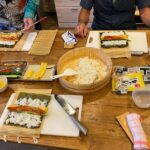
I like that it is truly hands-on, not a demo: you cook items like a sushi hand roll, Japanese rolled omelette, and miso-grilled eggplant. I also like the drink angle, since you’ll learn which sake or beer flavors work best with each plate.
One possible catch: alcohol and sake tasting are only for guests 20 and over, and the menu is not available for vegan or gluten-free diets.
In This Review
- Key Things to Know Before You Go
- A 3-Hour Izakaya-Style Class in Iriya, Tokyo
- Price and What You Really Get for $103
- The Five Home Dishes: What You’ll Cook and Why They Matter
- How the dishes connect to izakaya eating
- Sake, Beer, and Pairing Lessons That Actually Help
- Alcohol rules you should know now
- Your Guide: English Instruction and Real Technique Coaching
- Meeting Point and Getting There Without Stress
- Who This Is For (and When to Skip It)
- Tips to Get the Most Out of the Night
- Should You Book This Tokyo Night Cooking Class?
- FAQ
- How long is the Tokyo night cooking class?
- What’s included in the price?
- Are drinks included, and is sake available?
- Is this class vegetarian-friendly?
- Is it available for vegan or gluten-free diets?
- Where is the meeting point in Tokyo?
- What are the age restrictions for cooking and alcohol?
Key Things to Know Before You Go
- Izakaya-style food designed for drinking so each dish is meant to go with sake, beer, or soft drinks.
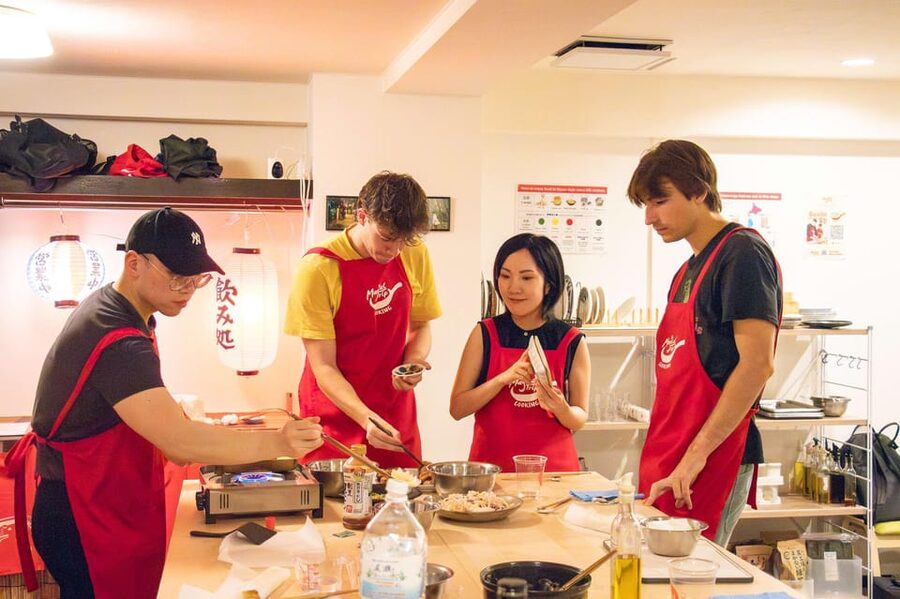
- Hands-on coaching for a set menu that includes sushi hand roll, rolled egg, and miso eggplant.
- Drink-pairing lessons so you learn the logic behind pairing, not just a random recommendation.
- Small group size (up to 6), which usually means you get help when you hit a tricky step.
- Take-home recipes and tour photos so the night sticks with you after you go back to your hotel.
- Age and heat rules: knife and heat are only for ages 12+ with adult supervision, and alcohol is 20+.
A 3-Hour Izakaya-Style Class in Iriya, Tokyo
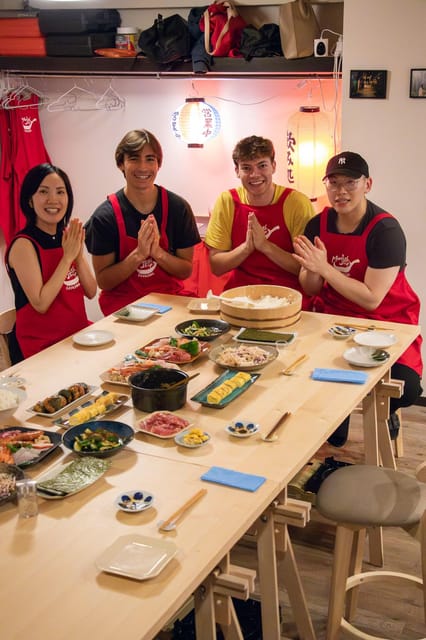
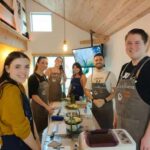
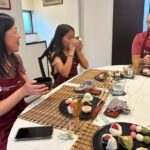
This is a compact, three-hour night activity built around the Japanese home-drinking vibe. Think small plates, casual pacing, and lots of practical cooking. You start the evening with a guide who helps you cook, then you eat in a way that mirrors an izakaya: you’re not just tasting food, you’re building flavor combos with drinks.
The location is in Iriya, and the class starts at a real street corner meeting point: in front of a FamilyMart next to the Gindako shop in Iriya Station Exit 2. There are two FamilyMarts in that area, so you want the one by Gindako and Doutor Coffee. It’s an easy fix, but it’s also one you’ll want to get right so you don’t arrive sweaty and five minutes late.
The class is English-led with a live local guide, and it caps at six participants. That matters because cooking classes can get crowded. Here, you’re more likely to get direct help while you’re working the stove or shaping food.
You can also read our reviews of more tours and experiences in Tokyo.

Price and What You Really Get for $103
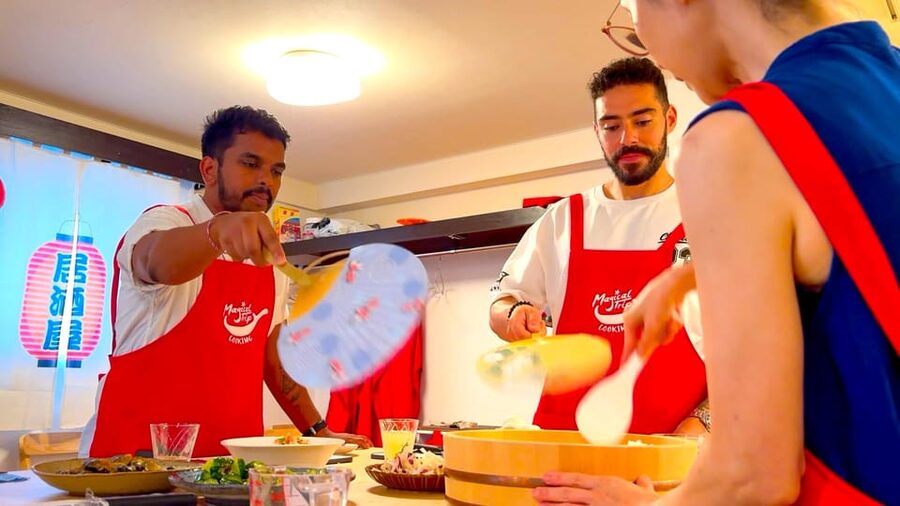
At $103 per person for about 3 hours, this isn’t a cheap snack tour. But it’s also not just paying for a meal. You’re paying for guided instruction, ingredients, equipment, and the fact that you walk out with the recipes (plus photos).
Here’s what you’re getting that makes the price feel more reasonable:
- Hands-on class (you actually make the food, including items that take technique).
- All ingredients and cooking gear are covered, so you’re not hunting down supplies.
- 3 cans of drinks included, alcoholic or soft drinks depending on age.
- Recipes to take home, which turns the experience into something you can repeat later.
- Small group format, which usually means less waiting and more coaching time.
If you like the idea of hosting a Japanese-themed night later, the take-home recipes are the money-maker. You’re not just buying entertainment; you’re collecting a skill set that fits an everyday home kitchen.
The Five Home Dishes: What You’ll Cook and Why They Matter
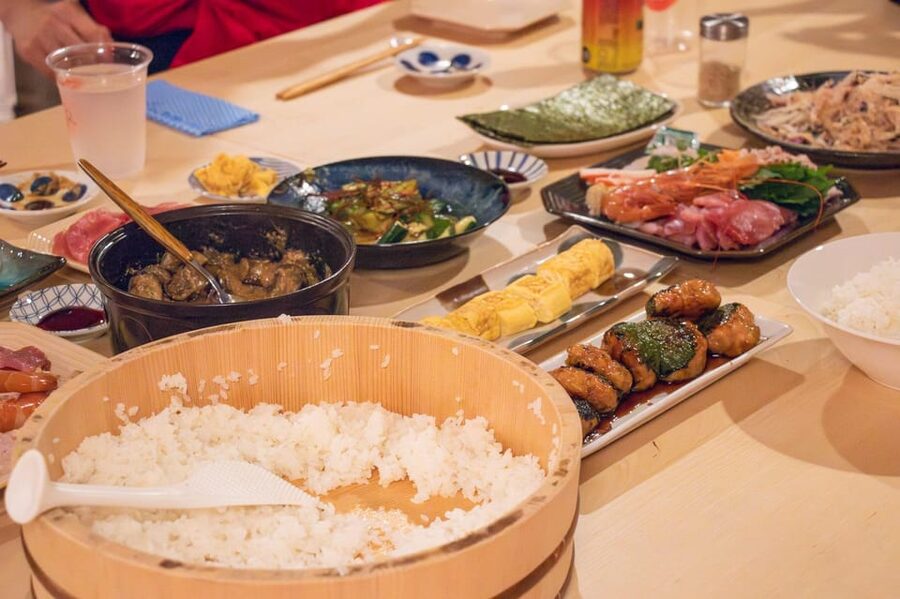
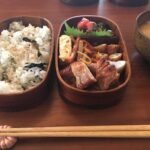
The experience is built around five home-cooked Japanese dishes designed to pair with drinks. You’ll work through a mix of savory, comforting, and snackable plates—exactly the kind of food that makes a drinking party fun, not fussy.
From what’s included, you can count on these key dishes:
- Sushi hand roll: a hands-on rice-and-topping style dish that shows how Japanese flavors balance with simplicity.
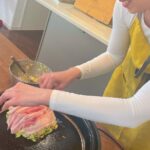
- Wagyu steak or tofu steak: a main-protein moment. If you choose tofu, you’ll still get the same cooking idea, just lighter and vegetarian-friendly.
- Japanese-style rolled egg (tamagoyaki): this is where technique matters, because texture and rolling skills are the point.
- Grilled eggplant with miso sauce: smoky-sweet eggplant with salty miso, one of those combos that makes you want another sip.
You’ll also be making additional small plates as part of the evening menu, and the class highlights include things like:
- Savory skewers
- Crispy tempura-style food
- Tangy pickles
Even if you’re not a high-level cook, that mix is smart for two reasons. First, small plates keep the pacing playful. Second, each dish has a different flavor job—fatty, salty, crisp, sour—so you get a real chance to practice pairing with different drinks.
How the dishes connect to izakaya eating
In an izakaya, food isn’t one big course. It’s a sequence of bites that move with your mood and your glass. By the end of the night, you’ll understand why Japanese home-drinking culture loves multiple textures: soft egg, crisp bites, glossy miso sauce, and quick tangy sides.
That makes the class useful even outside Japanese food. Once you learn the pairing logic, you’ll start seeing how other cuisines build snack-friendly menus too.
Sake, Beer, and Pairing Lessons That Actually Help
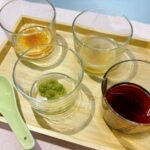
A big part of this experience is learning which beverages pair best with different dishes. You’re not just handed a can and left to guess. The evening is set up around the idea that your drink choice changes how you taste the food.
What’s included is 3 cans of alcoholic or soft drinks. The class also specifically focuses on Japanese home drinking culture—so it’s practical, not preachy. You’ll get guidance that helps you think like an izakaya eater: pick a dish, then pick a drink that supports the flavors instead of competing with them.
Here’s what you’ll likely pay attention to while cooking and eating:
- Salty-sweet miso tends to play well with crisp drinks that cut through richness.
- Rolled egg often pairs nicely with lighter flavors, because it’s comforting but not heavy like a steak.
- Steak or tofu gives you either fatty depth (wagyu) or clean savory structure (tofu), so the drink pairing can change depending on which option you cook.
- Crispy items work best when your drink has enough lift to keep the bite interesting.
And if you’re under 20, you’ll still take part in the same experience with soft drinks. The pairing focus is still there; you’re just working with non-alcohol options.
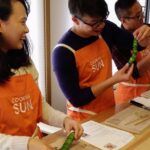
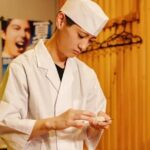



Alcohol rules you should know now
Because of Japanese law, sake tasting and alcoholic beverages are only for guests aged 20 and over. That’s not a minor footnote. It affects what you can drink during the class, so plan your expectations around it.
Your Guide: English Instruction and Real Technique Coaching
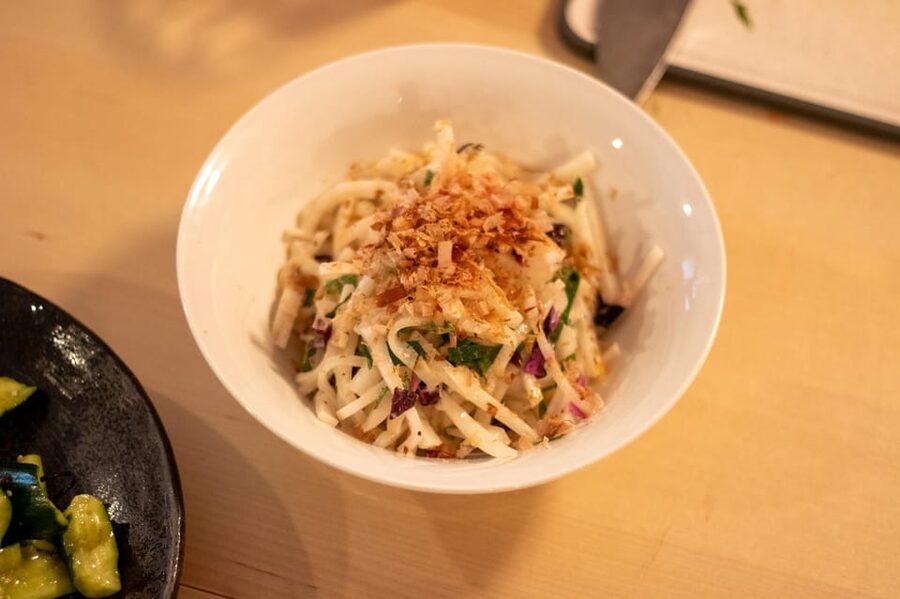
This isn’t a silent cooking class. You’ll have a live English guide, and the vibe is built for making mistakes and fixing them. That matters with dishes like rolled egg and hand rolls, where small steps change the end result.
On past nights, guides included instructors like Alice, Masae, and Fuji. Across those sessions, the common thread was clear: the guide explains both technique and the culture behind what you’re cooking.
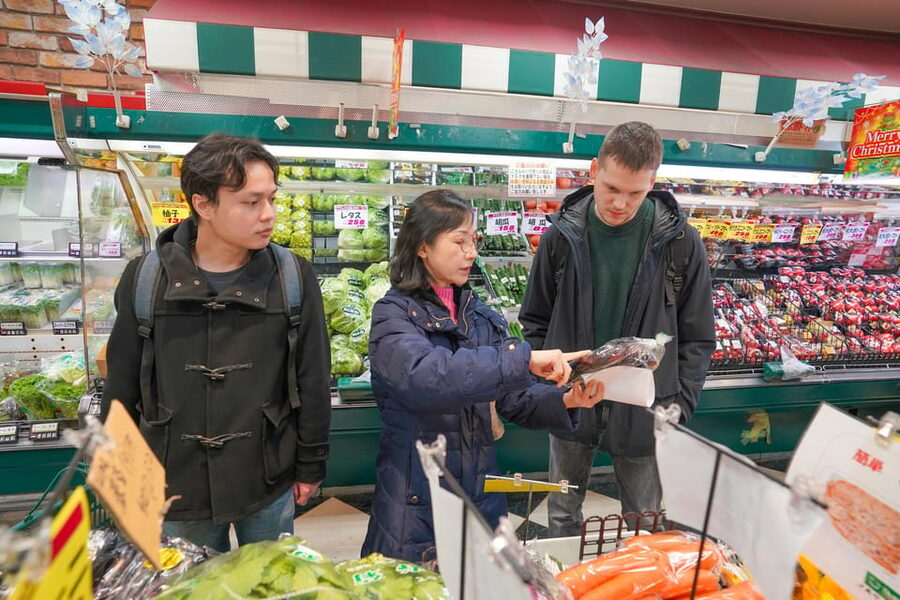
One detail worth calling out: in some cases, you may start with a quick stop at a local supermarket before you head into the cooking studio. That’s not always guaranteed as part of every session, but it’s a real possibility. If it happens, it’s a nice way to see ingredients at normal store prices, and it can make the recipes feel even more doable later at home.
Meeting Point and Getting There Without Stress
Let’s keep this practical. Your meeting point is:
- In front of FamilyMart next to the Gindako shop
- At Iriya Station Exit 2
There are two FamilyMarts, so the easiest way to spot the right one is the one by Gindako and Doutor Coffee. When a class meets at a busy exit, small orientation errors waste time. Do yourself a favor: arrive a few minutes early and confirm the exact storefront.
Also note: there’s no hotel pickup or drop-off. You’ll need to handle your own transit to the meeting point. If you’re staying in central Tokyo, that’s usually fine, but double-check your route so you’re not rushing at night.
The class is about three hours, so plan a dinner gap before or after. This is a full activity, not a quick side quest.
Who This Is For (and When to Skip It)
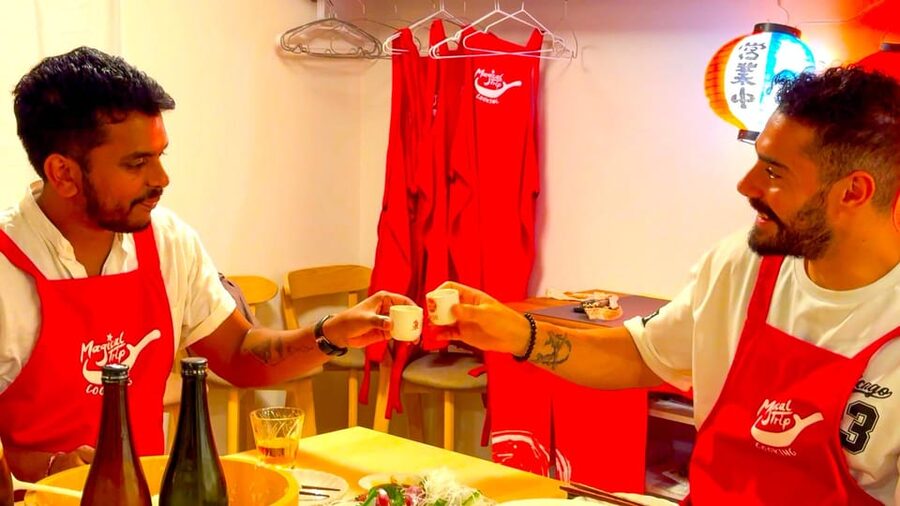
This is a strong fit if you want a Tokyo night with hands-on food skills and a social atmosphere. It works especially well for:
- Couples looking for a shared activity
- Friends who want something more fun than another dinner reservation
- Solo travelers who want conversation and a reason to chat with others
- Beer and sake lovers who enjoy pairing and flavor logic
Families can also look at it, since there’s a kids’ playroom mentioned. But there’s conflicting age guidance you should take seriously:
- The tour is listed as open to participants aged 6 and above
- It is also marked not suitable for children under 12
- Knife and heat steps are only for 12+, under supervision of a parent or guardian
So if you’re bringing kids, don’t just assume age 6 is workable. Check the rules and your child’s comfort level with the kitchen setup.
Two more important notes:
- Pregnant women are listed as not suitable.
- There are steps involving knives and heat, and those are restricted by age.
Finally, accessibility: the itinerary includes some locations that are not accessible by wheelchair or stroller, so plan accordingly if you rely on those supports.
Tips to Get the Most Out of the Night
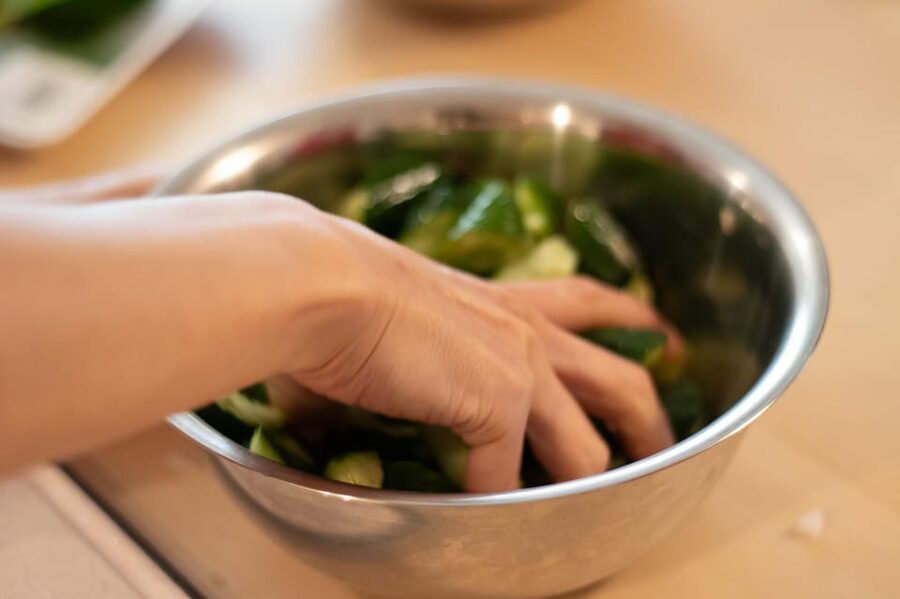
If you want this to be more than a fun meal, do these small things:
Watch the guide’s process first, then copy fast. Rolled egg and hand rolls reward attention. If you try to freestyle right away, you’ll spend time undoing mistakes.
Taste between steps. The class is designed around pairing. If you only taste at the end, you miss part of the pairing lesson.
Ask how the drink pairing works. Even if you’re not a sake expert, you can learn the logic: acidity, bitterness, sweetness, and how fat and salt behave. That’s the part you can reuse for your own home parties.
Pick your protein option based on what you want to learn. Wagyu steak is rich; tofu steak is lighter but still savory. Either way, you’ll get the cooking technique, but your taste experience—and therefore the drink pairings you notice—will differ.
And one practical thing: this is an evening cooking event, so wear comfortable clothes you don’t mind getting a little kitchen-scented. You’re in the real process, not just watching from across a counter.
Should You Book This Tokyo Night Cooking Class?
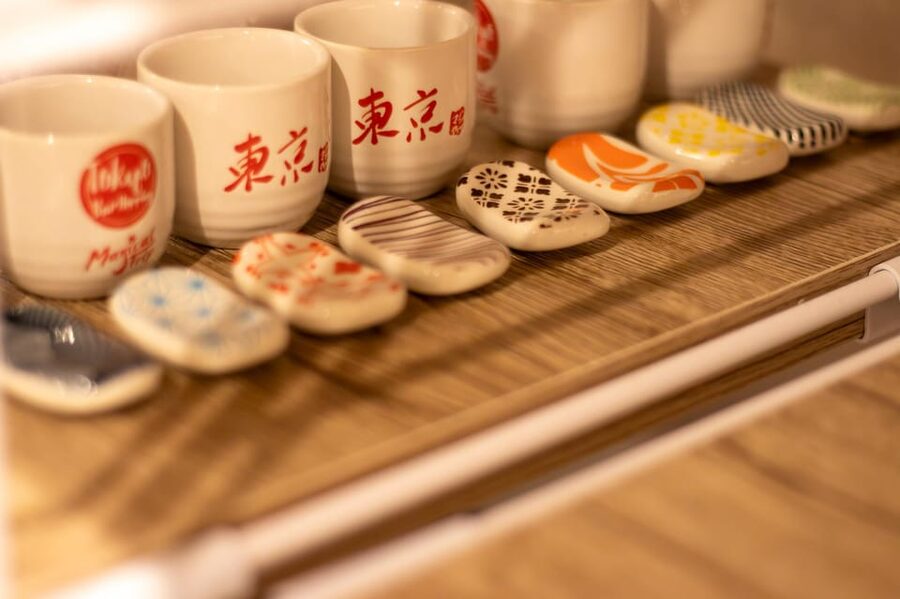
I’d book it if you want an easy win in Tokyo: a small-group night that combines food, technique, and the drinking culture that makes izakaya meals make sense.
This one is especially worth your time if:
- You like Japanese food but want real technique, not just taste tests.
- You care about sake/beer pairing and want a guide’s reasoning.
- You’ll actually use recipes at home after the trip.
Skip it if:
- You need a vegan or gluten-free menu (it’s not available for those).
- You’re traveling with someone who needs fully allergy-free handling (allergy-free isn’t guaranteed).
- Your group needs wheelchair or stroller access for every stop.
- Your schedule can’t handle a three-hour night activity.
If your goal is a genuine Tokyo night—one where you learn how to cook, then eat like you’re in an izakaya—this fits the bill. And since you leave with recipes and drink-pairing ideas, it’s not a one-night memory. It’s a plan for your next Japanese home dinner.
FAQ
How long is the Tokyo night cooking class?
It runs for about 3 hours.
What’s included in the price?
You get a hands-on cooking class that includes items such as a sushi hand roll, wagyu or tofu steak, Japanese rolled egg, and grilled eggplant with miso sauce. You also get 3 cans of alcoholic or soft drinks, all ingredients and cooking equipment, recipes to take home, a local guide, and tour photos.
Are drinks included, and is sake available?
Yes. 3 cans of alcoholic or soft drinks are included. Sake tasting and alcoholic beverages are only available to guests aged 20 and over.
Is this class vegetarian-friendly?
Vegetarian guests are welcome, and the guide will arrange ingredients and the cooking process.
Is it available for vegan or gluten-free diets?
No. The experience is not available for people who are vegan and gluten-free.
Where is the meeting point in Tokyo?
Meet in front of FamilyMart next to the Gindako shop at Iriya Station Exit 2. There are two FamilyMarts in the area, so look for the one by Gindako and Doutor Coffee.
What are the age restrictions for cooking and alcohol?
The experience is open to participants aged 6 and above, but it’s marked not suitable for children under 12. Steps involving knives and heat are only permitted for those aged 12 and over, under supervision of a parent or guardian. Alcohol is only for guests aged 20 and over.