REVIEW · SIEM REAP
Cambodian Cooking Class and Oxcart Ride with Local Village Tour
Book on Viator →Operated by About Cambodia Travel & Tours · Bookable on Viator
Your morning starts with a market basket. This Siem Reap experience pairs a guided local market hunt with a slow, peaceful ox cart ride through rice fields, then ends at an authentic home kitchen where you cook classic Khmer food. I especially like the way the chef connects ingredients to everyday Cambodian life, and how the day feels hands-on rather than staged. The one thing to watch: this is mostly about food and rural culture, not temple sightseeing.
You’ll be picked up from your hotel by tuk-tuk, then brought to meet the chef before heading out on a guided market walk. After you handpick ingredients with the chef’s help, you move to the countryside for the cooking session, where you’ll make three national dishes plus a local dessert with step-by-step guidance.
The price is $94.05 per person, and what you’re really paying for is the full set-up: hotel pickup and drop-off, a licensed English-speaking guide, transportation, the private ox cart ride, and meals/ingredients for the class. If you’re the type who likes to learn by doing, it’s strong value; if you want a totally hands-off tour where you just observe, you may feel more limited.
In This Review
- Quick highlights
- Siem Reap Pickup to a Market Walk With a Real Plan
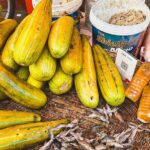
- Finding Your Ingredients: What a Khmer Market Teaches You
- The Cooking Class at a Khmer Family Home Kitchen
- Three Dishes, One Structure: How the Day Stays Organized
- The Private Ox Cart Ride Through Rice Fields and Village Paths
- Cultural Immersion: Stories, Customs, and Meaning Behind the Food
- Timing and Group Size: What a 4–5 Hour Day Actually Means
- Price and Value: What $94.05 Includes (and Why It Adds Up)
- Who This Khmer Food and Village Tour Is Best For
- Should You Book This Cambodian Cooking Class and Ox Cart Ride?
- FAQ
- What is the location of the tour?
- How much does it cost per person?
- How long is the experience?
- Do you get hotel pickup and drop-off?
- What transportation is used during the tour?
- Is the cooking class hands-on?
- How many dishes will I cook?
- Is the ox cart ride private?
- What group size should I expect?
- Is tipping included in the price?
- Can I cancel for a full refund?
Quick highlights
- Chef-led market shopping where you pick herbs, produce, and spices for your own meal plan
- Hands-on Khmer cooking making three national dishes plus a local dessert
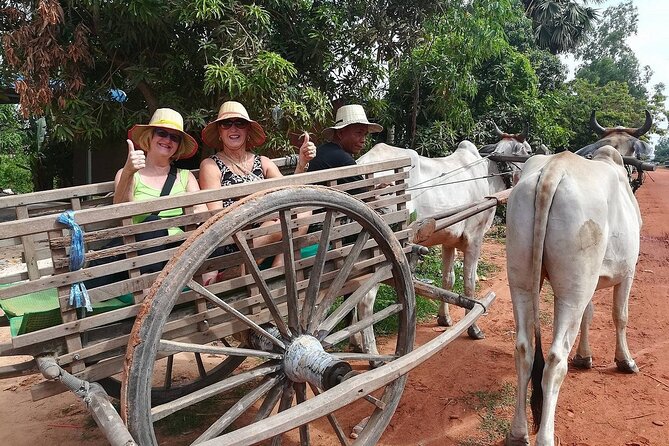
- Private ox cart ride through rice fields and quiet village paths
- Small group format with a maximum of 15 travelers
- Flexible cultural moments (the guide can adjust the day, sometimes including a Buddhist temple blessing)
Siem Reap Pickup to a Market Walk With a Real Plan
Your day starts with convenience without losing the local feel. A guide picks you up from your hotel by tuk-tuk, and you ride in that familiar, everyday Siem Reap rhythm instead of waiting around or figuring out transport on your own. You’ll then transfer to meet the master chef at the restaurant, which matters because it sets the tone: this isn’t just a cooking demo you watch and forget.
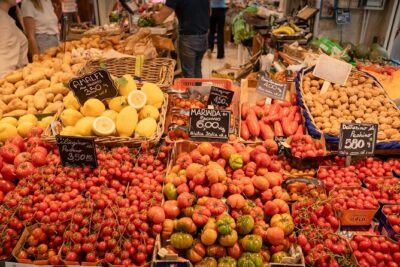
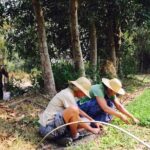
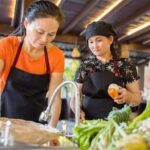
From there, you head straight into a guided market visit. The market stop is one of the best parts because it gives you the “why” behind the food. You’re not just told ingredients exist—you learn what they are used for and how they show up in Khmer cooking. You’ll also be able to handpick items with guidance, so you leave with a better memory than a photo album.
If you’re worried about feeling rushed, don’t be. The market time is built into the flow of the morning, so you can actually look at spices, herbs, and produce while you’re still thinking about the dishes you’ll cook later. It’s a smart setup, and it helps everything click at the cooking station.
You can also read our reviews of more tours and experiences in Siem Reap.
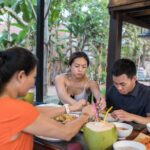
Finding Your Ingredients: What a Khmer Market Teaches You
A Khmer market isn’t only about shopping. It’s a lesson in how Cambodian cooks think: start with fresh ingredients, understand aromas and textures, then build flavor from there. With a chef guiding the process, you learn to pick ingredients that match what you’re making—not random souvenirs.
Here’s what you can realistically expect to focus on:
- herbs and vegetables used in Khmer dishes
- spices that shape the smell and heat level
- produce that shows up as fresh flavor rather than just decoration
The “handpick” part is key. If you’ve ever taken a cooking class where the ingredients are already set out for you, you may feel like you’re borrowing someone else’s meal. This one gives you a role in the process. Even if you don’t know every ingredient by name at first, you’ll understand what to look for and what each choice does for the final dish.
And the guide’s English explanation helps you connect the market to cultural context. That background doesn’t turn the class into a lecture; it makes your cooking steps make sense. You’ll be more likely to remember what you made and why it tasted the way it did.
The Cooking Class at a Khmer Family Home Kitchen
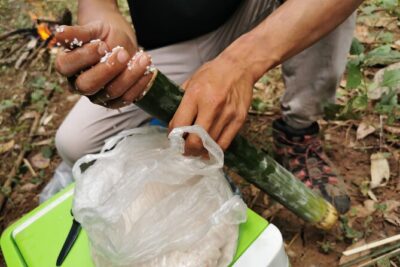
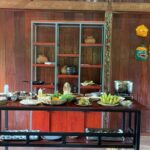
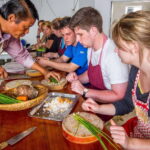
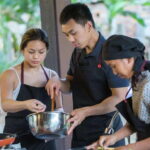
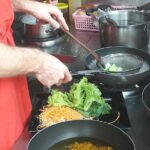
This is the core of the experience: an authentic, hands-on cooking class led by a Khmer chef. After the market, you head into the countryside to cook in a traditional kitchen setting at a family home. That rural location changes the whole feel of the class. You’re working in the environment where the food would naturally belong, not in a generic room designed only for tourists.
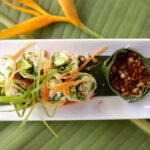
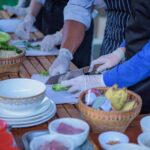
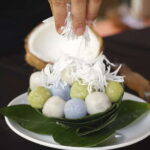
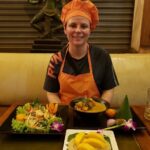
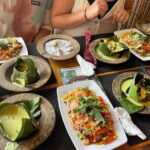
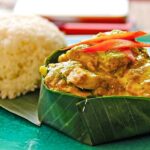
You’ll cook three national dishes plus a local dessert. The class is step-by-step, so even if you’re not confident in the kitchen, you’re given a clear path. The session is also set up for a joint small group with ingredients and meals included, which keeps things friendly and moving at a pace that works.
Two things I like about this style:
- You’re actively cooking, not just tasting.
- The chef’s explanations are tied to stories and custom, so you’re learning more than technique.
Based on guide adjustments seen in real-world moments, you might also experience some extra cultural time if schedules allow. One guide scenario included a Buddhist temple visit and a blessing from a monk, paired with clear Buddhism explanations. That kind of flexibility can turn the day from a simple class into a fuller cultural morning—while still keeping food as the anchor.
One consideration: you’ll be cooking. That’s obvious, but it’s worth saying. If you’d rather avoid kitchen mess or you have limited comfort with hands-on prep, the experience might feel more work than you planned.
Three Dishes, One Structure: How the Day Stays Organized
When tours get long, they can start to drift. This one stays organized because it follows a clean logic: ingredient selection → cooking → finish with sweet. You don’t have to guess what comes next.
Here’s the practical flow you can expect:
- Pick ingredients at the market with the chef.
- Move to the countryside kitchen and start cooking step-by-step.
- Cook three Khmer national dishes and a local dessert.
The step-by-step guidance matters because it keeps you from feeling lost in the middle of complex flavor building. Even if you can’t copy every motion exactly, you’ll come away with a sense of process: what to prepare first, how flavors get layered, and when the dish is ready.
Also, the class format is “small group,” not a giant crowd. The tour caps at a maximum of 15 travelers overall, and the cooking portion is described as a joint small group. That usually means you get more attention when you need it and fewer awkward waits while the chef repeats basics for the whole room.
The Private Ox Cart Ride Through Rice Fields and Village Paths
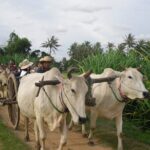
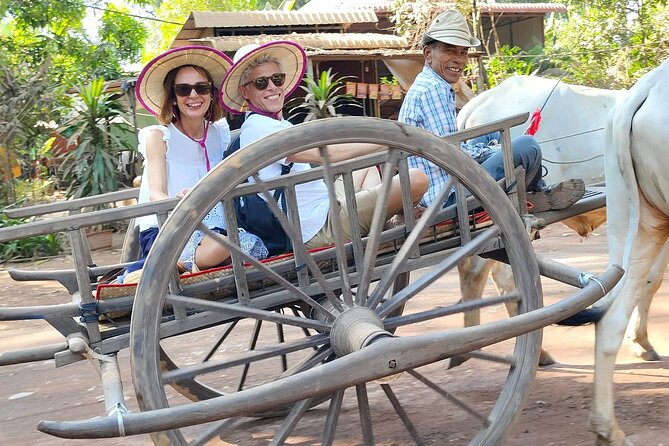
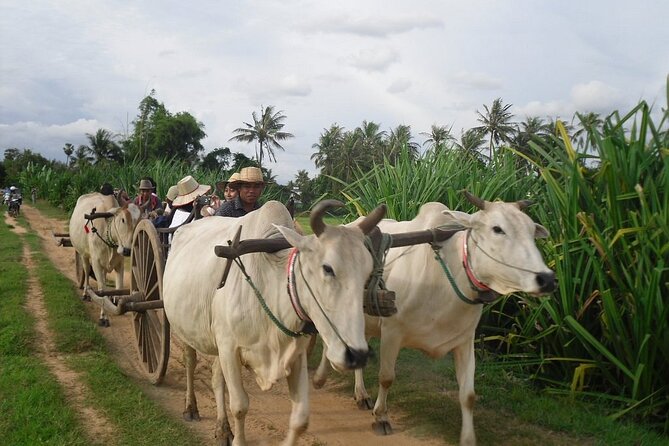
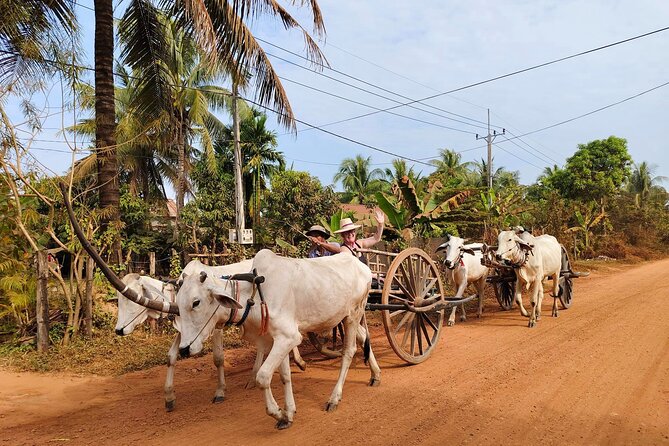
Then comes the calmer part: the countryside ox cart ride. This is private ox cart riding, and that single detail can make a big difference. A private ride is less about sharing space and more about experiencing the slower pace without feeling like you’re surrounded by a traffic jam of other tourists.
You’ll go through rice fields and quiet village paths, so you get a view of farming culture as something normal and everyday, not like a staged “look here” photo moment. Even if your camera is ready, the best use of this time is to slow down and watch.
What makes this ride valuable is the rhythm. It’s not a thrill ride. It’s a moving perspective—farming, homes, paths, and daily life at human speed. That pairs perfectly with a cooking class, because it ties your food lesson back to where ingredients grow and how village life runs.
One practical note: you’ll be spending time outdoors in the countryside. If you’re sensitive to heat or dust, plan to pace yourself during breaks and keep water in mind even if you’re not told anything specific about what’s provided.

Cultural Immersion: Stories, Customs, and Meaning Behind the Food
This experience is built around more than recipes. The chef and guide focus on cultural immersion—stories, customs, and the meanings behind both rural life and what you’re cooking. That matters because Khmer cooking isn’t just a list of steps. It reflects how people live, shop, farm, and feed their families.
In the cooking class, you get that context while you’re working. Instead of reading a pamphlet later, you’re learning as the flavors come together in real time. That’s why this can feel memorable. You understand the dish in a way that sticks.
And in at least some guided cases, the day can broaden into cultural elements beyond food. For example, one guide scenario included visiting a Buddhist temple and receiving a blessing from a monk, along with explanations about Buddhism. Even if that exact add-on doesn’t happen for you, the fact that guides can adjust their day suggests you’re not locked into a rigid script.
Timing and Group Size: What a 4–5 Hour Day Actually Means
The duration is about 4 to 5 hours, and it’s structured enough that the time doesn’t feel like wasted waiting. You’ll start at your hotel, spend time in the market, travel to the countryside kitchen, cook, and then finish with return transport.
With a maximum of 15 travelers, you won’t be packed into a mass-group experience. The cooking class itself is described as a joint small group, which usually helps the chef keep the class practical. You’re more likely to get questions answered, and you won’t feel like you’re watching cooking through a crowd.
If you’re trying to fit this into an itinerary that includes Angkor-area temples or other tours, the 4–5 hour window is friendly. It’s long enough to feel like a full morning, but short enough that you can still plan around it.
Price and Value: What $94.05 Includes (and Why It Adds Up)
At $94.05 per person, the price might look steep at first glance. But here’s the value math: you’re not only paying for cooking time. You’re paying for the full machine that makes the experience smooth and local.
Included items:
- hotel pick up and drop off
- tuk-tuk transportation for pickup and drop-off
- a professional English-speaking licensed tour guide
- private ox cart riding
- joint small group cooking class
- all fees and taxes
Those pieces are what usually cost extra if you try to build your own day. Private ox cart access alone can be hard to arrange without help, and hotel pickup means you don’t waste time negotiating transport. All fees and taxes being included also keeps things simple.
What’s not included is the tip for the guide and driver. That’s normal, but it’s the one cost you should budget for on top if you want to be fair and leave with good karma.
Overall, I think the value is strongest if you want an all-in, guided day that combines food and rural culture in one shot. If you’re mainly after one element—only cooking, or only ox cart sightseeing—you might compare costs with doing those parts separately. But as a combined experience, it stacks up well.
Who This Khmer Food and Village Tour Is Best For
This tour works best for you if you like practical learning and real daily-life scenes. You’ll likely enjoy it if:
- you want hands-on cooking rather than watching from the sidelines
- you’re curious about Khmer ingredients and how they’re used
- you want a slower countryside experience connected to food and farming
It also suits people who appreciate organization. The day is guided, timed, and structured: pickup, market, cooking, countryside ride, and back. Even if you’re doing other Siem Reap activities the same week, this slot fits neatly.
One consideration: if you’re only interested in temples or major monument photo stops, this day may feel off-theme. The focus stays on cooking and village culture, with optional cultural moments only if the guide can incorporate them.
Should You Book This Cambodian Cooking Class and Ox Cart Ride?
If you want a Siem Reap experience that goes beyond temple walls, I’d book it. The best part is the combination: market learning that leads directly into a hands-on cooking class, then a private ox cart ride that grounds your food lesson in countryside life.
Book it if you love:
- learning by cooking
- guided ingredient picking
- quiet village scenes and rice-field views
Skip it if you’re expecting a monument-heavy tour or you’d rather avoid hands-on food prep. Otherwise, this is a smart use of a half day—practical, culturally connected, and structured in a way that keeps the experience enjoyable from start to finish.
FAQ
What is the location of the tour?
The tour takes place in Siem Reap, Cambodia.
How much does it cost per person?
It costs $94.05 per person.
How long is the experience?
It lasts about 4 to 5 hours.
Do you get hotel pickup and drop-off?
Yes. Pickup and drop-off are included from your hotel (you provide your hotel name for pickup).
What transportation is used during the tour?
You’ll use tuk-tuk transportation for pickup and drop-off, and you’ll also take a private ox cart ride.
Is the cooking class hands-on?
Yes. You’ll join a small group cooking class and cook the dishes with step-by-step guidance.
How many dishes will I cook?
You’ll prepare and cook three national dishes plus a local dessert.
Is the ox cart ride private?
Yes. The ox cart riding is private.
What group size should I expect?
The experience has a maximum of 15 travelers.
Is tipping included in the price?
No. Tips for the tour guide and driver are not included.
Can I cancel for a full refund?
Yes. You can cancel up to 24 hours in advance for a full refund.