REVIEW · LAKE GARDA
Cooking Class : Fresh pasta and TIRAMISÙ with Lake Garda wines
Book on Viator →Operated by Cusina - Cooking Class: Pasta Fresca e degustazione vini · Bookable on Viator
Fresh pasta, right by Lake Garda. This 3-hour class in Lazise turns you into a real dough-shaper, then has you finish with tiramisu and a local wine tasting. I especially liked the step-by-step way the pasta work is taught and the fact you’re not just watching—you make (and eat) what you learn.
One thing to consider: it’s a hands-on, flour-and-stove kind of session, so if you have food allergies you’ll want to flag them clearly ahead of time.
You’re capped at a small group size (max 15), which keeps it friendly and lets instructors actually correct your technique. Most sessions run smoothly, but the class is in two languages (Italian and English), so if you’re very comfortable with only one, plan to follow along as they switch between both.
In This Review
- Key Highlights You’ll Actually Care About
- Fresh Pasta and Tiramisu in Lazise: Why This Class Works on Lake Garda
- Entering the Kitchen: Where the Class Starts and What to Expect
- The 3-Hour Plan: How the Time Is Typically Used
- Fresh Pasta Basics: Dough, Rolling, and Classic Shapes
- Vegetarian-Friendly and Sauce Logic: Making It Work at Home
- Tiramisu From Scratch: Cream, Assembly, and the Real-Deal Dessert
- Wine Tasting With Your Meal: How It Fits the Lesson
- Who Should Book This Class (And Who Might Want Something Else)
- Practical Tips: How to Get the Best From Your 3 Hours
- Price and Value: Is $95.58 Worth It?
- Should You Book This Cooking Class in Lazise?
- FAQ
- What is the duration of the cooking class?
- Where is the meeting point for the class?
- What does the menu include?
- Is the experience offered in English?
- How many people are in a group?
- Will I get confirmation after booking?
- What should I do if I have food allergies or other concerns?
- Is free cancellation available?
Key Highlights You’ll Actually Care About
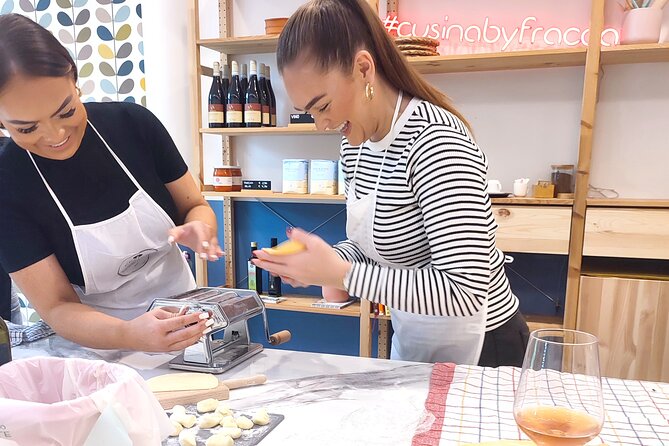
- Small groups (max 15) make it easier to ask questions while you roll and shape pasta.
- Fresh pasta coaching covers both short and long shapes like penne, spaghetti, tagliatelle, and fettuccine.
- Tiramisu from scratch includes making the creams and assembling the full dessert.
- Lake Garda wine tasting accompanies the meal, with local wines served during the session.
- Two-language instruction (Italian and English) helps you keep up even if your Italian is rusty.
- You leave with usable basics for vegetarian sauces and classic Italian technique you can repeat at home.
Fresh Pasta and Tiramisu in Lazise: Why This Class Works on Lake Garda
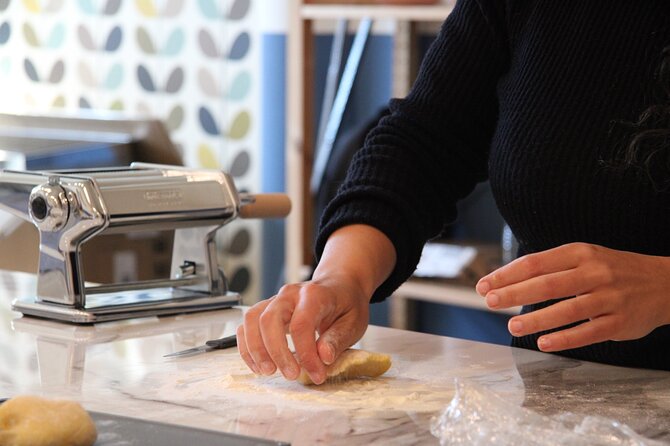
Lake Garda has plenty of activities that look nice on a schedule. This one works because it’s not just scenery time. You’re doing a craft that Italians take seriously: pasta dough, pasta shaping, and a dessert built from scratch rather than a shortcut.
The format is straightforward and practical. You start by learning how to handle fresh pasta dough and how to shape classic forms—both short shapes (like macaroni and penne) and long shapes (like spaghetti, tagliatelle, and fettuccine). Then you switch gears to tiramisu, where the focus is on the creamy components and putting everything together properly.
I also like the pacing. The class doesn’t feel like a lecture. It’s more like you’re guided through tasks, with time to get your hands dirty and actually try the techniques.
And yes, there’s wine. You get a tasting of local wines during the session, so the food feels connected to the region rather than pasted on as an afterthought.
Entering the Kitchen: Where the Class Starts and What to Expect
You meet at Corso Cangrande, 6, 37017 Lazise VR, Italy. The activity ends back at the meeting point, so you’re not dealing with complicated back-and-forth logistics.
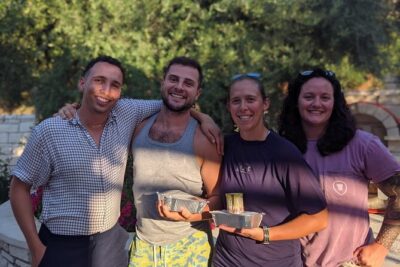
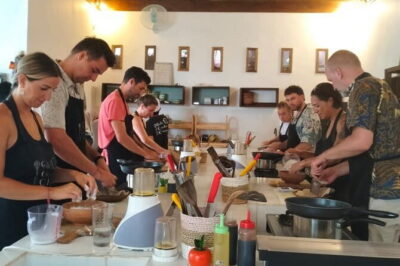
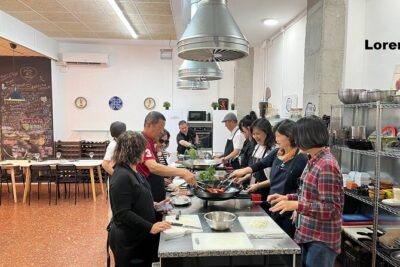
The kitchen setup matters. Based on repeated feedback, this is the kind of place where people actually enjoy learning—clean, comfortable, and designed for hands-on work (not a cramped demo space). You’ll be surrounded by the tools of the trade, and you’ll get your own turn at shaping.
Group size is capped at 15 travelers max, which is a big deal in a cooking class. If you’ve ever tried learning something technical in a big group, you know the problem: one instructor can only correct so many hands. Here, the smaller setting makes it easier to get help when your dough tears, your rolling is uneven, or you’re unsure how to form a particular pasta shape.
Also keep in mind: instruction happens in Italian and English. That’s a plus for most visitors, but if you’re hoping for a fully English-only class, you should expect some bilingual flow.
The 3-Hour Plan: How the Time Is Typically Used
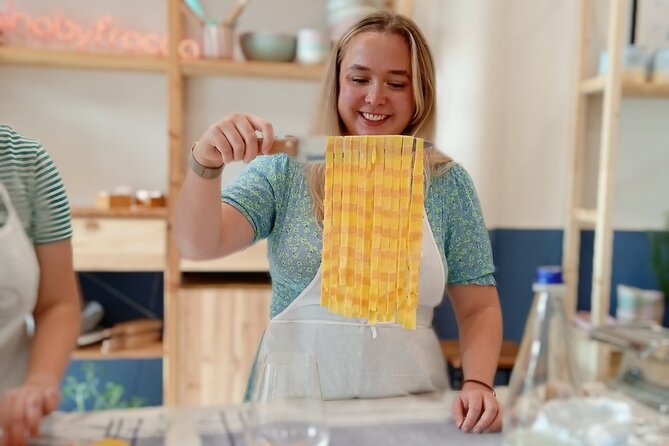
This experience runs about 3 hours. In that time window, the class follows a clean structure:
1) Fresh pasta lessons: You learn the basics of making and working dough, then shape different pasta types (short and long).
2) Sauce and technique support: You’ll use sauces during the meal, including vegetarian options (the class specifically mentions vegetarian sauces for different needs and palates).
3) Tiramisu from scratch: You make the creams and assemble the dessert.
4) Eat + taste wines: You finish by eating what you made, paired with a tasting of local Lake Garda wines.
Three hours is long enough to learn real technique, but short enough that the class stays focused. It’s not a full-day cooking boot camp. If you want a slower, more practice-heavy experience, you might end up wanting more time to repeat steps. Still, for most visitors, it hits a sweet spot: skills plus a full meal.
Fresh Pasta Basics: Dough, Rolling, and Classic Shapes
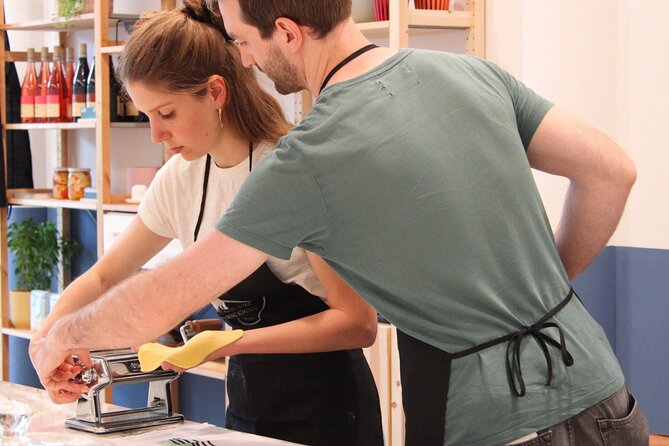
The pasta section is the heart of this class. The goal is simple: you learn how to work with dough well enough to make and shape classic Italian pasta.
You’ll work with different styles of pasta:
- Short pasta such as macaroni and penne
- Long pasta such as spaghetti, tagliatelle, and fettuccine
That variety is valuable because it teaches you how dough behaves across shapes. Dough thickness and handling aren’t one-size-fits-all. A shape with a different texture needs slightly different attention to the roll and the finish.
One thing I love here is the emphasis on basics that translate to your kitchen at home. A few instructors named in feedback—like Sylvia and Ivan—get called out for clear explanations and helpful guidance. In practical terms, you want an instructor who doesn’t just say what to do, but explains why. And multiple notes point to exactly that kind of teaching style: approachable, step-by-step, and geared to helping you succeed.
You’ll also spend time making the pasta you eat. That matters because it locks in the learning. When you taste something you made with your own hands, you understand what worked—and what to adjust next time.
Vegetarian-Friendly and Sauce Logic: Making It Work at Home
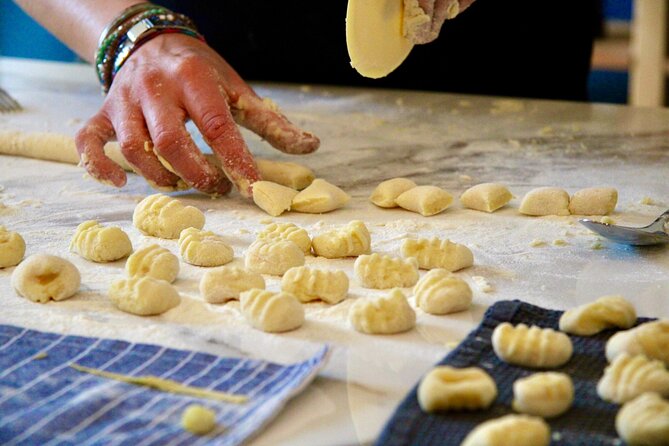
This class doesn’t just focus on pasta shapes. It also leans into the idea that you can amaze people at home with simple building blocks.
The experience specifically mentions:
- Vegetarian sauces for different needs and palates.
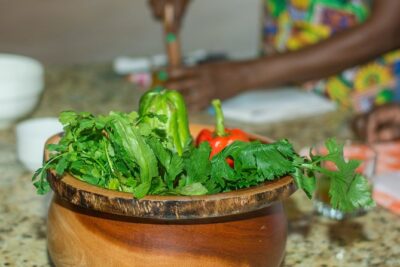
In reviews, people also mention sauces such as tomato sauce and pesto sauce, which fits the practical “you can repeat this” theme. The best part is that you’re not expected to master a complicated dish after one session. Instead, you learn the technique, then pair it with sauces that work with fresh pasta.
For value, this is key. A cooking class is expensive when it only teaches you one thing. Here, you’re learning dough skills plus how to build a meal around it.
Tiramisu From Scratch: Cream, Assembly, and the Real-Deal Dessert
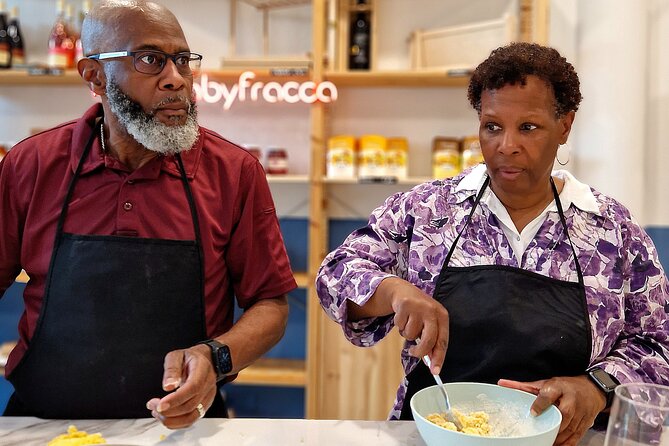
Then you pivot from pasta mode to dessert mode: tiramisu, made from scratch.
The dessert section focuses on:
- creating the creams
- assembling everything together
That’s the part many people struggle with at home—tiramisu can feel like a mysterious layering project until someone walks you through what each component should be doing.
What I like about this is the learning arc. Pasta teaches texture and handling. Tiramisu teaches timing and assembly. You get two very different cooking skills in one visit, which makes the class feel more complete.
And because you made it yourself, the tasting isn’t an afterthought. You get to judge your own result, and you’ll know what to improve next time.
Wine Tasting With Your Meal: How It Fits the Lesson
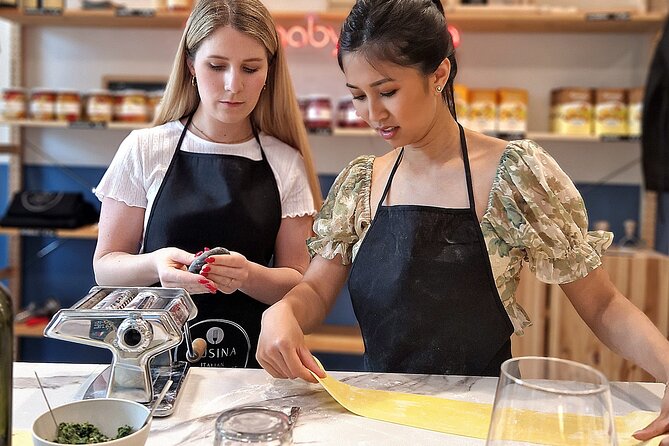
During the session, you’ll have a tasting of local wines. This isn’t just “drink for fun” energy. Fresh pasta and classic Italian dishes tend to pair best with approachable local varietals, and adding wine makes the meal feel like it belongs to the area.
A practical tip: treat the wine tasting like part of the experience. Sip slowly while you eat, and don’t rush through your first bite of pasta. You’ll notice differences in texture and sauce flavor, and that makes it easier to remember what you learned.
Also, plan your evening afterward accordingly. If you’re sensitive to alcohol, go easy with the pours.
Who Should Book This Class (And Who Might Want Something Else)
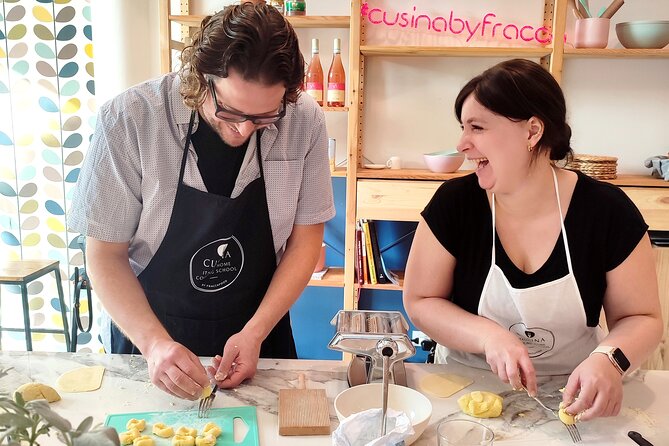
This is a great match if you:
- want a hands-on activity instead of a passive sightseeing stop
- like learning skills you can use at home (fresh pasta and tiramisu)
- enjoy food pairings—especially regional Lake Garda wines
- travel with a friend or partner; it’s also often described as a strong couples activity
It may be less ideal if you:
- need a fully quiet, no-mess experience
- have very specific dietary needs and haven’t arranged them in advance
- want a long, slow course with lots of repeat practice
One more small consideration: your exact pasta experience can vary by class flow. The overall focus is on multiple shapes (short and long), but don’t expect a single, rigid menu. The learning goal stays the same, though.
Practical Tips: How to Get the Best From Your 3 Hours
Come hungry. Not just for calories—come with the right mindset. You’ll be working dough, then tasting your own results. If you show up stressed or rushed, the flour and focus can feel overwhelming.
Here are a few practical pointers based on the rules and what people highlight:
- If you have food allergies, make sure you advise the operator. The class explicitly asks guests to let them know.
- If you’re dealing with a delay over 20 minutes, you should advise them. It’s a tight 3-hour session, so late arrivals can affect your ability to finish.
- If you’re traveling with pets or extra people, the class asks you to notify them.
- Wear or bring clothes that don’t mind a bit of flour dust. This is a make-it-with-your-hands class.
- Expect instruction in Italian and English, so keep your attention on the instructor’s directions rather than searching for a perfect translation.
Finally, I suggest you take note of one or two techniques you want to repeat at home. For many people, that’s the win: not remembering every detail, but remembering what makes your pasta dough feel right.
Price and Value: Is $95.58 Worth It?
At $95.58 per person, you’re paying for more than a meal. You’re paying for:
- guided instruction in fresh pasta basics (multiple shapes)
- tiramisu from scratch (cream + assembly)
- local wine tasting
- the fact that you eat what you make
The value angle is that you leave with real confidence, not just a souvenir photo. In feedback, people repeatedly highlight that the instruction is understandable and fun, and that the outcome is genuinely delicious. That combination—skill + results—is what justifies the price for most food-first travelers.
If you love cooking already, you’ll likely feel the value even more. If you don’t cook much, this is still a good deal because you’ll walk away with repeatable steps for two classic dishes.
Should You Book This Cooking Class in Lazise?
If you want one Lake Garda experience that actually teaches you something, book it. This class blends fresh pasta skills, tiramisu making, and a local wine tasting in a small-group setting. It’s built for real learning, not a quick show-and-go.
I’d especially recommend it if you’re the type who likes food experiences you can recreate at home. Fresh pasta and tiramisu aren’t hard to understand, but they’re hard to master without good guidance. This is exactly what you get here: clear coaching, a friendly kitchen atmosphere, and a meal that’s the end goal, not the add-on.
If you’re worried about mess, allergies, or language, you can plan around those. Flag allergies ahead of time, show up on time, and wear something that forgives flour. Do that, and you’ll walk away with a fun story and a practical skill set.
FAQ
What is the duration of the cooking class?
The class lasts about 3 hours.
Where is the meeting point for the class?
The meeting point is Corso Cangrande, 6, 37017 Lazise VR, Italy. The activity ends back at the meeting point.
What does the menu include?
You’ll make and eat fresh pasta and tiramisu. The session also includes a tasting of local wines.
Is the experience offered in English?
Yes. It’s offered in English, and the course is also held in Italian and English.
How many people are in a group?
The group size has a maximum of 15 travelers.
Will I get confirmation after booking?
You’ll receive confirmation within 48 hours of booking, subject to availability.
What should I do if I have food allergies or other concerns?
You should advise the operator about food allergies, and also note any pets or extra people in your party. The instructions also ask you to advise them if there’s a delay over 20 minutes.
Is free cancellation available?
Yes, free cancellation is available. You can cancel up to 24 hours in advance of the experience for a full refund. Changes less than 24 hours before the start time aren’t accepted.