REVIEW · SALVADOR DA BAHIA
Cooking class in Salvador, an authentic dinning experience
Book on Viator →Bookable on Viator
Cooking in a Bahia home beats restaurants. This class is all about the hands-on rhythm: start with caipirinhas, then build classic dishes like pão de queijo and moqueca, taught by Karla in a way that actually explains what you’re doing. I especially like the personalized menu options when you have preferences, and the fact you make enough food to feel like you got a real meal, not just a snack. One possible drawback: private transportation isn’t included, so you’ll want a plan to get to the Stella Maris meeting area.
You’re in for about 4 hours of cooking, chatting, and eating, and it’s set up as a private group experience (just your party). If you book only the cooking class, the session starts at the home where the activity happens, with the same hands-on flow.
In This Review
- Key things that make this class worth your time
- From Stella Maris to a real home-kitchen setup
- Market time before you cook (and why it helps)
- Caipirinha first: getting the evening moving
- Pão de queijo and the building blocks of Bahian comfort
- Queijo coalho with pineapple pepper jelly
- Brigadeiro: making dessert early so you can actually enjoy it
- Moqueca main dish and the sides that complete the plate
- Coffee from Bahia and liqueur to close out the evening
- Price and logistics: is $68.67 good value?
- Who should book this class in Salvador
- Quick practical tips before you go
- Should you book this Bahian cooking class?
- FAQ
- What is the duration of the Salvador cooking class?
- Where does the experience start?
- What does the price include?
- Does it include alcoholic drinks?
- Can the menu be adjusted for dietary restrictions?
- Is transportation provided?
- Is this a private experience?
- If I book only the cooking class, where does it start?
- Is there a free cancellation window?
Key things that make this class worth your time
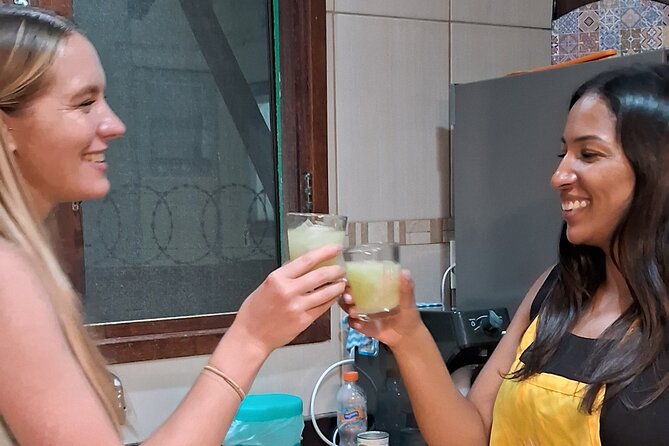
- Karla runs the show with great English and warm hospitality, and you’ll feel like you can ask questions.
- You learn by cooking: caipirinha, pão de queijo, queijo coalho pairings, shrimp on tapioca, moqueca, and more.
- Dinner is built in steps: dessert like brigadeiro is made early, so you’re not waiting forever for the best part.
- Real Bahia flavors show up in multiple forms, from simple cooked vegetables to fish and seafood moqueca with classic sides.
- Dietary needs can be handled (vegetarian, vegan, gluten free), if you mention them when booking.
- Drinks are part of the experience with unlimited caipirinhas while you cook, plus Bahia coffee and liqueur at the end.
From Stella Maris to a real home-kitchen setup
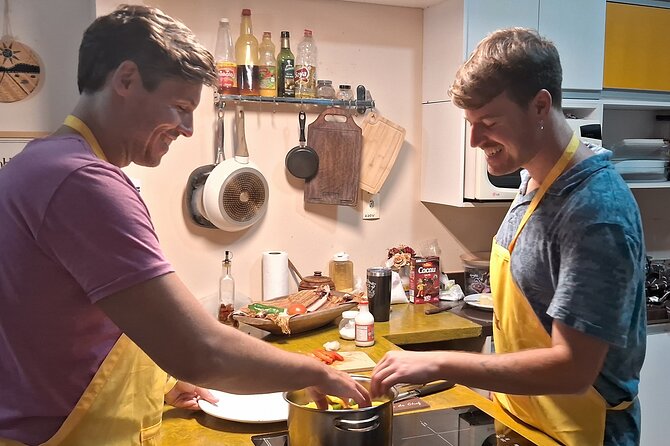
The meeting point is R. Eng. Adozindo Magalhães, 255 in Stella Maris, Salvador. The area is described as having easy access, and it’s set up so you can use public transportation nearby, which matters in Salvador where routes can be simple if you plan.
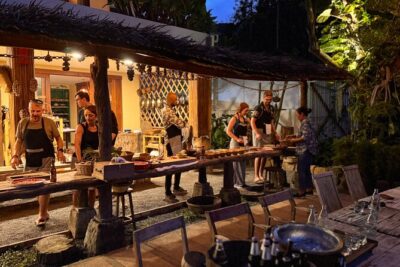
If you book only the cooking class, it starts at the home where the activity happens. That detail is important because it keeps the focus on the cooking and the food—less time in transit, more time learning why each Bahian dish tastes the way it does.
This is a private tour/activity, meaning it’s only your group. That usually makes the experience feel less like a show and more like a shared afternoon at someone’s kitchen table—especially with a host like Karla, who comes across as friendly and approachable.
You can also read our reviews of more tours and experiences in Salvador da Bahia.
Market time before you cook (and why it helps)
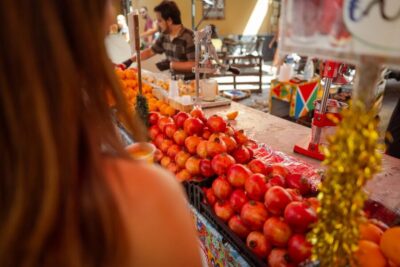
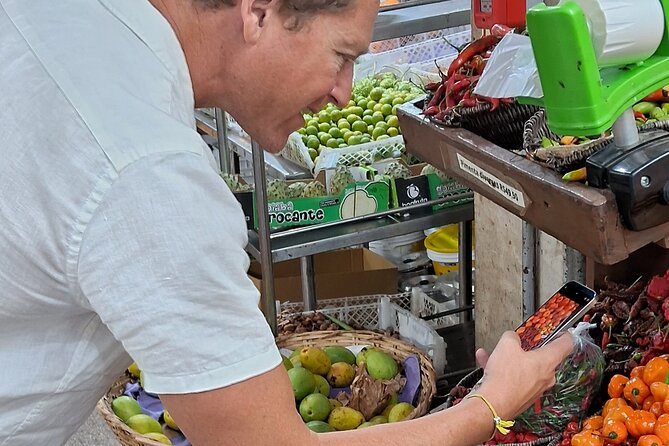
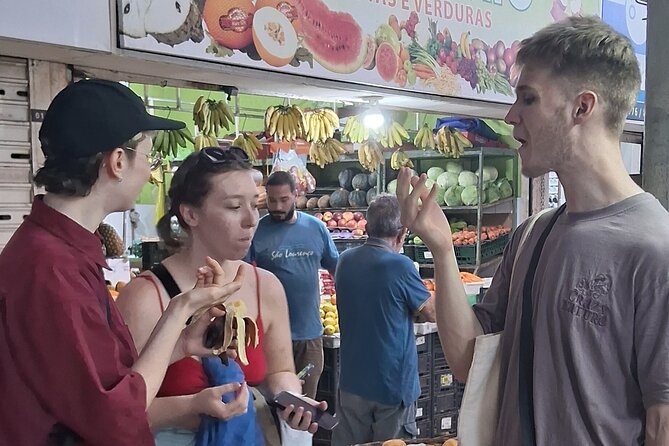
Some versions of this experience start with a market walk first, and it makes a big difference. You get time to see ingredients up close, ask questions, and even taste local items like fruits, sweets, and possibly cachaca, depending on the flow that day.
Even if you’re not a big shopper, this part helps you understand what you’re cooking with. When you later make pão de queijo, moqueca, or a sweet like brigadeiro, you’re not just following steps—you’re connecting ingredients to their role in Bahian cuisine. It’s a small thing, but it’s the difference between learning recipes and actually learning flavor.
A practical note: if you’re sensitive to time in crowds or standing, just plan your pace. The market segment (when included) can involve lingering and tasting rather than quick photo stops.
Caipirinha first: getting the evening moving
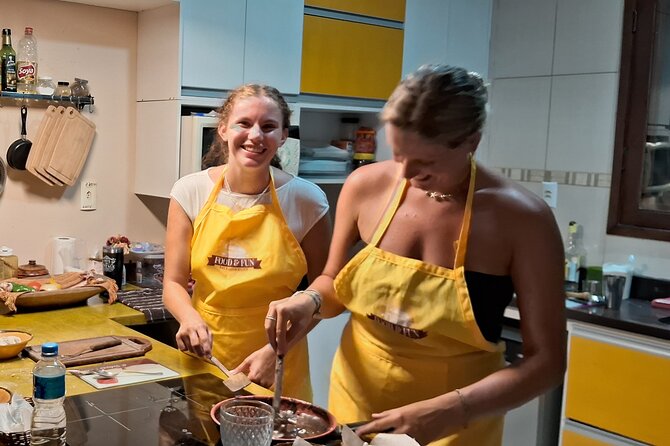
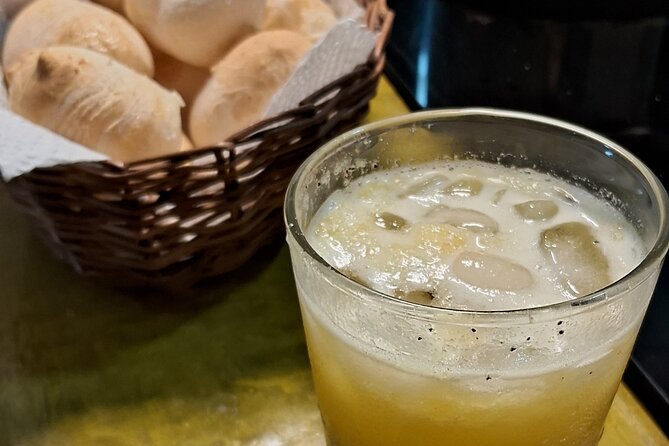
Most cooking classes start with knives and chaos. This one starts with a drink. You’ll prepare caipirinha using a fruit of your choice, then sip while you eat appetizers and settle in. It’s a smart warm-up because you’re not hungry yet, and you’re not overwhelmed by instructions.
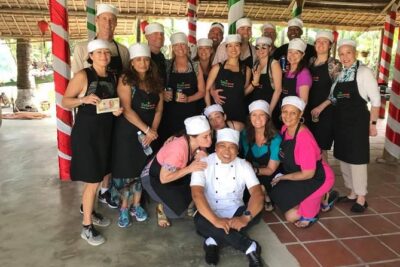
The class also leans into the social side. You’ll spend time talking while you cook and learn, which is one reason this style works well for couples, groups of friends, and solo travelers who like conversation without awkward small talk.
If you prefer not to drink alcohol, there are non-alcohol options like a fruit cocktail and other beverage choices included (the plan can include caipirinha-style options without alcohol). That keeps the energy fun while still respecting your pace.
Pão de queijo and the building blocks of Bahian comfort
Next comes the part that feels both simple and magical: making pão de queijo. You’ll learn about ingredients and their origin, which helps you understand why this cheese bread works—especially the way the dough comes together and how the cheese flavors shape the final bite.
A nice bonus is how the class doesn’t treat bread as an isolated trick. You’re also tasting and learning alongside other elements:
- Vegetables cooked in a very simple style that shows how these flavors appear across Bahian home cooking.
- A guided explanation of what you’re using and why, so you don’t just memorize a recipe.
If you’ve ever wondered what makes Brazilian comfort food taste the way it does, this is where it starts.
Queijo coalho with pineapple pepper jelly
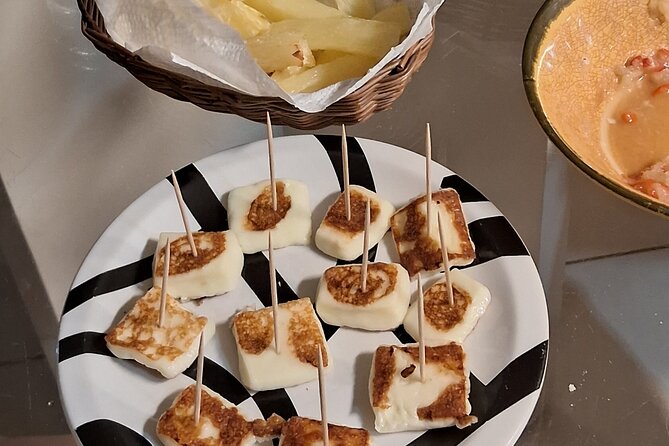
One of the standout flavor pairings in the menu is queijo coalho. You’ll learn about the cheese, and you’ll also make a pineapple pepper jelly to go with it. The combination is the kind of sweet-heat balance that makes you want another bite right away.
From a value perspective, it’s also a smart inclusion. Cheese and jelly could be a small starter in other classes. Here, it’s taught as part of a broader understanding of how Bahian flavors mix—sweet with tang, heat with comfort, and dairy with fruit.
You’ll also prep camarão na tapioca: deep fried shrimp with tapioca. Even if you think you know fried shrimp, the tapioca angle changes the texture and makes it feel like a specific regional choice rather than a generic appetizer.
Brigadeiro: making dessert early so you can actually enjoy it
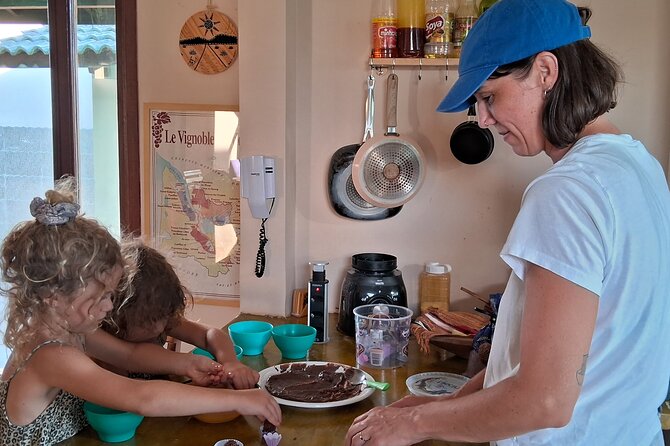
Dessert is usually the last thing you get, and then you rush because the class is over. Here, dessert shows up earlier. The schedule includes making brigadeiro, and it’s described as traditional, easy to make, and popular in Brazilian cafés.
That timing matters. Brigadeiro needs cooling and setting, so making it earlier means you’re not waiting at the very end while everyone else finishes. You get to taste it when it’s ready, at the right temperature, with less scramble.
Brigadeiro also makes this class feel extra authentic. It’s not a fancy plated dessert—it’s the kind of sweet that locals actually eat and crave. If you want a real taste of Brazil beyond main dishes, this is a big win.
Moqueca main dish and the sides that complete the plate
Now you get to the heart of the meal: moqueca, a Bahian fish or seafood stew built on marinated ingredients. The class lets you choose the protein from what’s available (fish, prawns, or seafood), and you’ll marinate it as part of the process so the flavors go deeper than seasoning alone.
Because moqueca is the main event, you’ll also make the sides that make it work as a full plate:
- Brazilian style rice
- Pirão (made from the stew base in the classic way)
- Farofa (toasted cassava flour with added flavor)
These sides aren’t afterthoughts. They’re part of the texture and the way you eat moqueca—stew plus rice plus pirão plus farofa gives you a mix of soft, thick, crunchy, and rich bites. That’s what turns the meal into something you’d actually order at a Bahian home-style table.
One detail that’s especially practical: the class can be adjusted for your preferences. In at least one experience, the menu was changed because the participant wasn’t a seafood lover. If you tell Karla what you do and don’t eat, she can steer the menu so you’re not stuck eating around the parts you dislike.
Coffee from Bahia and liqueur to close out the evening
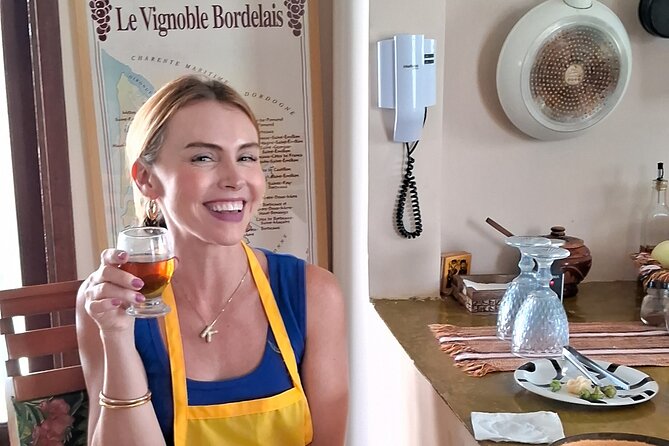
After the cooking and dinner, the class doesn’t just end with dishes. You’ll finish with coffee and options like Bahia-region coffee, plus liqueur. Tea and other included non-alcohol beverage choices may also be offered during the meal.
This closing matters more than it sounds. It gives you time to slow down, digest, and ask more questions about Salvador—where to eat, what to try, and how to spot good flavors on your own after the class.
It’s also part of why this feels like an actual experience rather than a one-time cooking demo.
Price and logistics: is $68.67 good value?
At $68.67 per person, this isn’t the cheapest activity in Salvador. But it also isn’t a thin, one-dish workshop. You’re getting guided cooking plus enough food to count as a full dinner experience, with 8 recipes spread across appetizers, main, and dessert.
You also get unlimited caipirinhas while you cook, which can add serious value if you actually drink. Even if you prefer non-alcohol options, the beverage plan is built into the experience, not sold separately as a side upsell.
The biggest logistics catch is transportation. Private transportation isn’t included, so you’ll want to plan how you’ll arrive and leave the Stella Maris area. The good news is that it’s described as near public transportation, and the neighborhood is considered safe with easy access.
Another value factor: it’s private. If you’re traveling as a couple or a small group, private formats often feel less crowded and more personal. That matters for a cooking class because the interaction is part of the learning.
For $68.67, I’d call this a strong buy if you want a hands-on meal and you like learning how dishes fit together in Bahia cuisine.
Who should book this class in Salvador
This is a great match if:
- You like hands-on cooking more than watching
- You want a real meal experience, not just a tasting
- You enjoy conversation and don’t mind spending time in someone’s home kitchen
- You’re a foodie who wants to understand ingredients, not only replicate recipes later
It’s also a strong choice for dietary flexibility. The class can accommodate vegetarian, vegan, and gluten free options if you flag them when booking.
If you dislike alcohol, don’t worry—you can still participate with included non-alcohol options. And if you’re traveling solo, a private group format can still work well because the host interaction helps the time feel social without turning awkward.
Quick practical tips before you go
- Plan for about 4 hours and treat it like a dinner plan, not a quick class.
- If you have preferences (seafood, dairy, gluten), mention them when booking so the menu can be adjusted.
- Wear comfortable clothes for cooking and moving around a home kitchen.
- If you want to maximize your experience, come ready to ask questions. The host interaction is a major part of why this works.
Should you book this Bahian cooking class?
I’d book it if you’re craving something more meaningful than a standard restaurant meal in Salvador. The structure is built around making food you’ll actually remember: caipirinha early, pão de queijo and classic savory starters, queijo coalho with pineapple pepper jelly, shrimp on tapioca, brigadeiro, then moqueca with the sides that complete the plate.
Choose it over a food tour if you want your hands in the cooking. Choose it over a restaurant if you want the story behind the ingredients and a guided meal you can’t easily recreate on your own right away.
If your only priority is a cheap bite or minimal time, then you might find other options more convenient. But if you want a genuine Bahia home-cooking experience with Karla in the center of it, this is an easy yes.
FAQ
What is the duration of the Salvador cooking class?
The class lasts about 4 hours.
Where does the experience start?
It starts at R. Eng. Adozindo Magalhães, 255 – Stella Maris, Salvador – BA, 41603-430, Brazil, and ends back at the meeting point.
What does the price include?
You get a guided cooking class, dinner made of 8 recipes (appetizers, main dish, dessert), unlimited caipirinhas while you cook, and included beverages such as Brazilian coffee from the region, plus options like tea and guarana soda.
Does it include alcoholic drinks?
Yes, you can make and drink unlimited caipirinhas while you cook, and liqueur is included at the end. There are also non-alcohol options if you prefer.
Can the menu be adjusted for dietary restrictions?
Yes. You can request vegetarian, vegan, and gluten free options when booking.
Is transportation provided?
No. Private transportation is not included.
Is this a private experience?
Yes. Only your group participates.
If I book only the cooking class, where does it start?
If only the cooking class is booked, it starts at the home where the activity happens.
Is there a free cancellation window?
Yes. You can cancel up to 24 hours in advance for a full refund.