REVIEW · HANOI
5 Traditional Dishes Hanoi Cooking Class with Market Trip
Book on Viator →Operated by Apron Up Cooking Class · Bookable on Viator
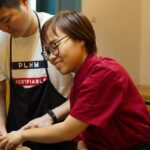
Five dishes, one market mission. That’s what makes this Hanoi class so fun. I like that you start with a real market trip guided by an English-speaking chef, then you turn those same ingredients into classic Hanoi comfort food. My other favorite part is the hands-on cooking—this isn’t a sit-and-watch demo. One thing to consider: the session runs fast, so you may have a few steps handled for you while you still cook key parts of each dish.
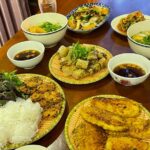
In about 3 hours 15 minutes, you’ll shop, cook, and eat a full spread: Pho bo, Bun cha, Nem ran, papaya salad, plus egg coffee or chocolate. Expect coffee or tea, a serving of rice vodka, and a recipe book plus a certificate to take home.
In This Review
- Key things I’d plan around
- Meeting in Hanoi’s Old Quarter: fast start, easy location
- Hanoi’s biggest market trip: shopping like a cook
- The cooking studio: 5 dishes in a tight 3 hours 15 minutes
- Pho bo: building the comfort bowl
- Bun cha: the Hanoi BBQ pork noodle lesson
- Nem ran (fried spring rolls): crispy technique without the mystery
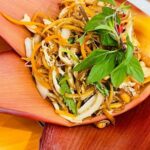
- Papaya salad: balancing sweet, sour, and crunch
- Egg coffee or chocolate: finish with a Hanoi-style sweet
- The best part: eat your creations with rice vodka
- Vegetarian-friendly approach: what’s included and what to ask
- Price and value in Hanoi: does $35.07 make sense?
- Group size and timing: what small matters most
- Who should book this Hanoi cooking class?
- Should you book 5 Traditional Dishes Hanoi Cooking Class with Market Trip?
- FAQ
- How long is the cooking class?
- Where does the tour start in Hanoi?
- Is hotel pickup included?
- What dishes are included in the class?
- Are vegetarian options available?
- What drinks are included?
- Will the chef speak English?
- How many people are in a group?
- Can I cancel for a full refund?
Key things I’d plan around
- Hanoi’s biggest market first, so you understand ingredients before you cook
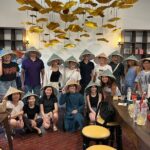
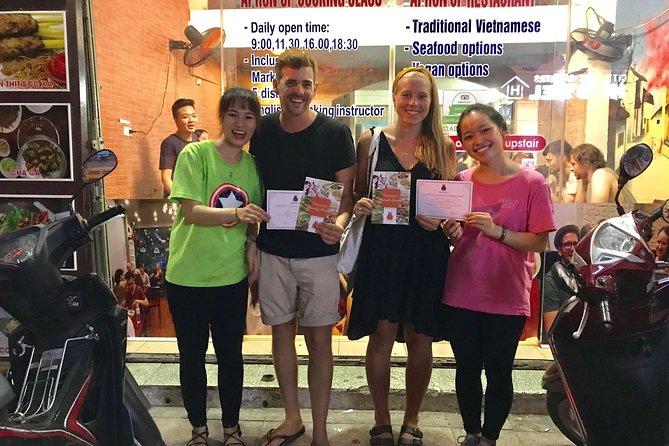
- Small group size (max 10), which keeps the class hands-on
- Five dishes in one session, including pho, bun cha, spring rolls, salad, and egg coffee
- Diet options included, with vegetarian versions taught for non-red meat eaters
- You eat what you make, plus rice vodka and coffee or tea
- No hotel pickup, so you’ll want to reach the Old Quarter meeting point on your own
Meeting in Hanoi’s Old Quarter: fast start, easy location
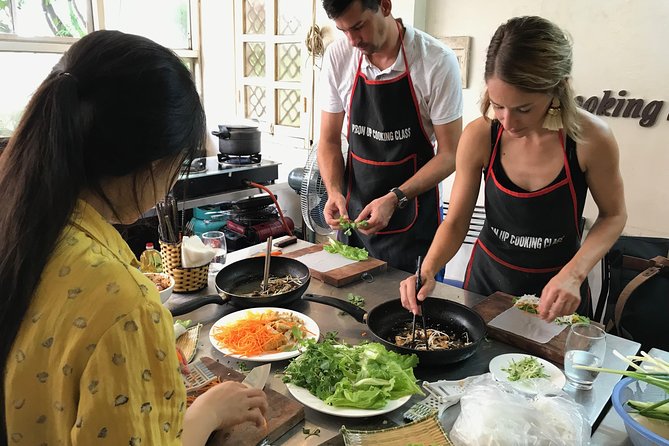
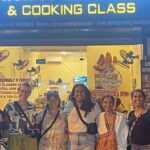
The tour meets at 8 P. Gia Ngư, Hàng Bạc, Hoàn Kiếm. It’s in the Old Quarter area, which matters because this experience is timed to start early enough to shop while stalls are lively and ingredients are freshest.
There’s no hotel pickup or drop-off. That’s not a dealbreaker, but it does change the planning: you’ll want to make sure you can get to the meeting point without last-minute stress. If you’re staying nearby, great. If you’re farther out, budget some buffer time for taxis or grabbing a quick ride.
I also like that the tour ends back at the meeting point. It keeps your evening simple: you’re not stuck figuring out how to get back afterward.
You can also read our reviews of more tours and experiences in Hanoi.
Hanoi’s biggest market trip: shopping like a cook
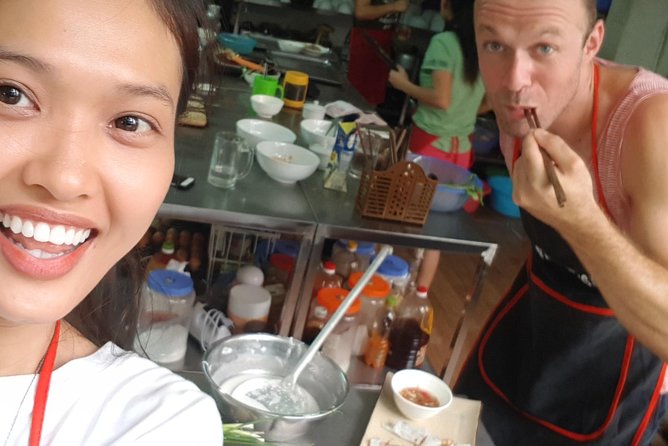
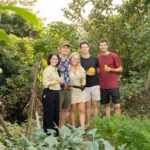
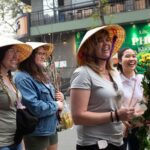
This class begins with shopping at Hanoi’s largest market with a local expert who helps you choose produce and spices. This is where the whole experience becomes more than just recipes.
The practical value is huge: Vietnamese cooking is built on balance—fresh herbs, the right noodles, the correct aromatics, and spices you’ll recognize only after someone shows you what to look for. By the time you get to the kitchen, you’ll understand why certain items go together.
What you’re likely to do here:
- See how ingredients are selected (not just what ingredients are used)
- Get help matching items to the five dishes on the menu
- Learn how Vietnamese flavors are built from herbs, sauces, and aromatics, not heavy reliance on one ingredient
I’d come hungry and curious. If you’re the type who loves wandering through markets anyway, this gives you a reason and a route—plus it keeps you from buying things that you won’t know how to use later.
The cooking studio: 5 dishes in a tight 3 hours 15 minutes
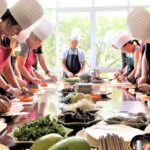
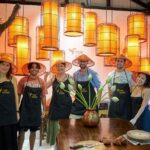
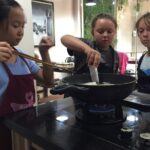
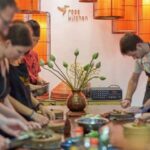
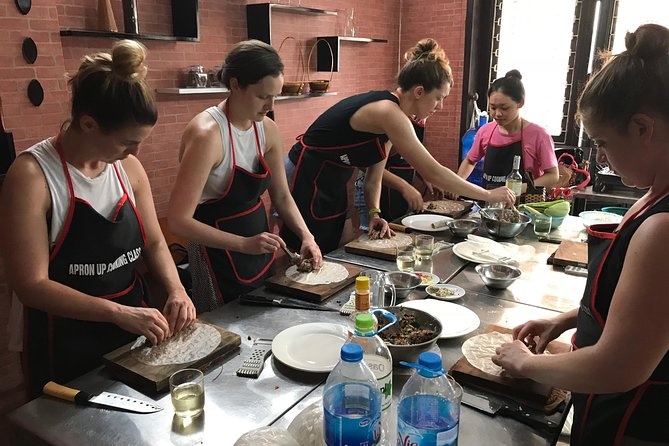
After the market, you head to the cooking facility. The class is designed to move, but it’s not chaotic. Instructors (English-speaking chefs) are described as friendly, funny, and good at keeping everyone involved, including smaller groups where you actually get to work.
A key detail: some prep may be done for you so the timing stays on track. That’s normal for a class that covers five dishes in one sitting. The good news is that you’re still involved in cooking—so you’ll leave with real muscle memory, not just a photo of the final plate.
The pace can feel like a well-run kitchen. I’d call it efficient rather than rushed. Still, if you want super slow, step-by-step coaching for every single action, this format may feel less detailed than a private class.
Pho bo: building the comfort bowl
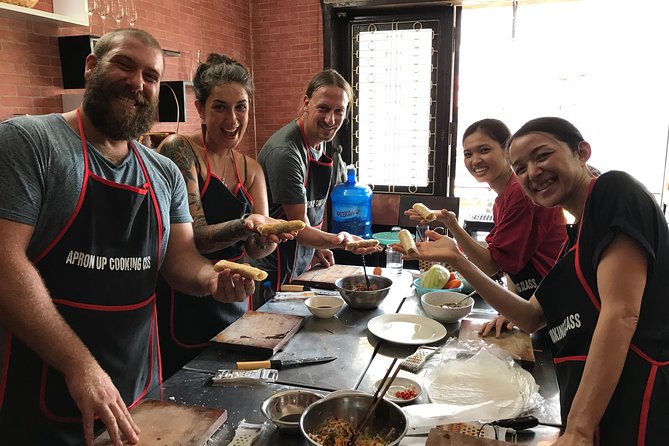
Pho bo is one of the dishes on the menu, and it’s a smart choice for a cooking class because it teaches fundamentals: aromatics, broth logic, and how Vietnamese flavors come together.
You’ll likely focus on:
- How the broth’s taste is shaped
- How you assemble and serve the bowl properly
- How to balance the flavors so it tastes right, not just aromatic
Even if some broth work is already underway, the class structure is about showing you what matters. Pho is also where you’ll understand why market shopping isn’t just scenic—it changes the outcome.
Bun cha: the Hanoi BBQ pork noodle lesson
Bun cha is another centerpiece of Hanoi’s food culture. The class includes it as part of the five-dish menu, and it’s a strong follow-up to learning ingredients at the market because bun cha relies on a mix of fresh herbs, noodles, and grilled flavors.
One thing to expect: some elements may be handled by the staff so the group can keep moving. But you still get to cook and learn how the components come together—so you can recreate the flavor at home without feeling like you missed the entire process.
If you’re a first-time cook, bun cha is a great dish to start with because it’s forgiving. You can make adjustments with herbs and sauce to match your own taste.

Nem ran (fried spring rolls): crispy technique without the mystery
Nem ran is on the menu, and it’s a crowd-pleaser for a reason. It teaches technique: rolling, filling balance, and how to get the right crisp outcome.
In a group class, nem ran also gives you a chance to participate at almost every stage. That matters because it’s easy to feel like a passive eater when the class only covers one or two cooking steps.
A couple practical notes for this part of the experience:
- You’ll likely get guidance on how to assemble the rolls
- Expect frying to be a shared, managed process (safety first, timing second)
- You’ll learn what a good roll looks like before it goes into the pan
Papaya salad: balancing sweet, sour, and crunch
Papaya salad is included, and this dish is a strong lesson in Vietnamese flavor balance. It’s not only about ingredients—it’s about getting the taste right by mixing and adjusting.
You’ll likely learn:
- How the salad dressing affects sweetness and sourness
- How texture matters (crunch is part of the recipe, not an afterthought)
- How herbs and toppings turn a salad into a complete dish
This is one of the places where having an instructor who explains the logic helps. Once you understand the balance, you can adapt at home with what’s available.
Egg coffee or chocolate: finish with a Hanoi-style sweet
The class includes a choice between egg coffee or chocolate. Either way, this is a satisfying end point because it rounds out the meal: warm, creamy, and unmistakably Vietnamese.
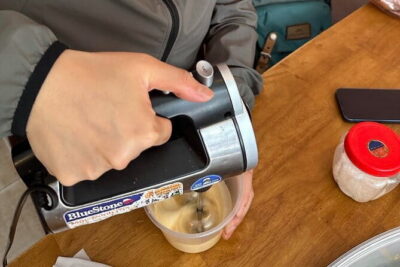
Egg coffee especially teaches a technique mindset—how to create a thick, smooth result rather than a watery coffee. Chocolate, too, fits the theme: it gives you a way to bring Vietnamese flavors home without needing to source specialty meats or herbs.
I like classes that end with something that feels special to the destination. This one does that.
The best part: eat your creations with rice vodka
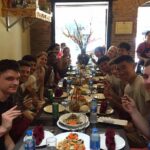
You don’t just cook—you savor your meal together afterward. That matters because it completes the learning loop: you taste what you made, and you can connect flavor to technique.
Along with eating, you’ll get complimentary rice vodka, plus coffee and/or tea. Rice vodka is part of the experience, and it also makes the meal feel like you’re sharing food the way people do in Vietnam—simple, warm, and social.
If you’d rather not drink alcohol, you can still enjoy the food and coffee. The class value doesn’t depend on the vodka.
Also, the portions tend to be generous. Multiple instructors and groups are praised for feeding everyone well after the cooking.
Vegetarian-friendly approach: what’s included and what to ask
The menu notes that vegetarian/non-red meat eaters will learn vegetarian versions. That’s a big plus for flexibility, especially if you don’t eat pork or beef.
In practical terms, this means the class can work even if your diet differs from the standard menu. Still, I’d confirm at booking what the substitution looks like for each dish so you know what to expect.
Allergy adjustments are mentioned in the feedback, too—so if you have concerns, it’s worth communicating dietary needs clearly when you book.
Price and value in Hanoi: does $35.07 make sense?
At $35.07 per person, this class is good value for what you get. You’re paying for a full arc:
- Market guidance at Hanoi’s biggest market
- Cooking instruction for five traditional dishes
- Coffee/tea plus rice vodka
- A recipe book and a certificate at the end
- An English-speaking chef (so you’re not left guessing)
What keeps it from being perfect value is also straightforward: you provide your own transport to and from the meeting point. If you’re staying far from the Old Quarter, that extra cost can quietly eat into the deal.
But if you’re already in that area, this becomes a very efficient way to learn Vietnamese cooking without spending extra time piecing together market + class + meal plans.
Group size and timing: what small matters most
With a maximum of 10 travelers, you usually get enough attention to actually cook. That’s a huge difference versus bigger classes where half the group waits for instructions.
The duration—about 3 hours 15 minutes—is also a sweet spot. It’s long enough to cover multiple dishes and tastings, but short enough that you can still enjoy the rest of your evening in Hanoi.
This also means you should treat it like a food-focused block. Wear comfortable shoes and keep your schedule light. If your day is packed, you might feel rushed during the class.
Who should book this Hanoi cooking class?
Book it if:
- You want a hands-on way to learn Vietnamese food basics
- You like markets and want to shop with purpose
- You’re traveling solo or with friends and want a small-group experience
- You want recipes you can actually use after you get home
Consider something else if:
- You hate fast pacing and want ultra-slow, private-style step-by-step coaching
- You’re very concerned about hygiene and need maximum control over utensils and procedures
- You’re looking for a food experience that’s mostly about eating, not cooking
In general, this is ideal for food lovers who want structure and learning without taking a cooking vacation.
Should you book 5 Traditional Dishes Hanoi Cooking Class with Market Trip?
Yes, if you want a high-value introduction to Hanoi cooking that includes both a market run and a full meal. This class is especially appealing because it covers real staples—pho bo, bun cha, nem ran, papaya salad, and egg coffee or chocolate—rather than just one “signature dish.”
I’d book it on a night when you’re feeling flexible and hungry. If you can reach the Old Quarter meeting point easily, the logistics are simple. If not, plan your transport early so the class doesn’t become a scramble.
If you’re careful about pace, just know that this is built to hit five dishes in one session. You’ll still learn a lot, but it’s the format—not the instructors—that makes it feel like a working kitchen schedule.
FAQ
How long is the cooking class?
It lasts about 3 hours 15 minutes.
Where does the tour start in Hanoi?
It starts at 8 P. Gia Ngư, Hàng Bạc, Hoàn Kiếm, Hà Nội 08404, Vietnam.
Is hotel pickup included?
No, hotel pickup and drop-off are not included.
What dishes are included in the class?
The menu includes Pho bo (beef noodle soup), Bun cha (Hanoi BBQ pork noodle), Nem ran (fried spring roll), papaya salad, and egg coffee or chocolate.
Are vegetarian options available?
Yes. Vegetarian and non-red meat eaters will learn vegetarian versions.
What drinks are included?
The tour includes coffee and/or tea, and rice vodka.
Will the chef speak English?
Yes, an English-speaking chef is included.
How many people are in a group?
The maximum group size is 10 travelers.
Can I cancel for a full refund?
Yes. You can cancel up to 24 hours in advance for a full refund. If you cancel less than 24 hours before the start time, the amount paid is not refunded.