REVIEW · SEMINYAK
Nia Bali Seminyak Cooking Class
Book on Viator →Operated by Wandernesia · Bookable on Viator
A Balinese cooking class with a real market start. I love the market visit and the chance to cook a big menu, up to 12 Balinese dishes. One watch-out: it is a group-style class, so you’ll want to be ready to share space and attention as you cook.
You’ll spend about 4 hours 30 minutes in Seminyak, with lunch included and a take-home cookbook and completion certificate. Pickup is offered only from the Seminyak area (no drop-off), starting at 8:00 AM, so plan your morning around that timing.
In This Review
- Key Things I’d Focus On
- Entering Seminyak’s Morning Rhythm at Seminyak Square
- The Market Trip: Where Balinese Flavor Starts
- Cooking at Nia: Turning Ingredients into Up to 12 Dishes
- The Menu You’ll Cook: Pastes, Satay, Salads, and Rice
- Spice pastes (the flavor bases)
- Mains and grilled-style favorites
- Peanut sauce dishes and salad-style sides
- The comforting finish
- Lunch, Coffee or Tea, and the Best Part: Eating What You Made
- How Much Is $71.50 Worth in Real Life?
- Pickup and Timing: The Part That Can Trip You Up
- Who Should Book This Cooking Class in Seminyak?
- Before You Go: Simple Prep That Makes It Easier
- Should You Book Nia Bali Seminyak Cooking Class?
- FAQ
- What time does the cooking class start?
- Is lunch included?
- How many Balinese dishes will I learn to cook?
- Do I get pickup and is drop-off included?
- What do I take home after the class?
- What if I have food allergies?
Key Things I’d Focus On
- Market ingredients first: you pick items at a morning market, not just in a kitchen demo.
- Up to 12 dishes: sauces, pastes, satay, salads, and rice, not a short sampler.
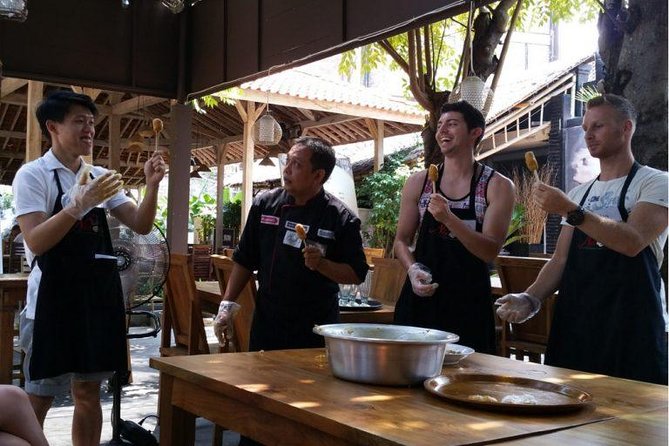
- Chef-led, hands-on cooking: you get table-level participation as the recipes roll.
- Lunch is part of the deal: you eat what you cook, with coffee and/or tea included.
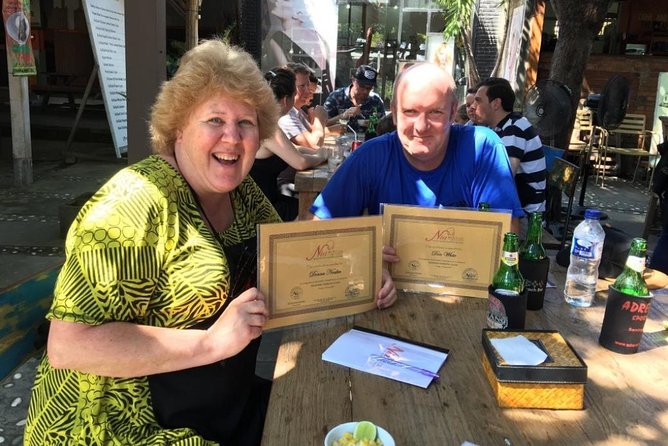
- Take-home learning tools: cookbook plus a completion certificate.
Entering Seminyak’s Morning Rhythm at Seminyak Square
This class starts early and keeps moving. You’ll meet at Warung Nia Balinese Food & Pork Ribs (Jl. Kayu Aya No.19-21, Seminyak) and the day begins with coordination from Seminyak Square before heading out. If you’re staying anywhere in the Seminyak area, pickup is part of the plan and begins at 8:00 AM, with pickup service available but no drop-off at the end.
Why I like this start: it feels like you’re entering how locals eat and shop, not just walking into an activity. The timing matters because many markets are best earlier in the day, when ingredients look freshest and sellers are busiest but still in full rhythm.
One practical consideration: since this is an early departure with pickup, don’t plan a late breakfast elsewhere. You’ll want to arrive ready to learn and snack light. Also, wear something comfortable you don’t mind getting slightly warm in. Bali kitchens tend to run active.
You can also read our reviews of more tours and experiences in Seminyak.

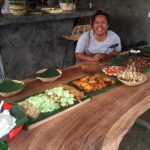
The Market Trip: Where Balinese Flavor Starts
A big part of the value here is that you don’t just get taught by a chef. You also learn the ingredients first.
You’ll visit a morning market/traditional market and learn about Balinese ingredients you’ll be cooking with later. The class format is built around selecting the raw components—things like meats, fish, exotic spices, poultry, and tropical fruits—so you connect the final dishes to what’s actually available locally.
This is the part that most helps you if you cook at home later. When you understand ingredients (and why they’re used), you’re less likely to treat Balinese food like a single recipe. You start understanding patterns: how spice pastes show up across dishes, how fresh aromatics influence the base flavors, and how fruit and salads sit beside richer mains.
One more reason this market stop is worth your time: it’s not just sightseeing. You’re gathering input for the kitchen. That turns the class into something you can repeat, not just something you watch.
If you have allergies, this is where you need to be clear. The class instructions explicitly ask you to mention any allergies ahead of time. Tell them early so they can guide you toward substitutions where possible.
Cooking at Nia: Turning Ingredients into Up to 12 Dishes
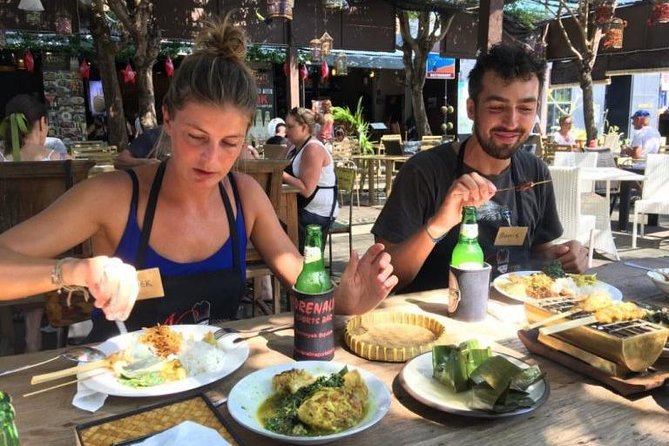
The cooking happens at Nia Cooking Class in Seminyak, at the Warung Nia location. The kitchen session is built to be hands-on, and that matters because Balinese cooking can look complex until you realize how repeatable the steps are—especially when you learn the sauces and spice pastes that act like flavor engines.
You’ll learn the art of making:
- Spice paste for seafood
- Spice paste for chicken
- And then use those bases across multiple dishes
Then you move through side dishes and main courses. The menu is designed so you’re not only doing one technique. You’ll see how pastes, grilling/finishing, and salads fit together on the same table.
A detail I really appreciate: the class is described as private in the sense that it’s your group doing the activity. That doesn’t automatically mean tiny. Some sessions can still feel like a lively group kitchen, and you should expect you’ll share the workflow with other people. Still, the structure is designed to keep everyone participating rather than letting some people watch for long stretches.
The Menu You’ll Cook: Pastes, Satay, Salads, and Rice
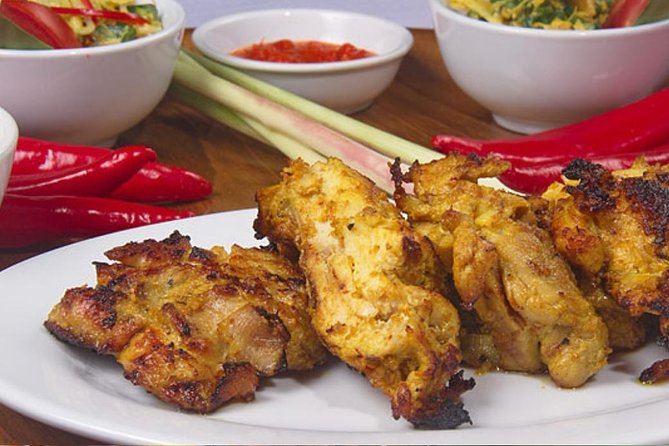
The class can include 12 menu items, and the menu list is specific. Here’s what you can expect to cook:
Spice pastes (the flavor bases)
- Spice paste for seafood – Base be pasih (orange in appearance)
- Spice paste for chicken – Base be siap (yellow in appearance)
Learning these early gives you a shortcut later. Many Balinese dishes share a “base” idea. If you can understand the paste, you can understand why the dish tastes like it tastes.
Mains and grilled-style favorites
- Roasted chicken in banana leaf – Ayam betutu Bali
- Pork in sweet soy sauce – Be celeng base manis
- Chicken satay – Sate Ayam
- Miced seafood satay – Sate lilit ikan
- Miced chicken in banana leaf – Tum Ayam
Notice the variety: banana leaf cooking, sweet soy pork, and satay styles. It’s a smart mix because you’re not only learning flavors, you’re learning how different preparations change texture and aroma.
Peanut sauce dishes and salad-style sides
- Peanut sauce – Base sate
- Green papaya salad with chicken
- Vegetable salad in peanut sauce – Pecelan
- Sweet corn coconut snack – Urab Jagung
That peanut sauce and the salads matter more than people expect. They’re not just sides; they’re what balance richness. If your goal is to replicate Balinese meals at home, this is the section that helps you get the full table effect.
The comforting finish
- Fried rice with chicken – Nasi goreng ayam
Even if you’re new to cooking, fried rice is a good anchor. It’s familiar enough to help you relax, but still has the Balinese flavor logic from earlier steps.
If you’re a pescatarian or cooking with dietary restrictions, there’s guidance available. One review specifically notes the class can be tailored for dietary requirements, which is a big deal when you’re paying for a hands-on menu-heavy lesson. Still, the safe move is to communicate dietary needs clearly before you go.
Lunch, Coffee or Tea, and the Best Part: Eating What You Made
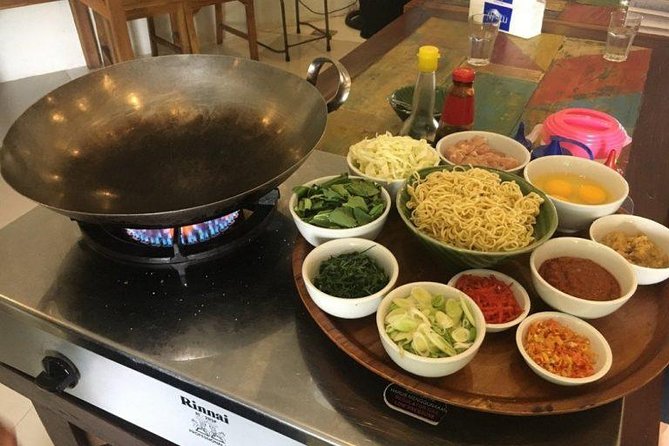
Lunch is included, and you’ll sit down with the meal you cooked. Coffee and/or tea are also included, which helps turn the whole class into an actual food day, not just a half-day workout.
This is also where the class becomes more than cooking instruction. You’ll eat with the people in your session. The setup encourages mixing at tables, and it’s a common reason people enjoy the experience as a social morning, especially if you’re traveling solo or you want a low-effort way to meet others.
One more practical note: come hungry. The class is designed to be active, and you’ll likely spend time tasting and prepping. Also, if you’re sensitive to spicy flavors, make sure you communicate that. You can then pace yourself and get guidance while you cook.
How Much Is $71.50 Worth in Real Life?
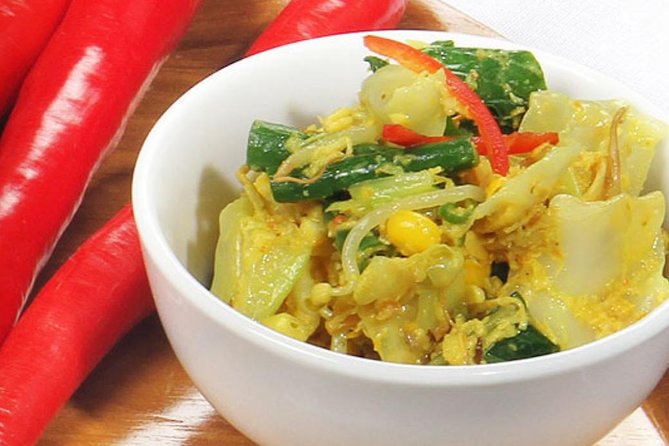
At $71.50 per person, you’re paying for a lot of built-in value: pickup from Seminyak (no drop-off), a market ingredient experience, class time covering up to 12 dishes, lunch, coffee or tea, and a cookbook plus a certificate. Many cooking classes sell you on 2–4 dishes and a light meal. This one is structured like a full cooking session.
Here’s how I’d judge it for value:
- Time + output: about 4 hours 30 minutes with up to 12 prepared items is a strong “learn by doing” ratio.
- Included lunch: you’re not paying extra to eat, and the meal is part of the teaching arc.
- Take-home tools: cookbook and completion certificate help you remember what you cooked and keep your next attempt closer to the real thing.
The price also makes sense if you consider that Balinese spice pastes and sauces are the “hard parts.” This class targets those, then builds outward into multiple dishes.
Two booking realities to keep in mind: the voucher is date-specific, and this experience is non-refundable. If your schedule might shift, double-check your travel rhythm before you lock it in.
Pickup and Timing: The Part That Can Trip You Up
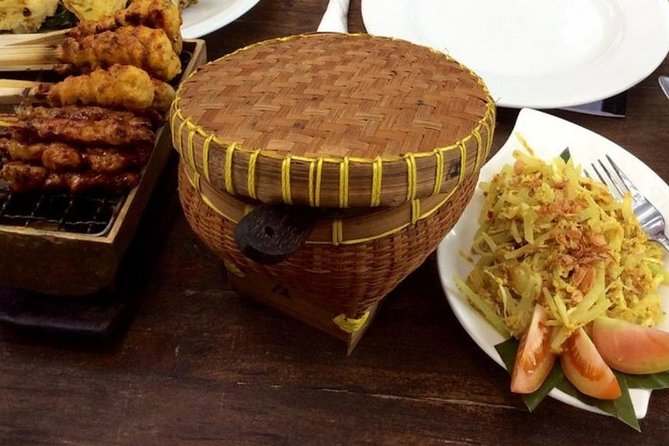
Pickup starts at 8:00 AM for guests in the Seminyak area, and the class is scheduled for about 4 hours 30 minutes. Your activity ends back at the meeting point.
That “no drop-off” detail matters. You’ll need to sort out your onward plans after the class. Since it ends near the start location, it usually isn’t a deal-breaker, but it can affect how you plan dinner or where you’ll grab a ride.
The class itself is also described as being near public transportation, which can help you move around without stress. Still, I’d plan for at least one short hop after the tour ends.
Who Should Book This Cooking Class in Seminyak?
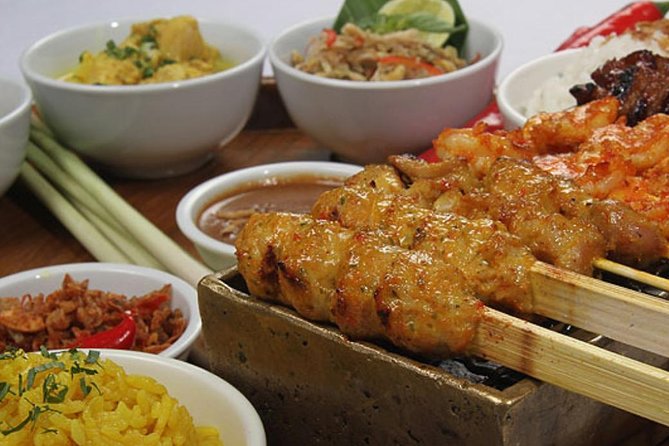
This is a great match if you want:
- A market-to-kitchen experience, not just a cooking demo
- An action-heavy class where you cook a large menu
- A practical way to learn Balinese ingredients and techniques you can repeat later
It’s also a good pick for:
- Solo travelers who want a social meal without planning a dinner reservation
- Couples or families who want a shared activity with a clear payoff at the table
- Food lovers who care about sauces, spice pastes, and how Balinese flavor balances work
If you’re the type who likes quiet, slow, minimal interaction, a busy group kitchen may feel less relaxing. But if you’re ready to get involved, the structure is built for participation.
Before You Go: Simple Prep That Makes It Easier
The class instructions are clear about allergies: mention them when booking. Don’t wait until day-of if you can avoid it. You’ll get better guidance and safer substitutions.
Other quick tips:
- Wear comfortable clothes you can move in during prep work.
- Expect heat and kitchen energy.
- If you have strong preferences (very mild food, no pork, etc.), communicate them early so adjustments are possible.
And then do the obvious thing: bring an appetite. This is not a “taste a bite” class. It’s a full meal day.
Should You Book Nia Bali Seminyak Cooking Class?
If you want a cooking class that feels like learning Balinese food from the ground up, I’d book it. The combination of a market start, up to 12 dishes, and included lunch is strong value for the time. The take-home cookbook and completion certificate are also nice touches because they give you something tangible after the class ends.
I’d only hesitate if your schedule can’t handle an 8:00 AM pickup and a morning that runs close to half a day, or if you strongly prefer one-on-one instruction in a quiet setting. For most people, it’s one of the most practical ways to bring Bali flavors home from Seminyak.
FAQ
What time does the cooking class start?
The start time is 8:00 AM, with pickup offered starting at 8 AM in the Seminyak area.
Is lunch included?
Yes. Lunch is included in the tour price, and coffee and/or tea are also included.
How many Balinese dishes will I learn to cook?
You learn to cook a class menu with time for 12 dishes.
Do I get pickup and is drop-off included?
Pickup is included as a free service for the Seminyak area, but there is no drop-off service.
What do I take home after the class?
You receive a completion certificate and a cookbook.
What if I have food allergies?
You should mention your allergies when booking, so the team can accommodate as needed.