REVIEW · ROME
Farmers’ Market Shopping with Cooking Class and Pasta Making
Book on Viator →Operated by Inrome Cooking Srl · Bookable on Viator
Rome tastes better when you buy it first. This farmers’ market shopping and pasta making class pairs ingredient hunting at Campo de’ Fiori with hands-on cooking in a Rome kitchen setting. You’ll start with shopping and tastings, then move to the cooking school to put everything together into an Italian meal you can actually recreate later.
Two things I especially like: the market time is practical, not just sightseeing, and the chefs actually let your menu reflect what you want. I’ve seen instructors like Max, Roberto, and Davide adapt based on interest, including adding spring greens like Agretti/Monk’s Beard or focusing on techniques for fresh ingredients. One consideration: because there’s no hotel pickup or drop-off, you’ll want to plan your own way to the meeting point and back.
In This Review
- Key things to know before you book
- A Rome farmers market cooking class that’s actually built around food
- Campo de’ Fiori: the market is your ingredient shopping lesson
- The cooking school in a palazzo feel: warm welcome first
- Cooking a multi-course Italian meal (plus pasta you’ll remember)
- What the included lunch and tastings really mean for your day
- Group size, language, and how it affects your learning
- Vegetarian and dietary needs: how to plan ahead
- Logistics you should actually care about (and how to prep)
- Who this Rome pasta and market class is best for
- Should you book this Campo de’ Fiori pasta-making experience?
- FAQ
- How long is the farmers market shopping and pasta making class?
- Where does the experience start and end?
- Is the class offered in English?
- What’s included in the price?
- Is there a vegetarian option?
- Do I get recipes to use at home?
- Is there hotel pickup or drop-off?
- How big is the group?
- What’s the cancellation window for a refund?
Key things to know before you book
- Campo de’ Fiori shopping with tastings: You get to sample what you’re buying, guided by a chef.
- Hands-on pasta skills: You’ll learn techniques that help the pasta hold its shape.
- A meal you can repeat: Recipes are sent to you after the class.
- Small group size: Maximum 12 travelers, so questions don’t vanish into the crowd.
- Dietary options exist: A vegetarian option is available if you request it at booking.
- Wine and antipasti are part of the welcome: Expect a proper, grown-up start before cooking.
A Rome farmers market cooking class that’s actually built around food
A cooking class in Rome can be either a fun show or a useful skill builder. This one aims squarely at the second one: you buy real ingredients first, then you cook with them right away. The market isn’t treated like a backdrop. It’s treated like your classroom.
The timing also matters. You’re looking at about 4 to 5 hours, which is long enough to shop, cook, eat, and still leave you energy for the rest of your day in Rome. It’s offered in English, and the group stays small (up to 12). That combination usually makes for clearer instruction and fewer awkward moments when you’re standing around waiting.
Price-wise, $217.69 per person isn’t the cheapest thing you can do. But you’re not just paying for a meal. You’re paying for a structured experience that includes the market portion, chef-led tastings, your lunch, and alcohol (wine or similar), plus bottled water. You also leave with recipes you can use again at home, which is where the value often shows up later.
You can also read our reviews of more tours and experiences in Rome.
Campo de’ Fiori: the market is your ingredient shopping lesson
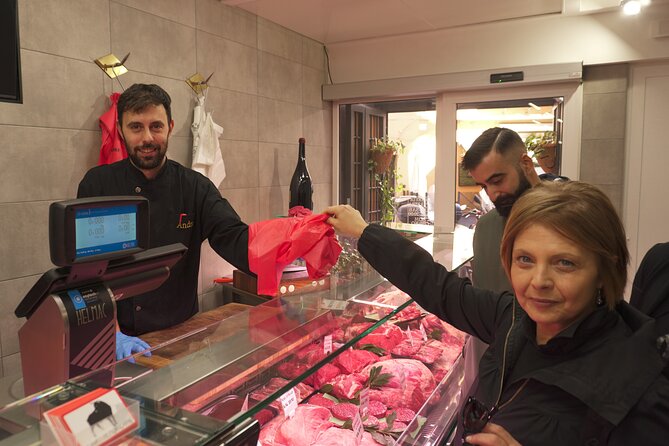
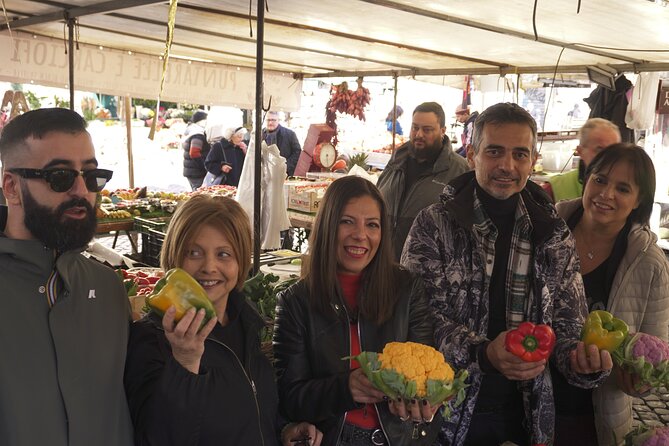
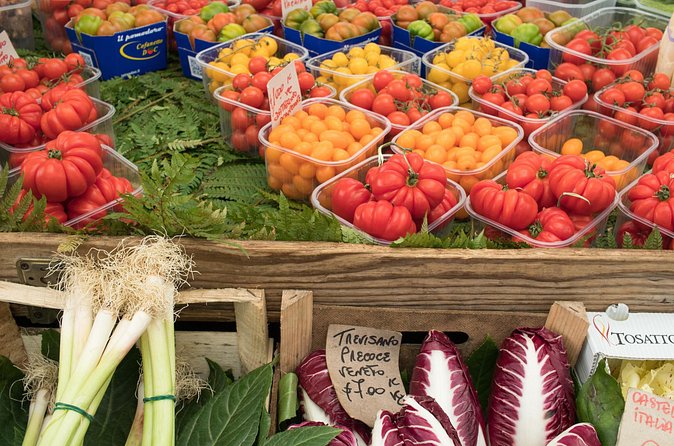
You start at Corso del Rinascimento, 65 and then head to the market area with an expert guide and chef. The first stop is Campo de’ Fiori, one of Rome’s most recognizable market squares. But what makes this experience worthwhile isn’t the postcard value. It’s the chef’s direction on what to buy and how to think about flavors as you shop.
Here’s what you can expect at this stage:
- You’re shopping for farm-fresh ingredients to use during your cooking session.
- You’ll get tastings along the way, so you can connect the ingredients to flavor right then.
- The chef helps shape the final menu based on what’s available and what you’re interested in cooking.
One detail I love from real examples instructors gave: Max was flexible about adding seasonal spring items like Agretti/Monk’s Beard, and he demonstrated how spring artichokes can show up in dishes like homemade ricotta ravioli. That’s the difference between a class where you follow a fixed script and a class where you learn how Italian cooking responds to what’s at its best.
Practical note: the market experience can be lively. Wear comfortable shoes. You’ll be on your feet, and you’ll likely spend time getting close to stalls and sampling items.
The cooking school in a palazzo feel: warm welcome first
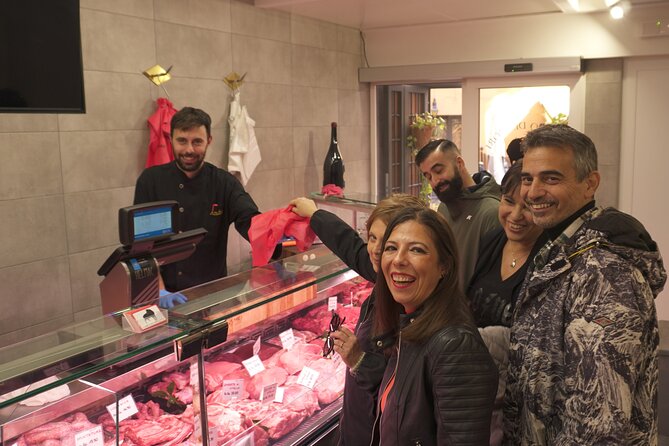
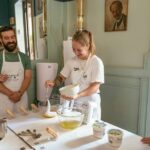
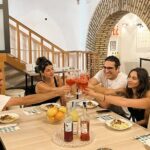
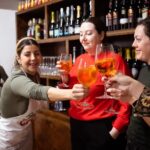
After the market, you head to the historic cooking school. The vibe here tends to be calm and welcoming, especially compared with the outdoor market energy. One highlight is the warm welcome at a Rome palace setting with wine and antipasti before you cook.
That matters more than it sounds. Food-focused classes work best when you’re not rushed, and when you’re relaxed enough to ask questions. Many people want a little “start-of-class momentum,” and this delivers it with a social, Italian-style pre-meal.
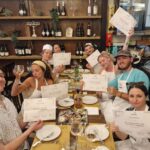
And the chefs here don’t just run the schedule. They teach. People specifically praised instructors like Sara, Roberto, David, and Fillipo/Davide for being patient, adjusting menus, and giving clear techniques—especially for pasta. That combination is a big deal for beginners. You don’t need to be a home cook to get value from this day.
Cooking a multi-course Italian meal (plus pasta you’ll remember)
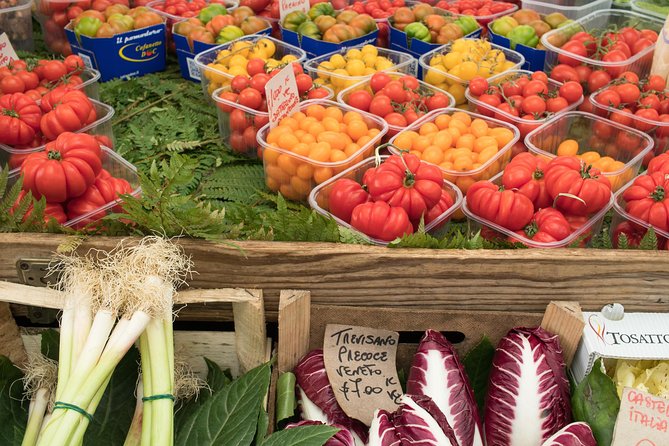
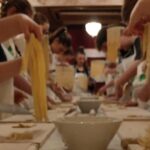
The exact dishes can vary depending on the menu you choose and what the chef decides fits best with the ingredients. But the structure stays consistent: you’ll prepare multiple courses and you’ll do pasta making.
Think of it like this:
- You’ll work through an Italian menu that becomes your lunch.
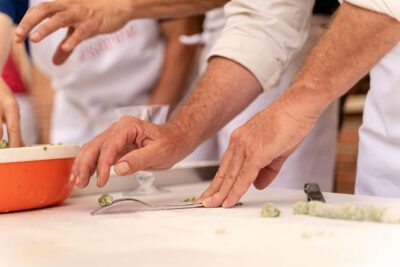
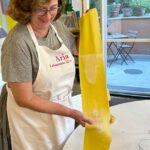
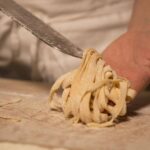
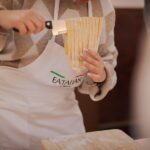
- You’ll learn how pasta is made and shaped so it cooks with the right texture.
- You’ll finish with dessert, often in classic Italian style.
From past class experiences, menus have included things like:
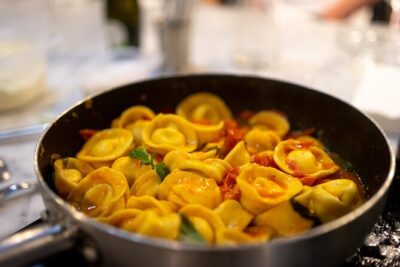
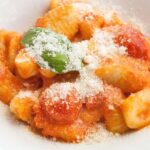
- Homemade fresh pasta with ricotta ravioli, paired with sauces influenced by the season
- Chicken dishes with Roman artichokes
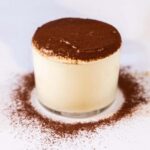
- Tiramisu that people rated as better than what they get in typical restaurants
- Panna cotta with persimmon sauce
- Stuffed zucchini flowers and other Roman-style seasonal plates
If you care about technique, the pasta lessons are the payoff. One of the best pieces of feedback I saw was how the pasta came out tender but still held its structure. That’s what you want when you make pasta at home and you don’t want it to turn into mush.
Also, instructors often explain the why, not just the how. You might see someone demonstrate things like spring artichokes for a ravioli filling, then walk you through how to prepare the ingredients so they taste fresh and not watery or bland.
What the included lunch and tastings really mean for your day
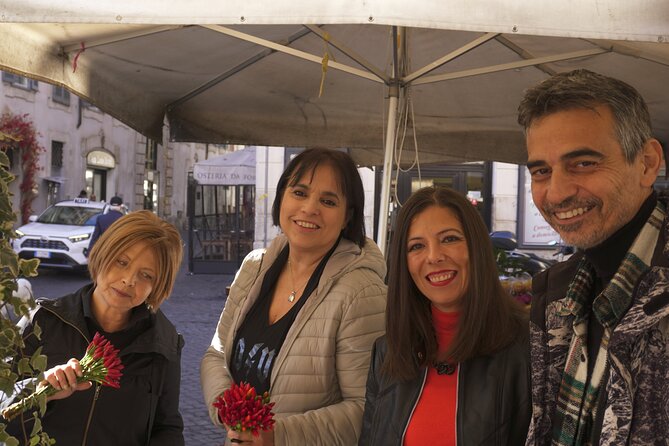
The class includes a 3-course lunch, food tastings, bottled water, alcoholic beverages, and the chef. That’s not just a checklist. It changes how you plan the rest of your day.
If you’re touring Rome, it’s tempting to squeeze in food stops between big sights. This flips that. You get a full meal built into the experience. That helps you avoid spending extra time and money hunting for lunch later, and it prevents the common problem of doing a cooking class hungry and tired.
Alcohol is included, but the class still stays focused on instruction. The better approach: use the first tastes as a guide to flavor, then cook with attention. Save the full relax-for-hours vibe for after you’ve finished the work.
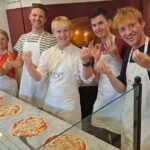
Group size, language, and how it affects your learning
This experience caps at 12 travelers, which is a sweet spot. Small enough that the chef can see what you’re doing. Big enough that it still feels social.
It’s offered in English, so you don’t have to rely on gestures. Still, Italian kitchens have their own rhythm. If you’re the type who gets stressed by speed, give yourself a calm mindset. The class moves, but instructors are praised for being patient and encouraging.
If you’re traveling solo, this can work well because you’re in a structured group activity with built-in conversation through the cooking process.
Vegetarian and dietary needs: how to plan ahead
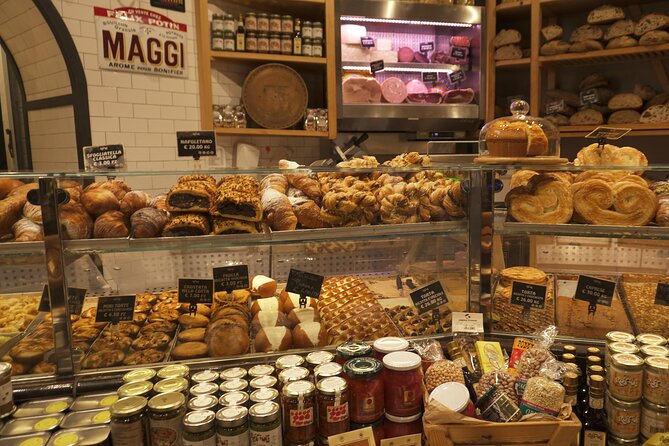
A vegetarian option is available if you request it when you book. The best move is to be specific when you share dietary requirements, since the menu can be shaped around what you can eat.
This matters because you’re not doing a generic demo where everyone gets the same plates. You’re cooking what your menu calls for. If you have allergies or restrictions beyond vegetarian, you’ll want to mention them early so the chef can plan alternatives.
One more practical point: ask yourself what kind of eater you are. Italian vegetarian cooking can be more than pasta with tomato sauce. The class structure gives the chef room to build flavor using vegetables, cheeses, and seasonal produce.
Logistics you should actually care about (and how to prep)
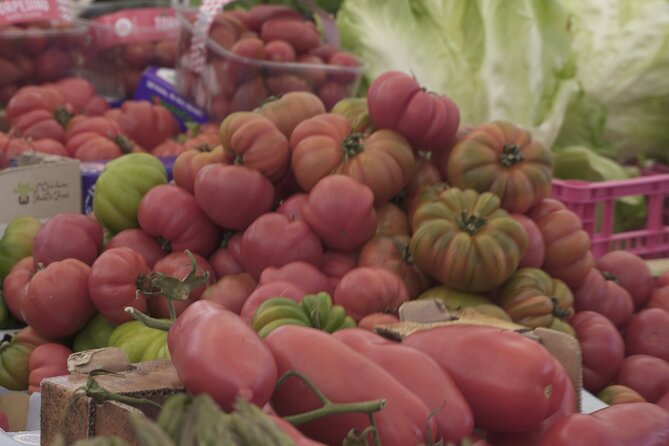
There’s no hotel pickup or drop-off. That sounds minor, but in Rome it’s the difference between a smooth start and a hurried scramble. Your meeting and end point is at Corso del Rinascimento, 65.
So plan like this:
- Give yourself extra time to get to the meeting point before the start time.
- Use public transportation if you can. The meeting spot is near public transport.
- Wear comfortable shoes and bring a light layer. Kitchens and markets can swing in temperature.
Also, you’ll receive a mobile ticket, and confirmation typically comes within 48 hours of booking, subject to availability. If your schedule is tight, try to book early so you don’t end up with an awkward timing gap.
Who this Rome pasta and market class is best for
This is a strong fit if you want:
- A hands-on Italian cooking experience, not just watching
- Market guidance at Campo de’ Fiori with tastings
- A small group class where you can ask questions
- The chance to take home recipes you’ll actually use
It’s especially good for couples. People have done anniversaries here and described it as a memorable day, with the option to adjust the menu on the spot.
If you’re a die-hard “only want the biggest sights” traveler, you might feel like you’re trading time. But if you want to add depth to Rome—food as culture—this class can be one of the most practical memories you bring home.
Should you book this Campo de’ Fiori pasta-making experience?
Book it if you want a Rome day that connects shopping to cooking. The market component makes the class feel grounded, and the pasta instruction plus multi-course meal gives you skills you can repeat.
Skip it (or at least think twice) if you hate being on your feet, or if you strongly prefer classes that follow a fixed menu with no variation. The chef-driven ingredient shopping means the day can feel a bit less predictable than a scripted cooking tour.
FAQ
How long is the farmers market shopping and pasta making class?
It runs about 4 to 5 hours.
Where does the experience start and end?
Both start and end are at Corso del Rinascimento, 65, 00186 Roma RM, Italy.
Is the class offered in English?
Yes, it’s offered in English.
What’s included in the price?
You get lunch (3-course), food tastings, bottled water, alcoholic beverages, and a chef.
Is there a vegetarian option?
Yes. A vegetarian option is available if you advise the provider at the time of booking.
Do I get recipes to use at home?
Yes. Recipes are sent to you after the class.
Is there hotel pickup or drop-off?
No, hotel pickup and drop-off aren’t included.
How big is the group?
The tour has a maximum of 12 travelers.
What’s the cancellation window for a refund?
Free cancellation is available up to 24 hours in advance for a full refund. If you cancel less than 24 hours before the start time, the amount paid isn’t refunded.