REVIEW · BEPPU
Cooking Class: Make a Local Delicacy in a Japanese House
Book on Viator →Operated by Space Beppu · Bookable on Viator
A bowl of comfort food, made by hand. In Beppu, this class teaches you how to make dango noodle soup in a 100+ year old Japanese house, with a local teacher guiding every step and a chance to eat what you cook right after.
I like that the lesson goes beyond watching: you knead, rest, stretch, and shape the dough yourself, then season a hearty broth with local ingredients like taro potato and burdock. I also like the finishing touch: you’ll taste your soup with yuzukosho (yuzu pepper), which turns a familiar broth into something you remember.
One thing to consider: the session is set at about 1 hour 30 minutes, so if you want a long, relaxed meal experience, you may wish to plan extra time afterward for a full sit-down dinner in town.
In This Review
- Key points at a glance
- Dango Jiru in a 100-Year-Old Beppu House: What You’re Really Making
- From Space Beppu to Apron On: How the Class Starts
- The Step-by-Step Noodle Work: Knead, Rest, Stretch, Shape
- The Broth: Seasonal Vegetables and Miso or Soy Flavor
- The Yuzu Pepper Finish: Why Yuzukosho Changes the Bowl
- Optional Dishes: Ramen Noodles or Onigiri With Miso Soup
- Being in Good Hands: Teachers, Pace, and Local Conversation
- Price and Group Value in Beppu: Is $61.90 Worth It?
- Who Should Book This Cooking Class (and Who Might Skip It)
- Quick guide to making the most of your time
- Should you book this Beppu dango jiru class?
- FAQ
- How long is the cooking class?
- How much does the class cost per person?
- Where do I meet for the activity?
- Is this a private class or shared group?
- What do we make in the class?
- Are ingredients provided, or do I need to bring anything?
- What is yuzukosho and how does it fit in?
- Can I get help if I don’t speak Japanese?
- Does the class include eating what you cook?
- What is the cancellation policy?
Key points at a glance
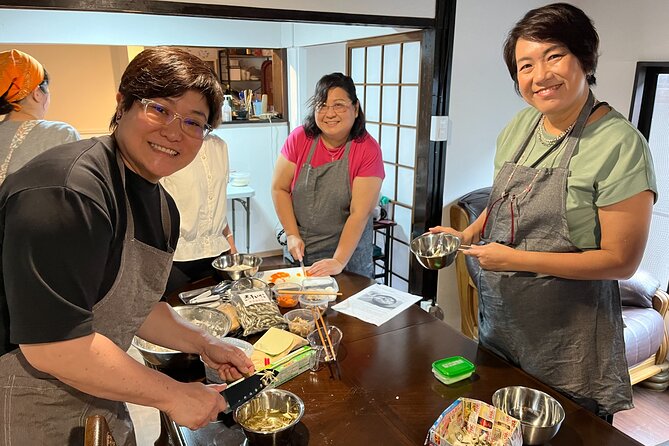
- Century-old house setting: you cook in a space that feels properly local, not a classroom kitchen.
- Hands-on dango work: kneading and hand-shaping are part of the fun, not just a demonstration.
- Seasonal Oita flavors: taro potato and burdock show up in the broth, with miso or soy seasoning.
- Yuzukosho finishing sauce: yuzu pepper is added for a brighter, kicky flavor.
- Optional alternatives: if you don’t want dango soup, you can request ramen noodles or onigiri with miso soup.
- Local guidance with language support: an English interpreter is available on request for no additional fee.
Dango Jiru in a 100-Year-Old Beppu House: What You’re Really Making
This cooking class centers on a very specific kind of comfort food: dango noodle soup, also called dangojiru. The basic process is simple, but the results are satisfying. You start by kneading wheat or rice flour with water, let it rest, then stretch and shape the dough by hand before it goes into the broth.
What makes this class worth your time is the way it ties food to place. Dango noodle soup is a traditional delicacy from Oita Prefecture, and your teacher first explains what it is and why it matters in local food culture. You’re not just learning a recipe. You’re learning how people in the region think about a bowl: hearty, seasonal, and meant to be eaten warm.
And yes, you’ll cook this in a century-old Japanese house in Beppu. If you’ve ever toured modern kitchens and factories, you know the difference. The house setting matters because it slows you down and makes you pay attention to technique and texture.
From Space Beppu to Apron On: How the Class Starts
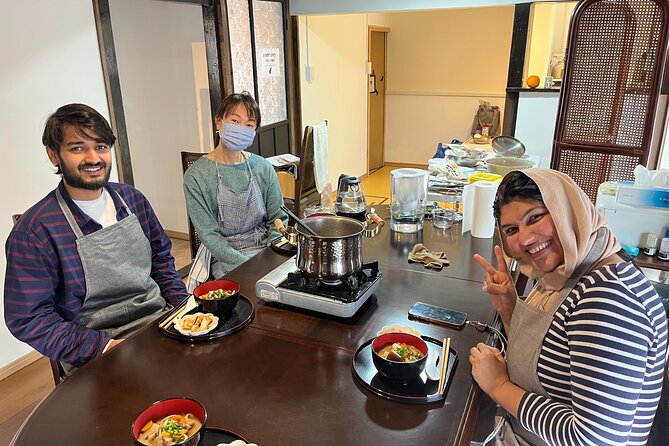
You begin at Space Beppu Japan, in Chiyomachi (874-0942 Oita, Beppu). The activity starts there and ends back at the same meeting point, so you’re not juggling extra transfers or hunting for a restaurant address after you’re done.
Once you arrive, you’ll get an apron and start cooking step-by-step with your guide. All ingredients are provided, which is great news if you’re traveling light or tired of chasing specialty items you won’t use again. The class is also described as cosy and private, meaning only your group participates.
If you want language support, ask for the English interpreter at request time. It’s offered with no additional fee, which is a rare perk for this kind of hands-on experience.
The Step-by-Step Noodle Work: Knead, Rest, Stretch, Shape
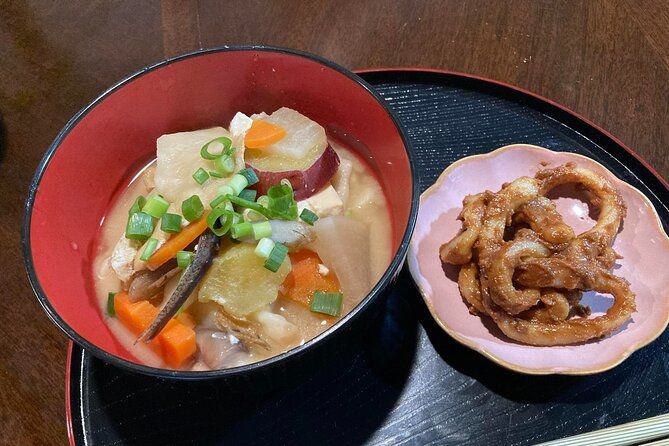
This is the part you’ll actually remember later: doing the dough by hand. The method is straightforward in concept, but it’s tactile in practice. You knead flour with water, then let the dough rest for a while. That rest time matters. It’s what helps the dough become easier to stretch and shape instead of fighting back.
Then comes the fun part. You’ll stretch and shape the dough by hand before it’s added to the broth. Watching noodles form is one thing. Feeling the texture change as you shape it is another. This class seems built around that hands-on skill, not a rushed factory pace.
While you cook, your teacher explains how the dish comes together and what to aim for, so you know you’re building a bowl that matches local expectations. Even if you’ve never made anything like this before, the structure helps you stay calm and focused.
The Broth: Seasonal Vegetables and Miso or Soy Flavor
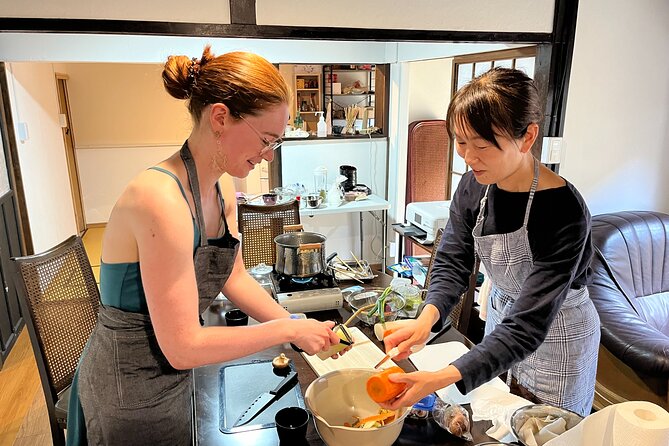
Dango noodle soup isn’t just dough in hot water. It’s a wholesome broth built with local, seasonal vegetables. In this class, you’ll work with ingredients like taro potato and burdock, which both show up in Japanese home cooking for their earthy character and staying power.
You’ll also season the soup using either miso or soy sauce. Which one you get may depend on the class flow and what your teacher offers, but the point is the same: your bowl will taste like the kind of food that keeps people satisfied during cooler weather or long days.
Here’s what I like about this approach for travelers: you get a realistic flavor profile without needing advanced technique or rare ingredients. It’s regional, yes, but it’s also practical. If you cook this well once, you’ll know how the taste should feel.
The Yuzu Pepper Finish: Why Yuzukosho Changes the Bowl
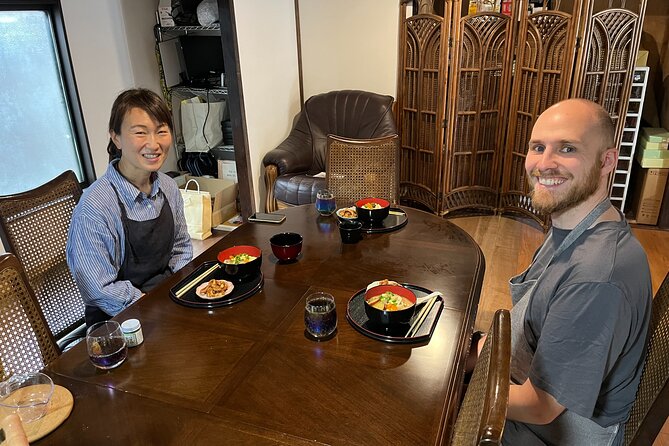
After your soup is complete, you’ll sit down and eat what you made. The experience gets an extra local push with yuzukosho (yuzu pepper) added to the flavor profile.
This matters because yuzu pepper isn’t just heat. It’s bright and aromatic, with a citrus edge that makes a miso or soy broth feel lighter. In a bowl that’s already comforting and hearty, the yuzu pepper acts like a flavor spotlight.
If you’re the type who likes to understand what makes a dish “signature,” this is one of the best moments to pay attention. Add the yuzukosho gradually and notice how the soup shifts from cozy to lively.
Optional Dishes: Ramen Noodles or Onigiri With Miso Soup
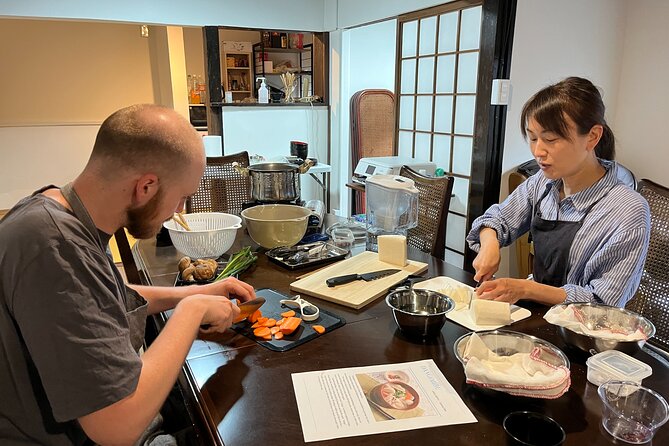
If you’re not in the mood for dangojiru the whole time, you can request an alternative. The class offers options to make ramen noodles or onigiri (rice balls) with miso soup instead of dango noodle soup.
Important detail: you need to request the alternative at the time of booking. That’s the smart move if you have dietary preferences, strong noodle preferences, or you just want variety during your Beppu stay. It also helps your hosts prepare the right ingredients and guide the class in the direction you want.
One practical tip: if you’re choosing between options, think about what you want to learn most. Dango noodle soup teaches the kneading and shaping process for dough noodles. Ramen noodles may feel more familiar if you’re a noodle person already. Onigiri tends to be simpler in concept but still teaches texture and form.
Being in Good Hands: Teachers, Pace, and Local Conversation
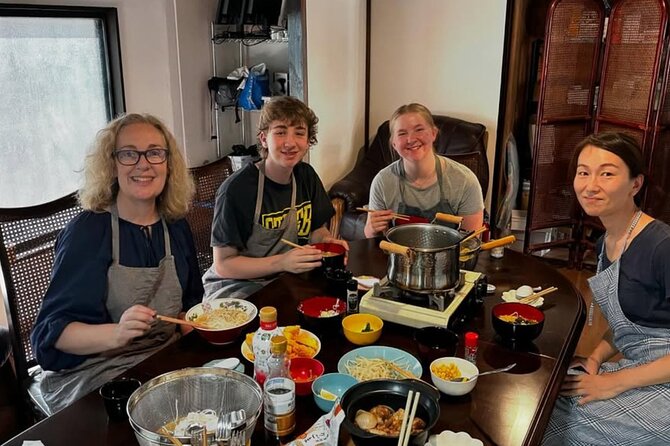
The tone here is friendly and human. In past classes, guests praised the warmth and flexibility of the hosts, with named guides including Mari-san, Aya-san, and Masa-san. That kind of naming matters because it signals you’re not dealing with a generic script. People are talking with you, adjusting to your group, and making room for questions.
One guest described that Masa-san was flexible when it came to visiting another market depending on what the group had already seen. That’s not guaranteed in the written outline, but it matches the general vibe you should look for: hosts who pay attention and don’t force a one-size-fits-all plan.
English support is also part of the comfort. If you request an interpreter, you can follow explanations of the dish and ask about ingredients without guessing. That’s a big deal when you’re learning a technique by feel.
Price and Group Value in Beppu: Is $61.90 Worth It?
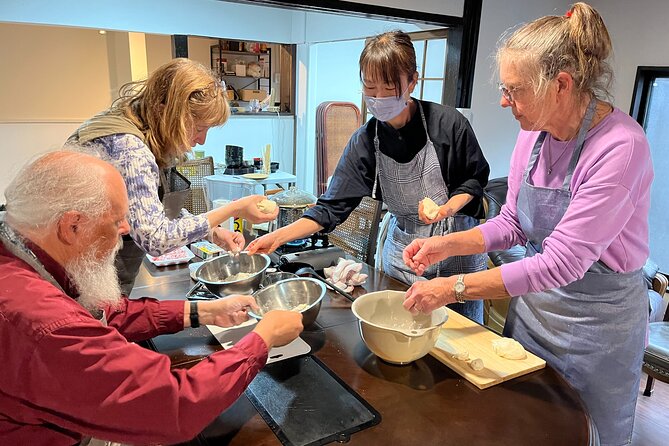
At $61.90 per person, this isn’t a “cheap eats” activity. But it also isn’t a tourist-priced gimmick. You’re paying for several value drivers that matter in real terms:
- Hands-on instruction: you’re guided through kneading, rest, shaping, and finishing, not just tasting.
- All ingredients provided: no extra shopping costs for flour, vegetables, broth components, or seasonings.
- A meal at the end: you sit down and eat your own creation, including the local seasoning.
- Small-group/private format: only your group participates, which improves the chance of getting help and conversation.
- Special setting: the century-old house isn’t just decoration. It changes the whole feel of the class.
Also keep an eye on timing. This activity is commonly booked about 59 days in advance, which suggests it fills up in season or on popular schedules. If Beppu is a main stop on your trip, booking earlier is a way to avoid scrambling for food experiences later.
If you’re traveling with a friend or family member, the mention of group discounts can make the value jump even more.
Who Should Book This Cooking Class (and Who Might Skip It)
You’ll probably love this class if:
- You want a real local food skill, not just a tasting.
- You enjoy learning by doing (kneading, shaping, seasoning).
- You like Oita flavors and want to connect them to everyday cooking.
- You want a warmer cultural interaction with hosts who chat and guide.
You might hesitate if:
- You prefer restaurants where you can order freely and linger for a long meal.
- You want a longer activity duration than about 1 hour 30 minutes.
- You’re only interested in tasting with zero interest in hands-on cooking. This is a workshop style experience.
For most people, though, it hits a sweet spot: a focused session, a practical dish, and a place that feels like someone’s home rather than a staged set.
Quick guide to making the most of your time
A few small things help you get better value from this type of class:
- Arrive with an appetite. You’ll be cooking and then eating soon after.
- If you’re curious about the spice level, ask about the use of yuzukosho so you can control how bold it gets.
- If you want ramen noodles or onigiri instead of dango, make that choice during booking so the class can prepare properly.
Should you book this Beppu dango jiru class?
I think you should book it if you want one memorable, hands-on Beppu experience that teaches a regional specialty and feeds you at the end. The biggest win is the combination: century-old house setting plus a step-by-step class that includes real technique, seasonal ingredients, and the local finishing flavor of yuzukosho. At $61.90, it’s priced like a focused workshop with meal value, not like a casual one-off tasting.
If you’re craving a deeper connection to Oita food culture and you enjoy cooking with guidance, this is a very solid choice.
FAQ
How long is the cooking class?
The experience runs for about 1 hour 30 minutes.
How much does the class cost per person?
The price is $61.90 per person.
Where do I meet for the activity?
You start at Space Beppu Japan in Chiyomachi, Beppu (874-0942 Oita, Beppu, Chiyomachi, 12 12番9号).
Is this a private class or shared group?
It’s private. Only your group will participate.
What do we make in the class?
The main option is dango noodle soup (dangojiru). You can also request ramen noodles or onigiri with miso soup instead.
Are ingredients provided, or do I need to bring anything?
All ingredients are provided. You’ll also be given an apron.
What is yuzukosho and how does it fit in?
Yuzukosho (yuzu pepper) is used as a local seasoning added to your finished soup before you eat.
Can I get help if I don’t speak Japanese?
An English speaking interpreter is available on request with no additional fee.
Does the class include eating what you cook?
Yes. After cooking, you’ll sit down, relax, and enjoy the flavors of your creation.
What is the cancellation policy?
You can cancel for a full refund up to 24 hours before the experience starts. If you cancel less than 24 hours before, the amount paid is not refunded.