REVIEW · LUANG PRABANG
Laos Cooking Class in Luang Prabang
Book on Viator →Operated by Grayline Vietnam Threeland Travel · Bookable on Viator
A market-to-kitchen lesson in Luang Prabang. I love how this class turns food shopping into part of the lesson, with stops at Phosy Market and time to pick ingredients you’ll actually cook. I also like the teaching style—Chef Sit keeps things clear, so you’re not just watching, you’re making dishes like Mok Pa and a Lao spicy dip you’ll recognize right away.
One thing to consider: if you choose the morning slot, the market can feel chaotic to western eyes, so come with patience and expect a lot of sights, sounds, and bargaining energy.
In This Review
- Key things that make this Lao cooking class worth your time
- From Kingkitsarath Rd to an Open Kitchen: What the 4 Hours Feels Like
- Morning Market Time at Phosy: Where the Lesson Starts
- The Hands-On Cooking Stage: Working Like a Team in a Real Kitchen
- What You’ll Cook: Mok Pa, Laap, and Lao Dipping Sauce Skills
- The Included Meal: Taste What You Built (Then Learn From It)
- Price and Value in Luang Prabang: Is $58 Worth It?
- Who This Class Fits Best (And Who Might Want Something Else)
- Practical Tips for a Smooth Lao Cooking Class Morning
- Should You Book This Laos Cooking Class in Luang Prabang?
- FAQ
- How long is the Laos Cooking Class in Luang Prabang?
- Where does the experience start, and when does it begin?
- What’s included in the price?
- Is there a recipe book included?
- What dishes will I learn to cook?
- Is the class a small group?
- Do I get to visit a market?
- Is this class available year-round?
- What is the cancellation policy?
Key things that make this Lao cooking class worth your time
- Phosy Market ingredient scouting so you can taste the region through herbs, produce, and small local flavors
- A small group capped at 12 for more hands-on cooking time
- Chef-led workflow where you start with instruction, then move into making your own dishes
- A full-meal payoff from what you cook, not just a few bites and a memory
- Take-home recipe book so you can recreate flavors after you leave Luang Prabang
From Kingkitsarath Rd to an Open Kitchen: What the 4 Hours Feels Like
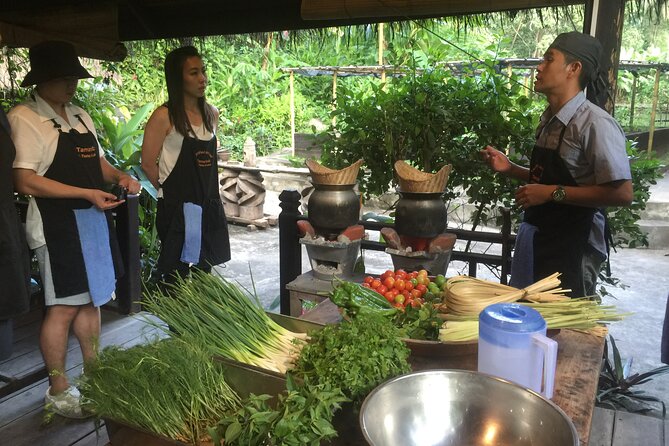
You’ll start on Kingkitsarath Rd at TamarindV4VR+VMF. From there, the class follows a simple idea: learn the ingredients first, then cook the food the Lao way, and finally sit down with what you made.
The whole experience runs about 4 hours, and it’s designed for all ages and skill levels. That matters in a cooking class, because the difference between a good and a forgettable class is whether you can keep up. Here, the rhythm is built for real participation: you get guided instructions, then you’re responsible for parts of the cooking.
Also, the group stays small—up to 12 people. In practice, that means you’re close enough to ask questions without waiting forever for attention. And yes, it helps that the kitchen setup is described as a proper open kitchen, not some cramped corner with one cutting board and a prayer.
You can also read our reviews of more tours and experiences in Luang Prabang.
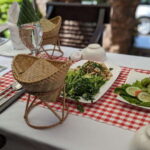
Morning Market Time at Phosy: Where the Lesson Starts
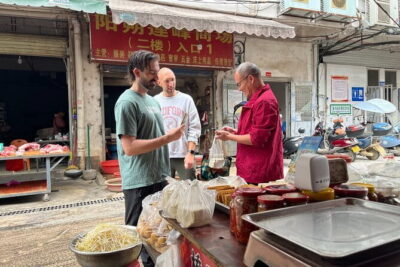
If you book the morning tour, you’ll visit the local market first. The big value here isn’t just seeing stalls—it’s connecting ingredients to the dishes you’ll make later.
At Phosy Market, you’ll get insights into Lao food basics: what people buy, what’s in season, and how certain herbs and produce show up again and again in traditional flavors. One review noted that the market felt real and chaotic at first for western eyes, but the chef helped by explaining what was going on, which is exactly what you want during a market visit. You’re not left standing there guessing.
Another practical payoff: if the class includes ingredient selection, you can choose items for your own dishes. That little moment makes the cooking session feel personal, like you’re building your meal rather than just following steps.
Tips for market time:
- Go slowly. You’ll get better at it once you stop trying to catch everything at once.
- If you’re a photo person, do it, but keep an eye on your chef or instructor so you don’t miss what’s being explained.
- Bring water, even though you’ll have an included meal later.
The Hands-On Cooking Stage: Working Like a Team in a Real Kitchen
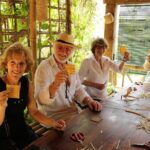
After the market, you’ll head back to the restaurant area and start cooking with an instructor and staff. The class is built around guided steps, and the teaching approach is practical: the chef helps you understand how flavors work, then you take over and cook.
One of the standout details from the experience is the way instruction is handled. In one review, the chef first made the dishes, and then each participant cooked as well. That is a great structure for beginners, because you see the whole process end-to-end before your turn—and you’re not thrown directly into something you’ve never done.
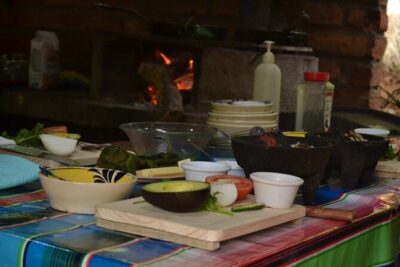
Another review highlighted a scenic setting and a well-equipped open kitchen. That matters more than you’d think. When a kitchen is set up properly, you spend less time dealing with awkward tools or unclear steps, and more time actually learning.
You’ll also work with a personal recipe book. That’s not fluff. It helps you translate what you did during the class into something you can cook again later, when you’re not standing in front of your instructor.
What You’ll Cook: Mok Pa, Laap, and Lao Dipping Sauce Skills
This isn’t a class that only covers one dish and calls it “authentic.” You’ll make enough to form a full meal, with a mix of savory mains and Lao flavor-building sauces.
Here are the dishes and elements the class is specifically set up to cover:
- Mok Pa (a Lao fish dish, described as part of the menu you’ll learn)
- Lemongrass stuffed with chicken and herbs
- Laap (a traditional Lao dish)
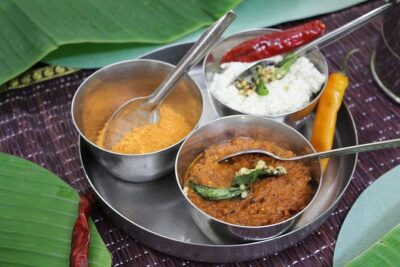
- Lao spicy dipping sauces
- Plus additional items that may include a dip and dessert, depending on the class flow
One review described the output as: 1 dip, 1 dessert, and 3 other dishes. While the exact menu can vary by timing, the important thing is the structure. You’re learning both cooking techniques and flavor balance—especially with sauces and dipping elements, which are central to Lao eating.
Why the sauces deserve attention:
Lao spicy dipping sauces often rely on the idea that heat is only part of the story. You’re pairing spice with tang, herbs, and salt in a way that makes the whole plate taste more alive. If you learn that balance here, you can carry it into everyday cooking later—whether you’re grilling chicken or building a bowl.
The Included Meal: Taste What You Built (Then Learn From It)
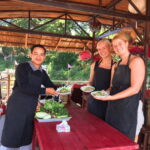
After cooking, you get to sample what you made. And it’s not just a quick check-in. The class aims to produce a complete meal from your dishes, so you can judge the flavors while everything is fresh in your mind.
This part is surprisingly useful for skill growth. When you taste your own food in a structured setting, you immediately understand what you nailed and what needs adjustment next time—like whether a dip needs more herb punch or if a filling tastes flat without the right balance.
One review pointed out the class included an included meal and that people got the recipe book with all recipes. If you’re the type who likes to keep moving after a trip, this is a great match. The meal becomes both lunch and a learning tool.
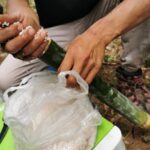
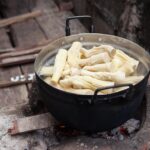
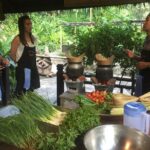
Price and Value in Luang Prabang: Is $58 Worth It?
At $58 per person, this class sits in the “reasonable for a guided, hands-on experience” category—especially because you get more than instruction. You get ingredients, time with an instructor, a full meal, and a recipe book to take home.
Here’s how I’d think about value:
- If you only want to eat Lao food, you can find it around town for less.
- If you want to understand flavors and techniques—so you can cook Lao dishes again—this price starts to make more sense.
- The small-group size (max 12) also matters. You’re not paying for a crowd; you’re paying for participation and feedback.
Two practical reasons $58 can feel especially fair:
- You’re learning dishes like Mok Pa, plus sauce and herb-driven work, which are hard to recreate from a restaurant meal alone.
- You don’t leave hungry. The included meal is part of the teaching.
Who This Class Fits Best (And Who Might Want Something Else)
This experience is a good match if you want a structured, guided way to learn Lao cooking without needing advanced skills. It’s also a strong pick for people traveling with mixed cooking backgrounds, because the class is meant for all ages and skill levels.
It’s also a great choice if:
- You like market-to-table experiences where you see ingredients first.
- You want a take-home resource (the recipe book) rather than just photos.
- You enjoy hands-on learning where you cook, not just watch.
Who might hesitate:
- If you strongly dislike markets or fast-moving crowds, the morning option could feel stressful before you even reach the kitchen. You can still choose carefully and show up calm—just don’t expect everything to be orderly and quiet.
Practical Tips for a Smooth Lao Cooking Class Morning
A little prep makes the class easier and more enjoyable.
Arrive on time at the meeting point. The start is listed at 8:30 am. Cooking schedules don’t wait, and the market timing depends on getting everyone moving.
Wear shoes you can stand in. Market walking plus kitchen work means you’ll be on your feet.
Expect “hands-on” to mean messy hands. It’s a cooking class. That sounds obvious, but people sometimes pack like it’s a museum visit. Plan on getting a little smudged.
Bring curiosity for herbs and produce. Since the class includes garden/ingredient learning (and market ingredient explanations), the more questions you ask about what things are and how they taste, the more you’ll remember later.
Note the calendar. The class is not available April 13–16 for Laos New Year, so plan around that if your trip lands nearby.
Should You Book This Laos Cooking Class in Luang Prabang?
If you want a hands-on, learn-the-flavors experience in Luang Prabang, I’d book this class. The combination of market time at Phosy, small-group cooking, guidance from a chef like Chef Sit, and an included meal you can actually evaluate makes it a strong use of a half day.
Book it if you’ll use the take-home recipes. That recipe book turns your memory into something you can cook later, not just something you ate once on a trip.
Skip or reconsider if you know morning markets throw you off—because the morning option is part of the magic, and you’ll feel the energy right away. But if you can handle some chaos and go with the flow, this is one of the better ways to get real Lao technique, not just a plate of food.
FAQ
How long is the Laos Cooking Class in Luang Prabang?
The class lasts about 4 hours.
Where does the experience start, and when does it begin?
The meeting point is at TamarindV4VR+VMF, Kingkitsarath Rd, Luang Prabang, Laos, and the start time listed is 8:30 am.
What’s included in the price?
The price includes the cooking class and ingredients, plus a meal.
Is there a recipe book included?
Yes. You receive a recipe book to take home with the recipes from the class.
What dishes will I learn to cook?
The class includes instruction for dishes such as Mok Pa, lemongrass stuffed with chicken and herbs, laap, and Lao spicy dipping sauces.
Is the class a small group?
Yes. The class has a maximum group size of 12 travelers.
Do I get to visit a market?
If you opt for the morning tour, you can visit the local market and select ingredients for the dishes you’ll prepare.
Is this class available year-round?
It is not available on April 13th–16th due to Laos New Year.
What is the cancellation policy?
Free cancellation is available. You can cancel up to 24 hours in advance of the experience for a full refund.