REVIEW · SIEM REAP
Siem Reap: Morning Cooking Class & Market Tour
Book on GetYourGuide →Operated by Villages Cooking Class · Bookable on GetYourGuide
That first tuk-tuk ride sets the tone. In just 5 hours, you combine a Siem Reap market walk with a hands-on Khmer cooking class at a local home-style village kitchen. I especially like how you’re not stuck watching from the sidelines, and you also get time to see real ingredients up close before you cook.
One thing to consider: the cooking happens in an outdoor village setting and the tour runs rain or shine, so you’ll want to plan for weather and comfort.
In This Review
- Key highlights you’ll actually care about
- Morning Tuk-Tuk Pickup and the Local Market Walk
- Khmer Ingredients You Choose, Not Just Watch
- Village Cooking School: Outdoor, Lively, and Real-Feeling
- How the Cooking Class Runs (Two Mains and a Dessert)
- Watching Ingredients Become Flavor
- What the Meal Feels Like (Eating in Khmer Surroundings)
- Value for $35: Where the Money Goes
- Guides and Chefs: English Support That Helps You Cook
- Timing, Weather, and What to Bring
- Who Should Book This Khmer Cooking Morning?
- Should You Book This Siem Reap Morning Cooking Class?
- FAQ
- What is the duration of the Siem Reap morning cooking class?
- Is hotel pickup and drop-off included?
- What food is included in the class?
- Where does the cooking class take place?
- Does the tour run in bad weather?
- Is the tour suitable for pregnant women?
Key highlights you’ll actually care about
- A real market run where you can walk, look closely, and pick ingredients for your meal
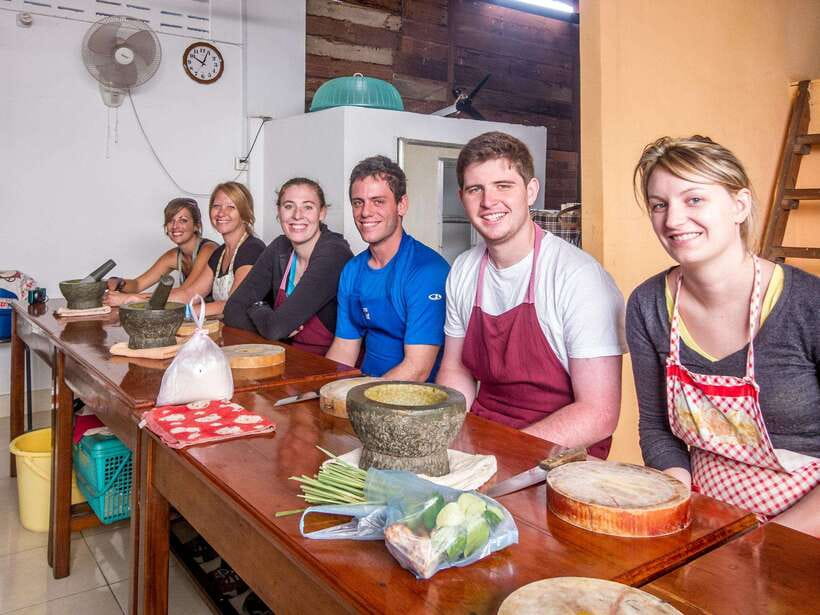
- Hands-on Khmer cooking led by an English-speaking chef in a local house setting
- 2 main dishes plus 1 dessert included, with recipe notes so you can repeat it later
- Time to breathe and photo at the market before class starts
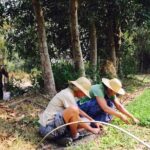
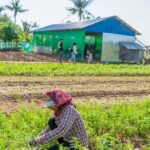
- Country-side farm-style stops may appear like vegetable growing areas and oyster mushroom production
- Hotel pickup and drop-off so you can spend your morning focused on food, not logistics
Morning Tuk-Tuk Pickup and the Local Market Walk
This tour starts with something simple and helpful: hotel pickup and drop-off. You’ll wait in the lobby about 15 minutes before your scheduled pickup, then climb into a tuk-tuk for the morning drive out toward everyday Siem Reap food life.
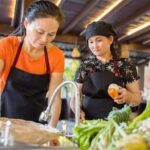
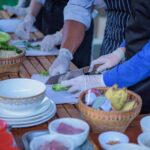
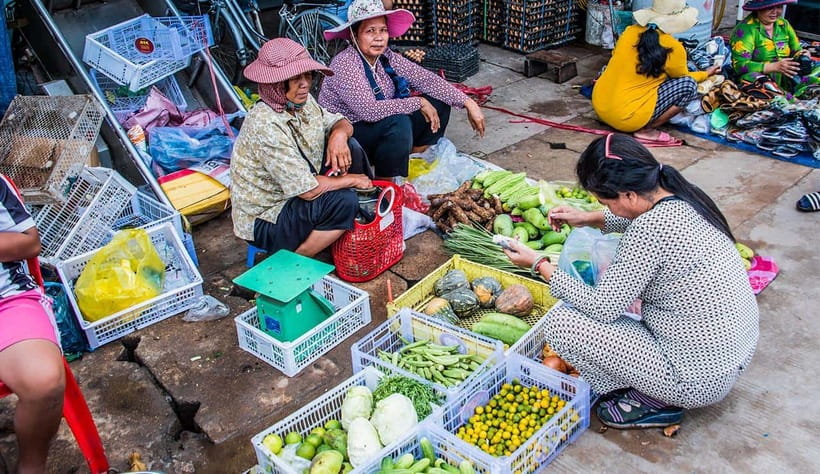
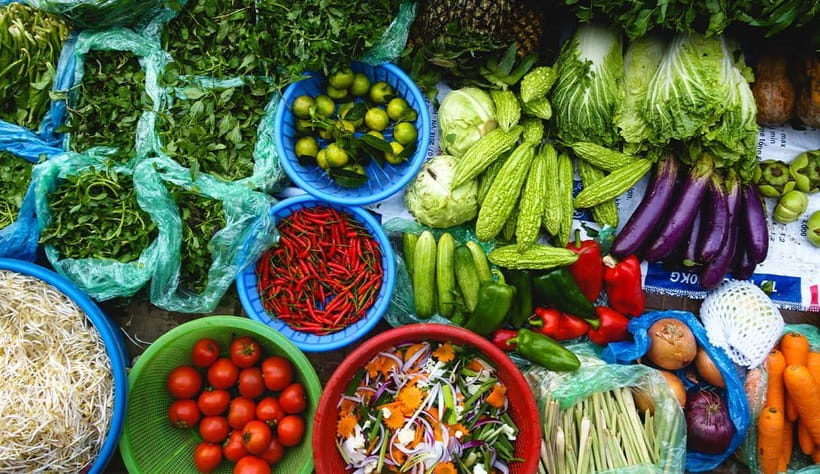
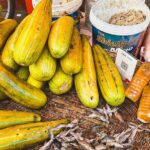
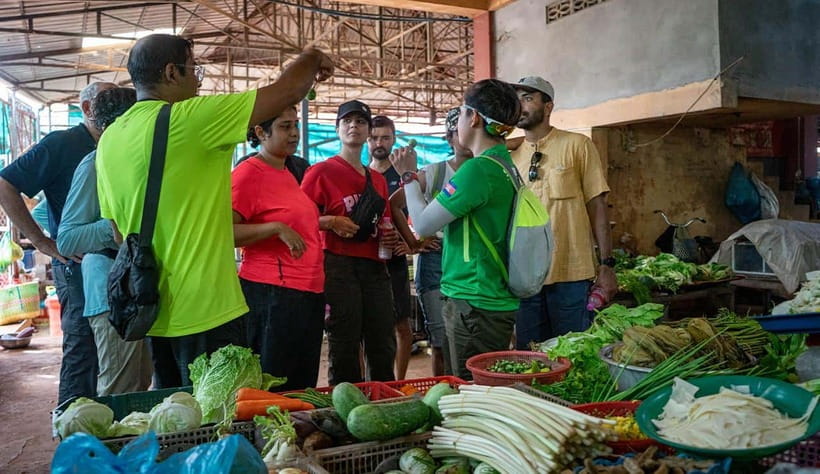
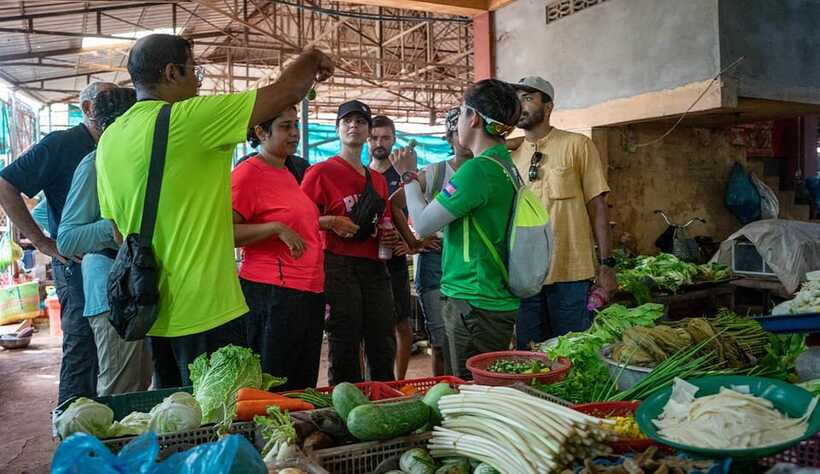
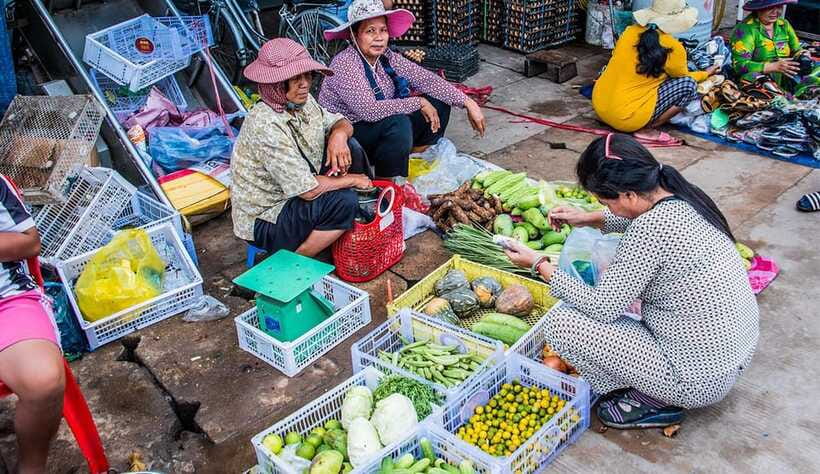
The market portion is the foundation of the whole experience. You’ll stroll among vendors selling fresh vegetables, herbs, spices, and meats, and your guide and chef will point out how ingredients are used in Khmer home cooking. You get enough time to slow down, ask questions in English, and take photos without feeling rushed.
If you’re the type who likes to understand what goes into your meal, this part delivers. Instead of cooking from a vague recipe list, you’re selecting the actual items you’ll cook with later. That also means you’re more likely to recreate the dishes at home, because you’ll recognize ingredients and textures.
Practical tip: markets can move fast and get crowded. Wear comfortable shoes you can stand in. Bring a light layer even if mornings feel warm, since you’ll be outdoors.
You can also read our reviews of more tours and experiences in Siem Reap.
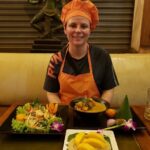
Khmer Ingredients You Choose, Not Just Watch
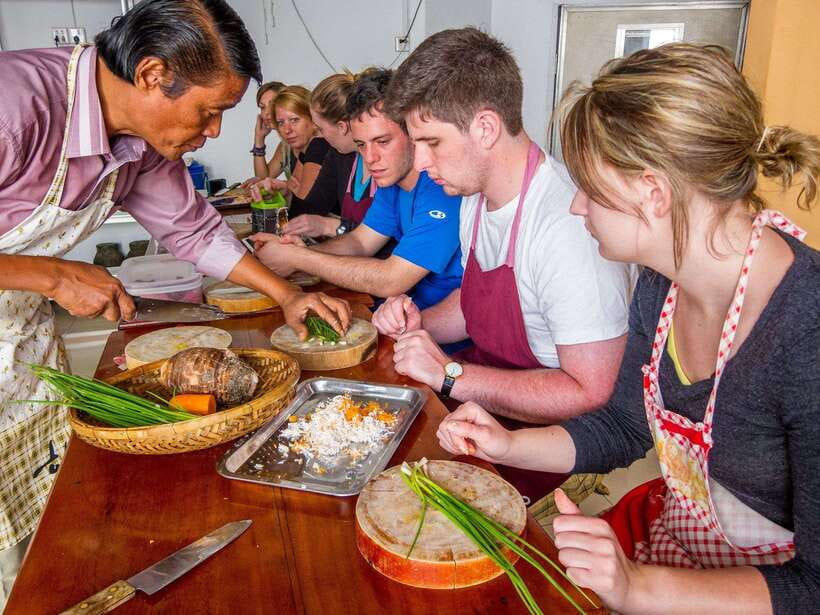
One of the strongest values here is choice. In advance, you select what you want to cook, and the team prepares the lesson around those picks. That’s why the cooking feels personal rather than generic.
During the market time, you’re not just browsing. You’re gathering and learning:
- what’s in season
- how herbs and vegetables get used
- how meats get prepared for Khmer-style dishes
I like that the chef explains products in a practical way. You come away understanding why certain ingredients pair together, not just what the final dish looks like.
Also, you may get to add small food moments along the way—fruit and local snack tastes show up in the experience—so it’s not only a shopping trip. It’s a sensory introduction to the flavor logic of Khmer cooking.
Village Cooking School: Outdoor, Lively, and Real-Feeling
After the market, you return to the village cooking school. You’ll get iced tea and a cold towel, which is a smart touch in Cambodia’s heat, especially after walking around in the market.
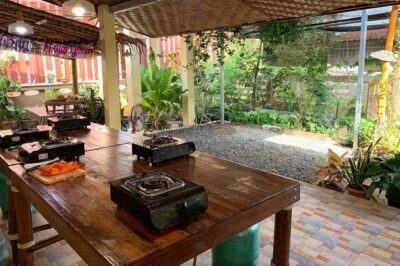
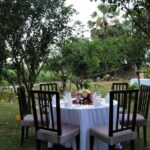
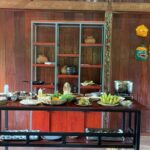
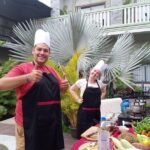
Then you shift from shopping to learning. The cooking space is outdoors, with plants and a village feel. From what you’ll see, this isn’t a polished cooking studio designed only for tourists. It’s more like a working home-kitchen environment where guests join in.
That outdoor setup is also why the rain matters. The tour runs rain or shine, so if showers pop up, you’ll still cook. The upside is you get the real setting either way. The downside is comfort depends on the weather. Bring a rain poncho you can move in, and plan for damp air.
How the Cooking Class Runs (Two Mains and a Dessert)
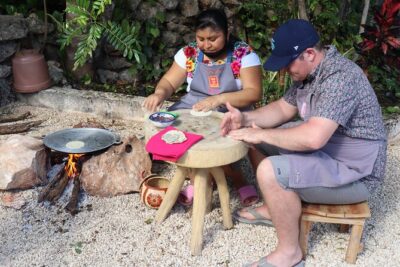
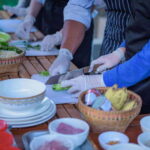
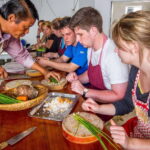
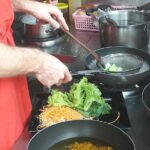
The lesson is built around cooking, not lecturing. Your chef will present a demonstration first—showing techniques, explaining steps, and guiding you so you can follow along without guessing. After that, you cook your selected dishes.
Here’s what’s included on the food side:
- 2 main course dishes
- 1 dessert
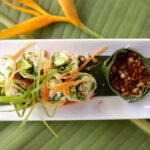
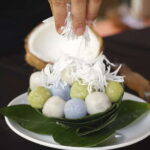
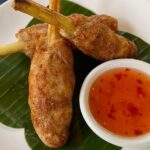
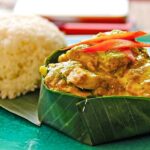
In practice, the main dishes you might see include things like curry-style soup, fried vegetables with pork, and taro-based dessert. Not every day will be identical, but you’re looking at a menu that feels like Khmer home food, not international fusion.
What I like about the structure is that it’s step-by-step. You’re taught enough to understand the logic of the dish, then you take over and make it yourself. Even if you’ve cooked before, it’s a good confidence builder because you get feedback as you go.
You also receive a brochure with the day’s recipes. These are listed as one serving unless stated otherwise. For me, that’s a big help: it’s easier to scale up when you already have a clear starting point.
Watching Ingredients Become Flavor
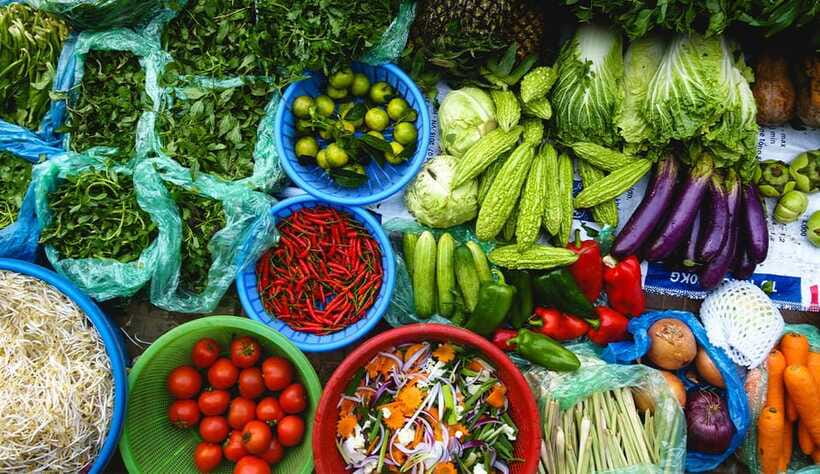
A cooking class is only as good as what it teaches you about flavor-building. This one focuses on the ingredients and techniques that shape Khmer food.
The biggest takeaway you’ll likely get is how sauces and spice mixes work together with fresh herbs. You’re not just learning how to chop and stir—you learn what to pay attention to: aroma changes, texture cues, and the order of operations.
That matters because when you try the recipes later, you’ll remember what the dish should feel like at each stage. It’s the difference between copying a list and cooking with understanding.
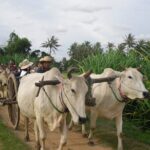
If you’re curious about local agriculture, you might also encounter rural-style stops tied to ingredients. Some routes include vegetable growing areas and oyster mushroom production outside the city. When those stops happen, they add context: you see where the food comes from before you start cooking with it.
What the Meal Feels Like (Eating in Khmer Surroundings)
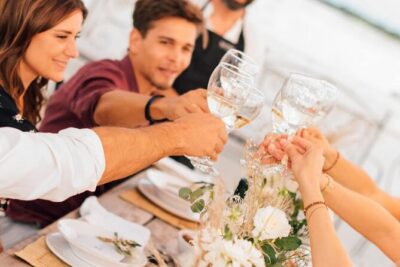
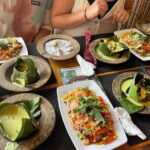
After you finish cooking, you taste what you made. The meal happens in pleasant Khmer surroundings in the village setting, with the food you prepared right in front of you.
This is more than a reward. Eating the meal you cooked anchors the learning. You notice if something is under-seasoned or if a sauce needs more balance. And you get to feel how the dish is supposed to come together when it’s fresh.
One practical note: portion size is based on the recipe format. Since recipes are generally for one serving, you can expect a meal that’s satisfying but not a huge banquet. That’s usually ideal for a morning tour, since you’ll likely want to keep exploring Siem Reap after.
Value for $35: Where the Money Goes
At $35 per person for about 5 hours, this is one of those activities that makes sense when you look at what’s included.
You get:
- hotel pickup and drop-off
- a local chef and guide
- the market walking tour
- ingredients for the dishes you cook
- two main courses plus a dessert
- recipe brochure for later
Where many cooking classes feel like a paid performance, this one includes the ingredient selection step and the actual cooking step. That’s a strong value mix. You’re paying for transportation, instruction, and food, and you’re also getting cultural context through the market and village setting.
Is it the cheapest thing in Siem Reap? No. But it’s also not just a snack stop. It’s a full morning experience built around learning and eating, which is why it holds up as a good use of time.
Guides and Chefs: English Support That Helps You Cook
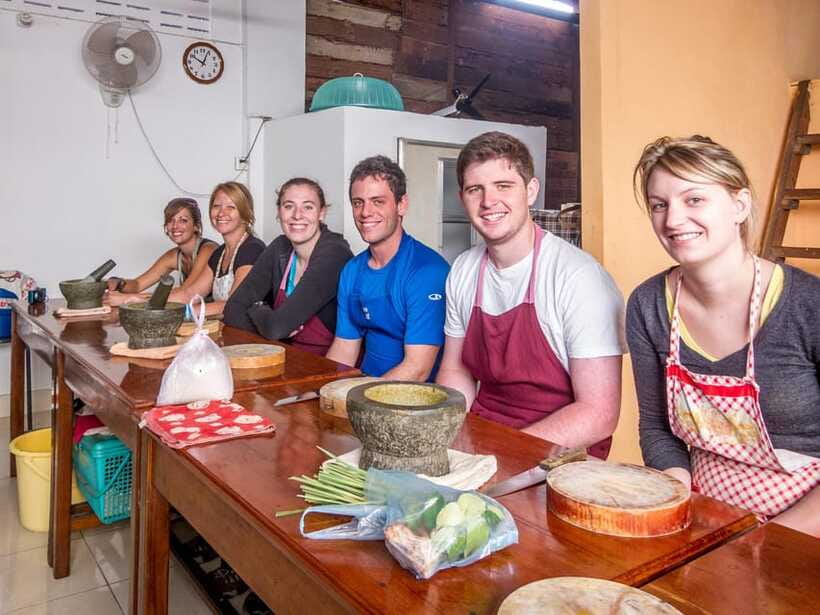
The tour runs with English. That matters because the cooking techniques and ingredient explanations are part of the point.
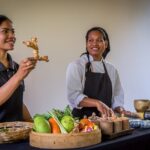
In this program, you might work with English-speaking guides and chefs such as Ron or Bopha, and chefs like Keo or Mai. The names vary by day, but the goal stays the same: clear instruction and a friendly tone while you cook.
If you’re worried about language gaps, this is a good sign. The whole flow depends on understanding steps and ingredient cues, and the staff style is built for that.
A smart move: ask questions while you’re cooking, not only at the market. When you notice a step that feels different from what you do at home, that’s your chance to learn the why.
Timing, Weather, and What to Bring
You’re looking at a 5-hour morning block. Start times vary based on availability, so check what’s offered when you book.
Because the tour runs rain or shine, pack for weather. I’d bring:
- a light rain poncho (hands-free helps)
- comfortable closed-toe shoes
- a small towel or extra tissue packet (the cold towel is included, but you may want your own)
- sunscreen and bug protection if you’re sensitive
Also, because you’ll be tasting and cooking, dress in something you don’t mind getting a bit warm. The outdoor kitchen can feel lively and warm once cooking starts.
Finally, note that this tour is not suitable for pregnant women. If that applies to you, choose another food experience in Siem Reap that’s more comfortable and indoor-friendly.
Who Should Book This Khmer Cooking Morning?
This tour fits best if you want a morning with structure and meaning. You’ll likely enjoy it if you:
- like learning how food is built, not only eating it
- want a break from temple-focused days
- enjoy markets and ingredient selection
- want recipes you can try at home, with clear serving notes
It also works well if you’re traveling with someone who likes food but doesn’t want a full-day cooking marathon. Two mains and a dessert make it substantial without turning your day into a long lesson.
If you only want a quick bite and zero prep, you might find this too involved. But if you’re the type who likes hands-on travel, it’s a strong match.
Should You Book This Siem Reap Morning Cooking Class?
If you’re deciding between a generic cooking experience and something more rooted in Khmer food culture, I’d lean toward booking this one. The reason is simple: you don’t just cook. You shop first, you learn the ingredients, and you eat what you made in a village-style setting. For a morning in Siem Reap, that combo is hard to beat.
Book it if you want practical skill plus a memorable meal. Skip it if weather comfort is a deal-breaker for you, or if the outdoor setup won’t work for your situation.
FAQ
What is the duration of the Siem Reap morning cooking class?
The tour lasts about 5 hours.
Is hotel pickup and drop-off included?
Yes. You’re picked up from your hotel lobby and dropped off again after the activity.
What food is included in the class?
The experience includes 2 main course dishes and 1 dessert, plus you’ll eat the food you prepare.
Where does the cooking class take place?
The cooking class happens at a village cooking school in a local khmer house-style setting with an outdoor feel.
Does the tour run in bad weather?
Yes. The tour runs rain or shine.
Is the tour suitable for pregnant women?
No. This tour is not suitable for pregnant women.