REVIEW · SEOUL
You’re Invited to Our Home in Seoul: The Only Cooking Class!
Book on GetYourGuide →Operated by Discover Seoul: Local Vibes · Bookable on GetYourGuide
Cooking in a Seoul home feels like borrowed family. I like the hands-on Korean cooking part, especially learning to make assorted Jeon from scratch, and I love that you do it with a Han River view instead of in a studio. One consideration: it’s held inside a real home, so it’s not wheelchair-friendly.
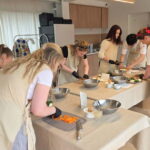
This is a small-group class capped at 4 people, taught in English (with Korean support), so you’re not lost in a crowd. Menu adjustments for vegan, vegetarian, dietary needs, and even spice level are part of the promise, which matters if you eat carefully. The experience runs about 2 hours, and there’s an optional 1-hour Han River walk after the meal for a slower, local pace.
In This Review
- Korean Home Cooking With a Han River View: What Makes It Worth Your Time
- The 2-Hour Flow: From Sweet Rice Punch to Pan-Fried Jeon
- Welcome tea and setting into Korean home mode
- Sikhye and Hotteok: the sweet arc of the meal
- Assorted Jeon from scratch: the technique you’ll actually remember
- Doenjang-jjigae: the stew that anchors Korean comfort
- Traditional tea tasting with what you cooked
- What You’re Really Buying for $110: Value Beyond the Recipe Cards
- Inside a Real Korean Home: How the Setting Changes the Experience
- Jeon as a Cultural Lesson, Not Just a Cooking Project
- The Optional Local Area and Han River Walk: A Slow Seoul Bonus
- Photography, Recipes, and What to Bring So You Enjoy It More
- Dietary Needs, Spice Levels, and Allergies: How to Ask Clearly
- Who This Seoul Class Suits Best
- Should You Book This Invite to a Seoul Home?
- FAQ
- How long is the cooking class?
- What dishes do you make and eat?
- Is the menu adjustable for dietary needs or spice?
- Is there a photography session?
- What’s included in the price?
- Is it wheelchair accessible?
Korean Home Cooking With a Han River View: What Makes It Worth Your Time
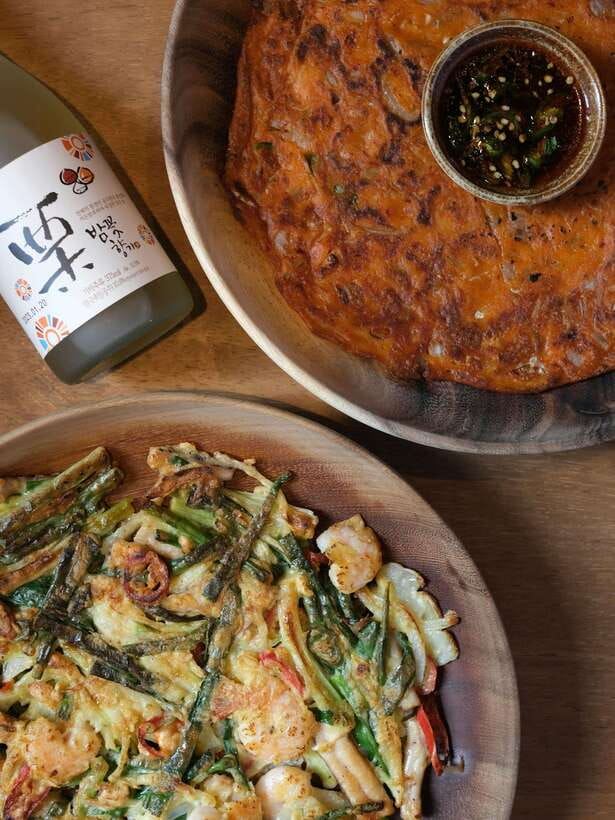
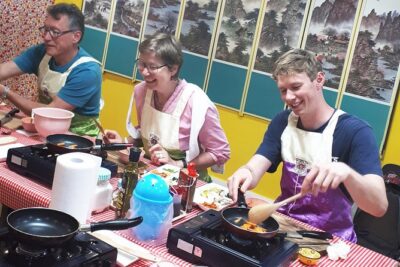
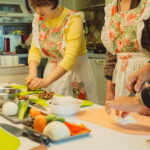
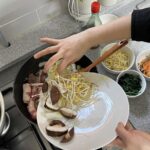
This isn’t the kind of cooking class where you watch someone else work and you call it participation. You’re in a real Korean home and you’re doing the flipping, pan-frying, and building of the dishes. That’s the difference between tasting Korean food and understanding how Korean families actually cook on a normal day.
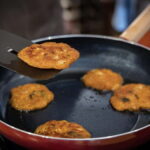
The Jeon focus is a smart choice for first-timers. Jeon are flexible, family-friendly, and they teach technique fast: batter consistency, pan heat, and how to get that crisp edge without soggy centers. You’ll also see how Korean meals are built around sharing, with banchan coming to the table alongside your main dishes.
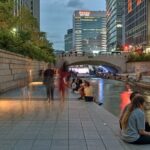
The added scenery helps too. The Han River and downtown Seoul views turn a food class into a small reset for your travel brain. You’re not just eating; you’re taking in a real slice of Seoul life while you cook.
The 2-Hour Flow: From Sweet Rice Punch to Pan-Fried Jeon
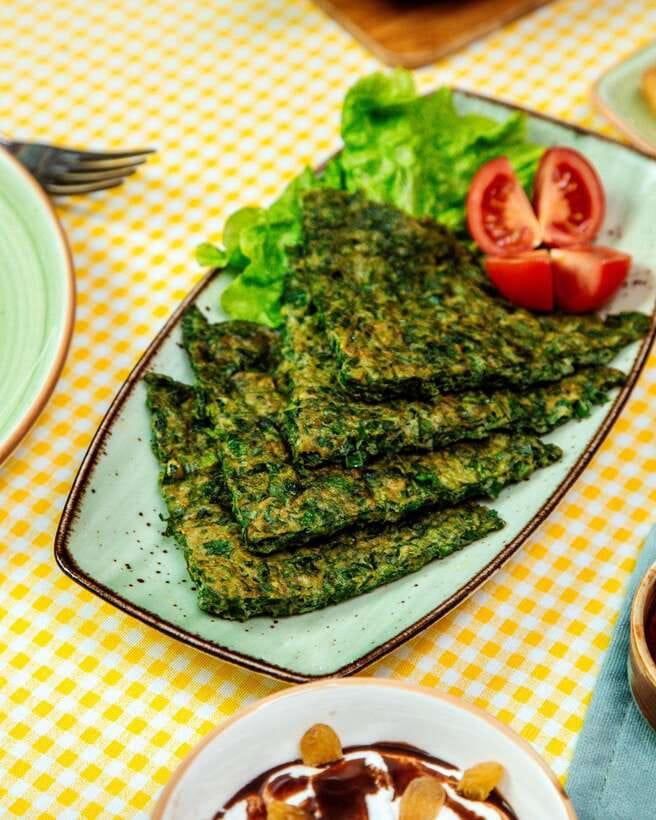
Think of the class as a full Korean meal plus dessert, with Jeon as the showpiece. You’ll start with a welcome drink and tea, then move into hands-on cooking, and finish with tasting everything you made.
You can also read our reviews of more tours and experiences in Seoul.
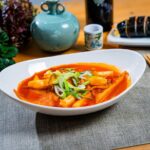
Welcome tea and setting into Korean home mode
You begin with Korean traditional tea, and you’ll have complimentary tea and snacks throughout the class. In a setting like this, that simple rhythm helps you relax quickly. It’s also a reminder that Korean hospitality is built into the pacing, not bolted on at the end.
Sikhye and Hotteok: the sweet arc of the meal
Sikhye is on the menu, a sweet rice punch that’s a gentle, comforting contrast to savory pancakes and stew. Hotteok follows as a traditional sweet pancake, usually appreciated for its warm, cozy feel after cooking.
This dessert pairing is practical for travelers: it gives you one chilled/sipping option and one warm/crisp option. You’ll be able to compare textures and flavors without needing to translate complicated courses.
Assorted Jeon from scratch: the technique you’ll actually remember
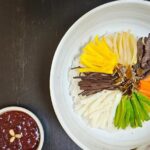
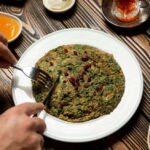
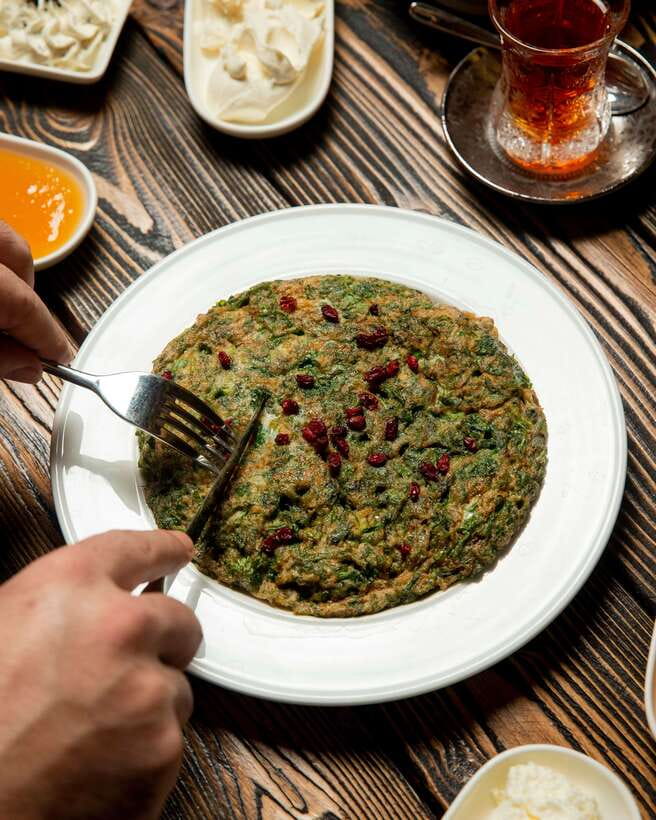
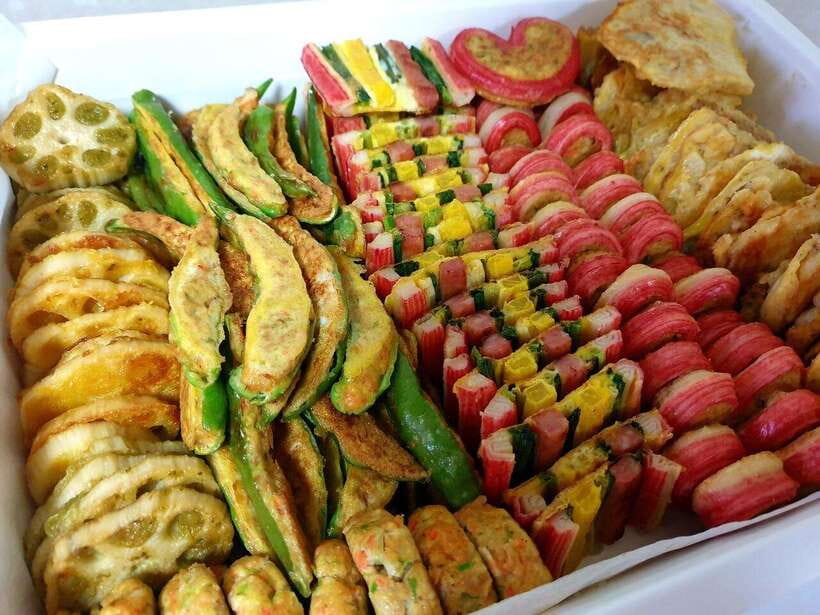
Your core cooking lesson is assorted Jeon. The class is designed around making multiple Jeon types, and the exact pancake selection can vary based on ingredient availability.
On the menu you’ll likely see combinations like:
- Donggeurangttaeng (meatball pancake)
- Pajeon (scallion pancake)
- Hobakjeon (zucchini pancake)
- Beoseotjeon (mushroom pancake)
- Dubujeon (tofu pancake)
- Yukjeon (beef pancake)
- Kkochi-jeon (skewered pancake)
- Haemuljeon (seafood pancake)
Here’s why this matters: Jeon isn’t one recipe. It’s a method that you can flex with what’s in season. Learning the base approach helps you replicate the idea later, even if your ingredients at home don’t match perfectly.
The class also gives you a short history of Jeon, connecting it to Joseon Dynasty royal celebrations and family traditions. When you hear that these pancakes weren’t just ordinary snacks, the whole flipping process feels more intentional. You’re not only cooking; you’re carrying a cultural thread through the meal.
Doenjang-jjigae: the stew that anchors Korean comfort
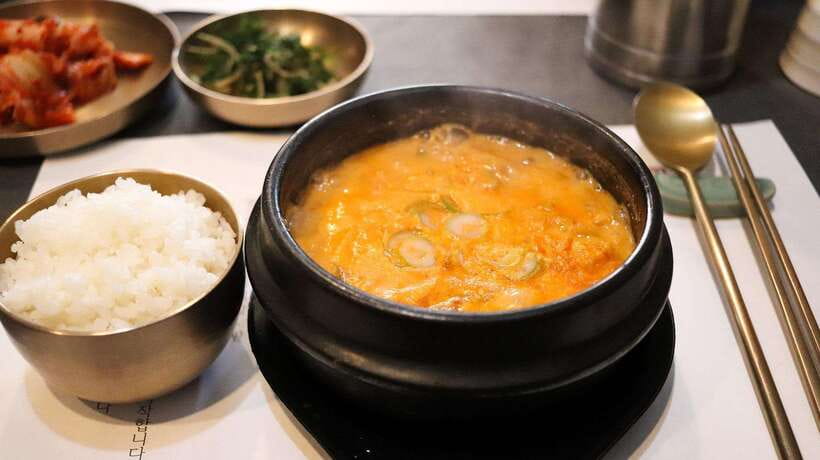
You’ll also make and eat Doenjang-jjigae (soybean paste stew). This is the part of the meal that brings depth and staying power. Soybean paste flavor is bold, savory, and comforting, and it’s a great pairing with crispy pancakes.
Korean meals are built to be balanced: crisp, soft, hot, savory, and then sweet on the way out. If you’ve ever wondered why Korean food often feels so satisfying, this stew is a big piece of that answer.
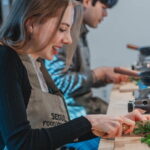
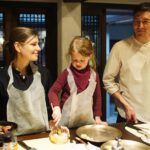
Traditional tea tasting with what you cooked
You’ll taste a variety of handmade Jeon with traditional tea. That pairing isn’t random. Tea helps reset your palate between flavors and makes the pancakes more distinct, so you can learn what each topping or filling does.
What You’re Really Buying for $110: Value Beyond the Recipe Cards
At $110 per person for a 2-hour, small-group class, the price isn’t just about eating and learning a recipe. You’re paying for access to a real home, the host’s guidance, and the complete ingredient-and-equipment setup.
Here’s the practical value list:
- All ingredients and equipment provided, so you’re not hunting groceries or special tools in Seoul
- Utensils and an apron for use during the class
- Recipes to take home (so your cooking doesn’t end when you leave)
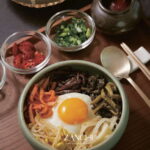
- Welcome drink, a full-course meal with Korean seasonal banchan, plus Sikhye and Hotteok
- Complimentary tea and snacks during the class
- DSLR photography session with photos provided afterward
That photo session is quietly useful. If you’ve ever tried to take your own food photos while cooking, you know how hard it is to look composed while holding utensils and batter. Someone else covering that moment means you actually enjoy the process.
Also, the menu can be adjusted for vegan, vegetarian, specific dietary needs, and even spice level if you ask in advance. For travelers with dietary limits, that flexibility can be the difference between a fun class and a stressful one.
Inside a Real Korean Home: How the Setting Changes the Experience
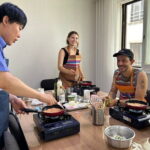
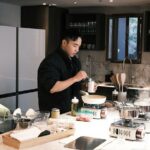
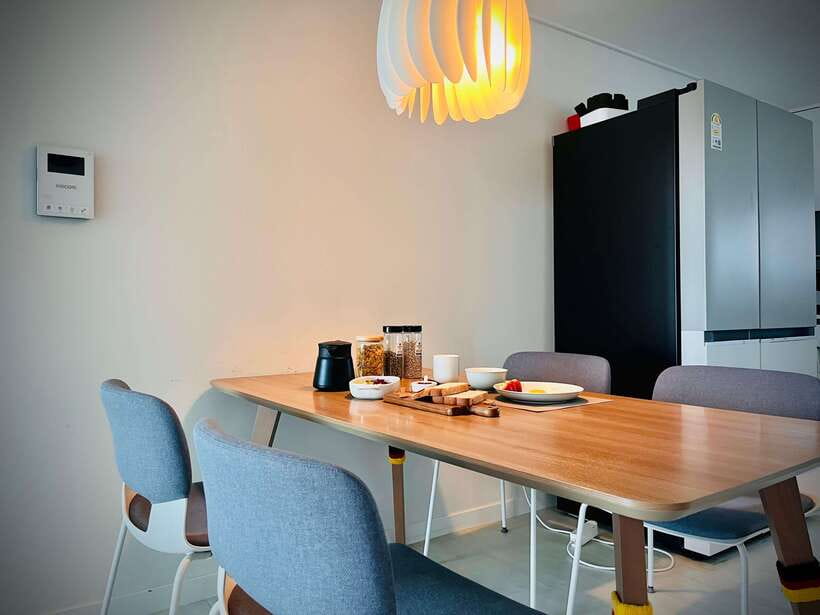
This class happens in an actual Korean home, not a commercial kitchen. The atmosphere matters more than people think. In a home, the pace is calmer, the conversation is easier, and the experience feels personal without being staged.
The hosts are part of that. In the past, people have mentioned hosts named David and Hanna as welcoming and family-like. That sort of warmth isn’t just nice; it helps when you’re cooking with guidance that’s clear and patient.
You’ll also get tips on Korean culture, travel, and everyday life in Korea. That’s not filler. When a host shares practical advice, you get better at reading Seoul as a real place, not a checklist.
Jeon as a Cultural Lesson, Not Just a Cooking Project
Jeon are a perfect “first Korean cooking skill” because they’re both historical and adaptable. The class connects them back to royal banquets and ancestral rituals, where Jeon symbolized community and care. Then it brings the idea straight into everyday hands-on cooking.
In practice, that history helps you cook with confidence. When you know Jeon are meant to be shared and made for occasions, you pay attention to details like shape, crispness, and how toppings affect texture. You’ll likely notice how Korean families cook with the idea of feeding multiple people, not just one plate.
And because you’re making assorted types, you’ll see how one batter base turns into different experiences. The learning is hands-on and immediate, and you’ll walk away with a repeatable method.
The Optional Local Area and Han River Walk: A Slow Seoul Bonus

After your meal, you can choose an optional free 1-hour walk by the Han River. This is a smart add-on because it helps you move after cooking-heavy time.
The view aspect is the obvious win, but there’s another one: a short walk with local guidance (even if it’s just a simple way to get oriented) can make your next day in Seoul easier. You’ll also get a chance to enjoy downtown sights from a different angle than the usual subway route.
Wear comfortable shoes. Cooking classes can leave you standing more than you expect, and then a walk finishes the experience on your feet.
Photography, Recipes, and What to Bring So You Enjoy It More

You’ll have a DSLR photography session where photos are taken during the class and provided afterward. You don’t have to worry about balancing your camera, batter, and tongs at the same time.
For what to bring, keep it simple:
- Comfortable shoes (you’ll be moving around)
- Camera (for your own extra shots)
- Snacks (not required, but helpful if you’re picky about timing)
- Water (water is included, but it doesn’t hurt to have your own)
No smoking and no pets in the space. Also, since it’s in a home environment, be mindful that you’re not in a public venue.
Dietary Needs, Spice Levels, and Allergies: How to Ask Clearly
The class is set up to handle changes when you communicate ahead of time. You can request vegan or vegetarian adjustments, ask for specific dietary needs, and request a spice level change if you don’t want heat.
When you message, be direct. Tell them what you avoid and what you need to be safe. If you have a specific allergy concern, explain it plainly and ask whether the menu can be adjusted to keep you comfortable.
One practical tip: plan to arrive ready to cook within your comfort range. Even if the menu is adjustable, cooking is still tactile and hands-on, so choose clothes you can get a little messy in.
Who This Seoul Class Suits Best
This is ideal if you want:
- a real home cooking experience instead of a tourist setup
- hands-on instruction that teaches technique, not just plating
- a class with enough structure to feel easy but with room for conversation
- a meal that covers savory, sweet, and Korean tea culture in one go
It’s especially good for couples or solo travelers who like learning in a calm environment. With only up to 4 participants, you’ll spend more time talking and less time waiting.
If you’re traveling with mobility needs, note that it’s not wheelchair-friendly because it’s in a home setting.
Should You Book This Invite to a Seoul Home?
Yes, if your goal is to learn Korean cooking in a way that feels like a cultural moment, not a script. The combination of Jeon technique, Doenjang-jjigae, Sikhye and Hotteok, plus the home setting and Han River bonus walk is strong value for the price. You’re also getting recipes and photos, which makes it easier to turn the experience into something you can recreate.
I’d skip it only if you strongly need wheelchair accessibility or you hate intimate, hands-on cooking environments. Otherwise, this is the kind of Seoul experience that sticks with you because you’re not just sightseeing. You’re cooking with someone’s everyday standards of care.
FAQ
How long is the cooking class?
The class runs for 2 hours. After the meal, there is an optional free 1-hour Han River walk.
What dishes do you make and eat?
You’ll make and enjoy Sikhye (sweet rice punch), assorted Jeon (Korean pancakes made from scratch), Doenjang-jjigae (soybean paste stew), and Korean tea. You’ll also have desserts including Sikhye and Hotteok.
Is the menu adjustable for dietary needs or spice?
Yes. The menu can be adjusted for vegan or vegetarian options, specific dietary needs, and you can request spice level changes if needed. Tell the host in advance.
Is there a photography session?
Yes. There’s a DSLR photography session during the class, and the photos are provided afterward.
What’s included in the price?
Included features are a welcome drink (Korean traditional tea), a full-course meal with Korean seasonal banchan, desserts (Sikhye and Hotteok), tea and snacks during the class, guidance from the host, all ingredients and equipment, recipes to take home, utensils and apron, water, and an optional local area and Han River tour.
Is it wheelchair accessible?
No. The experience is not suitable for wheelchair users.