REVIEW · LAKE COMO
Cooking Class with a View in Lake Como
Book on Viator →Operated by Cesarine: Cooking Class · Bookable on Viator
A penthouse view turns a pasta lesson into a whole mood. You’ll learn Lombardy cooking in a hands-on workshop overlooking Lake Como with the Swiss Alps and Monte Rosa in sight.
I really liked two things right away: the class felt genuinely personal, not like a factory tour, and the teaching style made it easy to understand the why behind the dough. When you’re working with flour and ratios, that matters.
One thing to consider: the menu includes sausage (polenta balls with Luganega), so if you avoid meat, you may want to check what flexibility they offer before booking.
In This Review
- Key highlights worth booking for
- A penthouse pasta class above Lake Como
- Meet your hosts, get into the kitchen fast
- What you’ll actually learn (not just watch)
- The menu: starter, main, dessert, and why these dishes fit Lombardy
- Starter: Polenta Balls with Luganega
- Main: Buckwheat Flour Ravioli
- Dessert: Pan Meino with fioretto yellow flour
- Tasting what you made: wine and homemade limoncello
- The view isn’t decoration; it changes the whole pace
- Price and value: what you’re paying for at $213.26
- Timing, meeting point, and how to plan your day
- Who should book this class
- Should you book this cooking class in Lake Como?
- FAQ
- How long is the cooking class?
- What dishes are included in the menu?
- Is the class offered in English?
- How many people are in the group?
- Where does the experience start and end?
- What is the cancellation policy?
Key highlights worth booking for
- Penthouse views over Lake Como, with the Alps and Monte Rosa showing from the cooking space
- Small group size (max 10) makes it easier to get hands-on help
- Real Lombardy flours and technique, so you’re not just following steps
- Menu you can recreate, including buckwheat flour ravioli
- Tasting included: wine and homemade limoncello with what you make
- English instruction plus a warm, family-style welcome from the hosts
A penthouse pasta class above Lake Como
Cooking classes in Italy can range from fun to forgettable. This one earns its spot because it mixes practical hands-on skill with a seriously scenic setting. You meet in Como (22100 Como, Province of Como), then settle into a space that feels like someone’s beautiful home rather than a staged activity.
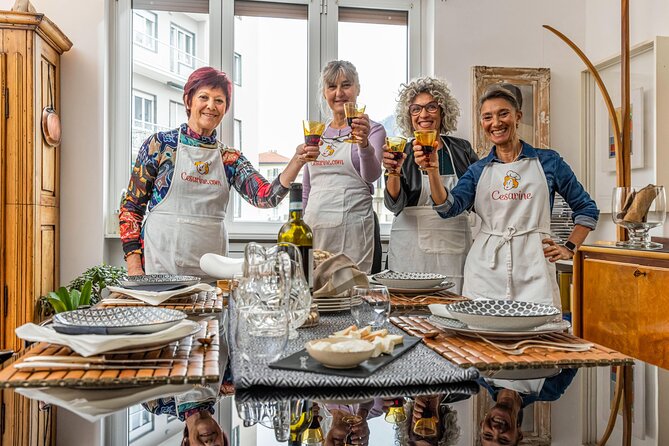
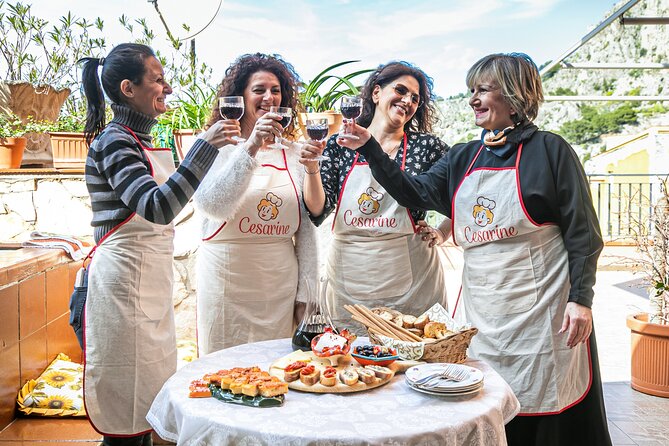
The big advantage is the setting. When you’re learning dough, you tend to look down. Here, you also look out. Lake Como is right there, and on clear days you can see the Swiss Alps and Monte Rosa from the penthouse. It’s the kind of backdrop that keeps you alert, relaxed, and ready to learn.
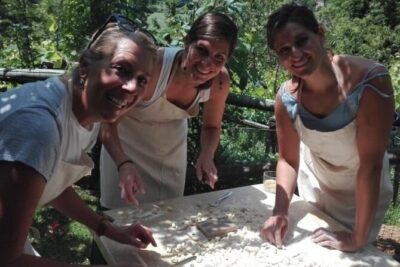
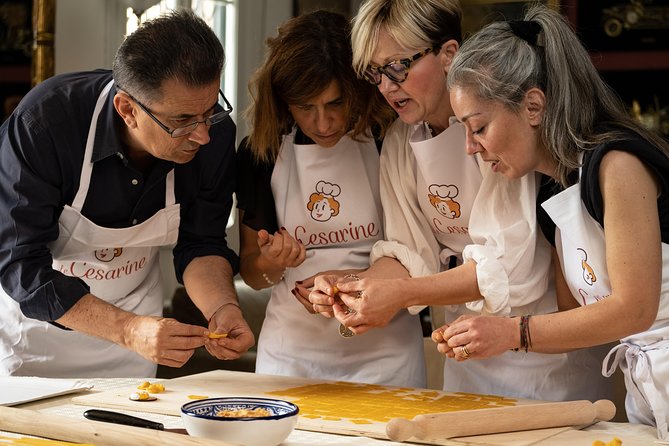
And because the group is capped at 10, you don’t feel like you’re sharing elbow room with a crowd. You get room to move, ask questions, and actually do the work—kneading, shaping, and assembling.
You can also read our reviews of more tours and experiences in Lake Como.
Meet your hosts, get into the kitchen fast
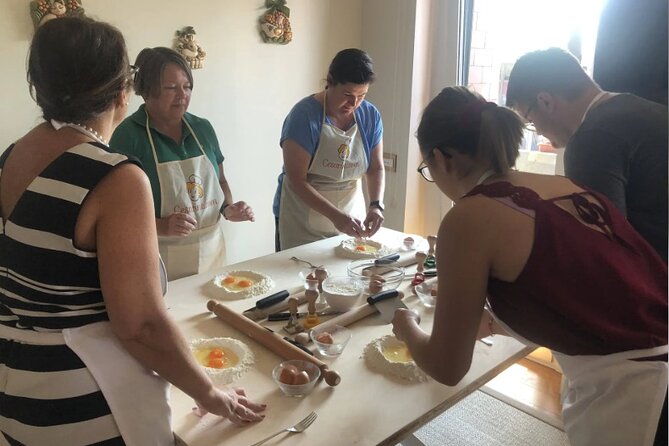
The warm welcome is part of why this experience works. In the reviews, I saw names repeatedly—Simona and her mother Carolina—and that tells you something. This isn’t just a teacher running a script. It’s a household cooking you into the rhythm of their kitchen.
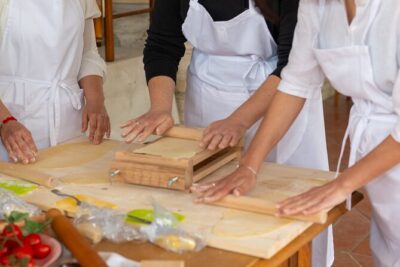
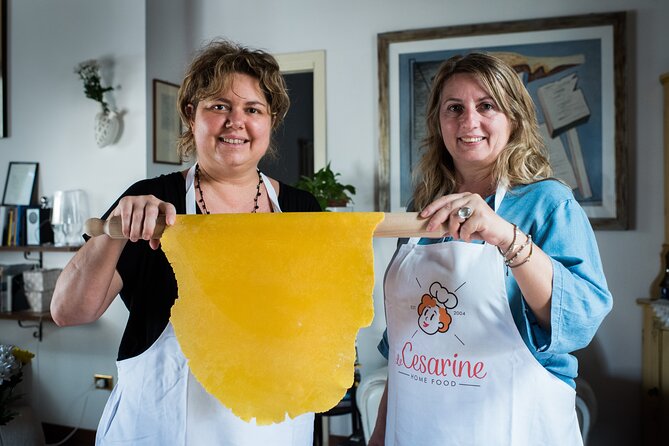
You’ll likely start with introductions and a quick orientation to what you’ll cook. Then you’ll move into the real center of the class: dough work and assembly steps. In a good pasta lesson, the teaching needs to happen before your hands get busy. That’s what makes it feel easy later, when you’re trying the recipes at home.
You’ll also be working with a “Cesarine” host. Cesarine is known for small, personable cooking experiences, and here that fits the setting: a private-feeling workshop with a focus on Northern Italian food.
What you’ll actually learn (not just watch)
The promise is that you’ll learn to recreate your favorite pasta dishes at home. That’s not a vague marketing line here. The class focuses on traditional Northern Italian dishes using local ingredients and flours, which means technique transfers well.
You’re not only learning what to make; you’re learning how to handle dough and filling. Buckwheat flour ravioli is a big clue: buckwheat behaves differently than softer wheat flours, and it changes texture and handling. Once you understand that, you’re better equipped to troubleshoot back home.
You’ll also get the rhythm of making pasta from scratch: prepping, mixing, forming portions, assembling, then finishing. Even if your first try at home isn’t perfect, you’ll know where the process can go wrong and how to fix it.
And because the experience is described as fully personalized and bespoke, you can expect the host to adapt pacing and guidance. In a small group, personalization isn’t a slogan. It’s what happens when you have time to answer real questions.
The menu: starter, main, dessert, and why these dishes fit Lombardy
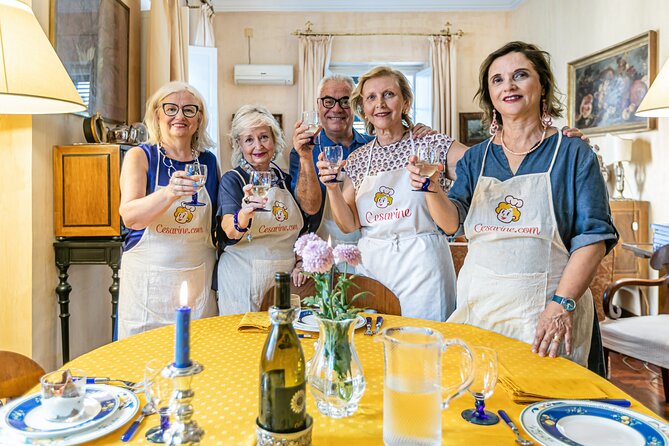
This class uses a Lombardy-focused menu, and each course teaches you something different. You’ll start with a savory appetizer, then build to a hearty pasta, then finish with a yellow-flour classic dessert.
Starter: Polenta Balls with Luganega
Polenta is a Northern staple, and turning it into polenta balls makes it feel playful but still grounded in tradition. Luganega is Lombardy sausage, so you’re getting that regional flavor profile right at the start—rich, savory, and comforting.
From a learning standpoint, the starter is helpful because it teaches you how a dish can go from staple ingredient to shaped bites. That’s useful later if you want to bring Italian comfort-food energy into your own cooking.

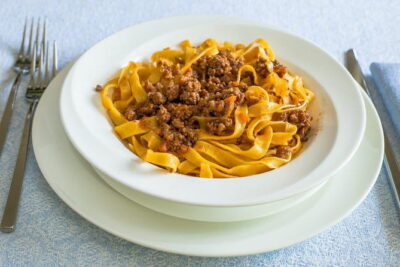
Main: Buckwheat Flour Ravioli
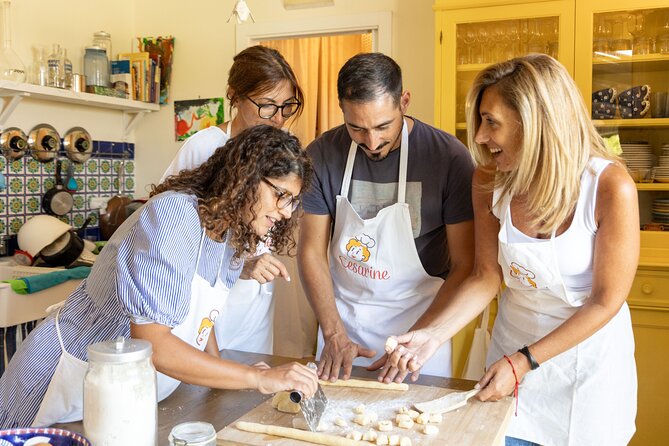
This is the centerpiece: buckwheat flour ravioli. Buckwheat gives a rustic, earthy tone, and ravioli requires patience and precision. You’ll be shaping portions and sealing them properly, which is where most people need clear guidance.
The practical win here is repeatability. If you can master ravioli assembly in a live class, you’re much more likely to try it at home. And once you’ve handled a buckwheat dough (or a dough using buckwheat flour), you’ll understand how it changes texture and workability.
This course also keeps the “view” part in perspective. You’re working, but not rushing. The setting encourages you to slow down, focus, and actually enjoy the craft instead of treating it like a checklist.
Dessert: Pan Meino with fioretto yellow flour
Dessert in Lombardy can be subtle and specific, and Pan Meino is a great example. This is made with finely ground fioretto yellow flour, which is part of why it feels tied to place.
Dessert can be an afterthought in some cooking classes. Here, it helps close the loop: you see how regional ingredients show up not only in pasta and savory dishes, but also in sweets. It’s one of the best ways to understand that Northern Italian cooking isn’t one-note.
Tasting what you made: wine and homemade limoncello
Cooking is only half the experience. The other half is eating at the end—what you made, with drinks that match the food.
You’ll sample your creations and enjoy local Italian wines. That matters because it gives context: how the flavors balance, how a savory dish pairs, and how a regional dessert lands on the palate.
Then there’s homemade limoncello. This is a classic closing move in Italy, and having it served after your meal is a reminder that cooking isn’t only technical. It’s social. It’s sharing. It’s staying at the table long enough to talk about what you learned.
If you’re trying to judge value, the tasting portion is one reason it’s not just a ticket to a kitchen. You’re building a full meal experience around the work you did.
The view isn’t decoration; it changes the whole pace
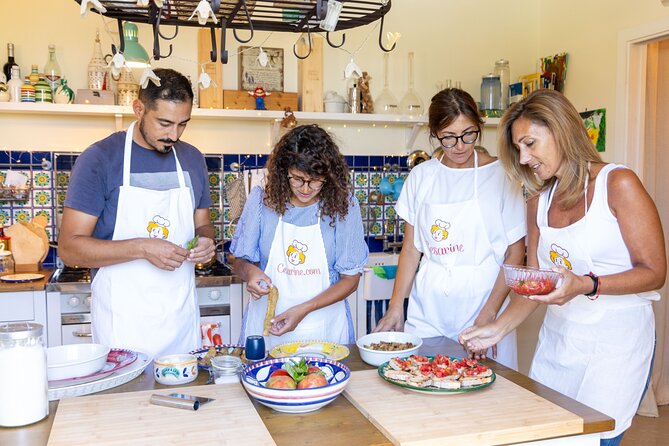
Let’s talk about the elephant in the room: the scenery. The penthouse overlooks Lake Como, the Swiss Alps, and Monte Rosa. That isn’t just pretty. It changes how the class feels.
When the setting is dramatic, your brain relaxes and you stop feeling like time is moving too fast. You tend to pay better attention to instructions, and you’re less likely to rush through the parts that require focus—especially ravioli.
It also gives you something to do besides stare at a cookbook. Even if you already know how to cook pasta, the view makes it a break from the usual sightseeing grind. You can be “in Como,” without spending those 3 hours on your feet.
Price and value: what you’re paying for at $213.26
At $213.26 per person for about 3 hours, you’re not paying for a cheap group activity. You are paying for structure, instruction, and ingredients, plus the tasting that turns it into a full experience.
Here’s how I’d think about value:
- Small group (max 10) means more hands-on attention and less waiting around
- Personalized instruction is hard to get in bigger classes
- A full menu (starter, main, dessert) means you’re leaving fed, not just “learning”
- Wine and homemade limoncello add to the meal value, not as an optional extra
If your goal is to learn technique you can reuse—especially ravioli—this is the kind of class that can pay off after you get home. You don’t want a souvenir. You want a skill.
Timing, meeting point, and how to plan your day
The class runs about 3 hours. That’s a good length for a hands-on cooking experience: long enough to learn, shape, and eat, but short enough that you can still plan another activity the same day.
You’ll start at 22100 Como, Province of Como, Italy, and it ends back at the meeting point. That makes planning easier. You’re not dealing with an open-ended transfer schedule.
Also, the experience is near public transportation. So if you’re walking around Como anyway, you’re not forced into a long taxi plan just to reach the class.
A practical note: since you’re cooking, you’ll want to dress for it. Wear something comfortable and easy to move in. Not because it’s messy chaos—just because kneading and shaping takes real body movement.
Who should book this class
This is a great fit if you want:
- Hands-on pasta learning you can actually repeat
- A smaller-group experience where you get attention
- A meal that includes starter, main, dessert, plus wine and limoncello
It may be less ideal if you:
- Avoid meat, because the starter includes Luganega (sausage)
- Want a purely sightseeing-focused outing (this is about the kitchen first)
If you’re the type who likes learning food culture through technique rather than just tasting on a walk, you’ll feel at home here. And if you love the idea of cooking in a home-like space with hosts like Simona, Carolina, or Cesarine Morena guiding you, you’ll appreciate the human touch.
Should you book this cooking class in Lake Como?
I’d book it if you’re looking for an authentic-feeling half-day in Como that teaches you real skills. The combination of small group size, personalized attention, and a menu built from Lombardy staples is exactly the kind of “worth it” experience you remember after the photos fade.
I’d think twice only if your food preferences exclude sausage, or if your schedule is so tight that 3 hours in one spot would feel like too much commitment.
If you want Lake Como without squeezing yet another attraction into your day, this is one of the better swaps you can make: you cook, you eat, and you leave with a recipe you can test next weekend.
FAQ
How long is the cooking class?
It’s approximately 3 hours.
What dishes are included in the menu?
You’ll make and sample a starter of polenta balls with Luganega, buckwheat flour ravioli as the main, and Pan Meino for dessert.
Is the class offered in English?
Yes, it’s offered in English.
How many people are in the group?
The class has a maximum of 10 travelers.
Where does the experience start and end?
It starts at 22100 Como, Province of Como, Italy, and ends back at the meeting point.
What is the cancellation policy?
You can cancel for a full refund if you cancel at least 24 hours before the experience’s start time. Free cancellation is available, and changes within 24 hours aren’t accepted.