REVIEW · LUCCA
Hands On Pasta and Gelato Cooking Class in LUCCA
Book on Viator →Operated by Travel Italy Guru · Bookable on Viator
Pasta first. Gelato right after. This hands-on Lucca class is a fun, practical way to learn Tuscan cooking without watching from the sidelines. You’ll make two pasta styles from scratch, then turn seasonal ingredients into real Italian gelato, with a shared meal to top it off.
What I like most is the focus on fresh pasta technique and locally sourced ingredients. The session is led in English, and one instructor named Ariela is repeatedly described as friendly and detail-minded, the kind of teacher who keeps the class moving and the explanations clear.
One consideration: this class is not suitable for travelers with food allergies, so if you have any dietary restrictions, double-check first.
In This Review
- Key highlights worth planning for
- The Lucca meetup and the 3-hour rhythm
- Making spaghetti alla chitarra (or tagliatelle) the right way
- Ricotta-stuffed ravioli with fresh farm flavor
- Gelato time: seasonal flavors and real technique
- The shared meal: why eating matters after you cook
- Local and sustainable ingredients: what that really changes
- Price and value: what $86.61 buys you
- Logistics that matter once you arrive in Lucca
- Who this Lucca class suits best
- Should you book this Lucca pasta and gelato class?
- FAQ
- What time does the class start?
- Where is the meeting point in Lucca?
- How long is the experience?
- What languages is the class offered in?
- What do you make during the class?
- Does the gelato use seasonal ingredients?
- Is the class suitable for food allergies?
- How big is the group?
- What’s included in the meal?
- What is the cancellation policy?
Key highlights worth planning for
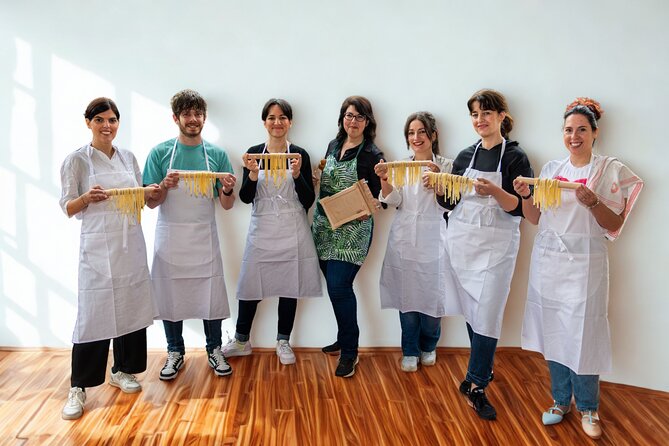
- Two pasta styles made by hand: spaghetti alla chitarra or tagliatelle, plus ricotta-stuffed ravioli
- Farm-forward ingredients: local flour from a nearby mill and ricotta and produce tied to Tuscan farms
- Seasonal gelato, not premix: real gelato made with seasonal flavors
- Small group size: max 18 people, which keeps it hands-on and personal
- Comfort in warmer months: the room can be a welcome break with air conditioning
The Lucca meetup and the 3-hour rhythm
The class starts at 10:00 am at Via di Tiglio, 1697, 55100 Lucca, LU, Italy, and it ends back at the same meeting point. That round-trip structure matters: you can plan the rest of your day in Lucca without guessing how long you’ll be off your feet.
The whole experience runs about 3 hours. It’s a good length for learning real skills without turning it into a marathon, especially if you’re also trying to see the city that afternoon.
You can also read our reviews of more tours and experiences in Lucca.
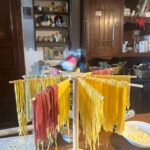
Making spaghetti alla chitarra (or tagliatelle) the right way
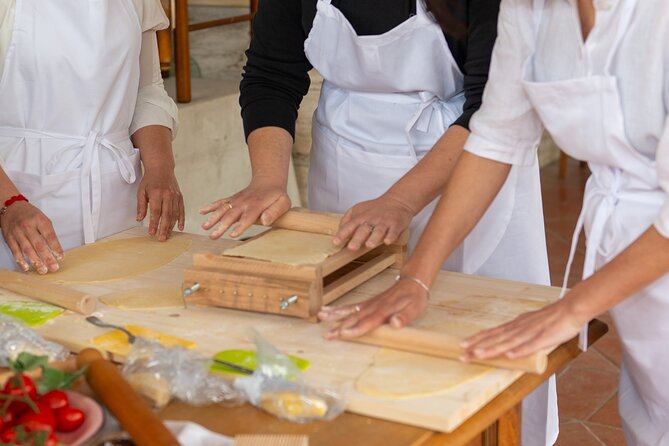
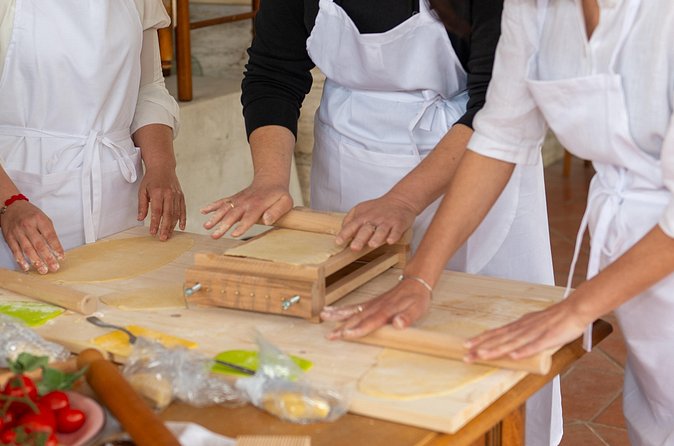
You’ll begin with fresh pasta dough and shape it into one of two classic formats: spaghetti alla chitarra or tagliatelle. This is one of the best parts for food lovers because you get the full cause-and-effect of pasta-making—texture, rolling thickness, and how shaping changes the final bite.
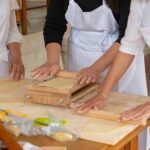
Spaghetti alla chitarra uses a special tool (often called a chitarra), and that gadget-style process is exactly what makes this method memorable. If you’re the kind of person who likes seeing how tools shape results, you’ll appreciate this part.
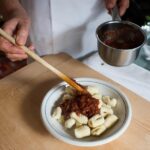
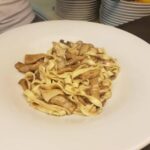
Your finished pasta is served with Pecorino Toscano DOP sauce. That’s a helpful detail, because it signals you’re not just learning dough—you’re also learning what Tuscan-style finishing looks like.
Ricotta-stuffed ravioli with fresh farm flavor
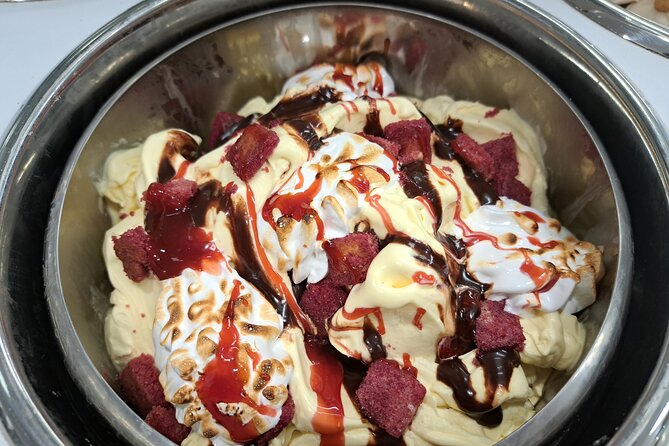
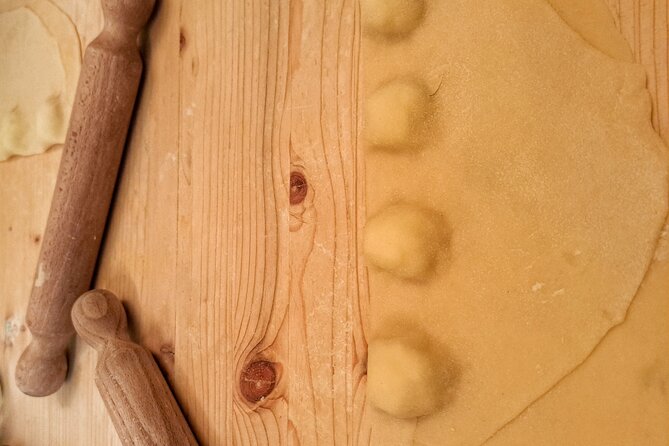
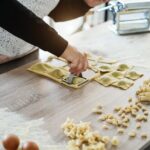
Next up is ravioli filled with ricotta, made with rich Tuscan ricotta sourced from top farms. Ravioli can feel intimidating if you’ve only had it in restaurants, but a class format like this turns it into something you can actually repeat at home.
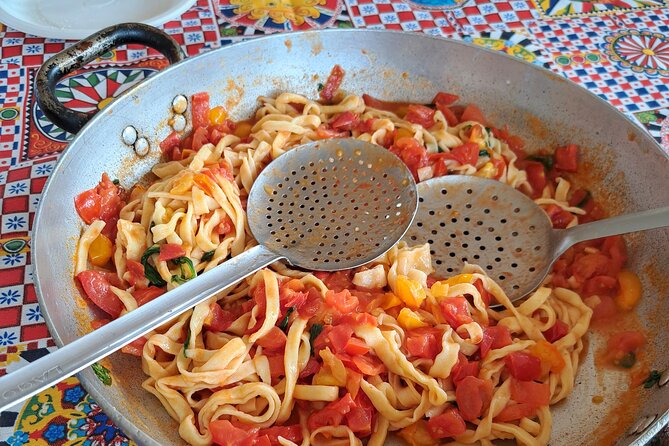
You’ll also see the ingredient story connect: the ravioli filling isn’t generic. The sauce is fresh and herbed, served with tomato in a way that keeps the flavors from getting heavy.
The hands-on part is the value here. When you fold and seal the pasta, you learn how to keep fillings snug and how to avoid leaks. That may sound basic, but it’s the difference between ravioli that look good and ravioli that hold up through cooking.
Gelato time: seasonal flavors and real technique
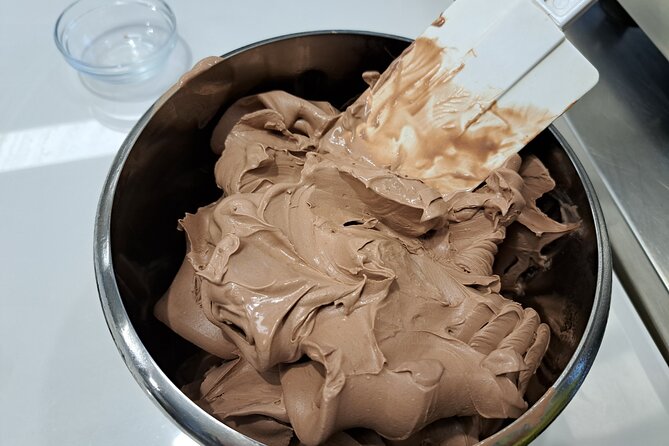
Dessert is real Italian gelato, made from scratch using seasonal ingredients. This matters more than people think. Seasonal fruit tends to have better flavor and aroma than out-of-season stand-ins, and it changes how you taste and adjust sweetness and texture.
The payoff is twofold. First, you learn the process, so you understand what makes gelato different from regular ice cream. Second, you actually eat what you make—so your learning gets verified immediately on the tongue, not later in theory.
If you’re visiting in warm weather, you’ll also appreciate the practical side: one big comfort note from past classes is that air conditioning can make a difference when Lucca is hot.
The shared meal: why eating matters after you cook
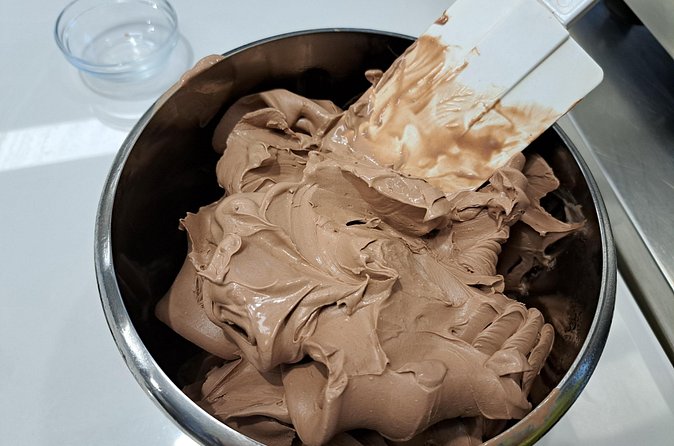
After the cooking, you sit down together and share the meal. This isn’t filler time. It’s where the “lesson” turns into a complete experience—because you taste your pasta and gelato in a relaxed setting rather than rushing out the door to fit into sightseeing.
A shared meal also gives you a chance to compare notes with your group. Even with a max group size of 18, people often talk about what worked, what surprised them, and which step they want to try again.
The menu is straightforward and cohesive: pasta mains first, then gelato. That structure helps you connect technique to flavor without overwhelming you with too many courses.
Local and sustainable ingredients: what that really changes
The class emphasizes that ingredients come from nearby or trusted sources, including 100% local flour from a nearby mill and farm-based ricotta. It also frames the approach as local and sustainable, which is more than a slogan if you pay attention while you cook.
Here’s what it means for you in practice:
- You’re using ingredients that taste like their region, not like whatever is cheapest or easiest to ship.
- You get better flavor benchmarks while learning. If your dough is bland, it’s harder to judge whether the technique or the ingredients are the issue.
- You leave with a stronger sense of what Tuscan cooking really leans on: simple ingredients done carefully.
That last point shows up in how the class feels. The vibe isn’t flashy. It’s hands-on, focused, and detail-oriented—built around skills you’ll remember when you shop for ingredients later.
Price and value: what $86.61 buys you
At $86.61 per person for about 3 hours, this isn’t a budget cooking class. But it also isn’t just a quick activity where you taste a few bites and call it a day.
You’re paying for:
- Two pasta projects (dough and assembly, not just shaping)
- A guided gelato-making session
- A shared sit-down meal
- Small-group instruction (max 18)
- English-language teaching
- Locally sourced ingredients that affect both flavor and learning
If your goal is “I want to learn how to make something,” this format is strong. If your goal is “I want a cheap snack with a cooking demo,” you might feel the price more than you’d like. But for anyone who enjoys food and wants skills, this is a practical use of time in Lucca.
Logistics that matter once you arrive in Lucca
This class is offered in English, which helps a lot if you want to understand the why behind each step, not just follow directions. You’ll get a mobile ticket, and the meeting point is near public transportation, which makes it easier if you’re mixing it with walking and museum stops.
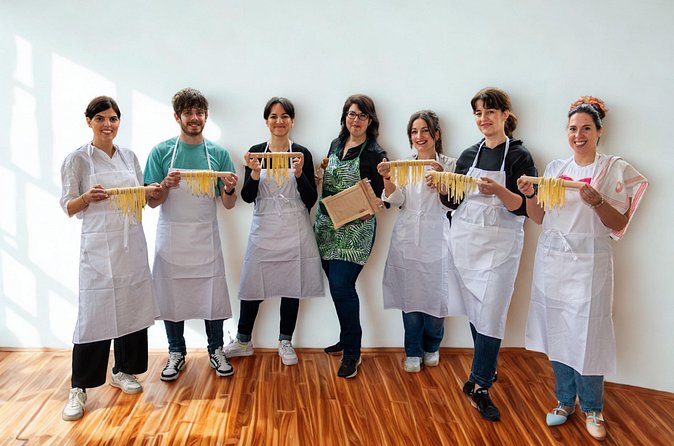
The max group size of 18 is also a real quality marker. In a class this short, smaller groups help you get attention when a step feels confusing—especially during ravioli sealing and dough handling.
One more key note: the class is not suitable for travelers with food allergies. If you have allergies, it’s worth asking before you book, because the materials and ingredients listed suggest it involves multiple dairy and food components.
Who this Lucca class suits best
This is a great fit if you:
- Love Tuscan food and want a hands-on way to understand it
- Enjoy learning with your hands more than watching quietly
- Want to leave with skills tied to real ingredients (flour, ricotta, Pecorino)
- Prefer smaller groups so you don’t get lost in the crowd
It’s also a smart choice for a first cooking class. The menu is classic and teachable, and the pacing fits into a half-day in Lucca.
Should you book this Lucca pasta and gelato class?
I’d book it if your idea of a great day includes making something from scratch and then eating it right away. The combination of handmade pasta (two styles) and scratch gelato with seasonal flavors, plus the shared meal, is a strong value for your time.
Skip it only if you’re dealing with food allergies or you want a more casual, no-pressure experience. This class is designed for active participation, not passive sightseeing.
If you’re in Lucca with a little flexibility and you care about ingredients and technique, this is the kind of activity that actually changes how you cook and taste afterward.
FAQ
What time does the class start?
The class starts at 10:00 am.
Where is the meeting point in Lucca?
The meeting point is Via di Tiglio, 1697, 55100 Lucca LU, Italy.
How long is the experience?
It lasts about 3 hours.
What languages is the class offered in?
The class is offered in English.
What do you make during the class?
You make pasta (spaghetti alla chitarra or tagliatelle, plus ricotta-stuffed ravioli) and you also make Italian gelato.
Does the gelato use seasonal ingredients?
Yes, the gelato is made with seasonal ingredients.
Is the class suitable for food allergies?
No, the class is not suitable for travelers with food allergies.
How big is the group?
The class has a maximum of 18 travelers.
What’s included in the meal?
After cooking, you share the meal together, featuring the pasta dishes and the gelato you made.
What is the cancellation policy?
Free cancellation is available. You can cancel up to 24 hours in advance for a full refund.