REVIEW · TOKYO
Japanese Home Cooking Class with Local Supermarket Visit
Book on Viator →Operated by YUCa's Japanese Cooking · Bookable on Viator
Japanese home cooking comes with a streetwise grocery stop. This class with Japanese food and culture expert YUCa walks you through menu planning and nutrition balance using seasonal ingredients, then you cook and eat a real home-style lunch. I also like that you get step-by-step take-home instructions, so the lesson doesn’t end when you leave the kitchen.
One thing to consider: the cooking focuses on traditional home foods that use meat, fish, and vegetables, so strict dietary needs may require extra checking ahead. The class meets at YUCa’s Japanese Cooking in Arakawa (Nishiogu) with a 10:00 am start, so plan your commute for that time slot.
In This Review
- Key highlights at a glance
- Why this Japanese home cooking class feels practical (not just fun)
- YUCa’s kitchen lesson: menu planning, nutrition balance, and seasonal thinking
- What you’ll actually cook (and why “simple” is the point)
- Lunch is included, and that changes the value
- The supermarket visit: the real-life ingredient upgrade
- Group size and pace: small class, home-kitchen energy
- Price and value: $162.88 for a skill-focused half-day
- Logistics that matter: meeting point, mobile ticket, and getting there on time
- Who should book this class
- Who might want to skip it
- Tips to get more from your cooking class
- Should you book Japanese home cooking with YUCa and the supermarket stop?
- FAQ
- How long is the Japanese home cooking class?
- What time does the class start?
- Where is the meeting point?
- Is the group size limited?
- What’s included in the experience?
- Does the tour include a visit to a supermarket?
- Do you receive anything you can take home?
- What is the cancellation policy?
- What happens if the minimum number of travelers isn’t met?
Key highlights at a glance
- Up to 7 people means more hands-on time in a real home kitchen setup
- Menu planning and nutrition balance explained with seasonal ingredients, not just recipes
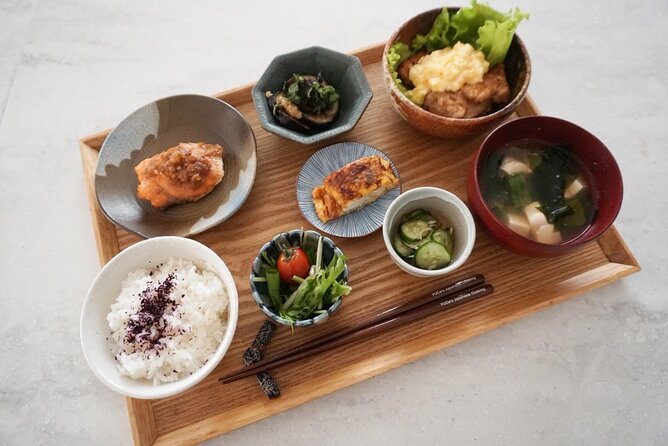
- Lunch you make yourself, centered on traditional home cooking
- Take-home notes/instructions to help you recreate dishes after the trip
- Local supermarket visit after class for practical shopping ideas and food-focused souvenirs
Why this Japanese home cooking class feels practical (not just fun)
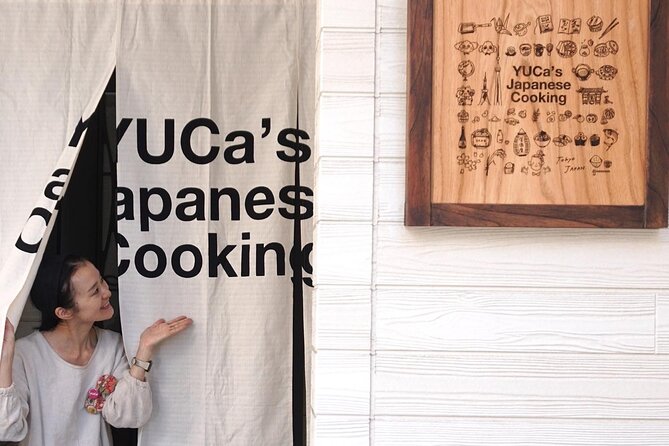
Tokyo has no shortage of food experiences. What I like about this one is its focus on what you do at home: choosing ingredients, thinking about balance, and making simple dishes that still feel Japanese.
The class is taught by YUCa, and it’s built around traditional home cooking. You’re not just tasting or watching. You’re learning a method you can repeat, which is what makes it feel useful after the trip.
You’ll also see how the logic of the meal connects to what people buy day-to-day. That matters more than you’d think, especially if you’ve ever tried to cook Japanese food later and couldn’t find the same ingredients.
You can also read our reviews of more tours and experiences in Tokyo.

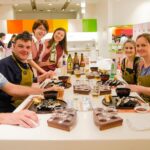
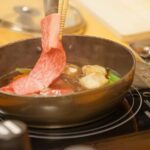
YUCa’s kitchen lesson: menu planning, nutrition balance, and seasonal thinking
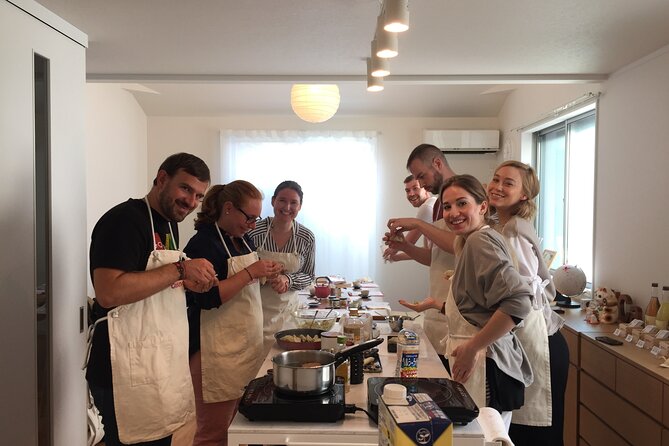
The core of the class is understanding Japanese home cooking beyond the individual dish. You’ll cover how to plan a menu, how to think about nutrition balance, and how seasonal ingredients shape flavor and choices.
That sounds like “food theory,” but the payoff is practical. When you understand the logic, you can swap ingredients more easily and still end up with a meal that feels right. It also helps you avoid the common problem of cooking one isolated dish and then wondering what to serve with it.
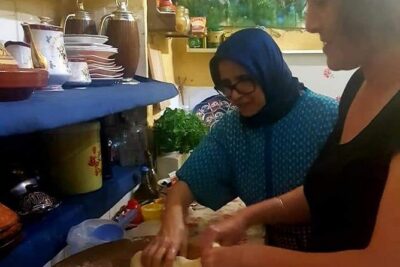
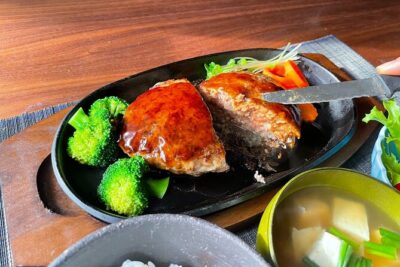
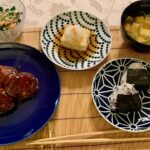
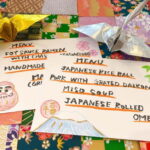
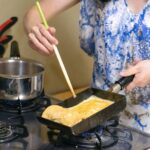
In the hands-on cooking portion, the class focuses on traditional home foods made with meat, fish, and vegetables. Depending on the day’s menu, you might see dishes like gyoza, ramen-style components, or Japanese omelette-type dishes. Other sessions have included pork katsu paired with walnut miso sauce. The exact lineup can vary, but the structure stays the same: learn techniques, not just one-off recipes.
What you’ll actually cook (and why “simple” is the point)
The phrase traditional Japanese home cooking often gets interpreted as complicated. This class works the opposite way. The goal is to show you how everyday cooking is achievable with realistic steps and a clear flow.
From the cooking you make, you’ll likely practice skills that transfer well to other meals, like:
- working with common Japanese flavor building blocks (sauces, seasonings, and balanced combinations)
- handling ingredients efficiently so the meal doesn’t turn into a half-day project
- assembling a plate that feels complete, not just a single main dish
Even when you cook something that sounds “special” in Japan (like gyoza or katsu), the teaching approach is designed to make it feel doable. That’s a big reason this type of class hits better than most food tours. You leave with confidence, not just photos.
Lunch is included, and that changes the value
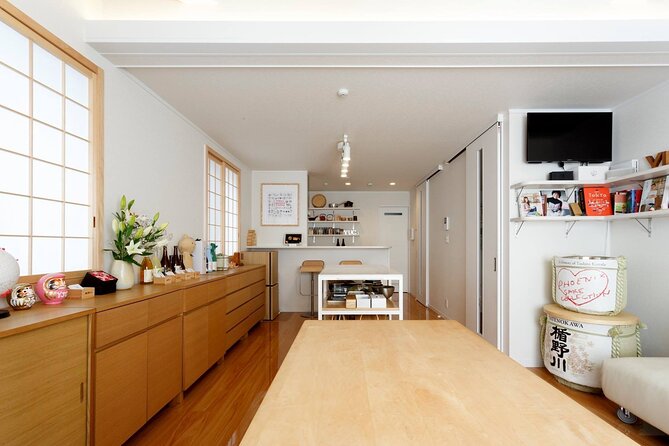
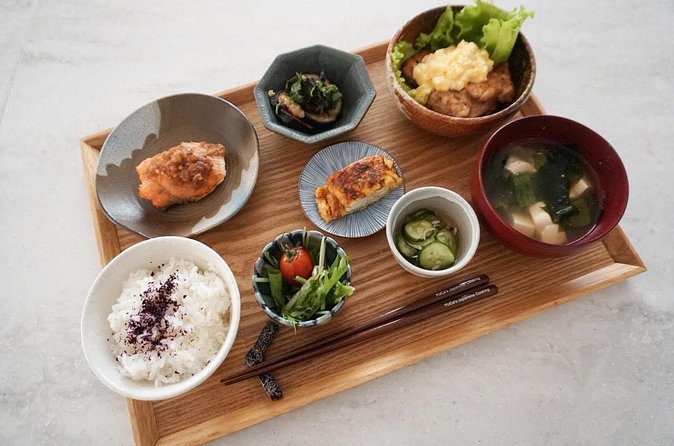
This experience includes lunch made as part of the class. That matters because your time is bundled: you learn, you cook, and then you eat what you just made without hunting for another meal option.
In a city where a quick lunch can still cost real money, getting an included meal makes the price easier to justify. More importantly, you experience the dishes as a whole plate, not as scattered bites. That helps you understand what the menu planning lesson is aiming for.
If you love cooking, this is the kind of setup that keeps you engaged. If you’re newer to Japanese cooking, it’s also a friendly path in, because you’re learning while enjoying.
The supermarket visit: the real-life ingredient upgrade
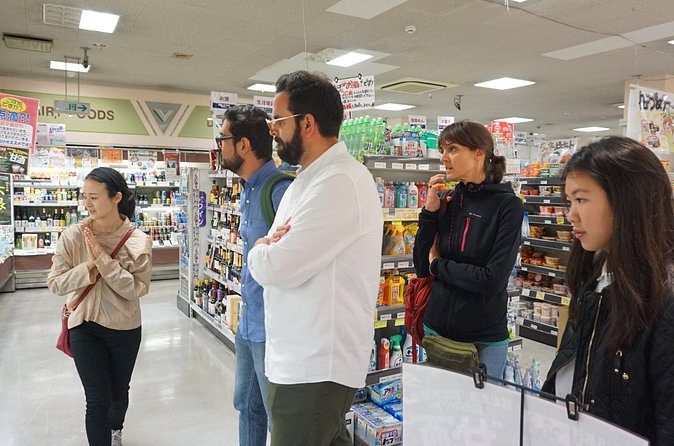
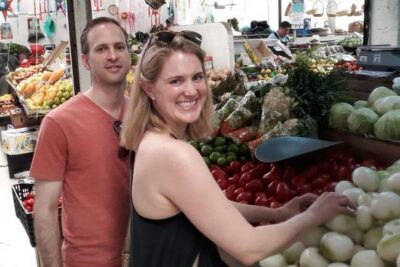
After the class, you visit a local supermarket. This is where the experience gets extra useful for your life after Japan.
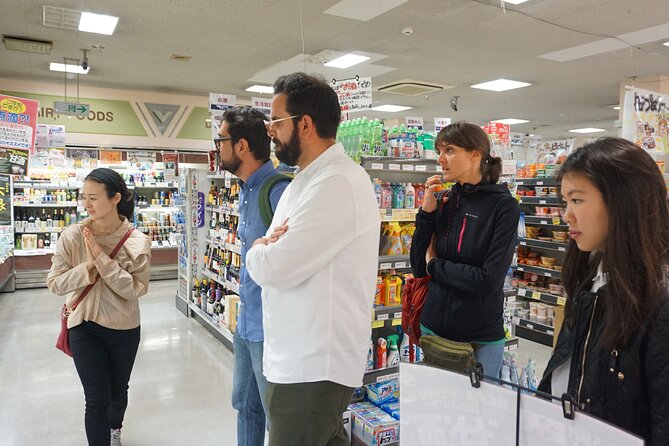
A supermarket visit isn’t “just shopping.” It’s a shortcut to understanding what’s normal to buy, what ingredients are easy to find, and how home cooks build meals with what they can grab locally. You’ll also get ideas for what to pick up as food-focused gifts, not the usual tourist trinkets.
What I find especially helpful is that the supermarket visit connects directly to what you learned in the kitchen. When you can match a technique or sauce to an ingredient shelf, everything clicks faster.
Also, with a small group size, you’re not stuck far from the action. You can ask questions and get clearer guidance on what to look for.

Group size and pace: small class, home-kitchen energy
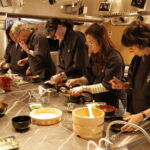
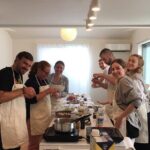
This experience caps at 7 travelers, which is a big deal for a hands-on class. In a small group, the instructor can slow down when someone needs help, and you get more time at the counter instead of waiting for your turn.
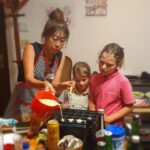
It also tends to make the environment comfortable for families. The class has worked well for families with elementary-age children, with the instructor including kids in the cooking process. That doesn’t mean it’s only for families, but it does suggest the teaching style is patient and adaptable.
The total duration is about 2 hours 30 minutes. That’s enough time to cook and eat without feeling like a full day commitment, but it’s still a real activity. You’ll want to start the day with enough energy for lunch and some walking inside the supermarket.
Price and value: $162.88 for a skill-focused half-day
At $162.88 per person, this isn’t a “grab-and-go” activity. The value comes from what’s bundled: expert instruction, lunch, and a supermarket visit, all in a small-group setting.
To judge whether it’s worth it for you, compare it to what you’d otherwise pay for:
- a paid meal
- separate shopping time trying to recreate what you ate
- cooking instruction you’d have to hunt down later
This class replaces those scattered pieces with one focused session. You also get take-home instructions, which can turn the experience into multiple home-cooked meals after your trip.
If you’re the type who likes food but doesn’t cook, you might feel the price more than the benefit. If you like cooking (or want to start), it’s a strong use of time.
Logistics that matter: meeting point, mobile ticket, and getting there on time
The class starts at 10:00 am at YUCa’s Japanese Cooking: 2-chōme-34-8 Nishiogu, Arakawa City, Tokyo 116-0011, Japan. It ends back at the meeting point.
It’s near public transportation, which is helpful in Tokyo. You’ll also receive a mobile ticket, which keeps things simple on arrival.
Because the start time is fixed, your best move is to give yourself a buffer for the commute. Small delays can make you feel rushed when you’re stepping into a kitchen schedule.
Who should book this class
This experience fits best if you:
- want to learn Japanese home cooking you can recreate later
- like the idea of understanding how menus are planned, not only copying one recipe
- enjoy hands-on classes and cooking with real tools instead of tasting only
- want a practical way to see what people actually buy at a local supermarket
It also makes sense for families, given the instructor’s patient teaching style and the way the class can include kids in the cooking process.
Who might want to skip it
Skip it if your main goal is sightseeing over skills. This is a kitchen-and-shopping experience first.
Also consider passing (or checking carefully) if you have strict dietary requirements, since the cooking focuses on dishes made with meat, fish, and vegetables. The class may still be helpful for learning techniques, but your ability to participate comfortably depends on what’s on the menu that day.
Tips to get more from your cooking class
Come ready to ask questions. The best learning happens when you don’t just follow steps, but clarify why a step matters.
Bring a notebook or use your phone notes for the take-home instructions. The class provides instructions to take home, so writing down your specific questions while you cook helps you use those materials later.
And during the supermarket stop, pay attention to ingredients that match what you cooked. If you can identify them in a real store setting, you’re much more likely to recreate the dishes successfully at home.
Should you book Japanese home cooking with YUCa and the supermarket stop?
I’d book this if you want a Tokyo food experience that leaves you with skills, not just memories. The combination of menu-planning education, hands-on cooking, lunch included, and a local supermarket visit is the real reason this works.
If you’re excited to cook or even just curious about how Japanese home meals are put together, you’ll likely feel value fast. If you mainly want to eat out and sample a lot of different spots, you may prefer a lighter tasting-focused plan.
My quick decision rule: if you can picture yourself cooking one of these dishes again at home, this class is a smart buy.
FAQ
How long is the Japanese home cooking class?
The experience lasts about 2 hours 30 minutes.
What time does the class start?
It starts at 10:00 am.
Where is the meeting point?
It meets at YUCa’s Japanese Cooking, 2-chōme-34-8 Nishiogu, Arakawa City, Tokyo 116-0011, Japan.
Is the group size limited?
Yes. The tour/activity has a maximum of 7 travelers.
What’s included in the experience?
Lunch made as traditional Japanese home meals is included.
Does the tour include a visit to a supermarket?
Yes. You’ll visit a local supermarket after the cooking class.
Do you receive anything you can take home?
Yes. The class provides instructions you can take home to help you recreate the dishes later.
What is the cancellation policy?
You can cancel for free up to 24 hours in advance for a full refund. If you cancel less than 24 hours before the start time, the amount you paid is not refunded.
What happens if the minimum number of travelers isn’t met?
If it’s canceled because the minimum isn’t met, you’ll be offered a different date/experience or a full refund.