REVIEW · JAISALMER
Cooking Class With Indian family
Book on Viator →Operated by Shree Ganesham Tour · Bookable on Viator
Cooking with a Jaisalmer family feels personal. You get tuk-tuk pickup and a small-group lesson that turns an ordinary meal into a real connection with everyday life in Rajasthan. I also love that the class is limited to up to 6 people, so you’re not shouting over a crowd while trying to learn the steps.
The only real drawback to plan for is that this is a home setting: expect spice and heat levels to match what your hosts cook for themselves, and the pace may feel more relaxed than a restaurant demo.
In This Review
- Key Highlights You’ll Actually Feel
- A Jaisalmer Cooking Class That’s More Than a Demo
- Tuk-Tuk Pickup and How to Pick Lunch vs Dinner
- Inside the Jaisalmer District Home: What You’ll Do in the Kitchen
- What to Watch Out For
- What You Learn (and Why It Matters Later)
- A Practical Trick: Take Notes Like a Chef
- The Meal Part: Sharing Food the Local Way
- Etiquette That Helps
- Price and Value: Why $25 Can Be a Smart Deal
- Who This Cooking Class Fits Best
- Small Practical Tips Before You Go
- Should You Book This Jaisalmer Indian Family Cooking Class?
- FAQ
- How long is the cooking class?
- Does the experience include hotel pickup?
- Can I choose lunch or dinner?
- How many people are in the group?
- Is a mobile ticket provided?
- What happens if the weather is poor?
Key Highlights You’ll Actually Feel

- Tuk-tuk pickup from your hotel keeps the start easy in Jaisalmer
- Choose lunch or dinnertime so the class fits your sightseeing rhythm
- Small group size (max 6) means more time with your hosts
- Learn cooking in a local family home and see the ingredients they use
- Eat what you cook as part of the same shared meal
A Jaisalmer Cooking Class That’s More Than a Demo
In Jaisalmer, it’s easy to collect photos. It’s harder to collect skills you’ll actually use. This cooking experience is built around the idea that you learn by doing, right where the food starts: in a real Indian household in the Jaisalmer District.
What makes it feel different is the tone. Instead of a formal studio, you’re welcomed into a family kitchen process—shopping for ingredients isn’t included here, but you do see what they use, how they think about flavors, and how they put dishes together as a day’s meal. You also get the bonus of eating together, not just watching and leaving.
Even if you’re a confident cook, you’ll likely pick up small habits that matter. If you’re a beginner, you’ll still get a clear path because you’re working at home-cooking speed with a limited group and hands-on guidance.
Tuk-Tuk Pickup and How to Pick Lunch vs Dinner

Getting around Jaisalmer can be a mix of easy and chaotic depending on where you’re staying. That’s why I like that this experience includes tuk-tuk transfer from your hotel. It removes the “how do we get there?” stress and helps you arrive at the right time with less hassle.
You also get a useful choice: lunch-time or dinnertime. This matters because your day in Jaisalmer has momentum. If you want a midday reset before more exploring, choose lunch. If you prefer to base the day around evening sights and then head to dinner cooking, choose the dinnertime slot.
The class duration is flexible in practice—listed as about 1 to 4 hours—so choosing lunch or dinner can help you match the energy you have that day. When food happens earlier, you often feel more alert for the technique part. When it’s later, you may enjoy a slower, more relaxed family-meal atmosphere.
Inside the Jaisalmer District Home: What You’ll Do in the Kitchen
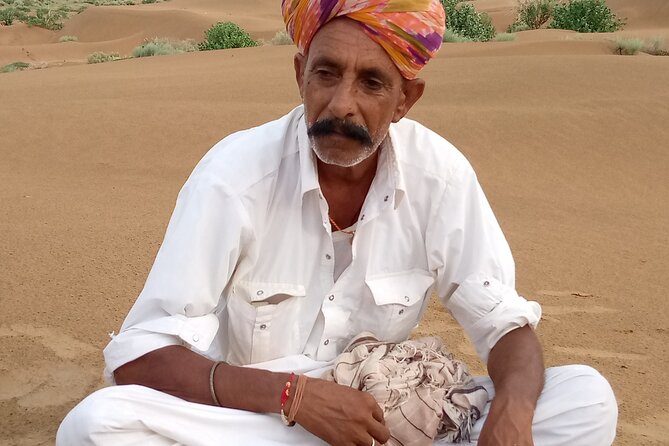
The heart of the experience is stop 1 in the Jaisalmer District, where you spend time inside an Indian home. The focus is straightforward: you’ll learn how Indian food is cooked in a local style, and you’ll share a meal with the family afterward.
Here’s what I’d expect you’ll experience once you’re inside:
You’ll see ingredients up close, not just on a plate. You’ll also learn how those ingredients work together in a home setting, including how the seasonings are handled. That part is especially valuable if you’ve ever tried Indian cooking at home and wondered why your results don’t taste quite right. It’s often not the recipe—it’s the way spices are used and balanced.
Next comes the hands-on part. You’re not just standing next to a cutting board while someone else does the real work. You’ll be guided through cooking techniques step by step so you can actually reproduce the process later. The experience is described as teaching different cooking techniques from your teacher, so the lesson isn’t limited to one task.
Finally, you eat. This is not an optional add-on. The meal is part of the experience, and it’s built into the day so the cooking and eating happen as one shared event.
What to Watch Out For
Because this is a family kitchen, the “comfort level” you’re used to at a restaurant may be different. You might find things like a warmer room, different cooking airflow, and a more casual setup around the cooking area. That’s not a problem if you come with the right mindset: treat it like a cultural meal invitation, not a cooking show stage.
Also, keep in mind that you should have at least a moderate physical fitness level. The experience is described that way, which usually means you may stand and move around more than you would during a seated tour.
What You Learn (and Why It Matters Later)

A lot of cooking classes teach you recipes. Fewer classes teach you cooking thinking. The value here is the “direct from the source” element—learning in the home where meals are made, and learning what kinds of ingredients are used.
You’ll get more than a checklist. You’ll learn how seasoning works in context. That shows up in the way spices are used and how flavors are balanced during cooking. Even without exact dish names provided in the info, the lesson is clearly designed to help you recreate some dishes yourself, which suggests you’ll practice key steps that make Indian cooking feel less mysterious afterward.
You’ll also likely notice how techniques fit the ingredient. In home cooking, timing and method matter. If you’ve ever followed a recipe but ended up with bland or uneven results, this type of class helps you understand what’s happening during the process.
A Practical Trick: Take Notes Like a Chef
Bring your phone notes (or a small notebook) and jot down:
- What ingredient combinations you were told to treat as the base
- Any guidance on how the dish should smell or look as it cooks
- What your host says about seasoning balance
This is the type of class where the details are taught in the moment. Short notes help you turn the memory into something usable on your next cooking night.
The Meal Part: Sharing Food the Local Way
The best part of many Indian food experiences isn’t the cooking. It’s the moment you sit down and eat what you helped prepare.
Here, the plan is explicit: you meet the local family and then dine on authentic Indian food together. That means you get a more personal flavor experience than a restaurant plate can offer. You can ask questions while you eat, and the family context makes it easier to understand why certain choices are made—like how a meal is built for what the household likes and what fits the day.
If you’re used to eating “fast” while sightseeing, this meal may feel slower—in a good way. It gives you time to taste, adjust your expectations, and appreciate the difference between “what it looks like” and “what it tastes like when it’s made at home.”
Etiquette That Helps
Since you’re eating with a family in their home, keep things easy:
- Be flexible about the pace
- Ask questions politely while staying aware it’s their house, not a lecture hall
- Let the meal set the mood—this is not a quick snack stop
Also, don’t underestimate how satisfying it is to eat the results of your own effort. When you taste what you helped make, it sticks.
Price and Value: Why $25 Can Be a Smart Deal
$25 for a home-based cooking lesson with pickup and a shared meal can be a strong value, especially in a place like Jaisalmer where “one activity” often turns into “transport plus a ticket plus another paid add-on.”
In this case, the value comes from multiple parts that are bundled together:
- Hotel tuk-tuk pickup (so you’re not spending time and money figuring transport)
- A small-group cap of 6 (which usually means more interaction)
- A class that includes not just cooking time but also eating with the family
- Access to ingredient insight—what they use and how they build a meal
If you’re comparing this to paying for a meal plus a separate paid cooking demo, the bundled approach is what makes it work. The price point is also consistent with a genuine cultural activity rather than a staged entertainment format.
Who This Cooking Class Fits Best
This experience is a good match if you want practical learning, not just sightseeing. You’ll enjoy it most if you:
- Like food that’s made from real daily ingredients and routines
- Prefer small groups and direct conversation
- Want to leave with technique you can reproduce at home
- Are okay with a home setting and learning at a family pace
It may be less ideal if you want a strict, studio-style schedule with no interaction. Since the class is designed around a family home, the flow may feel more human and less rigid.
Also, consider it if your schedule allows for lunch or dinner flexibility. The option to choose timing makes it easier to fit between forts, temples, and evening streets.
Small Practical Tips Before You Go
A few things will help you have a smoother experience.
Wear comfortable clothes you can move in. Even though the info doesn’t list exact activities, cooking classes typically involve standing, kneading, chopping, and mixing.
Bring a calm attitude about mess. Home cooking can mean spills or flour on hands. The goal is learning, not staying spotless.
Plan for weather. The experience notes it requires good weather. If conditions aren’t right, you may be offered a different date or a full refund. So if you’re traveling on tight days, keep some flexibility.
Finally, if you’re bringing a service animal, the experience allows it. That’s useful to know when you’re choosing activities in smaller destinations.
Should You Book This Jaisalmer Indian Family Cooking Class?
I’d book it if you want the “how” behind Indian food, not just the “what.” The combination of tuk-tuk pickup, a small group, and a cooking lesson inside a Jaisalmer household with a shared meal is a solid recipe for a memorable, useful experience.
You should think twice if you dislike spicy food, hate hands-on activities, or need a very predictable, formal schedule. But if you like learning by doing and you’re open to family-style hospitality, this is one of those Jaisalmer experiences that actually pays off after you return home.
FAQ
How long is the cooking class?
The duration is listed as about 1 to 4 hours.
Does the experience include hotel pickup?
Yes. Pickup is offered by tuk tuk from your hotel in Jaisalmer.
Can I choose lunch or dinner?
Yes. You can choose a lunch-time or dinnertime cooking class for flexibility.
How many people are in the group?
The class has a maximum of 6 travelers.
Is a mobile ticket provided?
Yes, you’ll receive a mobile ticket.
What happens if the weather is poor?
This experience requires good weather. If it’s canceled due to poor weather, you’ll be offered a different date or a full refund.
If you want, tell me your travel month and whether you prefer lunch or dinner, and I’ll help you pick the best timing for your Jaisalmer day.