REVIEW · HOI AN
Hoi An: Traditional Cooking Class and Meal with Local Family
Book on GetYourGuide →Operated by Da Nang Happy Tour · Bookable on GetYourGuide
Hoi An has a special way of turning food into something you can learn fast and taste immediately, and this cooking class keeps it practical. You’ll work with a real English-speaking chef using step-by-step guidance, then enjoy what you make in a shared meal with friendly company. The two biggest wins are learning 4 local dishes (like pancake and spring rolls) and getting recipes you can practice again later at home.
One thing to consider: it’s a group format, so it’s not the choice if you want total privacy or you have mobility limits. The class also takes place outdoors/in village-style settings, so you’ll want comfortable shoes and clothes you don’t mind getting a bit of kitchen life on.
In This Review
- Key points to know before you go
- Why Hoi An cooking classes feel like real Vietnam (not just a demo)
- Day vs night: Cam Thanh/Coconut Village or Tra Que Herbs Garden
- The flow: welcome drink, rest, then four guided dishes
- What you actually cook
- Group logistics that matter (and how to enjoy them)
- The meal and the recipe take-home part
- Recipes you can practice at home
- Price and value: what $27 includes (and what doesn’t)
- Practical tips so you’re comfortable and cooking-capable
- What to bring
- What not to bring
- Dietary needs and allergies
- Timing and menu changes
- Who should book this Hoi An cooking class (and who shouldn’t)
- Should you book it?
- FAQ
- What dishes will I learn to cook?
- Is vegan or vegetarian food available?
- How long is the cooking class?
- What are the available start times?
- Is pickup and drop-off included?
- Is the tour refundable if plans change?
Key points to know before you go
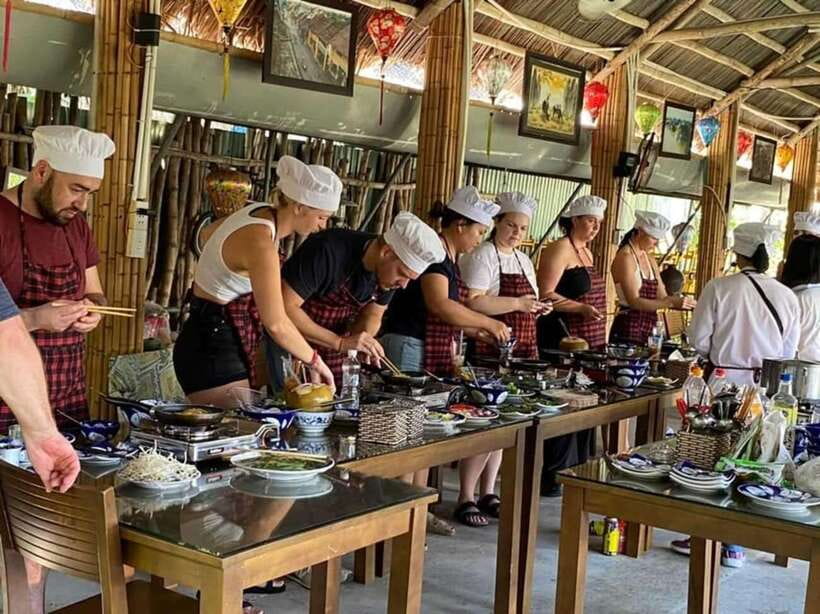
- Four-dish lesson: You’ll cook popular Vietnamese staples with guided steps, not just watch.
- English-speaking chef: The instruction stays clear and easy to follow.
- Eat what you cook: After the class, you sit down together and sample the results.
- Two time options: Day sessions start at 10:15 or 16:15, and a night session starts at 18:00.
- Dietary flexibility: Vegan/vegetarian is available by request, and ingredients can be adjusted for preferences and allergies.
- Value for money: The price includes ingredients and your meal (drinks are extra).
Why Hoi An cooking classes feel like real Vietnam (not just a demo)
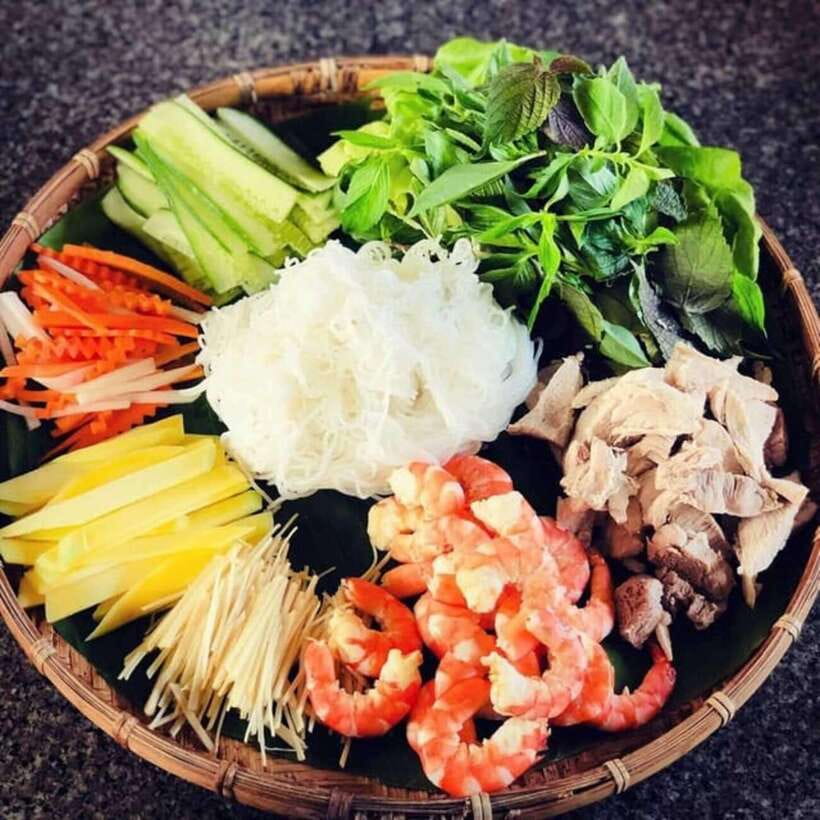
If you care about Vietnamese food beyond ordering it off a menu, you’ll like the structure here. This isn’t a sit-and-smile show. You cook along, with an instructor who breaks things into steps you can actually repeat later. That matters in Vietnam because the flavors depend on timing, texture, and how you handle ingredients—small moves make a big difference.
What makes this class especially useful is how it links technique to the dishes you’ll eat. You’re not memorizing a list of ingredients. You’re learning how to shape, season, and balance flavors for dishes like pancake and spring rolls, and then you get to taste the payoff right away. If you’ve ever tried to recreate a Vietnamese recipe at home and it turned out bland, this format gives you the missing context.
And yes, the group meal part is more than an add-on. People naturally compare notes as they eat, which helps you understand what worked and what you’d tweak next time. In the small reviews tied to this experience, the food quality and the friendly atmosphere show up again and again, along with the fact that you leave with recipes.
You can also read our reviews of more tours and experiences in Hoi An.

Day vs night: Cam Thanh/Coconut Village or Tra Que Herbs Garden
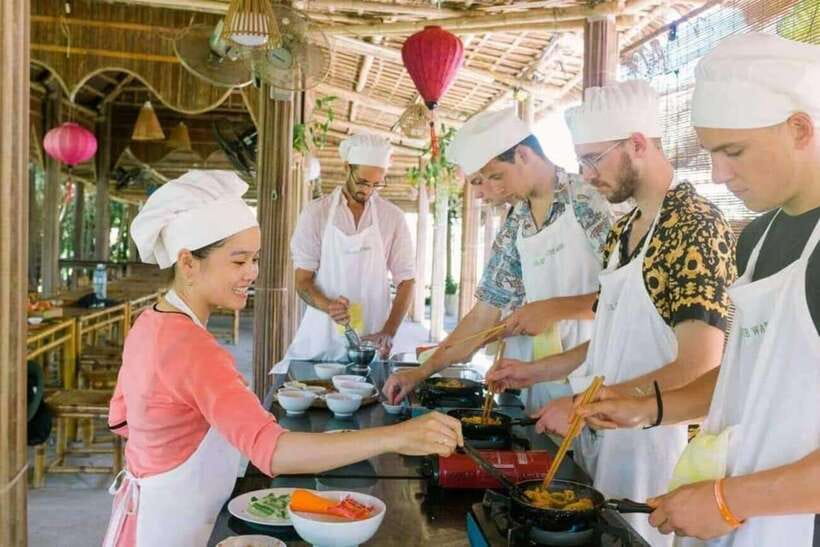
You’ll have a choice of start times, and the setting changes with the option you book.
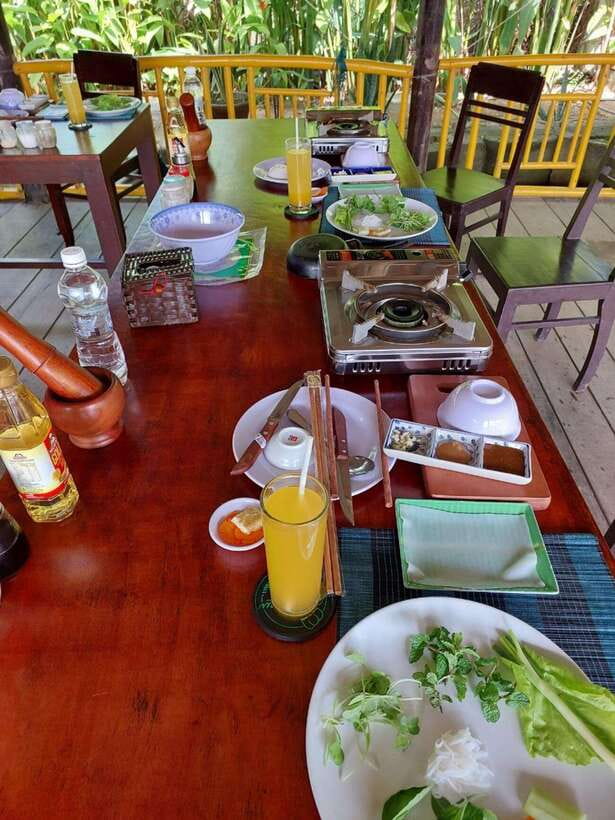
For day classes, pickup is offered for a 10:15 or 16:15 session from a meeting point in Cam Thanh Village area. After pickup, you head to the cooking area behind a peaceful lake and complete the class with a focus connected to Coconut village. For the night option, pickup is set for 18:00, and you meet at a meeting point inside Tra Que Herbs Garden, then cook in the herbs village setting.
Here’s how I’d think about it when choosing:
- Pick day if you like daylight cooking, easier photos, and a calm village pace before dinner.
- Pick night if you want Tra Que herbs surroundings and a more evening-social vibe around the meal.
Either way, you’re in central Vietnamese surroundings where the ingredients and daily rhythms matter. If you like seeing how food culture connects to land and routine, the village location is a big part of the value—not just the recipe sheet.
The flow: welcome drink, rest, then four guided dishes
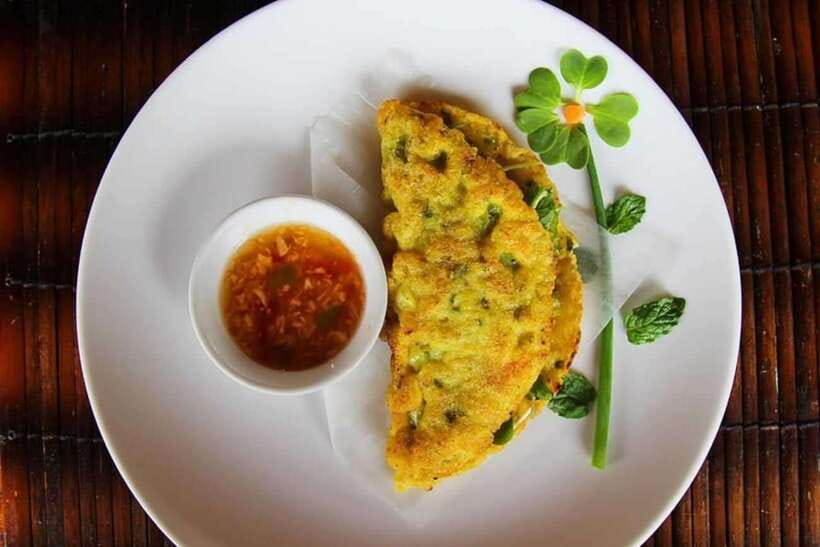
Most classes have a “then you eat” ending. This one starts with the comfort layer, which helps you settle in quickly.
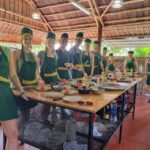
You’ll begin with a welcome drink and time to rest at the restaurant area. After that, you join the cooking class with a chef who speaks English. The class is designed for a group—often small group available—so you’ll work with others rather than in complete isolation.
What you actually cook
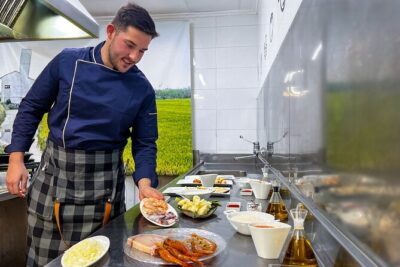
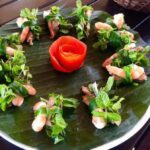
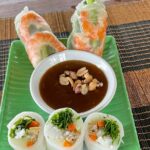
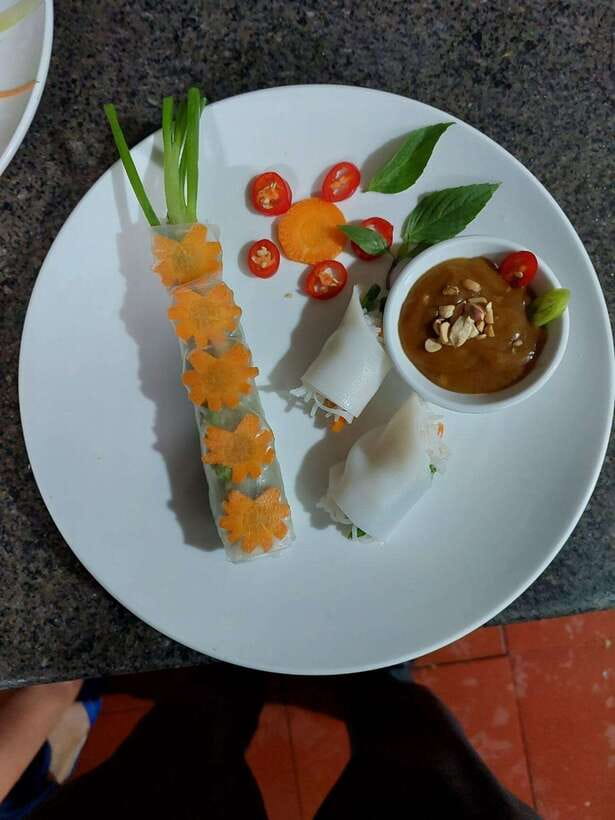
The chef teaches you how to make 4 local dishes. Pancake and spring rolls are explicitly part of the menu examples. The exact dishes can shift a little depending on the schedule and menu changes, but the focus stays on popular, traditional Vietnamese cooking rather than fancy restaurant-only experiments.
The step-by-step approach is the real benefit. You’re not just getting a single trick; you’re learning the sequence—prep, mixing, assembly, cooking, and how to know it’s ready. That’s especially helpful for dishes like spring rolls where texture and wrapping matter, and for pancake-style items where heat control can affect crispness.
Group logistics that matter (and how to enjoy them)
Because this is a group tour, you may be combined with other participants, depending on demand. That can be a plus if you’re social, since you’ll chat during cooking and then sit together after. It can be a drawback if you prefer one-on-one attention the whole time, but the class still runs as a structured lesson with an instructor.
If you want to get the most out of it, watch for the moments where the chef explains “why.” Those are the parts that turn a dish from okay to you can reproduce it at home.
The meal and the recipe take-home part
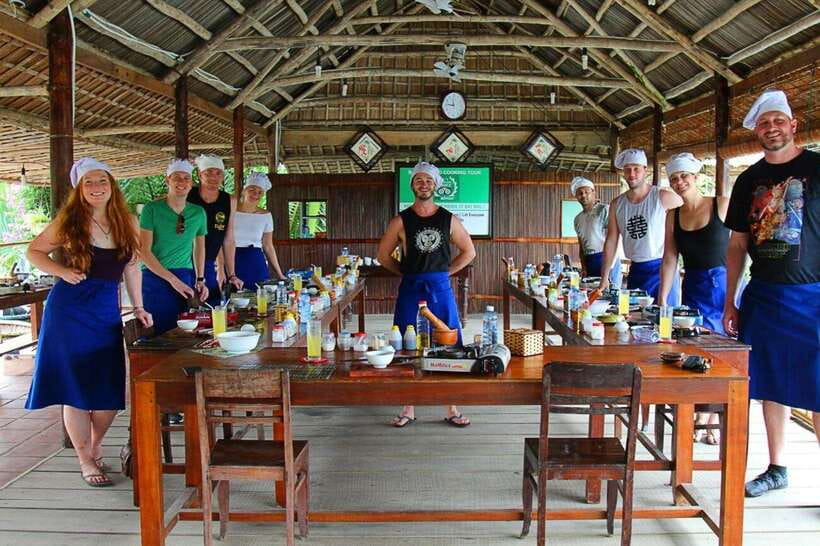
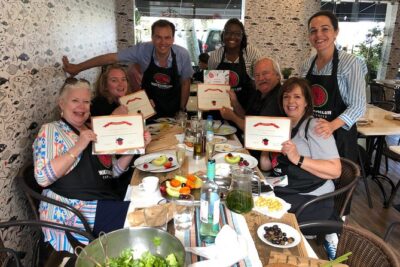
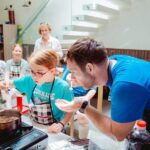
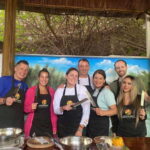
After the lesson, you eat what you cooked. Everyone shares the table, and you get to sample each other’s cooking. That’s not a gimmick. It’s a fast way to see how small choices affect flavor and presentation—especially when people vary in how they wrap, flip, or season.
This is also where the class turns warm. In the feedback tied to the experience, the people being friendly and the food tasting great comes through clearly. The group meal and conversation help you slow down and enjoy Hoi An food culture as a social thing, not only a “skill workshop.”
Recipes you can practice at home
One detail I really appreciate: you don’t just leave with a full stomach. You get recipes to take home, so you can reproduce what you learned. That’s where the experience pays off long after your trip, because Vietnamese cooking often depends on technique and proportions, not just ingredients.
Practical tip: take photos during the cooking steps if you’re the type who learns visually. Then use the recipes to recreate the sequence at home without having to guess.
Price and value: what $27 includes (and what doesn’t)
At $27 per person for about 3 hours (the listing notes 210 minutes), the value comes from stacking multiple things you’d otherwise pay for separately:
- An English-speaking chef teaching you cooking steps
- All ingredients needed for the dishes
- Your included meal (lunch or dinner, depending on the time option)
- A group lesson in a local village-style setting
- Optional hotel pickup and drop-off (if that option is selected)
Drinks are not included, so budget a little extra if you plan to have bottled water, juice, or anything similar during the meal. Personal expenses beyond what’s mentioned are also on you.
If you compare this to eating out in Hoi An, you’re still paying a price similar to a solid dinner. The difference is you’re getting a recipe education plus an actual meal you made yourself. That’s why this works well for food lovers who want more than just sampling local dishes.
Practical tips so you’re comfortable and cooking-capable
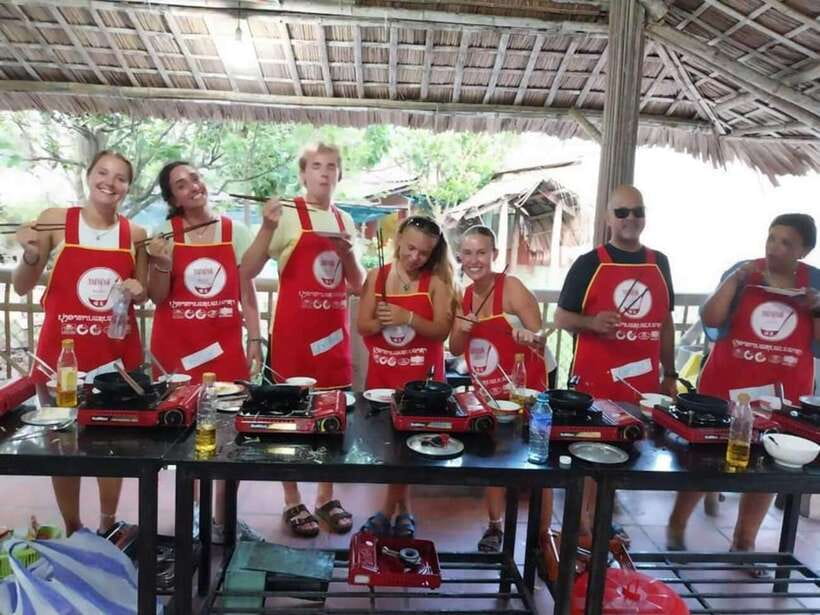
This class is meant to be easy to join, but a few small choices make a big difference.
What to bring
- Comfortable shoes (you’ll likely be standing for parts of the cooking)
- Comfortable clothes (kitchen activity can get messy)
What not to bring
- Pets
- Luggage or large bags
- Alcohol and drugs
If you’re traveling light, great. If you brought a big backpack, plan to leave it somewhere secure before the class so you can move comfortably.
Dietary needs and allergies
Vegan/vegetarian is available as a request when booking. The class also notes that ingredients can be adapted for vegan, vegetarian, gluten-free preferences, or allergies. That’s important: you want the adaptation to be built into the ingredients, not treated as a last-minute substitution.
If you have allergies, share them clearly in advance. The chef can adapt ingredients, but you’ll want the best possible information for safe prep.
Timing and menu changes
The schedule and menu can change a little, so don’t treat the experience like a rigid script. In a hands-on class, a small swap in dishes can happen, but the focus on traditional popular Vietnamese cooking stays the same.
Who should book this Hoi An cooking class (and who shouldn’t)
This is a strong fit if:
- You like hands-on food experiences and want to learn real technique, not only eat.
- You want an English-speaking instructor while cooking in a village setting.
- You’re traveling with friends or family and want a shared activity that ends with a meal.
- You care about leaving with recipes, so you can cook at home afterward.
It’s less ideal if:
- You need wheelchair access or have mobility impairments. The class is noted as not suitable for people with mobility impairments and wheelchair users.
- You want a fully private experience. It’s a group tour, with small group available, and it can be combined with others.
If you’re unsure, think about whether you can stand, move around the cooking area comfortably, and handle group pacing.
Should you book it?
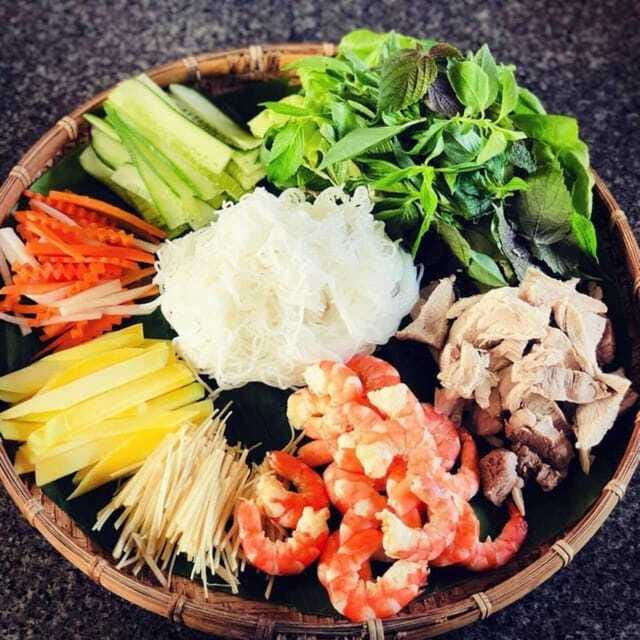
I’d book this class if your goal is practical Vietnamese cooking you can repeat, with a local setting and a meal that isn’t an afterthought. The biggest reasons are the step-by-step English instruction, the fact that you cook four dishes (including familiar favorites like pancake and spring rolls), and the friendly group energy that shows up in the overall experience.
Book it if you want value that lasts beyond the trip—because the recipes you take home are what turn the time into something useful. Just make sure you match it to your comfort level with standing, moving around, and a group format.
FAQ
What dishes will I learn to cook?
The chef teaches you how to cook 4 local dishes. Pancake and spring rolls are examples of dishes included.
Is vegan or vegetarian food available?
Yes. Vegan/vegetarian is available as a request upon booking. Ingredients can also be adapted for gluten-free preferences or allergies.
How long is the cooking class?
The duration is listed as 3 hours, or 210 minutes.
What are the available start times?
There are day options starting at 10:15 and 16:15, plus a night option starting at 18:00.
Is pickup and drop-off included?
Pickup is optional. If you choose it, hotel pickup and drop-off at the Hoi An old town center is included.
Is the tour refundable if plans change?
Yes. You can cancel up to 24 hours in advance for a full refund.