REVIEW · ROME
Rome: Pasta Cooking Class with Wine, Coffee, and Limoncello
Book on GetYourGuide →Operated by Yellowsquare Rome · Bookable on GetYourGuide
Rome’s best souvenir is edible.
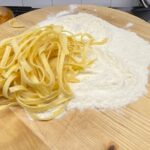
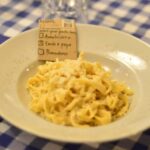
A pasta class in Lazio with Chef Marco turns an Italian food craving into a hands-on win: you make dough from scratch and shape tagliatelle, fettuccine, and ravioli, then you sit down to taste your work with wine. I also love that you leave with pasta recipes (so the fun can live on after your trip), not just a full stomach. The only real drawback to consider is that transportation isn’t included, so you’ll want a simple plan for getting to the YellowSquare Rome reception.
If you’re nervous about cooking, don’t be. The format is designed for beginners, with clear, step-by-step guidance and plenty of time to practice. The class runs about 4 hours and wraps back at the same meeting spot, which makes it easier to fit into a Rome day.
You finish like a proper Italian meal: pasta first, then coffee and limoncello to seal the deal. Add in the fact that the chef shares stories while cooking, and this becomes more than just technique. It’s also a social reset.
In This Review
- Key highlights to plan around
- A Beginner-Friendly Pasta Class That Actually Feels Fun
- Meeting at the YellowSquare Rome Reception (and Why It’s Convenient)
- The 4-Hour Workshop: Dough to Ravioli Without the Guesswork
- 1) Welcome and dish intro
- 2) Making pasta from scratch (your dough time)
- 3) Filling prep while the chef works on sauce
- 4) Tasting: the pasta you made, with condiments
- Sauce, Wine, and the Meal Part That Makes This Worth It
- The Sweet Finish: Coffee and Limoncello
- What You’re Really Paying for: $68.33 Value Check
- Who This Pasta Class Is Best For (and Who Might Skip)
- Should You Book This Rome Pasta Class?
- FAQ
- How long is the pasta cooking class?
- Where does the class meet in Rome?
- Does the class require prior cooking experience?
- What types of pasta will I make?
- Is lunch included?
- What drinks are included?
- What languages are the instructors available in?
- Is transportation to the meeting point included?
- Do I get anything to take home?
- Can I get a refund if plans change?
Key highlights to plan around
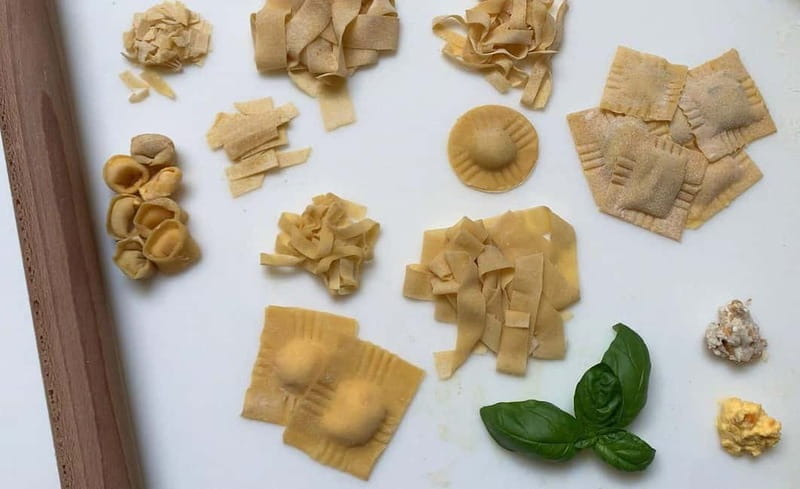
- 3 pasta types you make yourself: tagliatelle, fettuccine, and ravioli
- From-scratch dough plus filling work, guided by a local chef
- Wine with your meal, then coffee and limoncello at the end
- Beginner-friendly instruction with step-by-step explanations
- Recipes + participation certificate to take home your new skill
A Beginner-Friendly Pasta Class That Actually Feels Fun
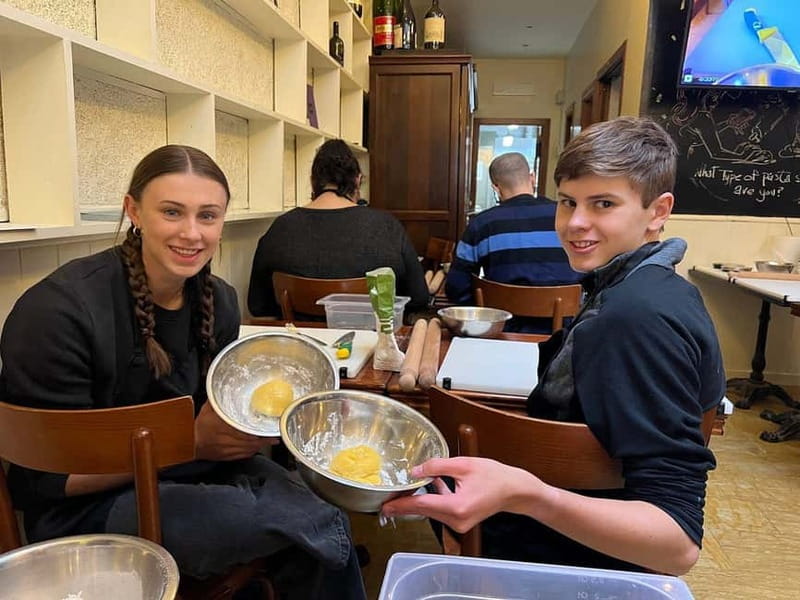
Rome has no shortage of food tours. This is different because you’re not just eating your way through Italy. You’re building the meal with your hands, from dough to finished shapes.
The biggest win here is the “from scratch” focus. You start with dough, then you prepare the filling while the chef handles an authentic sauce. That structure matters: it keeps you moving, but it also reduces the stress of trying to do everything at once. You’ll get a real feel for how Italian pasta is put together, not just how it tastes.
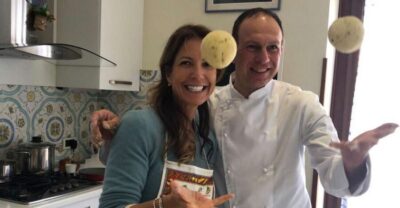
Another big plus: the energy. In the experiences associated with this class, Chef Marco is described as funny, skilled, and clear. The teaching style is practical too—step-by-step guidance is the point, which is exactly what you want if you’ve never made pasta before.
One thing to keep in mind: this is a 4-hour activity. If your days are packed with early tours and long walks, plan for a slower pace around it. You’ll likely want to arrive ready to cook, not rushing in from a museum sprint.
You can also read our reviews of more tours and experiences in Rome.

Meeting at the YellowSquare Rome Reception (and Why It’s Convenient)
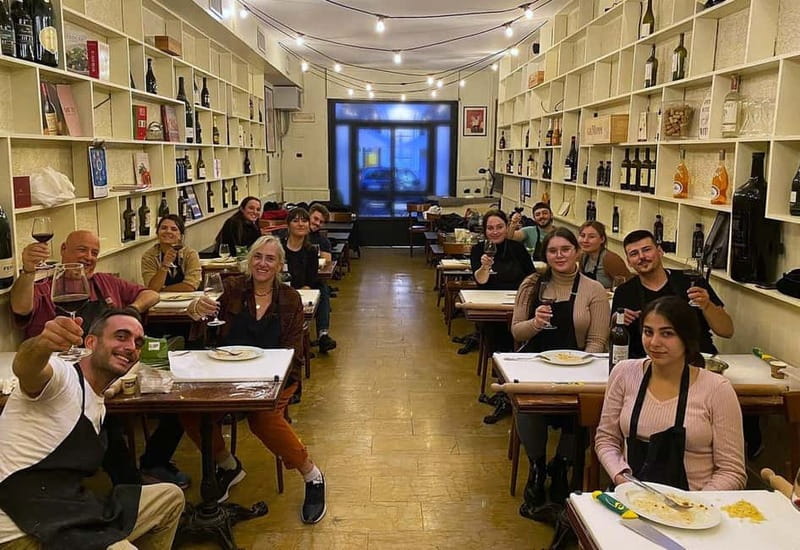
You meet at the YellowSquare Rome reception, and the experience ends back there. That’s a small detail, but it helps a lot in Rome, where getting “back to where you started” can be harder than it sounds.
Since transportation to and from the meeting point isn’t included, I recommend you treat the meeting point like a fixed anchor in your schedule. Pick a place to eat nearby before or after, or build it around the rest of your day so you’re not dependent on a complicated commute.
Timing is also worth noting. The class is listed as 4 hours, and starting times vary by availability. So don’t wait until the last minute. If you’re trying to match it with other plans, check the schedule early and lock in a start time that gives you breathing room.
Also, the instruction is available in English and Italian. That means even if you know only a few words, you’ll still be able to follow what’s happening. If you do speak Italian, you’ll get extra value from hearing the dish names and cooking steps in both languages.
The 4-Hour Workshop: Dough to Ravioli Without the Guesswork
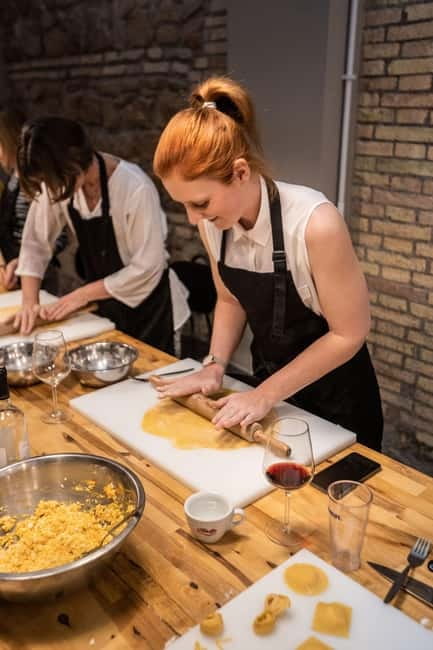
Here’s the rhythm you can expect, and why it works.
1) Welcome and dish intro
You’ll start with an introduction and a meet-the-chef moment. The chef explains what you’ll make—specifically tagliatelle, fettuccine, and ravioli—and how the pieces fit together. I like this part because it turns the workshop into a goal you can visualize. Instead of random tasks, you know what you’re aiming to produce.
2) Making pasta from scratch (your dough time)
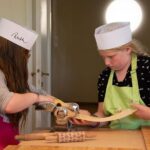
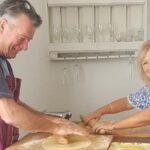
Then comes the hands-on portion: preparing homemade pasta starting from scratch. In practical terms, this is where you learn technique you can repeat later—working dough until it has the right feel, handling it without frustration, and shaping it with intention.
You don’t need previous experience. The point is to teach you the process so you can take it home in your head. And because you’re making pasta more than once (not just one shape), you’ll likely pick up speed as the class goes along.



3) Filling prep while the chef works on sauce
While you handle the dough and filling, the chef also prepares the sauce. This matters because it keeps flavor realistic and timing workable. You get to focus on technique without worrying that sauce will be late, undercooked, or missing.
From a value standpoint, it also means you’re not eating a “practice meal.” You’re eating pasta with an actual sauce the chef is trusted to get right.
4) Tasting: the pasta you made, with condiments
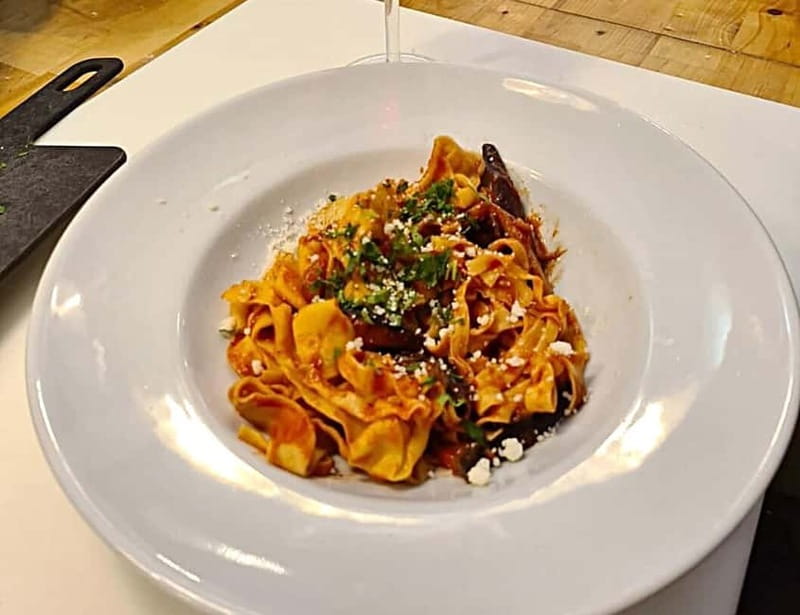
Once the pasta is prepared, you’ll taste what you made. The class includes tasting with various condiments, which helps each pasta type feel distinct. Tagliatelle and fettuccine can be similar in spirit, but they land differently on the fork, and ravioli adds a whole other experience with its filled center.
This is where I think the class is at its best. You see what changes when you change shape and preparation. That’s the difference between eating Italian food and learning how it’s built.
Sauce, Wine, and the Meal Part That Makes This Worth It
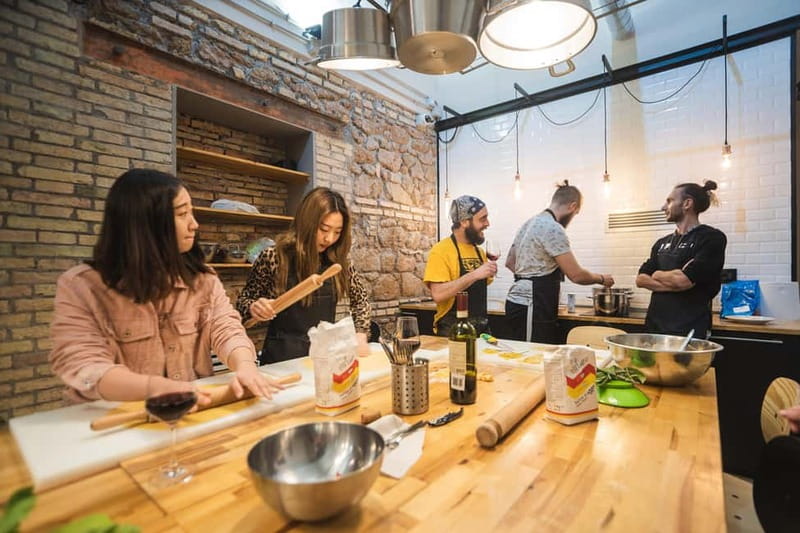
Let’s talk about the meal, because this class isn’t just technique—it’s also lunch.
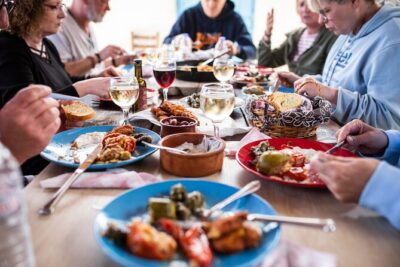
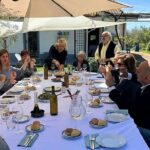
Included with the tasting is a pleasant lunch with pasta, and you get a glass of Italian wine with your meal. That’s a big deal for overall value. Many cooking classes stop at “you get to cook.” This one builds in a sit-down portion where your food is treated like a real meal, with drinks and proper pacing.
The best way to think about the wine: it’s not there for partying. It’s there to make the meal feel like the rest of Italy. You cook, you eat, you slow down. That’s the part people remember on the way out the door.
The chef also shares Italian stories during the process. Even if you’re not fluent, you’ll catch the vibe: how pasta fits into everyday life, how technique matters, and why certain steps exist. It turns the workshop into cultural time, not just a kitchen class.
A possible consideration: if you don’t drink alcohol, you might want to plan around that in advance. The experience includes wine, but the details on substitutions aren’t stated in the provided info, so consider checking with the provider before booking if wine matters for you.
The Sweet Finish: Coffee and Limoncello
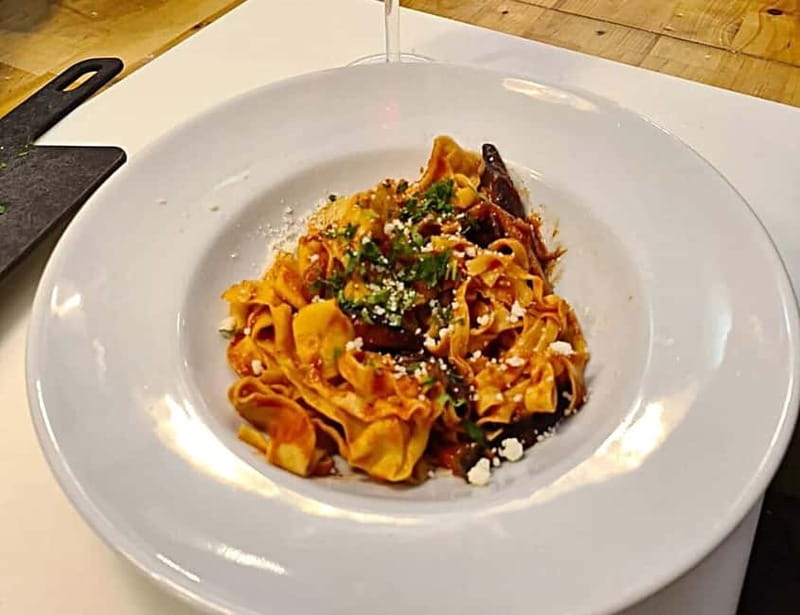
After you’ve eaten, you wrap with coffee and limoncello. It’s a classic Italy combo, and it works because it’s clean and finishing-friendly after pasta.
This ending matters because it turns the class into a complete arc:
- cook
- eat
- decompress a bit with coffee
- end with limoncello
That last step also makes the memory stick. Pasta is the headline, but limoncello is often the moment people talk about later, mostly because it signals the class is finished and you can enjoy it without thinking about the next task.
If you’re the type who likes taking home a “moment,” this part delivers.
What You’re Really Paying for: $68.33 Value Check
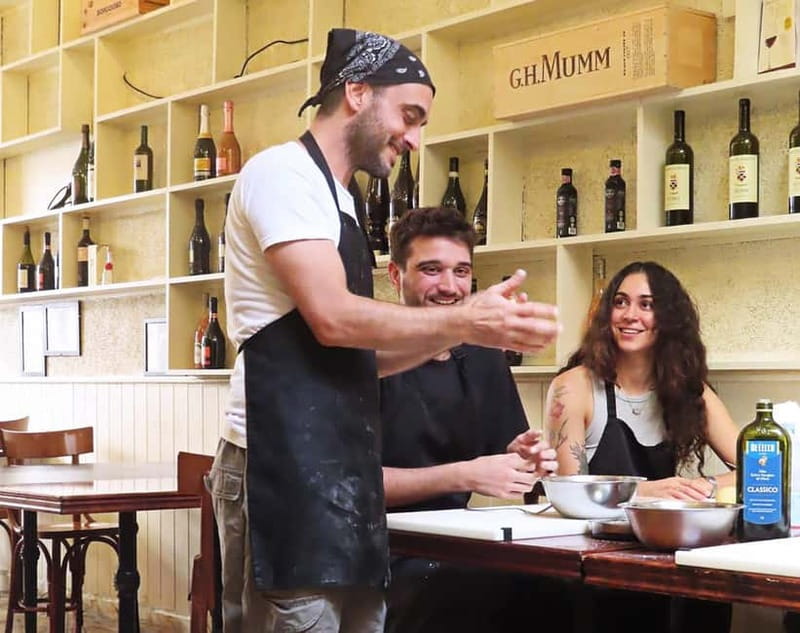
The price is $68.33 per person for a 4-hour experience. On paper, it’s “just” a cooking class. In practice, the inclusions make it feel more like a guided meal experience plus a skill lesson.
Here’s what’s included:
- a local chef as your guide
- lunch with pasta
- a glass of Italian wine
- coffee and limoncello
- participation certificate
- pasta recipes to take home
So you’re not only paying for the dough lessons. You’re paying for:
1) the chef’s time and teaching
2) the meal components that turn the class into lunch
3) the drinks that go with it
4) materials you can use again later (recipes)
And you’re getting a structured set of outputs: three pasta types. That’s a lot of result for one afternoon, especially for first-timers.
What’s not included is transportation. That’s common, but it changes the effective cost if you have a tough commute. If you’re staying nearby or can reach the YellowSquare Rome reception easily, the price feels more like a fair deal. If you have to travel across town by taxi, you might feel that pinch.
Who This Pasta Class Is Best For (and Who Might Skip)

This class fits especially well if you:
- want a hands-on Rome experience beyond walking and photos
- are cooking-curious and want to learn pasta basics without stress
- enjoy meeting people while sharing food
- like guided teaching, not free-form cooking
It also works well for couples. The class format includes tasting and shared food, and the teaching style described is step-by-step and friendly. If you’re worried you won’t be able to keep up, that’s exactly what the structure is built for.
You might consider a different option if:
- you need an ultra-short activity (this is 4 hours)
- you hate getting your hands dirty (because pasta dough is hands-on)
- you have trouble with commuting to the meeting point, since transportation isn’t included
Should You Book This Rome Pasta Class?
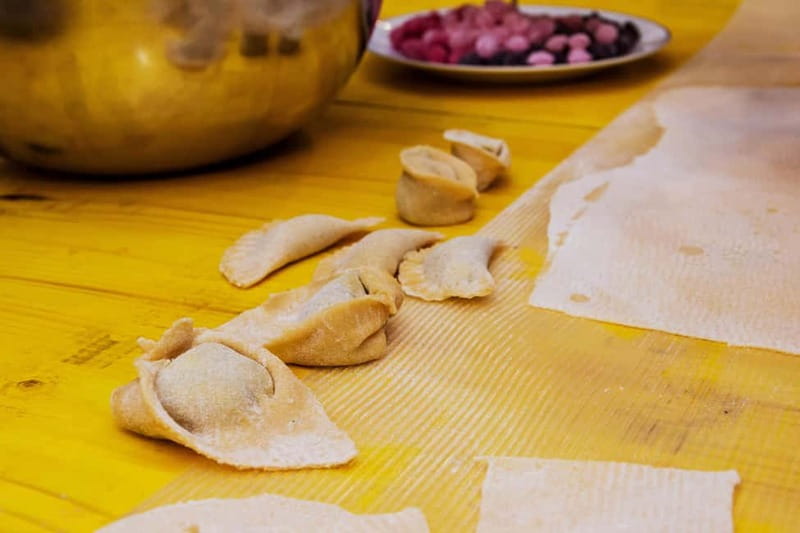
My take: if you want one cooking experience in Rome that’s more than a “taste and watch” situation, this is a strong choice.
Book it if you care about learning actual technique—especially making dough from scratch—and if you like the idea of a full meal with wine, coffee, and limoncello included. The fact that the instruction is described as clear, step-by-step, and taught by Chef Marco adds confidence for first-timers.
Skip it only if your schedule can’t handle a 4-hour block, or if reaching the YellowSquare Rome reception will be a hassle for you. Otherwise, this is exactly the kind of evening/afternoon activity that gives you a Rome memory you can eat again later.
FAQ
How long is the pasta cooking class?
The class lasts 4 hours. You’ll want to choose a start time based on availability.
Where does the class meet in Rome?
The meeting point is the YellowSquare Rome reception.
Does the class require prior cooking experience?
No previous experience is needed. The class is designed so you can join and learn as you go.
What types of pasta will I make?
You’ll make three types of pasta: tagliatelle, fettuccine, and ravioli.
Is lunch included?
Yes. You’ll enjoy a pleasant lunch with the pasta you prepare.
What drinks are included?
A glass of Italian wine is included with your meal, and the class ends with coffee and limoncello.
What languages are the instructors available in?
The instruction is available in English and Italian.
Is transportation to the meeting point included?
No. Transportation to and from the meeting point is not included.
Do I get anything to take home?
Yes. You receive pasta recipes and a participation certificate.
Can I get a refund if plans change?
Free cancellation is available up to 24 hours in advance for a full refund.