Fez smells like food for a reason. This small group cooking class starts in the old Medina market and ends with you sitting down to eat what you made, in a historic family riad. I like the way it connects market shopping to real cooking skills, not just a demo with photos.
My other favorite part is the pacing: it’s a 3-hour hands-on session, then you’re free the rest of the day. One thing to keep in mind: while most bookings look solid (4.8 rating, 94% recommended), there’s at least one very negative report claiming a duplicate or inconsistent listing setup—so verify the provider details in your confirmation before you pay in full.
In This Review
- Key things I’d watch for before you book
- Market to menu: why this class works in Fez
- Getting there: Hotel Batha and a simple half-day rhythm
- The souk stop: learning ingredients beyond the tourist version
- The historic riad kitchen: where the real teaching happens
- What you’ll cook: choosing a traditional menu and eating it
- Lunch or dinner, depending on your booking
- Price and value in Fez: is $74.33 actually fair?
- Small group size: why max 12 matters for real learning
- What’s not included (and why it matters)
- Practical tips to get more out of the class
- Who this fits best (and who might want a different plan)
- Should you book the Fez Cooking Class?
- FAQ
- FAQ
- How long is the Fez cooking class?
- What’s the group size limit?
- Do I eat the food I cook?
- Is there a market visit?
- What’s included in the price?
- What isn’t included?
- Where do we meet?
- When does the activity end?
- Is it near public transportation?
- What’s the cancellation policy?
Key things I’d watch for before you book
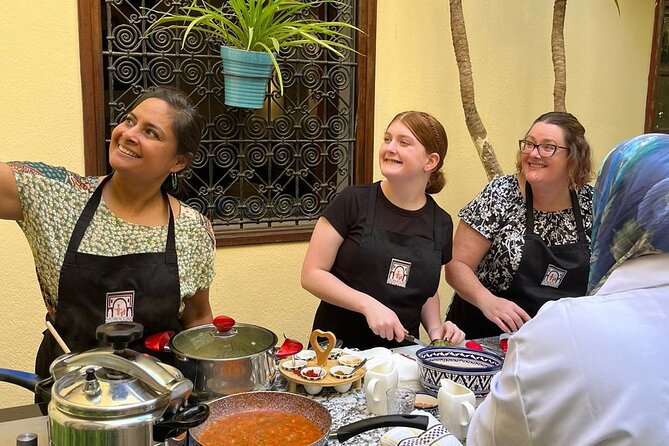
- Max group size of 12 means you’re not lost in a crowd while someone else chops.
- Souk shopping first so you learn what ingredients cost, how they’re used, and why they matter.
- Historic family-owned riad setting where the cooking feels local, not staged.
- You choose your menu after your host asks about preferences.
- Full meal outcome: appetizers through dessert plus Moroccan tea.
Market to menu: why this class works in Fez
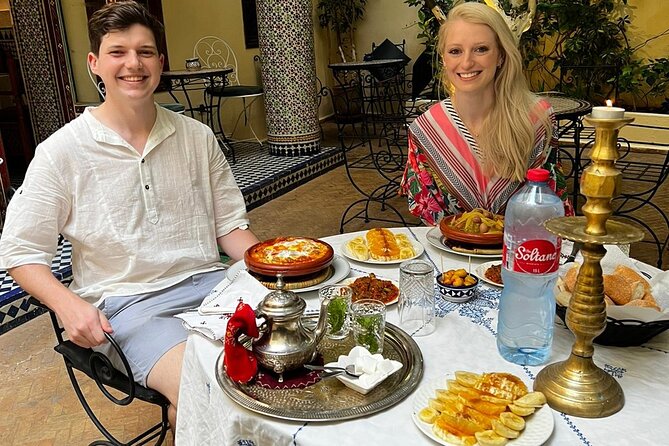
A cooking class in Fez can go two ways. Either it’s a nice story with limited teaching, or it’s actually useful when you’re back home trying to remember what went into that tagine.
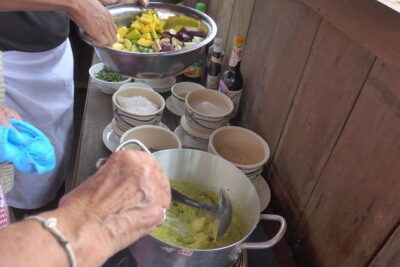
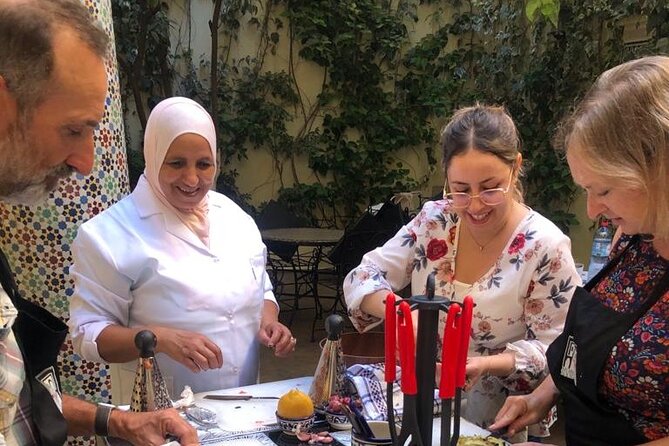
This one is built around the full chain: ingredients, techniques, and then a full sit-down meal. You start with a guided trip to the old Medina souk to see produce and staples up close. Then you move to a family riad kitchen to cook a traditional menu. When you’re finished, you eat what you made, in the same spirit of hospitality that keeps Moroccan food culture alive—family pace, tea, and conversation.
And because it’s only a handful of people (up to 12), you get more than “watch the chef.” You’re in the process. You’re asking questions. You’re learning why certain steps happen—like building flavor in stages, or how spices are treated differently depending on the dish.
You can also read our reviews of more tours and experiences in Fez.
Getting there: Hotel Batha and a simple half-day rhythm
The meeting point is straightforward: Hotel Batha, Ave de La Liberte, Fes 30000, Morocco. The activity ends back at the same meeting point, which makes the logistics easier—no need to plan a second pickup.
The session runs about 3 hours. The overall experience is described as a half-day cooking slot, with the rest of your day left open for wandering the medina, grabbing coffee on your own, or simply recovering from the smell of warm bread and spices.
This timing matters because Fez is a city where your feet do a lot of the work. A class that takes most of the morning or early afternoon, then frees the rest of the day, is a strong match if you want both culture and time to roam.
The souk stop: learning ingredients beyond the tourist version
You’ll visit the local market in the old Medina with your host. This isn’t framed as a quick photo walk. The focus is ingredients on offer—what’s fresh, what locals use, and how food choices tie into everyday customs.
Here’s what I think you gain from doing this in the souk before you cook:
- You see the raw material first. Cooking instructions land faster when you’ve already touched and identified the ingredients.
- You learn the logic behind the menu. Moroccan dishes often depend on specific pantry items and how they’re layered.
- You pick up small habits. Markets aren’t just for buying. They’re where people learn what to use right now.
Your host will ask about your preferences and recommend a menu. Then you decide what to cook, and the group shops for the ingredients together. That last part is important. If you’re the type who wants to know what you’re tasting, shopping makes the meal feel personal.
One practical consideration: markets can be crowded and slightly hectic. Wear comfortable shoes and expect to move at medina speed—meaning: quick steps, narrow space, and people doing what they do.
The historic riad kitchen: where the real teaching happens
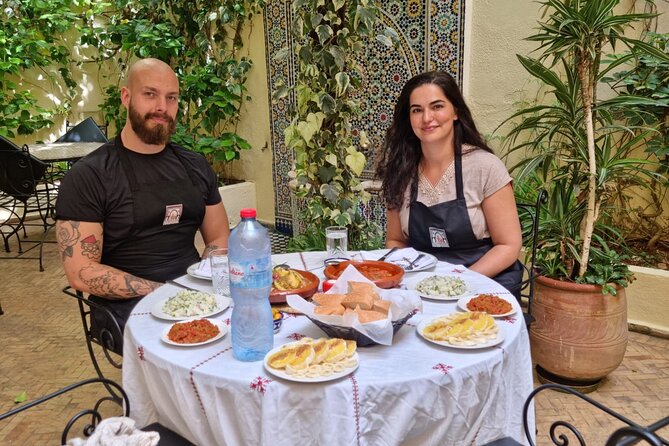
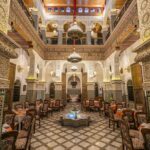
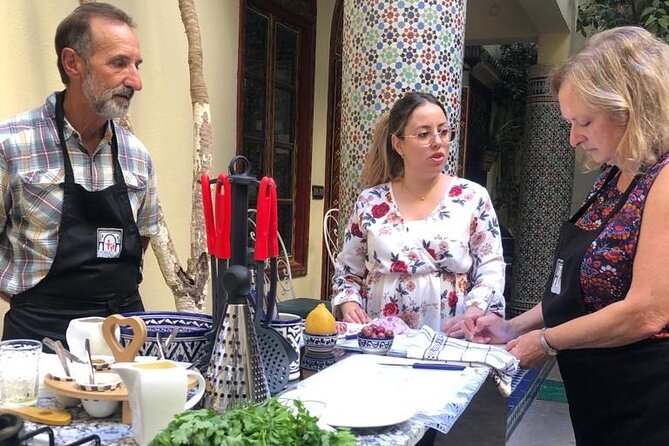
After the market, you’ll be welcomed at a historic, family-owned riad. This is where the class becomes more than an activity. In many cooking classes, the kitchen feels like a set. Here, the description emphasizes a true family-run environment and a chef’s brigade setup—so you’re cooking inside the rhythm of how these meals are actually made.
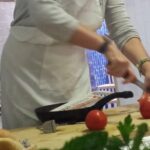
In the kitchen, you’ll prepare a traditional menu, using Moroccan cooking techniques with interactive guidance. The phrase “chef’s brigade” suggests there’s a team handling the cooking flow, likely supporting different steps so everyone can participate.
What to expect in a class like this:
- You’ll work hands-on while the chef and team guide you.
- You’ll learn technique steps, not just which ingredient goes where.
- The goal isn’t only taste. It’s understanding the process.
If you’re worried about your skill level, don’t be. This sort of setup usually means there’s enough support for beginners, especially with a maximum of 12 people. You’ll still get real instruction—just not the pressure of cooking alone.
What you’ll cook: choosing a traditional menu and eating it
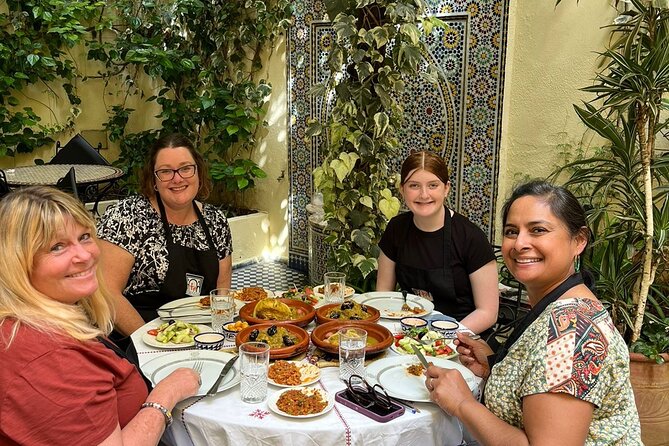
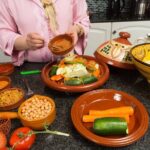
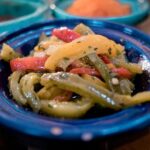
You won’t just make one item and call it a day. The class is structured around a menu, from appetizers to dessert. After shopping and cooking, you sit down and enjoy the full dishes you crafted.
A key detail: your host asks about your preferences and then recommends what to cook. You then choose what goes on your menu. That makes the meal feel tailored rather than generic. If you’re adventurous, you can pick bolder options. If you want something more familiar, you can lean toward dishes that match your comfort level.
The description also highlights Moroccan hospitality. That comes through at the end with a joyful Moroccan tea after the meal. It’s a small thing, but in food experiences, it’s the difference between “eat fast and leave” and “slow down and absorb it.”
Lunch or dinner, depending on your booking
The class includes lunch if you book for lunch, and dinner if you book for dinner. So the meal is part of the experience rather than an add-on you have to chase afterward.
Price and value in Fez: is $74.33 actually fair?
At $74.33 per person, this isn’t a budget cooking class by Morocco standards. That price can feel steep if you’re comparing it to street food or a casual meal in a café.
Here’s why it can still be good value, based on what’s included:
- Market time with a guide to learn ingredients, not just cook.
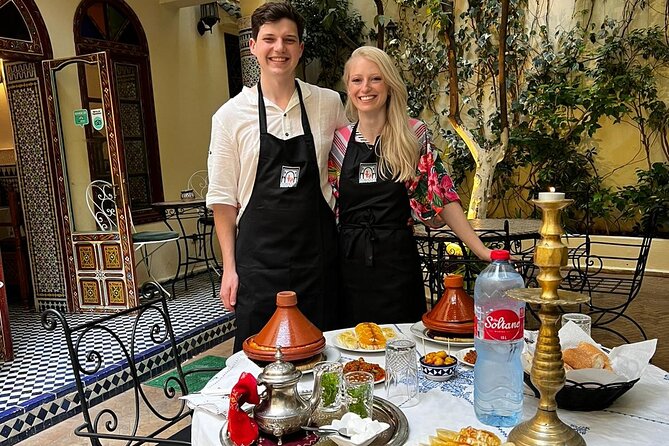
- Hands-on cooking in a family riad environment.
- Full meal that includes appetizers through dessert plus Moroccan tea.
- Practical inclusions: coffee and/or tea, snacks, bottled water, and all fees and taxes.
- If your schedule matches, you also get lunch or dinner depending on what you select.
What you’re paying for, in plain terms, is guided access. Access to ingredients in the market, access to technique in the kitchen, and access to a full sit-down meal. If you just want cooking inspiration, you can find recipes online for free. If you want to learn while doing—then eating—this price buys that whole package.
One more thought: there’s also a free-cancellation window described for this experience. That gives you a chance to lock it in and adjust if your Fez schedule shifts, as long as you cancel in time.
Small group size: why max 12 matters for real learning
Max 12 travelers sounds like a minor detail. It isn’t.
In cooking classes, crowding changes everything:
- If the group is too large, you wait.
- If you wait, you miss technique.
- If you miss technique, you don’t leave with skills, just a meal.
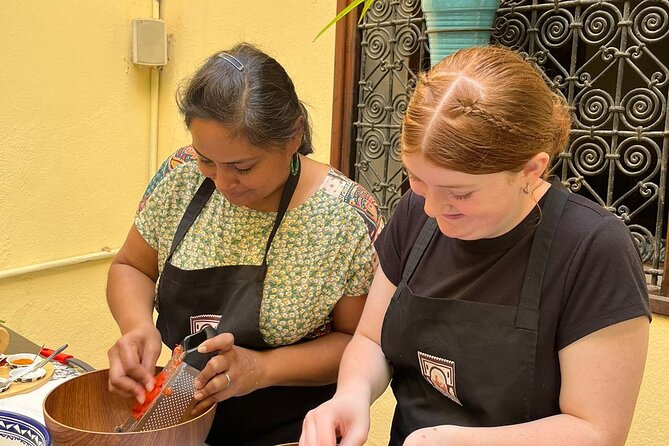
With a max of 12, the class can keep pace. It also increases the chance that the chef and host can answer questions and help adjust what you’re doing. And because you’ll shop and cook as a group, small numbers make the experience feel like a shared workshop rather than a factory line.
What’s not included (and why it matters)
Two clear things are not included:
- Transportation: you handle getting to the meeting point.
- Alcoholic drinks: you won’t get that as part of the package.
The good news: it’s described as near public transportation, so you’re not stuck if you’re using buses or taxis around the city. Still, plan how you’ll reach Hotel Batha comfortably—especially if your medina walking day has already been long.
Also note: bottled water is included, which is a small comfort when Fez is warm or your walk stretches longer than expected.
Practical tips to get more out of the class
A cooking class is a learning experience, but you can make it easier on yourself with a few smart moves.
- Wear shoes you can walk in. The souk area and medina streets can be uneven.
- Bring an open mind about spices. You’re learning Moroccan cooking methods, not just following a recipe.
- Use the preference question. When the host asks what you like, answer honestly. It affects your menu choices.
- Take notes quietly. You don’t need to turn it into a school assignment. Just jot down what ingredients stood out after the market.
- Plan a relaxed rest-of-day. The experience is described as half day, but expect to eat a lot more than you think you’ll eat.
And because there’s one strongly negative report in the mix claiming a scam issue related to duplicate listing behavior, I strongly recommend a simple step: double-check that the provider name and contact details match what you see in your booking confirmation, before you assume everything is identical across channels.
Who this fits best (and who might want a different plan)
This cooking class is a strong fit if you:
- Want a hands-on way to understand Moroccan cuisine.
- Enjoy learning through ingredients and then tasting the results.
- Like small-group experiences where you can ask questions.
- Prefer a half-day commitment that doesn’t wipe out your whole sightseeing plan.
It may be less ideal if you:
- Only want quick entertainment with no cooking involvement (this is meant to be active).
- Are hoping for alcohol included (it isn’t).
- Want a class that provides transportation from your hotel (you’ll need to arrange your own way to Hotel Batha).
Should you book the Fez Cooking Class?
I’d book it if you want the full Fez food experience: market ingredients, a real riad kitchen, and a menu you actually eat. The combination of small group size (max 12) and the full meal outcome—appetizers to dessert plus tea—makes it more than a one-off novelty.
I’d pause and verify booking details if you have any concerns from the negative reports you’ve seen online. A quick check against your confirmation details is enough to reduce risk.
Also, if your schedule allows, choose the time that matches when you want lunch or dinner. Eating what you cook is the payoff, and timing affects how the rest of your day feels after you’re full.
FAQ
FAQ
How long is the Fez cooking class?
It lasts about 3 hours.
What’s the group size limit?
The class has a maximum of 12 travelers.
Do I eat the food I cook?
Yes. After cooking, you sit down to enjoy the full menu you prepared, including appetizers through dessert, served with Moroccan hospitality and Moroccan tea afterward.
Is there a market visit?
Yes. You’ll visit the local souk in the old Medina to learn about ingredients on offer, then shop for the cooking workshop.
What’s included in the price?
Included items are coffee and/or tea, snacks, bottled water, all fees and taxes, and lunch or dinner if you book for lunch or dinner.
What isn’t included?
Alcoholic drinks are not included, and transportation is not provided.
Where do we meet?
You meet at Hotel Batha, Ave de La Liberte, Fes 30000, Morocco.
When does the activity end?
It ends back at the meeting point.
Is it near public transportation?
Yes, it’s described as near public transportation.
What’s the cancellation policy?
Free cancellation is available if you cancel at least 24 hours before the experience starts for a full refund.