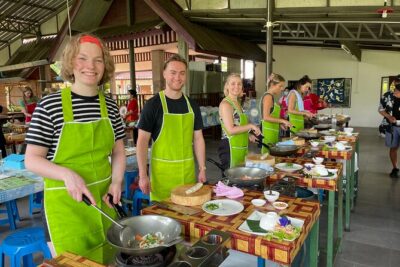
Fez smells like dinner before you even start cooking. This class starts in the local marketplace, then moves to a Moroccan kitchen to make classic dishes with a real focus on how spices and herbs work together. You’re not just eating good food. You’re learning why it tastes that way.
I like the market-to-kitchen flow because it forces you to pay attention to ingredients, not just recipes. I also like that the menu centers on Moroccan staples like couscous and tagine, with a spiced salad option such as zaalouk.
One thing to consider: pickup reliability can make or break your day. In at least one case, a guest reported waiting about 1.5 hours for pickup, with no one arriving, so I recommend building in a buffer and confirming the pickup details the day before.
In This Review
- Key highlights to know before you go
- Fez marketplace shopping: why it’s part of the magic
- The spice harmony lesson: what you’re really learning
- What you’ll cook in the Moroccan kitchen
- Couscous: the comfort classic
- Tagine: slow flavor, big payoff
- Moroccan salad: zaalouk-style salad concept
- How long you should plan for (and how to pace your day)
- Pickup and logistics: what works well and what to watch
- Price and value in plain terms
- Who this class suits best
- A realistic sense of what your day feels like
- FAQ
- FAQ
- How long is the Fez cooking class?
- Is pickup and drop-off included?
- What language help is available?
- What dishes will I learn to cook?
- Do I need to pay for admission?
- Is this a private tour?
- Is there free cancellation?
- Should you book this cooking class?
Key highlights to know before you go
- Market shopping first: You buy ingredients and spices before you cook, so the class starts with real context.
- Spice and herb education that sticks: Learn how aromatics like cumin, cinnamon, saffron threads, turmeric, and garlic shape flavor.
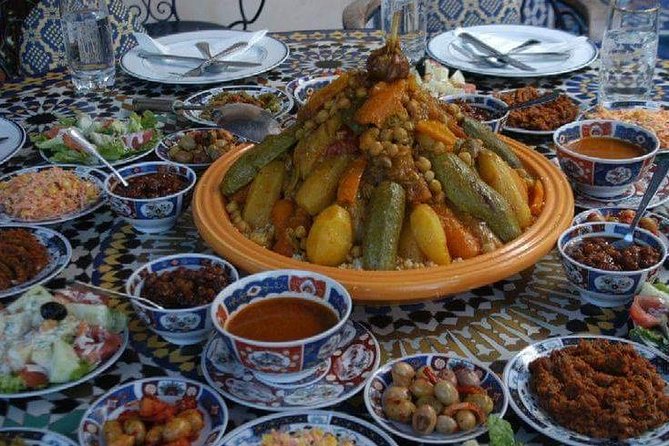
- Hands-on Moroccan classics: Expect couscous and tagine, plus a Moroccan salad such as zaalouk.
- English-French support for smooth communication: A professional English-French speaking driver is included.
- Private group experience: It’s only for your group, not a mixed crowd shuffle.
Fez marketplace shopping: why it’s part of the magic
This cooking class begins in Fez with a trip to the local market. That matters more than you might think. In Morocco, cooking isn’t just about measurements. It’s about recognizing ingredients by sight and smell, then understanding what you’re buying and why it fits the dish.
You’ll be picking up items for the class menu, including vegetables, beef, fish, and bird, along with the spices that make Moroccan food taste like Moroccan food. You also focus on fresh aromatics and pantry staples that get used constantly in North African cooking.
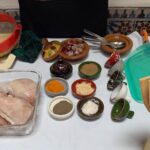
The spice list you’re exposed to is wide and very practical: ginger, black pepper, white pepper, cumin, cinnamon, candy and hot paprika, saffron threads, turmeric, nutmeg, fenugreek, coriander, thyme, and garlic. Even if you never cook with all of these at home, you’ll come away with a clearer sense of which ones lead the flavor and which ones support it.
I also like that the class doesn’t treat spices like an afterthought. You’re not handed a jar and told to dump it in. You’re introduced to the spices as part of a set, then you connect them to the dish you’ll make later.
One practical tip: markets can be busy, and you’ll likely be doing some walking and standing. Wear shoes you trust and keep your phone charged, since you may want to remember what you bought (or what you saw) once you’re back at the kitchen.
You can also read our reviews of more tours and experiences in Fez.

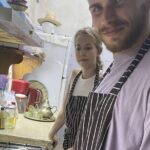
The spice harmony lesson: what you’re really learning
A lot of cooking classes teach a recipe. This one leans into something more useful: the harmony between spices and herbs. That means you learn not just what to add, but how combinations create a flavor profile.
Here’s the kind of thinking you’re picking up during a class like this:
- Spices don’t all hit at the same time. Some add warmth early, others add depth as they cook.
- Aromatics like garlic and ginger set a base that makes everything else taste more rounded.
- Saffron threads and turmeric aren’t interchangeable for mood and color. Even a small amount changes the character of the dish.
- Pepper types (black and white) don’t behave the same in terms of taste and bite.
The class also mentions food appreciation, presentation, and cultural awareness. In plain terms, that’s the difference between cooking a meal and learning how Moroccans see a meal. You’ll understand why certain flavor patterns show up across dishes, and why herbs and spices are treated as tools, not just seasoning.
If you’ve ever come home from a cooking class with a notebook full of steps you can’t repeat, aim for the “why.” This style of instruction is better for that.
What you’ll cook in the Moroccan kitchen
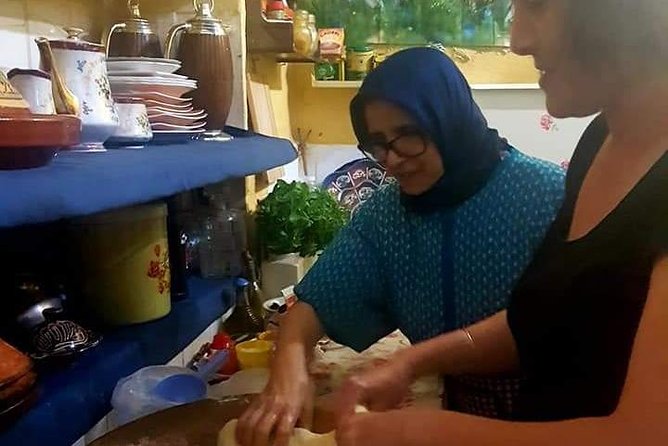
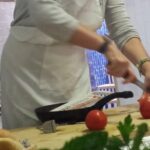
After the market, you head to a Moroccan kitchen where master chefs guide you through the dishes you’ll make. The description is clear that you’ll be involved in the cooking process with instruction, not just watching.
Couscous: the comfort classic
Couscous is one of Morocco’s best-known dishes. In a class setting, it’s a good choice because it teaches you about texture and seasoning as a complete system. You’re not just learning one sauce. You’re learning how the dish comes together and how the flavors integrate.
Even if you’ve had couscous before, a guided class helps you notice what makes a Moroccan couscous taste balanced instead of flat or overly spiced.
Tagine: slow flavor, big payoff
Tagine is another anchor of Moroccan cooking. The name often signals the dish and also the method: slow cooking that builds flavor over time. A class like this is valuable because you’ll taste the result of that patience in real form, and then you’ll learn how the seasoning is set up to hold through the cooking process.
If you’re the type who loves meals that taste even better as they cool, tagine lessons tend to stick with you.

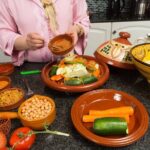
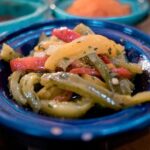
Moroccan salad: zaalouk-style salad concept
The class specifically notes that Moroccan salad varies from other salads, and it calls out zaalouk as an example: highly spiced but still tastier. So expect a salad that’s built around seasoning and bold flavor, not raw crunch.
That alone is a useful takeaway. Many people think “salad” in Morocco means lighter fare. But zaalouk-style dishes show how Moroccan salads can be warm, spiced, and deeply satisfying.
How long you should plan for (and how to pace your day)
Expect about 5 to 6 hours total. That’s long enough to do real cooking work and eat what you make, but not so long that you lose the whole day. Still, because the class includes market shopping and then cooking, your schedule can feel full.
This is the kind of activity that fits best when you’re staying in Fez for more than one day. If it’s your first day in town, I’d treat it as a great “food orientation” moment. If it’s your last day, make sure you don’t stack it with anything stressful right afterward.
You’ll also want to account for pickup time. Pickup is offered, and you’ll have air-conditioned vehicle transport along with bottle water. That helps, especially in warm weather.
Pickup and logistics: what works well and what to watch
The tour includes pickup and drop-off, plus a professional English-French speaking driver. That’s a big plus for clarity and comfort, especially if you’re not fluent in local languages.
The tour is also a private tour/activity, meaning only your group participates. That often leads to better pacing and more attention from the chefs.
Now for the part you should take seriously: one review reported an incident where the guest waited roughly 1.5 hours for pickup with no show, and follow-up calls didn’t connect. Nobody wants that kind of start to a cooking day.
How I’d handle this if I were booking:
- Confirm pickup details the day before you go, not just at booking.
- Be ready a little earlier than you think you need to be.
- Keep your phone available and charged.
- If you’re staying in a hotel, ask the front desk to help you track the driver timing on the day of the class.
This isn’t meant to scare you off. It’s meant to help you protect your vacation time. A cooking class is supposed to be relaxing. Your job is to reduce avoidable friction.
Price and value in plain terms
At $71.80 per person, this class sits in the mid-range for a real cooking experience with market shopping. The value case is strongest if you want more than a quick cooking demo.
Here’s where the price likely earns its keep:
- Market ingredient shopping gives the class substance. You’re learning with the raw inputs in front of you.
- Master chef instruction is part of the experience, not an extra you pay for separately.
- You’re cooking classic dishes like couscous and tagine, plus a Moroccan spiced salad such as zaalouk.
- Pickup, drop-off, and bottled water reduce the hassle cost for you.
- It’s private for your group, so you’re less likely to feel like you’re waiting your turn among strangers.
If you’re only interested in eating a meal without caring about the how, you’d probably be happier with a regular restaurant meal. But if you want a flavor education you can recreate, this class is a fair deal.
Also note: cancellation is free up to 24 hours in advance for a full refund. That gives you some insurance if plans change.
Who this class suits best
This experience makes the most sense for people who:
- Want hands-on cooking guidance rather than a simple tasting tour
- Enjoy spices, herbs, and learning how flavors work together
- Want a practical cultural experience connected to everyday Moroccan food
- Prefer a more focused private-group setup
It’s also a good fit for couples or small groups who want to cook together and compare notes while you’re learning.
If you’re traveling on a tight schedule and hate waiting around for pickups, you’ll need to manage that risk with the confirmation tips above.
A realistic sense of what your day feels like
Think of your timeline in chunks:
1) You start in Fez with buying ingredients and spices.
2) You shift to a Moroccan kitchen with master chef guidance.
3) You cook and learn about dish-building with a focus on spices and herbs.
4) The experience runs about 5 to 6 hours, ending back where it began.
Because the class includes instruction, food training, presentation, and food appreciation (as described), you should expect more than just chopping and stirring. You’ll likely spend time understanding what you’re making and how it’s meant to taste.
If you like learning through doing, you’ll enjoy it. If you only care about finishing fast, you might find it takes time to get everything right.
FAQ
FAQ
How long is the Fez cooking class?
It runs about 5 to 6 hours.
Is pickup and drop-off included?
Yes. Pickup and drop-off are included, and you’ll travel in an air-conditioned vehicle.
What language help is available?
The included driver is English-French speaking.
What dishes will I learn to cook?
You’ll focus on Moroccan classics like couscous and tagine, plus a Moroccan salad such as zaalouk.
Do I need to pay for admission?
No admission ticket cost is listed for this activity.
Is this a private tour?
Yes. It’s private and only your group participates.
Is there free cancellation?
Yes. You can cancel for a full refund up to 24 hours before the start time.
Should you book this cooking class?
I’d book it if you want a cooking day that teaches flavor, not just technique. The market start, the spice focus (cumin, saffron threads, turmeric, ginger, garlic, and more), and the chance to make couscous and tagine are strong reasons to choose this over a quick meal.
I’d hesitate only if your schedule is fragile or you can’t risk waiting for pickup. One reported issue involved a long wait for pickup that derailed the start of the day. If you’re booking, protect yourself: confirm the pickup details ahead of time and give yourself a small buffer.
If you’re ready to spend half a day learning how Moroccan spices work together, this is the kind of experience that can actually follow you home—straight into your next dinner plan.