REVIEW · FEZ
Cooking Class by Nzaha in Morocco
Book on Viator →Operated by nour · Bookable on Viator
Your tagine starts with a friendly market walk. This cooking class in Fes turns a home in the medina into your classroom, led by Mama Nazha and Nour, with hands-on coaching using traditional tools and locally sourced ingredients. I especially liked how the market stop and spice talk make Moroccan cooking feel practical, not mysterious.
I also like the payoff: you finish by eating what you cooked, with Moroccan tea and pastries, plus a recipe booklet you can actually use later. One consideration: private transportation isn’t included, so you’ll want to rely on the pickup offered or be ready to handle the last bits from public transit near Batha.
In This Review
- Key highlights worth knowing
- Cooking class in Fes: why this feels different
- Getting to Batha, Fes and making the timing easy
- Inside the market stop: the spice and ingredient lesson
- Hands-on cooking: tagine, couscous, and Moroccan salads
- The part people remember: spice balance and technique
- Your meal: tea, pastries, and eating what you made
- Cultural stories around the food
- Dietary needs: what they can accommodate
- Small group feel: better learning, less chaos
- Price and value: is $46.98 a fair deal?
- Weather and flexibility: small realities in Morocco
- What to ask before you book (so it fits your style)
- Should you book this cooking class by Nzaha?
- FAQ
- How much does the Cooking Class by Nzaha cost?
- Where does the experience start and end?
- How long is the cooking class?
- Is pickup offered?
- Is transportation included?
- What’s included in the price?
- What dishes will I cook?
- Can the class accommodate dietary restrictions?
- How many people are in the group?
- What if the weather is bad?
- What is the cancellation policy?
Key highlights worth knowing
- Small group size (max 12) keeps it personal and lets you ask questions while you cook
- Market visit included so you see what goes in your tagine before it hits the pot
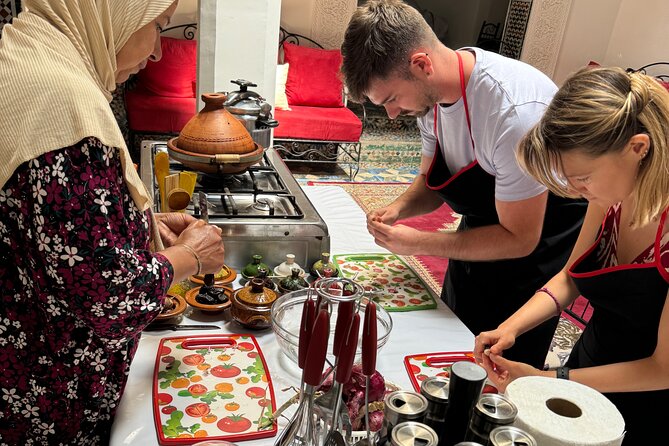
- Hands-on cooking with traditional utensils, not just a watching-and-snacking setup
- Spice balancing lessons explain how Moroccan flavor gets layered, not dumped in
- Meal at the end with Moroccan tea and pastries, plus a recipe booklet to take home
- Dietary options available like vegetarian, vegan, and gluten-free when you request ahead
Cooking class in Fes: why this feels different
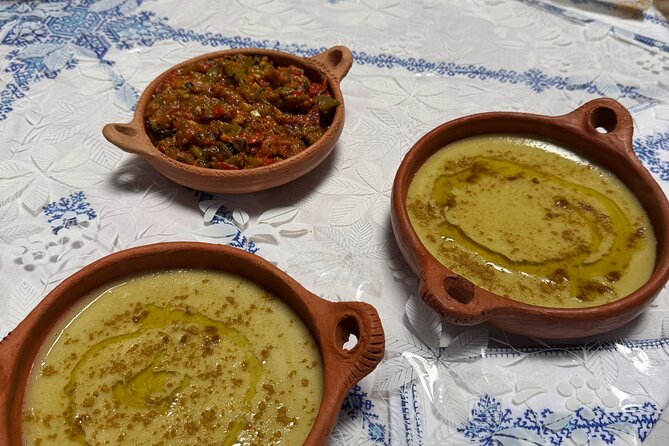
A Moroccan cooking class should teach you how flavors are built, not just how to follow steps. This one starts in a traditional setting in Fes and stays focused on classic dishes you’ll recognize, like tagine and couscous, plus Moroccan salads. You’re not just tasting your way through Morocco. You’re learning the logic behind the food.
What makes it work well is the mix of shopping, cooking, and eating. You get to learn what to choose in the market, then connect it to the techniques at home. That’s where most classes fall short: they either focus only on recipes or only on sightseeing. Here, the full loop—ingredients to finished meal—is the point.
You can also read our reviews of more tours and experiences in Fez.
Getting to Batha, Fes and making the timing easy
The experience starts at Batha, Fes, Morocco, and ends back at the meeting point. That round-trip structure is handy when you’re navigating the medina area, where it can be smart to avoid over-planning every turn.
You’ll also see two transportation clues in the fine print. There’s pickup offered, but private transportation isn’t included. In real life, that usually means you shouldn’t count on a car being able to drop you at the exact door like in a big city. Since it’s near public transportation, I’d plan on using your normal transit method plus whatever pickup they provide.
Timing-wise, the class runs daily during the listed hours window (Monday through Sunday, 9:00 AM to 8:30 PM). The tour duration is about 4 hours, so you’re looking at a real half-day commitment that fits nicely between sightseeing blocks.
Tip: with a medina home setup, wearing shoes you can walk in matters more than you’d think. You’ll be moving as part of the market and returning to cook.
Inside the market stop: the spice and ingredient lesson
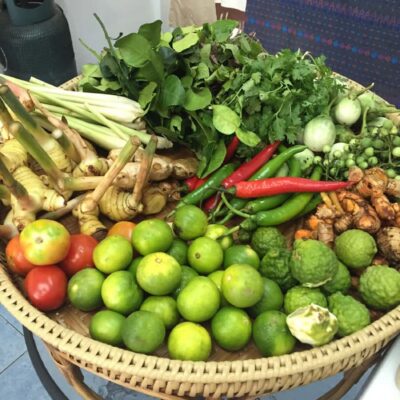
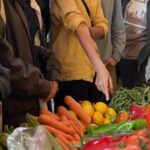
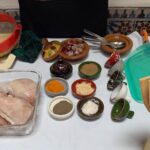
The included market visit is where you start learning how Moroccan cooking thinks. Since all ingredients for cooking are included, you’re not being asked to shop on your own. But you do go together with a guide, which changes everything—you learn what to buy and why.
In Moroccan kitchens, the spice story isn’t only about heat. It’s about balance and layering: earthy spices, fragrant herbs, and seasonings that work with vegetables and meats instead of covering them. You also get context for how these ingredients show up across different dishes, not just one recipe.
Even if you’re already into food, this part tends to give you new questions to ask at home. You’ll see ingredients up close and learn the kinds of selections you’d otherwise miss in a supermarket.
Hands-on cooking: tagine, couscous, and Moroccan salads
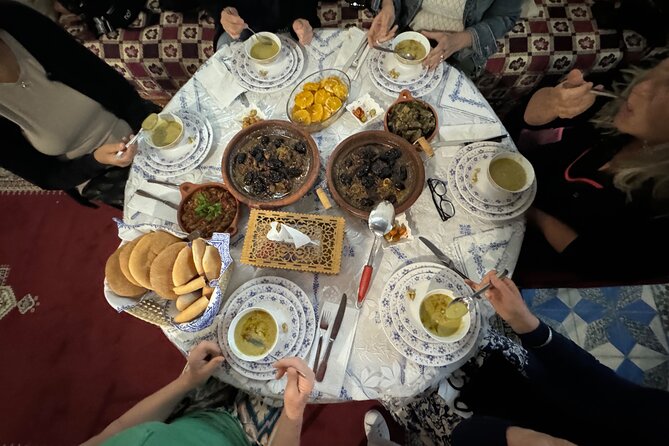
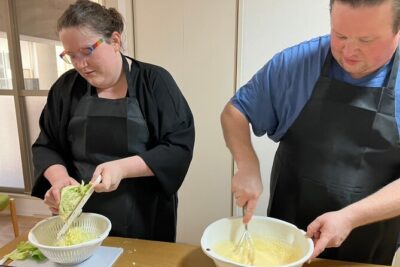
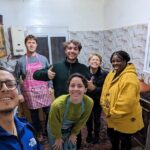
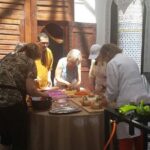
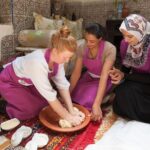
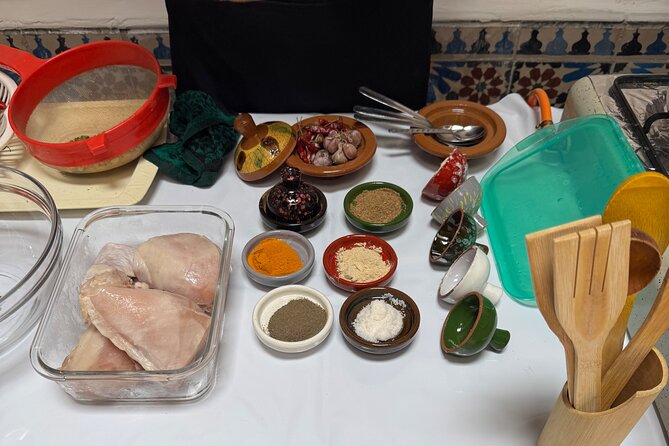
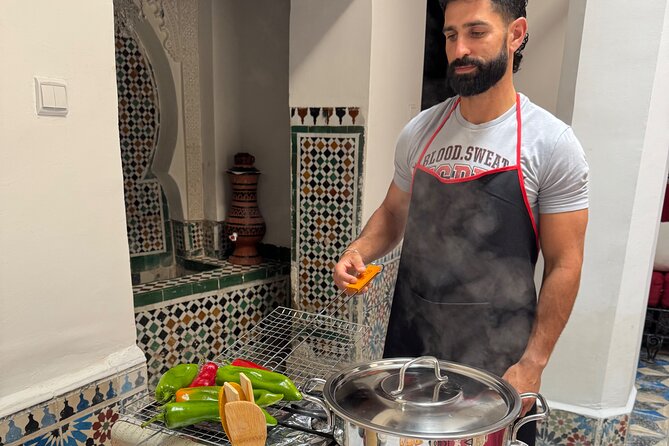
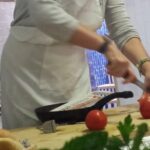
Once you’re back in the home kitchen, you shift from ingredient talk to muscle memory. The class is hands-on, with guidance from Nazha (Mama Nazha) and Nour. You’ll use traditional cooking techniques and utensils, which is one of the biggest reasons this type of class beats a demo.
You can expect classic dishes including:
- Tagine (the signature Moroccan slow-cooked dish)
- Couscous
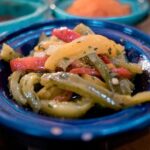
- A variety of Moroccan salads
On the flavor side, tagine teaches patience and sequencing. Couscous teaches timing and texture. Salads teach freshness and how Moroccan meals stay balanced—something cool alongside something slow-cooked.
If you’re the type who likes to understand what you’re doing (not just follow instructions), this is a good fit. Cooking with guidance lets you ask small questions as you go, like why one spice gets toasted or how something should taste before you adjust it.
The part people remember: spice balance and technique
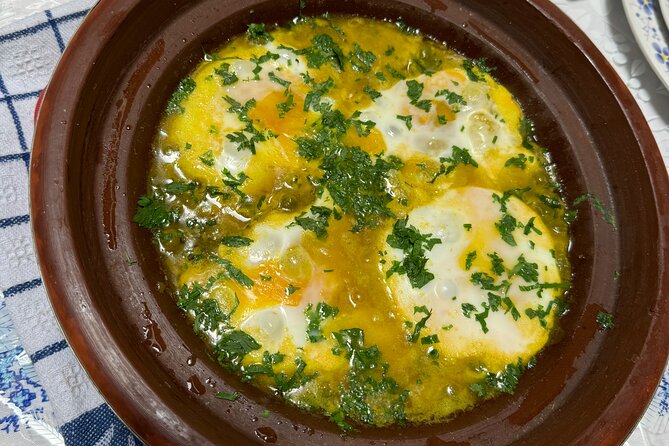
The best Moroccan dishes taste layered, not one-note. In this class, Mama Nazha explains the “why” behind the flavor. You’ll learn the secrets to getting the right balance and the art of using spices in a way that complements the main ingredients.
Here’s what that means for you as a home cook:
- You learn how Moroccan flavor gets built in stages, not dumped all at once.
- You understand that spice amounts aren’t universal. They depend on what you’re cooking and what else is in the pot.
- You get a framework for tasting and adjusting as you go.
Also, technique matters. Traditional utensils and cooking methods create a certain texture and depth. Even if you don’t have the exact tool at home, you’ll carry the method and the logic back with you.
Your meal: tea, pastries, and eating what you made
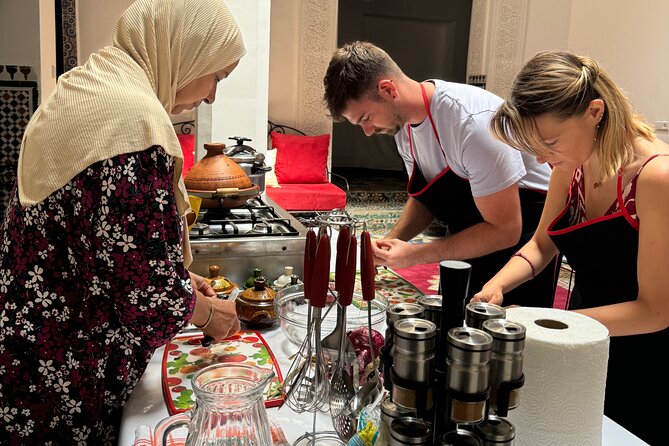
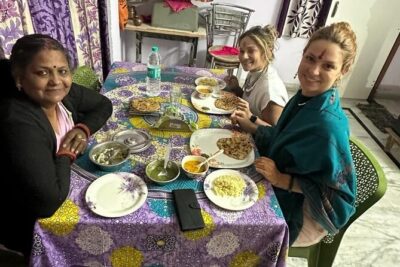
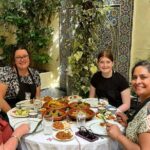
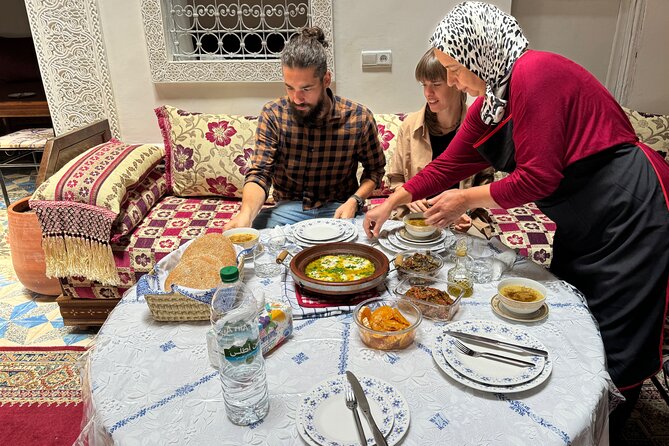
After cooking, you sit down to enjoy the meal you prepared. This matters more than it sounds. It’s not just the reward—it’s how the class connects instruction to reality. You can taste the final dish and understand what changed when you stirred, seasoned, or adjusted.
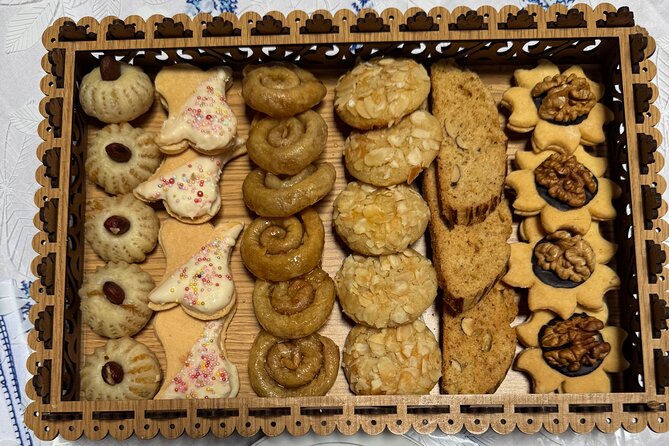
The experience includes traditional Moroccan tea and pastries. That’s a classic finishing combo in Morocco, and it helps stretch the whole meal into a relaxed social time instead of a rush to the next activity.
If you want a clear “what do I walk away with” answer, it’s this: you leave fed, educated, and with recipes you can follow later.
Cultural stories around the food
Food classes can become purely technical, like a cooking school with no human context. This one mixes cooking with cultural insight—customs, the role of food in bringing people together, and the meaning behind dishes.
You’ll also get personality in the room. Nour and Mama Nazha’s approach comes across as warm and personal, not scripted. That makes it easier to ask questions and learn without feeling rushed.
For me, this is the cultural win that lasts. A tagine recipe on paper is one thing. Understanding why certain flavors matter and how families talk about food is what makes you actually use what you learned.
Dietary needs: what they can accommodate
Moroccan cuisine can absolutely work for different diets, but only if the class handles it with care. This experience says they can accommodate vegetarian, vegan, and gluten-free diets if you indicate your requirements during booking.
Practical advice: when you book, write your needs clearly in the special requirements section. If you have allergies (not just preferences), include them too, since gluten-free needs are sometimes handled differently than “no meat” or “no dairy.”
Also, keep expectations realistic: not every Moroccan spice blend behaves the same across diets, so this works best when you communicate upfront.
Small group feel: better learning, less chaos
With a maximum of 12 travelers, you’re not stuck watching from the edges. You can actually participate, ask questions, and get individualized help when something isn’t going right.
This group size also supports a calmer kitchen rhythm. When cooking goes fast, people get stuck waiting. Here, the structure is set for you to stay involved from market to meal.
There’s also a nice chance you’ll share the table with other food-minded people. You’ll compare notes, ask what you should cook next at home, and leave with ideas instead of just one finished dish.
Price and value: is $46.98 a fair deal?
At $46.98 per person, this class feels reasonable for the amount you get—especially in Fes, where a lot of food experiences cost more once you add guides, ingredients, and a proper meal.
Here’s where the value shows up:
- You get a guided market visit
- You get all ingredients for cooking
- You get a hands-on class with traditional techniques
- You get tea and pastries
- You get a recipe booklet to take home
- The group stays small (max 12)
You’re not paying just for a passable meal. You’re paying for learning time plus the full dinner experience. For many travelers, that’s exactly what makes a cooking class worth it: you don’t leave hungry or confused.
Weather and flexibility: small realities in Morocco
The experience requires good weather. That doesn’t mean it cancels every time it looks cloudy, but it does mean you should keep an eye on your day’s forecast. If it’s canceled due to poor weather, you’re offered a different date or a full refund.
Good to know if you’re planning a tight schedule: because it’s a 4-hour block, try not to book it as your final activity before you leave town. Leave yourself a bit of breathing room.
What to ask before you book (so it fits your style)
Before you lock it in, think about what kind of cook you are. If you like hands-on lessons, this is your kind of day. If you prefer watching and chatting, you might still enjoy it, but the class is designed for participation.
Here are smart questions to consider when you book:
- Are you bringing any dietary needs (vegetarian, vegan, gluten-free)?
- Do you want to request specific dishes, if available, within the class structure?
- Are you comfortable getting around from the Batha meeting point using pickup or public transit?
This is also a good match if you want a Moroccan meal that feels personal—one that teaches you how to recreate it, not just where to eat it.
Should you book this cooking class by Nzaha?
Yes, if you want a real Moroccan cooking experience in Fes with hands-on instruction, a market stop, and a full meal at the end. You’ll leave with more than memories—you’ll leave with a recipe booklet and the confidence to cook tagine and couscous flavors yourself.
I’d skip it only if you dislike cooking activities or you’re determined to avoid any walking around the medina area. Also, if your travel dates are extremely inflexible, remember the good-weather requirement.
For most people, though, this is a strong value choice. You’re paying for ingredients, instruction, and dinner in one smooth package, guided by Mama Nazha and Nour in a home setting that feels like learning from family.
FAQ
How much does the Cooking Class by Nzaha cost?
The price is $46.98 per person.
Where does the experience start and end?
It starts at Batha, Fes, Morocco, and ends back at the same meeting point.
How long is the cooking class?
The duration is approximately 4 hours.
Is pickup offered?
Yes, pickup is offered.
Is transportation included?
Private transportation is not included.
What’s included in the price?
The experience includes a guided market visit, dinner-guided activities, all ingredients for cooking, hands-on cooking class time, a recipe booklet, traditional Moroccan tea, and pastries.
What dishes will I cook?
You’ll learn to prepare classic Moroccan dishes such as tagine, couscous, and a variety of Moroccan salads.
Can the class accommodate dietary restrictions?
Yes. They can accommodate vegetarian, vegan, and gluten-free needs if you indicate them in the special requirements section at booking.
How many people are in the group?
The group has a maximum size of 12 travelers.
What if the weather is bad?
The experience requires good weather. If canceled due to poor weather, you’ll be offered a different date or a full refund.
What is the cancellation policy?
You can cancel for free up to 24 hours in advance for a full refund. If you cancel less than 24 hours before the start time, you won’t receive a refund.