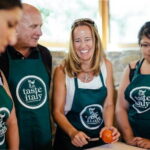
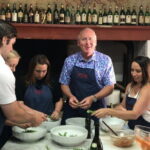
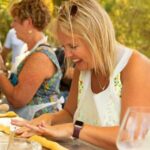
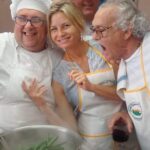
Flour, eggs, and hands-on pasta magic. This Florence cooking class is a practical, friendly way to learn handmade vegetarian pasta and finish with classic Tuscan tiramisu, all in about 2.5 hours.
I love the step-by-step pasta coaching, from rolling dough to shaping fettuccine and filling ravioli. I also love that the meal includes unlimited red or white wine, so the whole session feels like cooking with friends, not just following instructions.
One consideration: if you want every step to be purely hands-on from start to finish, you might find the chef takes over a bit during busier moments, especially with timing and consistency.
In This Review
- Key highlights you’ll care about
- A vegetarian Florence cooking class built around real technique
- Meeting on Borgo Pinti and getting into the right mood
- Handmade fettuccine: rolling, shaping, and pairing with San Marzano
- Filled ravioli: spinach and cheese, with butter and sage
- Tiramisu in a classic Tuscan style: mascarpone, espresso, cocoa
- How the chef’s style shapes the whole experience
- What you eat (and why the meal format is smart)
- Price and value: $34.85 for food, technique, and chef time
- Who this Florence class is best for
- Should you book this vegetarian pasta and tiramisu class?
- FAQ
- How long is the Florence vegetarian cooking class?
- What dishes will I learn to make?
- Is the class vegetarian?
- Are wine and meals included?
- Is the class offered in English?
- Where do I meet for the class?
- What is the cancellation policy?
Key highlights you’ll care about
- Two iconic pasta shapes: handmade fettuccine and filled ravioli
- Tuscan flavors on the plate: San Marzano tomato sauce plus butter and sage
- Tiramisu build-your-own style using mascarpone, espresso-soaked biscuits, and cocoa
- Unlimited red or white wine included with your meal
- Small group size (max 15) helps you get questions answered in real time
- English-led instruction with a professional chef, listed as Sironi Alessandro
A vegetarian Florence cooking class built around real technique
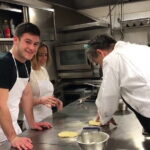
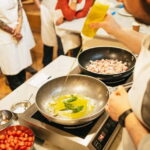
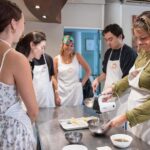
This isn’t a fancy food tour where you snack and watch. You’re in the kitchen making the key items yourself: fettuccine and filled ravioli, both vegetarian, plus tiramisu for dessert.
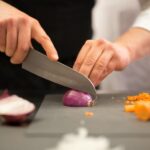
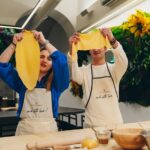
The backbone is technique. You start with basics like flour and eggs, then learn how to knead dough until it’s workable, roll it into thin sheets, and shape it into recognizable pasta. The goal isn’t perfection on day one. It’s learning a repeatable process you can use later at home.
Because the group is kept small (up to 15), the chef can spot what’s going wrong—dough too sticky, sheets too thick, edges not sealing—and correct it while you’re still in the flow. That matters if you’re a beginner.
You can also read our reviews of more tours and experiences in Florence.
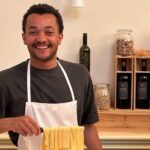
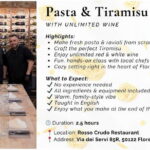
Meeting on Borgo Pinti and getting into the right mood
You meet at La Carbonata Del Porrati, Borgo Pinti, 95R in Florence. The session ends back at the same meeting point, so you don’t have to worry about an awkward commute afterward.
You also get a big signal about the vibe right away: alcohol is part of the plan, with unlimited red or white wine included. That turns the class into a relaxed, convivial meal-time experience rather than a strict cooking workshop. If you’re someone who enjoys conversation while you work, you’ll probably feel at ease fast.
One practical note for your schedule: this is about 2 hours 30 minutes. Plan your day so you’re not racing across Florence afterward. You’ll finish by eating what you cook, so you can treat this as a full food stop.
Handmade fettuccine: rolling, shaping, and pairing with San Marzano
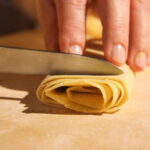
The first pasta focus is fettuccine, made from scratch. Expect a full sequence rather than a shortcut: you work the dough, roll it into sheets, and shape it into the familiar ribbon style.
What I like about this part is that it forces you to learn how dough behaves. Flour absorption, gluten development, thickness while rolling—those are the things that make homemade pasta taste different from store-bought. Even if you don’t nail every step, you’ll understand what to adjust next time.
Then you get a classic pairing: fettuccine with San Marzano tomato sauce. San Marzano is famous for a reason—its tomato character is more expressive and less harsh than many canned options. When you cook pasta alongside that sauce, you learn what “proper” pairing means in real terms: how sauce clings, how flavors balance, and how salt and timing affect the final bite.
Filled ravioli: spinach and cheese, with butter and sage
The second pasta highlight is ravioli filled with spinach and cheese, cooked with butter and sage. This is where the class gets hands-on in a different way than fettuccine.
Making ravioli is more about precision: placing filling in the right amount, shaping pieces evenly, and sealing so they don’t open during cooking. You’ll learn the method behind the look of Italian nonnas—traditional habits passed down because they work.
The butter and sage part is also useful. It teaches you a flavor approach that feels very Tuscan and very simple: warm butter, fragrant sage, and a sauce that doesn’t overpower delicate pasta. If you think you need heavy tomato sauce for everything, this is a good counterpoint that shows how herbs and fat can carry the meal.
This is also the portion where you may notice the chef stepping in more often—time matters with dough and filling consistency. That’s not a dealbreaker, but it’s good to know if you want maximum independent control.
Tiramisu in a classic Tuscan style: mascarpone, espresso, cocoa
Once pasta is done, the class switches gears to dessert: classical Tuscan tiramisu. You build your own version by layering mascarpone, espresso-soaked biscuits, and cocoa.
The practical value here is how the components work together. Mascarpone adds richness and body. Espresso adds bitterness and depth. Cocoa brings that finishing bitterness and fragrance. The secret is balance—enough soak to soften without turning the dessert into paste.
I also like that the class frames tiramisu as more than a trend. You’re guided through the dessert’s origins as you make it, so you leave with context, not just instructions. It’s a small add-on, but it makes the dessert feel grounded in Italian food culture.
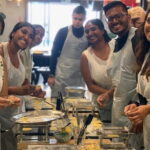
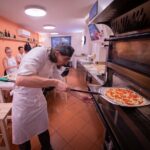
How the chef’s style shapes the whole experience
The experience is led by a professional chef. The provider is listed as Sironi Alessandro, and one past participant referenced a chef named Kevin in their notes, which hints that the instruction is direct and personality-driven.
In practical terms, what you want from a cooking teacher is feedback you can use immediately. Based on the tone of the experience, you should get that: advice on dough texture, comments on how to shape properly, and encouragement when things don’t look right at first.
You may also hear more than just cooking tips. Some sessions include explanations tied to Florence—how food connects to local traditions and how people talk about what they cook. That turns a 2.5-hour meal into something that gives you a little city context too.
And yes, wine flowing during the cooking helps. It makes people chat, relax, and ask questions instead of freezing up over mistakes.
What you eat (and why the meal format is smart)
This class includes meals, and you eat what you cook. Your plate is essentially the full concept: fettuccine with San Marzano tomato sauce, spinach-and-cheese ravioli with butter and sage, and Tuscan tiramisu.
That matters for value. You’re not paying for instruction and then going somewhere else hungry. The meal is built into the timing, and the unlimited wine is included alongside it.
Because it’s all part of one experience, you also get a better learning loop. You cook something, you taste it while it’s fresh, and you can connect flavor and technique instantly. That’s how you remember it later when you try to recreate it at home.
Price and value: $34.85 for food, technique, and chef time
At $34.85 per person, this class can feel like a bargain once you break it down. You’re paying for multiple ingredients and pieces of equipment, a pro chef running the session, and a full meal you actually consume.
The unlimited wine is a major part of the value equation if you drink. Even if you only have a glass or two, it lowers the pressure of the day and makes the class feel like a shared experience rather than a transaction.
The other value factor is the small group size (max 15). In larger groups, questions can get delayed and corrections get generic. Here, you’re more likely to get real-time coaching when you need it.
Could you find cheaper cooking basics? Maybe. But if you want a structured, hands-on class that ends with dessert and includes wine and a full meal, this one looks priced for a fair, fun afternoon.
Who this Florence class is best for
I think this is a great fit if you want a memorable food experience without needing advanced skills. The format works for solo travelers who want conversation, couples who like shared activities, and groups who enjoy a social kitchen.
It’s also a good choice if you’re vegetarian and want Italian cooking that actually matches your diet. The dishes are clearly veggie-focused: spinach and cheese ravioli and a vegetarian-friendly approach to pasta-making, plus tiramisu.
If you’re an experienced cook, you might find parts are more guided than you’d prefer. Still, you’ll likely appreciate the method-based approach and the chance to compare your technique against Italian staples like fresh fettuccine and sage-butter ravioli.
If you’re very sensitive to alcohol, just plan your pace. Wine is included and available during the class, so it’s worth deciding in advance how you want to handle it.
Should you book this vegetarian pasta and tiramisu class?
Book it if you want a hands-on Florence food experience with a clear payoff: pasta you shape yourself and a dessert you assemble yourself. The small group size, English instruction, and the combination of fettuccine + ravioli + tiramisu make it feel like one complete afternoon, not a quick demo.
Skip it if you’re chasing a long, quiet culinary lecture or you want every second to be purely self-guided with no chef assistance. This is practical and social. The chef keeps things moving, and timing comes first.
FAQ
How long is the Florence vegetarian cooking class?
The class runs for about 2 hours 30 minutes.
What dishes will I learn to make?
You’ll learn to make handmade vegetarian pasta fettuccine and filled ravioli, and you’ll also make classical Tuscan tiramisu.
Is the class vegetarian?
Yes. The pasta and menu items are vegetarian, including fettuccine with San Marzano tomato sauce and ravioli filled with spinach and cheese.
Are wine and meals included?
Yes. Meals are included, and you get unlimited red or white wine.
Is the class offered in English?
Yes, the experience is offered in English.
Where do I meet for the class?
You meet at La Carbonata Del Porrati, Borgo Pinti, 95R, 50121 Firenze FI, Italy, and the activity ends back at the meeting point.
What is the cancellation policy?
You can cancel for free up to 24 hours in advance for a full refund. If you cancel within 24 hours of the start time, the amount paid is not refunded.
You Might Also Enjoy
More Tour Reviews in Florence
- Cooking Class and Lunch at a Tuscan Farmhouse with Local Market Tour from Florence
★ 5.0 · 4,831 reviews