REVIEW · OAXACA DE JUAREZ
Oaxaca: Cooking Class with No Set Menu &Local Market Tour
Book on GetYourGuide →Operated by Oscar Carrizosa · Bookable on GetYourGuide
Fresh pasta isn’t the point here. In Oaxaca, you’ll pick the dishes with your group and cook them hands-on with guide Oscar Carrizosa. What I love most is the no-set-menu freedom, which means you learn what your group actually wants to make, and you get real participation, not the sit-and-watch kind.
I also like how active it stays all the way through—dicing, frying, seasoning, grinding, and even peeling seeds—so you go home with techniques you can repeat later. One thing to consider: because the menu is chosen together, the exact dishes and workload can shift by group interest and what’s practical that day.
In This Review
- Key Points Before You Go
- How the No-Set-Menu Approach Works in Real Life
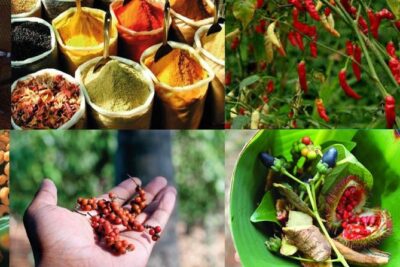
- Market Tour: Where Ingredients Explain the Dish
- Cooking With Your Hands: Dicing, Frying, Grinding, and Seasoning
- Technique Lessons You Can Actually Reuse Later
- Vegetarian and Gluten-Free Options (Without Making It a Separate Event)
- What Your Final Meal Tastes Like (Because You Made It)
- Oscar Carrizosa and the Small-Group Advantage
- Price and Value: Is $80 Worth It?
- Who This Class Suits Best in Oaxaca
- A Few Practical Tips So You Get the Most
- Should You Book This Oaxaca Cooking Class?
- FAQ
- How long is the Oaxaca cooking class and market tour?
- Is there a fixed menu for the cooking class?
- What’s included in the price?
- Can I request vegetarian or gluten-free options?
- What languages are offered during the experience?
- How large is the group?
- Is free cancellation available?
Key Points Before You Go
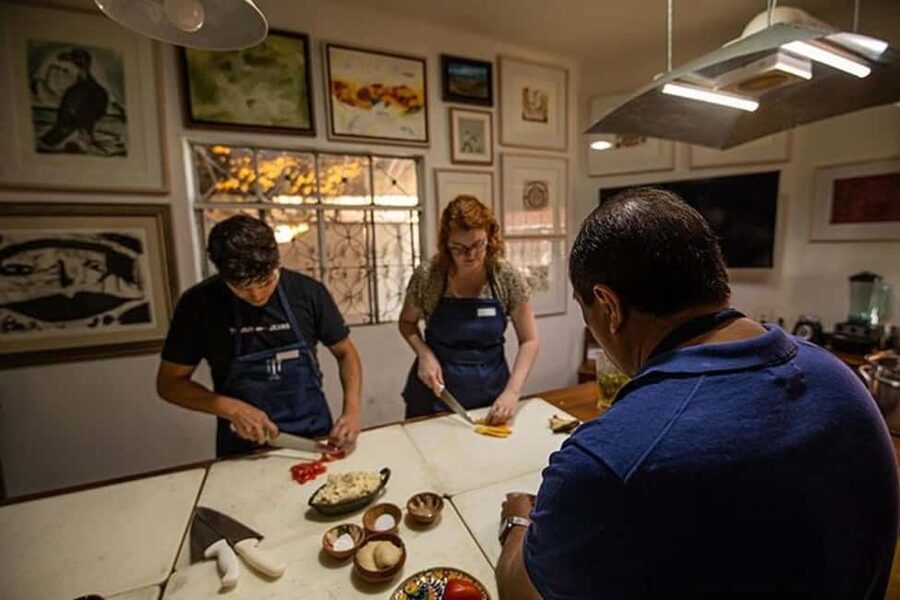
- No fixed menu means your group helps choose the traditional dishes you’ll cook
- Hands-on tasks include dicing, frying, seasoning, grinding, and more
- Local market tour gives context for ingredients before the cooking starts
- Dietary options include vegetarian and gluten-free choices when you select the menu
- Small group size (max 15) keeps the class feeling interactive
- Bilingual instruction (English/Spanish) with guide Oscar Carrizosa
How the No-Set-Menu Approach Works in Real Life
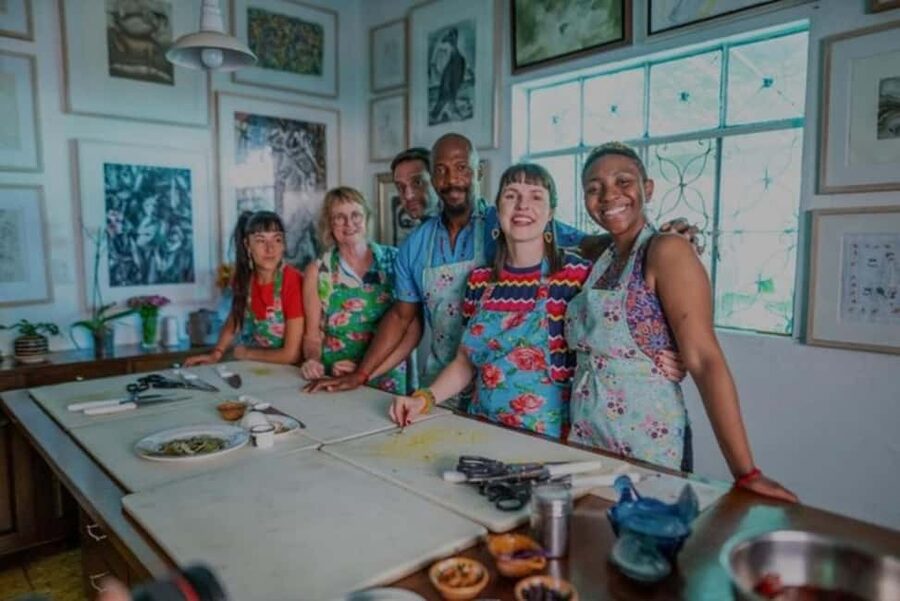
The biggest reason this class feels different is simple: there isn’t one predetermined list of dishes you have to follow. Instead, you and the group choose from traditional options, and the instructor helps steer the decisions. That flexibility matters because Oaxaca cooking isn’t one-size-fits-all. People arrive with different spice tolerances, ingredient preferences, and ideas of what they want to learn, and this format turns that into part of the experience.
In practice, the menu choice also affects pacing. If your group leans toward more hands-on items that require more prep, you’ll feel it in the workload. If you lean toward dishes that come together faster, you’ll probably spend more time on technique and tasting. Either way, you’re learning the “why” behind each dish, not just copying steps.
It also means you’re not stuck with something you’d never order. When Oscar talks through ingredient options at the market and again during prep, you can ask questions in the moment and make a menu decision that actually fits your taste.
You can also read our reviews of more tours and experiences in Oaxaca De Juarez.
Market Tour: Where Ingredients Explain the Dish
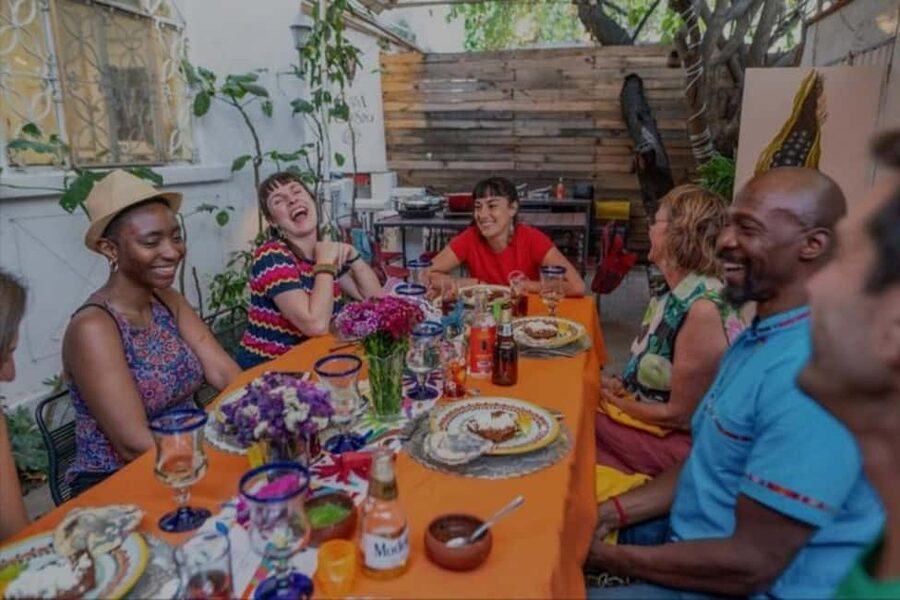
The tour includes a local market stop, and it’s not there as a photo break. The market is where you start connecting ingredients to food. Oscar points out what’s used and why, so later, when you’re chopping or seasoning, you know what you’re working with instead of following commands blindly.
This is especially helpful in Oaxaca because many ingredients are unfamiliar if you usually cook in English-language grocery stores. Even if you recognize a few basics, the market context helps you understand the role they play in flavor and texture. You’ll also see the logic of what pairs well, which makes the cooking class feel like a coherent story rather than isolated recipes.
One practical plus: the class is designed so you can move from market to cooking without switching gears too abruptly. You’re already thinking about flavors, not just “what do I do next.”
Cooking With Your Hands: Dicing, Frying, Grinding, and Seasoning
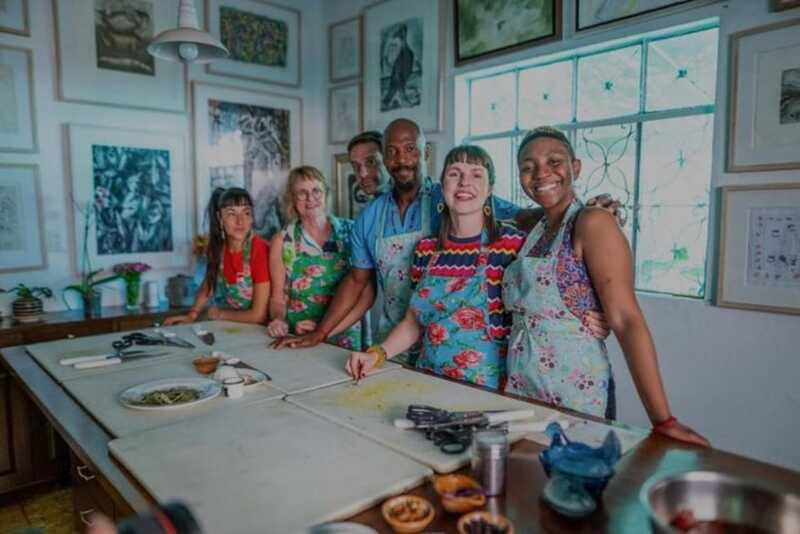
This is a hands-on class in the real sense. You’ll be actively involved throughout, and nobody gets stuck on the sidelines. Expect tasks like dicing vegetables, peeling seeds, frying, seasoning, and grinding. Those are not just “fun chores.” They’re the foundation of how many traditional dishes get built.
Here’s what that changes for you as a cook:
- You learn the rhythm of prep, not just the final steps. Small differences in dicing size can affect cooking speed and texture.
- Seasoning becomes a skill, not a measurement. You learn how flavors come together as you go, instead of waiting for a finished flavor at the end.
- Grinding adds a whole other layer of understanding. When you do it yourself, you notice how texture changes the feel of sauces and pastes.
Oscar’s role is key here: he explains what you’re doing and why, and that makes it easier to avoid the common beginner mistake of just trying to finish quickly. The goal isn’t speed. It’s control.
And yes, there’s also room for silly joy if you feel like it. The experience can include singing if you want to, which tells you the vibe: you’re meant to participate, not perform.
Technique Lessons You Can Actually Reuse Later
The class doesn’t just hand you a list of ingredients. It teaches technique in a way that carries beyond this single meal. When your menu is selected together, you’re also learning adaptable skills. For example, once you’ve practiced seasoning during frying, you can apply that same approach to other dishes at home.
You’ll also understand how ingredient handling affects outcomes. Peeling seeds, grinding, and chopping aren’t glamorous, but they’re where traditional flavor often starts. Doing these steps yourself helps you build a mental map of what changes when the texture changes, or when a spice hits hot oil.
Another smart detail: you don’t have to worry about dishwashing. That keeps the class focused on cooking and eating, and it prevents the experience from turning into an endless cleanup session.
Vegetarian and Gluten-Free Options (Without Making It a Separate Event)
If you’re vegetarian or avoiding gluten, you’re not locked out. The menu can be adjusted for a vegetarian applicable menu, and a gluten-free option is available. Importantly, these adjustments are tied to the menu selection process, so you’re still cooking within the same class structure.
That matters because it avoids the “special meal on the side” feeling. Instead, the course works like a single group experience with tailored choices. You’ll still learn the same cooking logic and get involved in the same style of prep.
If dietary needs are part of your planning, this class is one of the easier ways to eat well in Oaxaca without sacrificing hands-on learning.

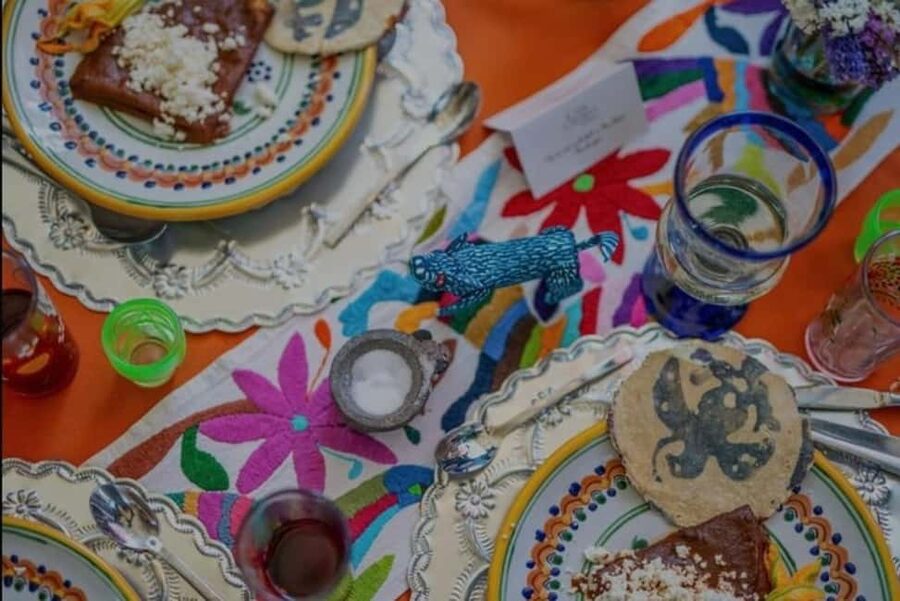
What Your Final Meal Tastes Like (Because You Made It)
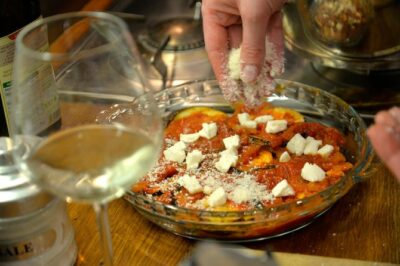
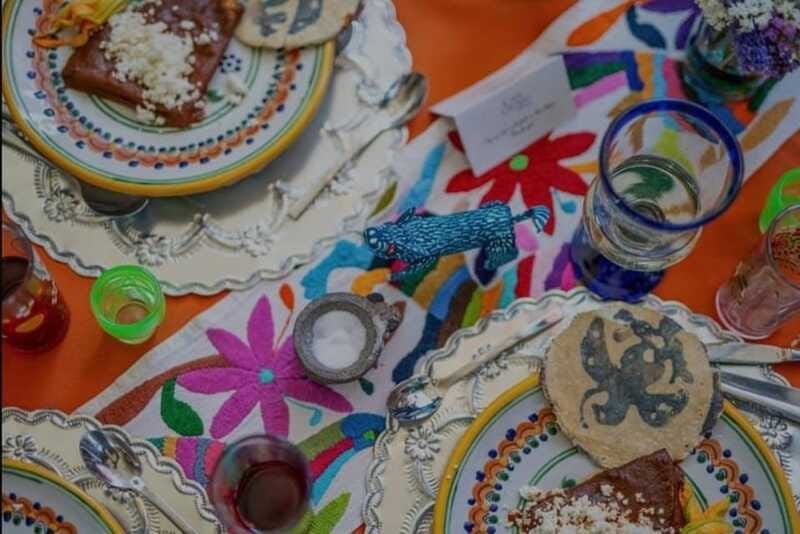
The experience ends with the meal you help prepare. That’s not a throwaway “and then you eat.” This structure changes how you taste. You’re tasting with context—what you did, what you changed, what the market ingredient selection meant, and how the dish evolves through prep.
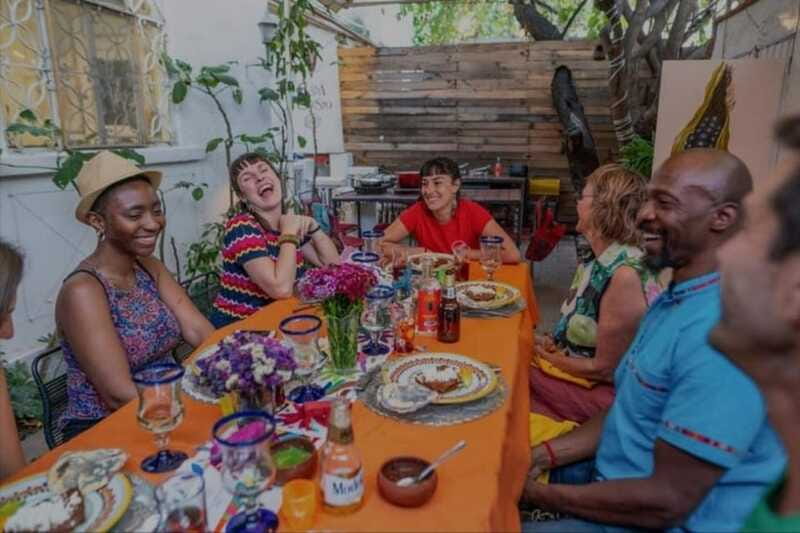
You’ll also get to enjoy the cooking results with your group, which is usually where the fun energy peaks. Several people have mentioned the amount of food as a highlight, and honestly, for a 4.5-hour class where everyone participates, you should expect to leave comfortably full.
Oscar Carrizosa and the Small-Group Advantage
The instructor for this experience is Oscar Carrizosa, and the tone is consistently described as patient and detailed. People really liked how Oscar explained things at the market and while cooking, and how he offered menu options that the group decided together.
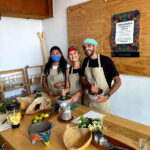
With a maximum of 15 travelers, you’re more likely to get direct help when you need it. That small size matters because hands-on cooking can get confusing fast if there’s no room for questions. Here, it’s easier to keep up, and the class feels like a shared activity rather than a production line.
Language is also handled thoughtfully. Instruction is available in English or Spanish, and the group preference guides which language you’ll use.
Price and Value: Is $80 Worth It?
At $80 per person for about 4.5 hours, you’re paying for more than recipes. You’re paying for:
- A local market tour with ingredient explanation
- All ingredients included
- Complimentary drinks
- A live instructor who guides both market understanding and in-kitchen technique
- Active cooking participation (not just observation)
- Vegetarian and gluten-free options when the menu is selected
The value equation here is the combination of time + included food + instruction style. You’re essentially getting a structured half-day experience with no extra shopping to figure out, no ingredient costs on top, and enough guided practice to feel like you learned skills—not just ate a meal.
If you enjoy cooking, Oaxaca food culture, or you like learning by doing, this is one of those “worth it because it’s interactive” options.
Who This Class Suits Best in Oaxaca
This is a great fit if:
- You want a cooking class that feels hands-on and interactive
- You like flexibility and don’t want a rigid set menu
- You’re interested in traditional Oaxacan dishes and how ingredients connect to flavor
- You care about getting explanations in English or Spanish
- You want a meal that directly comes from your own work
It might not be ideal if you prefer super structured classes where every step is guaranteed in advance. Since the menu is chosen together, your exact dish lineup depends on group decisions.
A Few Practical Tips So You Get the Most
You’ll enjoy this more if you go in ready to participate. Bring a mindset of learning, not perfection. Dicing and frying are hands-on by nature, and the class is designed around doing, not just watching.
Also, if you have dietary needs, plan to communicate them as part of the menu selection process. The class can accommodate vegetarian and gluten-free choices, but the smoother it is to align with the chosen menu, the more seamless the cooking experience stays.
Finally, go hungry for the full schedule. With a market tour and a full hands-on cooking block, you’ll likely work up an appetite and then sit down to the meal you made.
Should You Book This Oaxaca Cooking Class?
I’d book it if you want a small-group, ingredient-focused experience where you learn by doing. The no-set-menu format is a real advantage because it keeps the class aligned with what your group wants to cook, and it makes ingredient learning more meaningful. Add in the active tasks, the included ingredients and drinks, and the fact that you get to eat what you cook, and the value starts to make sense quickly.
Skip it only if you prefer a totally fixed menu with zero variability. Otherwise, this is the kind of Oaxaca experience that turns food culture into practical skills you can actually take home.
FAQ
How long is the Oaxaca cooking class and market tour?
It lasts about 4.5 hours.
Is there a fixed menu for the cooking class?
No. The group chooses which traditional dishes to prepare, so there is no set menu.
What’s included in the price?
The price includes all ingredients, a local market tour, complimentary drinks, and a live guide available in English or Spanish.
Can I request vegetarian or gluten-free options?
Yes. A vegetarian applicable menu is available, and there is also a gluten-free option.
What languages are offered during the experience?
Instruction is available in English or Spanish, based on the group’s preference.
How large is the group?
The experience has a maximum of 15 travelers.
Is free cancellation available?
Yes. You can cancel up to 24 hours in advance for a full refund.