REVIEW · FLORENCE
Florence: Cooking Class with Local Food Market Tour
Book on GetYourGuide →Operated by Towns of Italy · Bookable on GetYourGuide
Want to learn Italian food the hands-on way. This Florence cooking class pairs a Central Market walk with real kitchen time, so you shop for ingredients like locals and then turn them into a full Tuscan meal with Chianti. It’s also the original class with a Nonna Wilma legacy running for over 20 years, which shows in how personal and methodical the teaching feels.
What I like most is the market-to-table flow: tastings and ingredient talk aren’t separate from cooking. Second, the instruction is truly hands-on—you’re rolling pasta, building sauces, and making tiramisù from scratch with a chef guiding your hands, not just watching a demo.
One consideration: this class is not suitable for celiacs or gluten intolerance, since wheat-based ingredients are part of the core menu (including the fresh pasta work).
In This Review
- Key things to know before you go
- Central Market shopping with a Nonna-style food mindset
- The cooking school setup: tools, pacing, and no “sit and watch”
- Nonna’s lasagna workshop: fresh pasta and Bolognese ragù
- Rolling fresh pasta and shaping real Italian cooking skills
- Tiramisù from scratch: the dessert that feels like a celebration
- Wine with your meal: turning cooking into an actual table moment
- Small group energy and how to get the best results
- Price and value: what $63 buys you in Florence
- Who should book this cooking class (and who should skip it)
- Shorter options if you’re short on time
- Should you book the Florence market-to-table class?
- FAQ
- How long is the Florence cooking class?
- What is the price per person?
- Does this experience include a market tour?
- Is the cooking part hands-on?
- What do you cook during the class?
- Are vegetarian options available?
- Is it suitable for celiacs or gluten intolerance?
- Is the class suitable for vegans?
- Are pets allowed?
- What if I’m traveling with children or teens?
- Is cancellation free?
Key things to know before you go
- Central Market shopping with tastings, so you understand what you’re buying and why it matters
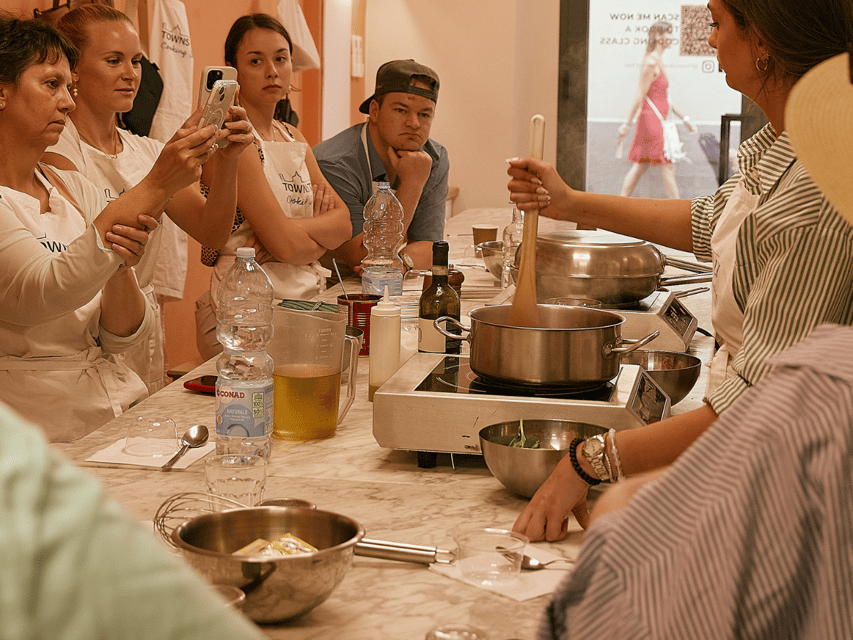
- 100% hands-on cooking, including fresh pasta work and tiramisù from scratch
- Nonna’s lasagna workshop, described as a handmade UNESCO-protected tradition
- Small-group feel that makes it easier to ask questions while you cook
- Wine with your meal, plus a sweet dessert wine finish
Central Market shopping with a Nonna-style food mindset
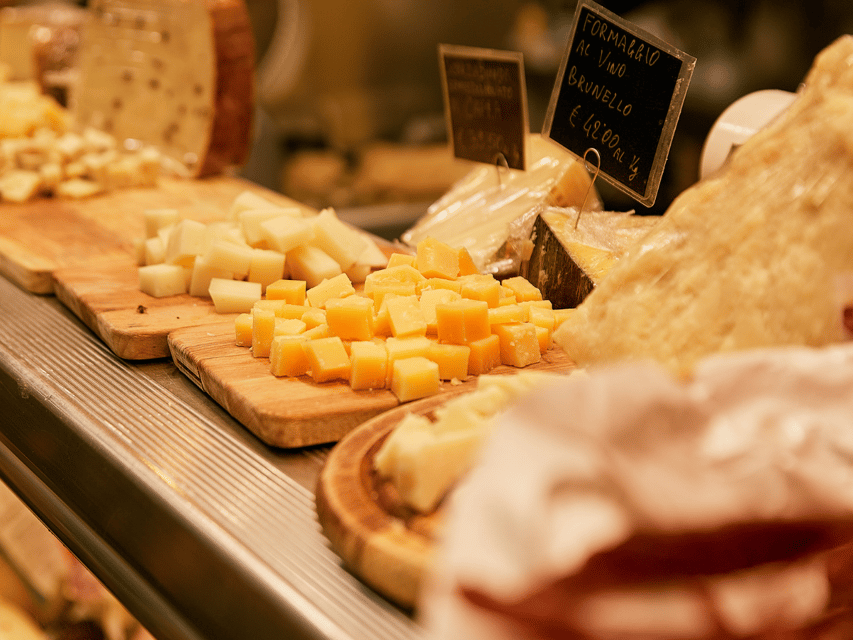
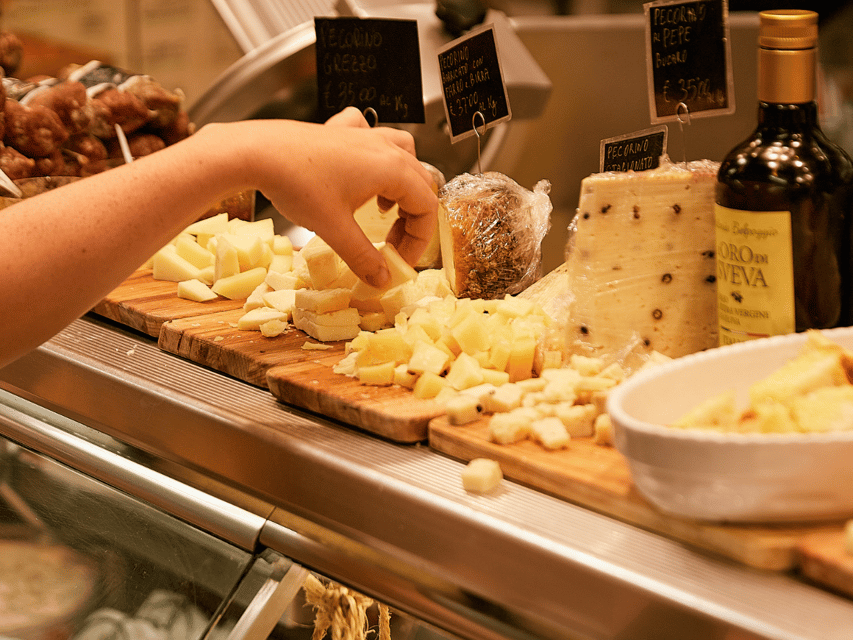
The experience starts in Florence’s historic Central Market area, with an English-speaking chef guiding you through stalls the way Italian home cooks do it: by looking, asking, and comparing. This is not just photo-taking. You learn what to look for in cheeses, cured meats, seasonal produce, and pantry staples like olive oil.
A big part of why this works is that you get ingredient “language.” You learn to talk food—asking the butcher what’s fresh, getting advice from the greengrocer, and understanding what a good selection looks like. You also sample local specialties along the way, including items like olive oil, cured flavors, and truffle-based touches. One participant even highlighted tasting products like truffles, olive oil, and balsamic vinegars and walking away with ideas on what to buy for real flavor at home.
Two practical notes from the way the class runs:
- Central Market visits can vary by day. If your booking lands on a Sunday, you may not get the market portion and the day can shift more cooking time in the kitchen.
- The market is busy and loud. If you’re in the back of a group, hearing every detail can be tricky. If you’re sensitive to sound, try to position yourself closer to the guide when you can.
You can also read our reviews of more tours and experiences in Florence.
The cooking school setup: tools, pacing, and no “sit and watch”
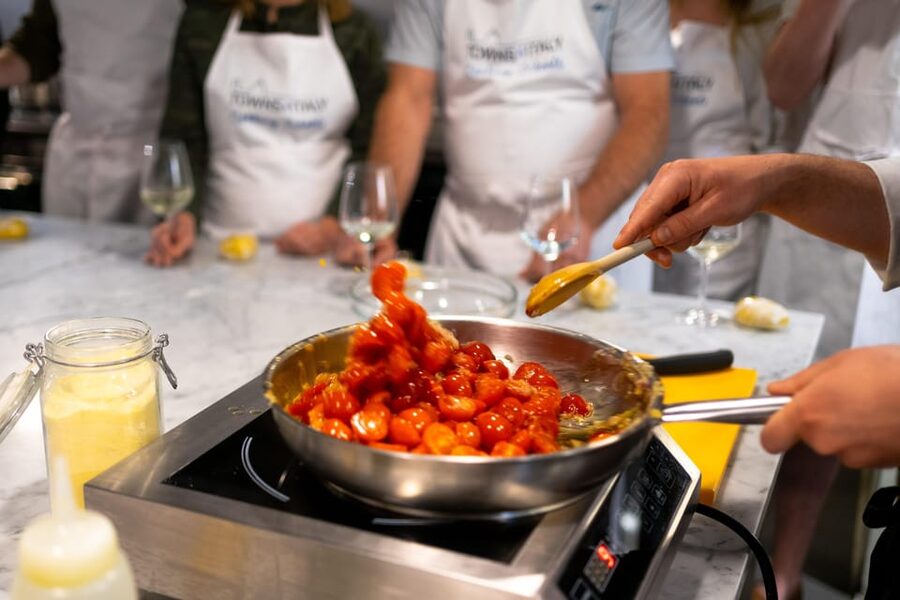
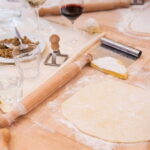
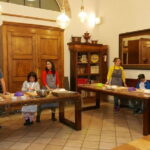
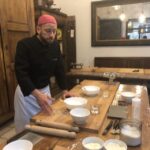
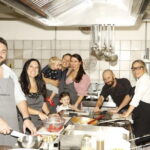
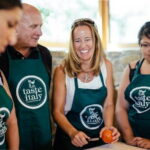
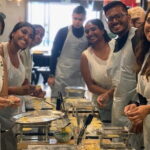
After the market, you head to a centrally located kitchen where everything is laid out so you can cook side by side. The class style is consistent: you’re given professional tools and fresh ingredients, then coached step by step through each stage.
The best part for most people is the pacing. You’re active enough to feel productive, but not so rushed that you’re stressed. Several reviews praised a good balance of work time and slower moments—especially helpful when pasta dough is involved, since it needs patience and touch.
English instruction is supported throughout. Depending on the instructor assigned that day, you may get different teaching styles, but the core promise stays the same: hands-on cooking, interactive explanations, and lots of chances to ask questions while you go.
If you get Federico, one guest specifically called out how helpful he was with pasta technique tips. If you’re lucky enough to be with Alice or Roberta, you’ll likely get a classroom feel with humor and clear coaching. Victoria and Stefano also show up in feedback as guides who keep the energy up while still teaching the practical steps.
Nonna’s lasagna workshop: fresh pasta and Bolognese ragù
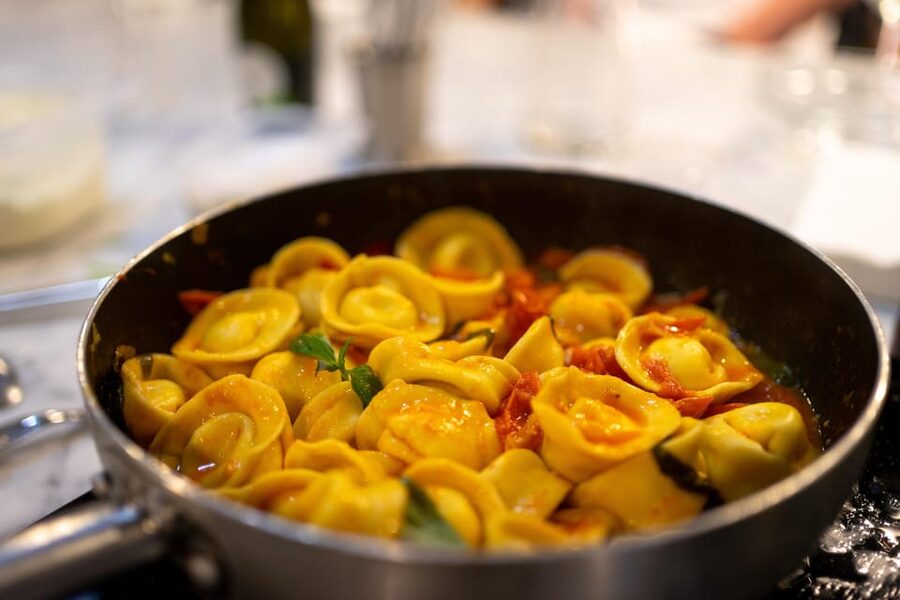
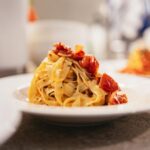
The lasagna portion is a centerpiece of the experience. You work on the full foundation: fresh pasta components and the classic Bolognese ragù that turns lasagna from “good enough” into properly Italian comfort food.
The way the class frames it—handmade tradition protected as a UNESCO treasure—matters because it pushes you beyond shortcuts. You’re not learning a generic “lasagna recipe.” You’re learning the logic behind the layers: how pasta is made and handled, how ragù flavor gets built, and how everything holds together when it’s time to serve.
One extra value point: even if you don’t plan to make lasagna every week, the technique transfers. Once you understand how to build a ragù and how fresh pasta behaves, you can apply those skills to other dishes later—like different stuffed pastas or sauce-heavy plates.
Rolling fresh pasta and shaping real Italian cooking skills
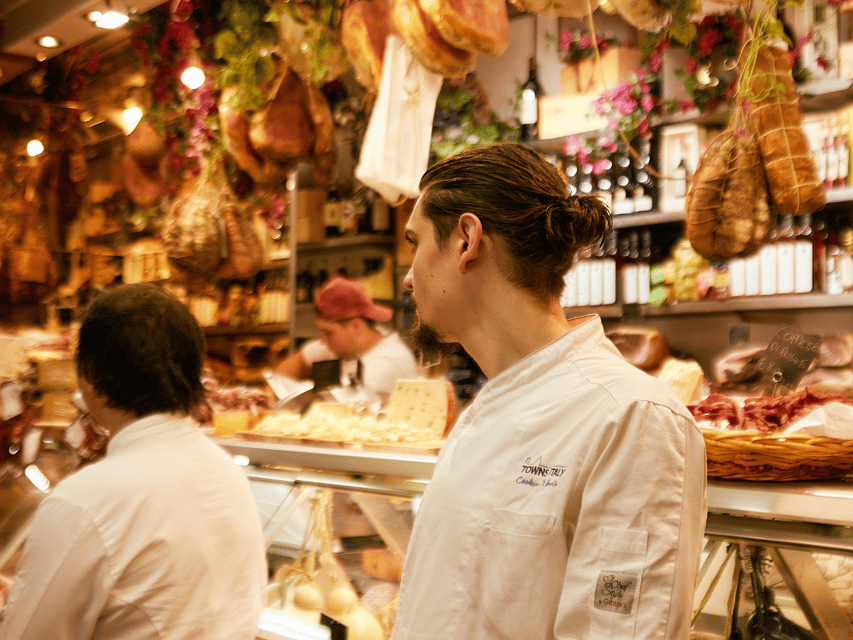
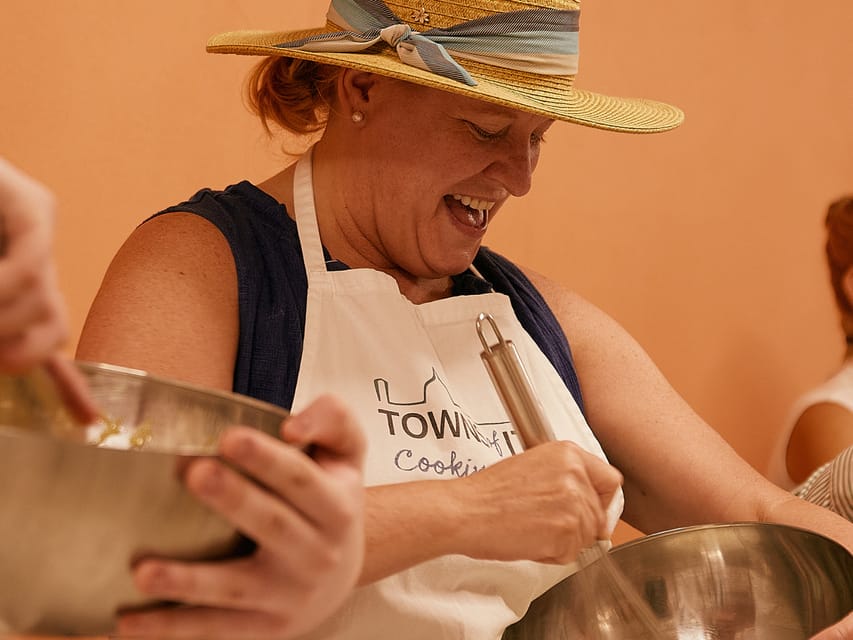
The experience is built around fresh pasta, and that’s where you’ll feel the biggest upgrade in confidence. You learn the mechanics—mixing and handling dough, working it into sheets, then shaping and pairing it with sauces.
In some sessions, people reported making different pasta types like ravioli and tagliatelle, in addition to the lasagna work and tiramisù. That flexibility is useful because it keeps the class lively and lets you practice more than one form, even if the core structure stays the same: pasta skills first, then sauce and meal assembly.
This matters for value. A cooking class that only teaches one technique can feel like a fun novelty. This one aims to give you repeatable skills: understanding consistency, timing, and the basic approach to making pasta dough behave.
Tiramisù from scratch: the dessert that feels like a celebration
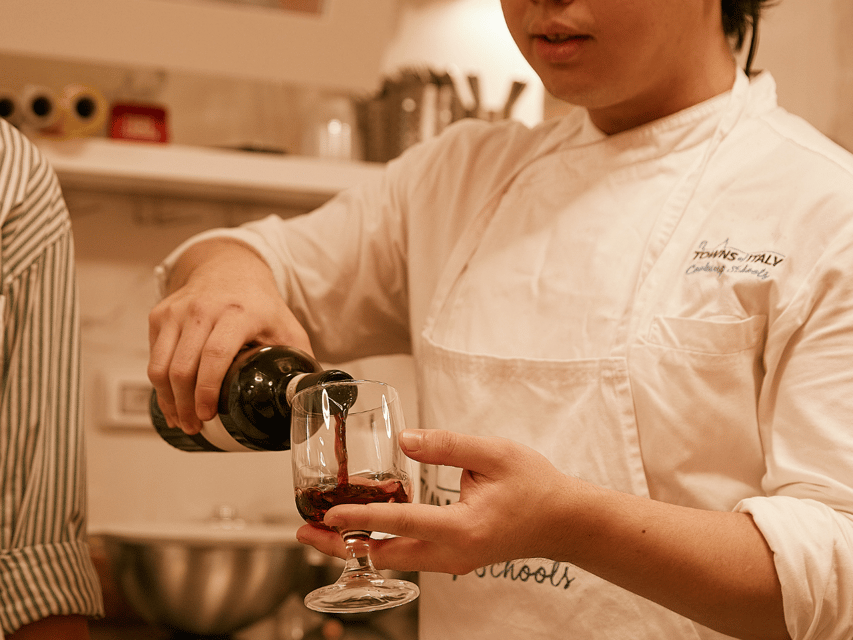
No Florence cooking class worth its apron strings skips tiramisù, and here it’s handled properly—made from scratch. You’ll whip it together using the real steps, not just assembling with store-bought shortcuts.
Why this part is so memorable: tiramisù is forgiving enough that most people can succeed, but precise enough that you learn what changes quality. It’s also a social payoff. Once the dessert is underway, you can almost taste the meal ending before you’ve even finished cooking.
Several guests also noted flexibility when it came to taste preferences—one guest mentioned an option for making tiramisù without coffee, based on a request. If you have a dessert preference or need an adjustment, it’s smart to communicate it in advance.
- Cooking Class and Lunch at a Tuscan Farmhouse with Local Market Tour from Florence
★ 5.0 · 4,831 reviews
Wine with your meal: turning cooking into an actual table moment
After cooking, you sit down and eat what you made. This is a key part of the experience, because it closes the loop between ingredient, technique, and outcome. If your ragù tastes deep or your pasta holds together well, you get instant feedback—right there, with other people at the table.
You’ll also get wine with your meal: a Tuscan pairing featuring Chianti, plus a sweet finish with a specialty dessert wine. That pairing isn’t just a nice extra. It helps you understand why Tuscan flavors fit together the way they do: acidity, richness, and the way dessert wine lands at the end.
It’s also where the “new friends” aspect kicks in. Most people aren’t just focused on their plate; they’re comparing what they did well, asking how someone else handled a step, and laughing at the inevitable flour chaos.
Small group energy and how to get the best results
This class runs in small groups, which is a big deal. When there are fewer people, the chef can see what you’re doing and correct you before mistakes become disasters. One review mentioned a group of just six, and that kind of ratio usually means more individualized attention—especially for pasta work where touch matters.
To get the most out of your time:
- Arrive hungry and ready to work your hands. Pasta and ragù take attention.
- Ask questions while you cook, not after. The chef can explain techniques when they’re still relevant to what’s happening in front of you.
- If you’re the type who learns by doing, this format will feel natural. If you’re nervous about cooking, it still works well because you’re not abandoned at a station.
Price and value: what $63 buys you in Florence
At around $63 per person for 3 to 5 hours, this can be a standout value in Florence, mostly because so much is included.
You get:
- A guided walk through the Central Market with tastings
- A 100% hands-on cooking class with fresh ingredients and tools
- Nonna-style lasagna workshop work (fresh pasta and Bolognese ragù)
- Tiramisù-making from scratch
- The full meal featuring your creations, plus wine pairing
- A sweet dessert wine finish
- A digital recipe booklet to recreate the dishes at home
When you compare that to what you’d pay for a market tour plus a separate class plus dinner, the bundled format makes sense. The best value shows up when you actually use the skills later. With the recipe booklet and the method you practice, you’re leaving with more than a memory—you’re leaving with an approach.
Who should book this cooking class (and who should skip it)
This class is ideal if you want a true food day in Florence, where you learn by doing and where the meal feels like a reward, not an afterthought.
You’ll likely love it if you:
- Enjoy hands-on cooking and want fresh pasta skills
- Like learning ingredient logic, not just memorizing steps
- Want an Italian table moment with wine and a group atmosphere
- Are traveling solo, as many people noted it’s a great way to meet others (one solo traveler specifically enjoyed the connection)
Skip it if:
- You have celiac disease or gluten intolerance (it’s not suitable)
- You’re vegan (the class isn’t for vegans)
- You need accommodations for mobility impairments (it’s not suitable for mobility impairments)
Vegetarian options exist, but you should request them in advance. If dietary needs are part of your planning, tell the provider early so the kitchen can prepare alternatives that fit the class format.
Shorter options if you’re short on time
If you can’t fit a 3 to 5 hour class, you can swap to a shorter option at checkout:
- 3 Hours Pasta & Gelato Making Class (no market): you make fresh egg pasta, shape 2–3 varieties with seasonal sauces, then enjoy a gelato demo.
- Cappuccino & Tiramisù Experience: you brew moka coffee, learn to froth cappuccino, make tiramisù, then finish with a mini Italian pastry.
These are useful if you mainly want dessert and pasta practice without the market tour.
Should you book the Florence market-to-table class?
Yes, I’d book it if you want the most “Florence-in-one-day” version of cooking—market learning, fresh pasta technique, and tiramisù at a real table with wine. The small-group, hands-on structure is the big strength, and it turns the day into something you can repeat at home.
I’d think twice only if gluten-free needs are part of your trip, since celiac and gluten intolerance don’t work with the standard format. Also, if you’re the kind of traveler who hates kitchen mess and wants zero physical work, this class may not fit—but if you’re open to flour on your sleeves, it’s a very rewarding use of time in Tuscany.
FAQ
How long is the Florence cooking class?
It runs about 3 to 5 hours, depending on the starting time and the option you choose.
What is the price per person?
The price listed is $63 per person.
Does this experience include a market tour?
Yes. The main option includes an expert-led guided tour of Florence’s historic Central Market, plus tastings of seasonal local specialties.
Is the cooking part hands-on?
Yes. It’s a 100% hands-on cooking class with a professional chef, with no demos.
What do you cook during the class?
You’ll make Nonna’s lasagna (fresh pasta and Bolognese ragù) and you’ll make tiramisù from scratch.
Are vegetarian options available?
Vegetarian-friendly options are available if you request them in advance. The class is also described as supporting other diets, but you should inform the provider of dietary needs when booking.
Is it suitable for celiacs or gluten intolerance?
No. The class is not suitable for celiacs or people with gluten intolerance.
Is the class suitable for vegans?
No. It’s not suitable for vegans.
Are pets allowed?
No. Pets are not allowed.
What if I’m traveling with children or teens?
Children and teens under 18 must be accompanied by at least one adult.
Is cancellation free?
Yes. Free cancellation is available up to 24 hours in advance for a full refund.
You Might Also Enjoy
More Tour Reviews in Florence
- Cooking Class and Lunch at a Tuscan Farmhouse with Local Market Tour from Florence
★ 5.0 · 4,831 reviews