REVIEW · LISBON
Lisbon: 2-Hour Pastel de Nata Cooking Class
Book on GetYourGuide →Operated by Compadre Cooking School · Bookable on GetYourGuide
That first smell of warm pastry and cinnamon makes the whole class feel like a shortcut to Lisbon. In about two hours, you’ll make Pastel de Nata yourself, with step-by-step help from the hosts at Compadre Cooking School, and you’ll leave with recipes for two treats. I also really like how the kitchen stays practical and friendly, with plenty of hands-on time instead of a passive demo. One thing to consider: you’ll be standing for about 1h20, so it’s not a great match if you have back problems.
Two standout wins for me are the Anna and Marta instruction style and the fact that the class actually teaches technique you can repeat at home. You get a second traditional Portuguese recipe too, not just one tart on repeat. The only caution I’d flag is drinks and the “light meal” part can be simple, and it helps to show up with comfortable shoes and a realistic appetite for pastries rather than a full sit-down lunch.
In This Review
- Key Things I’d Book This For
- Pastel de Nata in Two Hours: what you’re really making
- Meet Anna and Marta in a Clean Lisbon Kitchen
- How the Tarts Come Together: dough, custard, and the baking cues
- Your Second Portuguese Recipe: farófios or bacalhau cakes
- What You Eat, Take Home, and Why It Feels Worth $64
- Price, Standing Time, and Who This Class Fits Best
- FAQ
- FAQ
- How long is the Lisbon Pastel de Nata cooking class?
- Is the class hands-on or mostly a demonstration?
- What language is the instructor?
- What’s included in the price?
- Is pickup and drop-off included?
- Is it vegan-friendly?
- Should You Book This Pastel de Nata Class in Lisbon?
Key Things I’d Book This For
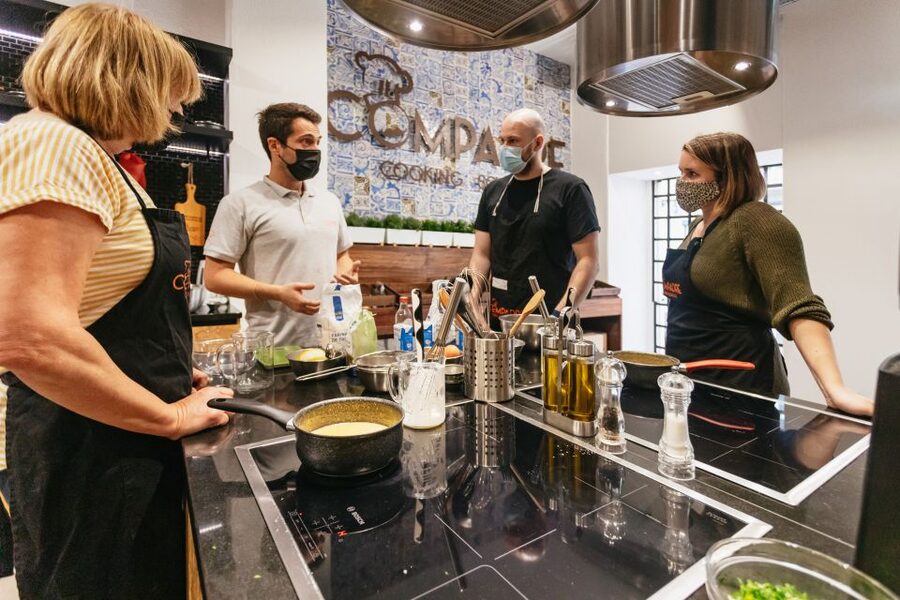
- Anna and Marta guide you step by step so even if you’re not a baker, you still get to produce real results
- You make Pastel de Nata yourself, including the custard filling and tart assembly
- You cook a second Portuguese recipe, with examples in recent classes like farófios or cod-based desserts
- A light meal happens right at the end, so you get to enjoy what you made while it’s fresh
- You take recipes home, which is where the value really shows up (skills stay with you)
- A clean, modern kitchen with AC makes a difference on hot Lisbon days
Pastel de Nata in Two Hours: what you’re really making
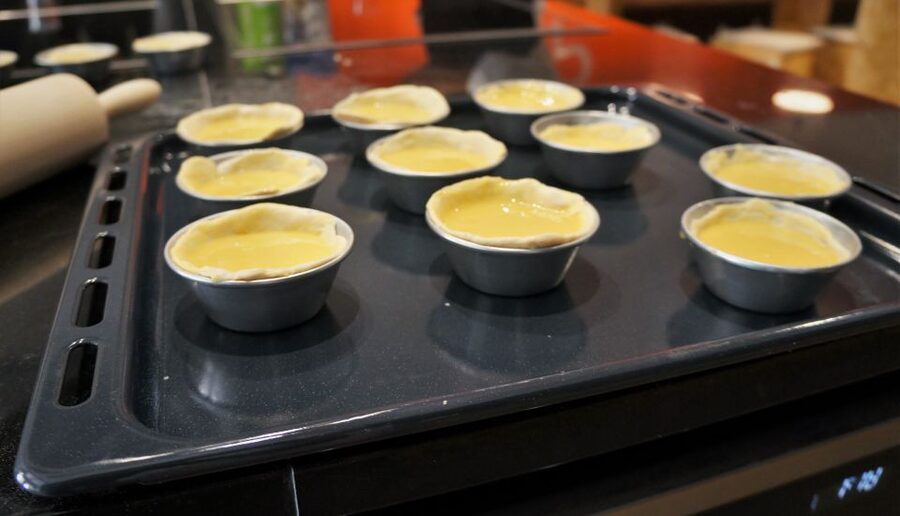
Pastel de Nata is the Portuguese egg tart everyone recognizes, but this class focuses on the part that matters: how you build a tart that looks right and tastes right. You’ll learn how this pastry ties back to a 19th-century monastery origin story, and how it became an iconic national symbol that spread well beyond Portugal.
In two hours, the goal is not to overwhelm you with complicated pastry chemistry. What surprised me in a good way is how doable the process feels once someone shows you what matters. One participant noted the dough is pre-made, and the custard is very simple. That matters because it turns the class into a skill-building session, not a marathon of kneading and guessing.
You’ll also make another traditional Portuguese recipe besides the natas. The exact second dish can vary by session, but recent classes have included things like farófios (meringue with custard) and cod fritters or bacalhau-style cakes. So you get two wins: the egg tart you came for, plus a bonus taste of Portuguese comfort food that you can recreate later.
This is also a very “Portugal through food” experience. Lisbon has plenty of places to buy these tarts, but making them gives you a small, hands-on understanding of what makes the pastry Portuguese rather than just sweet.
You can also read our reviews of more tours and experiences in Lisbon.

Meet Anna and Marta in a Clean Lisbon Kitchen
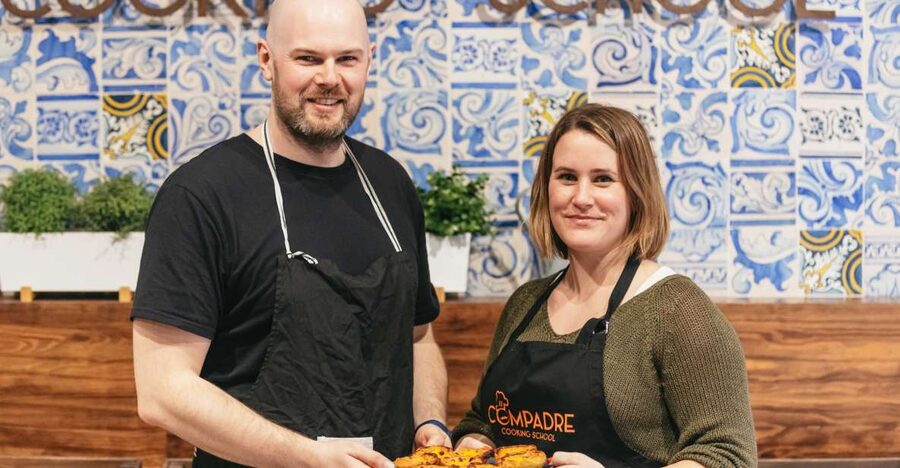
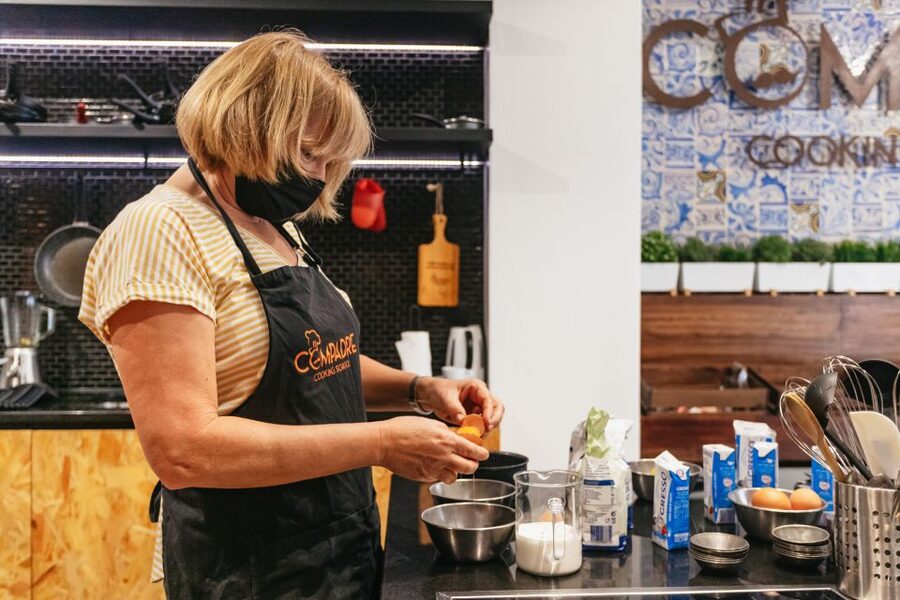
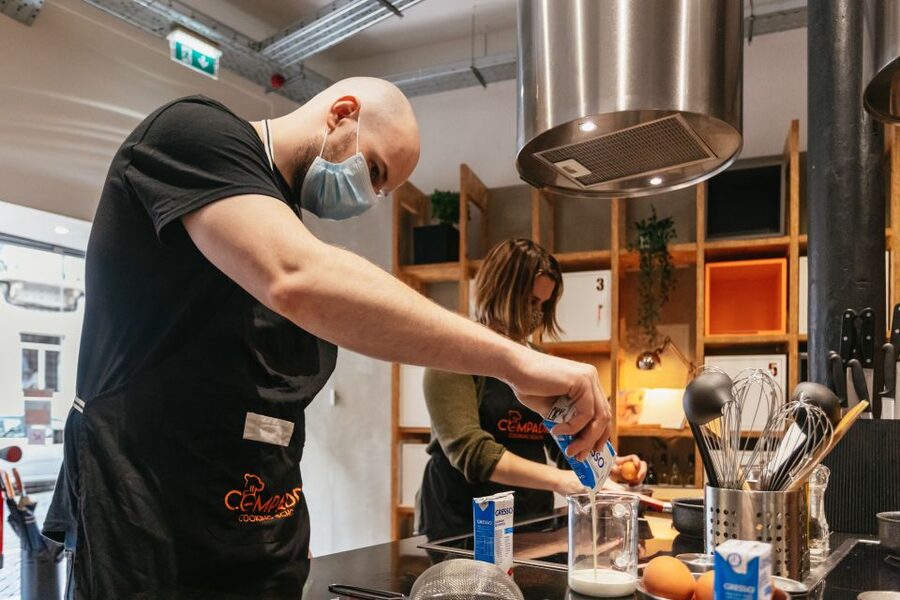
You meet in the kitchen of the local partner in Lisbon. Translation: you’re not herded through a showroom or watched from the sidelines. You go straight into a working space.
Most people love this part because the atmosphere is casual but focused. Names you’ll hear often are Anna and Marta, and their energy shows up in how they explain. The vibe is friendly, with humor and real interaction, including time for conversation with the group. One solo guest even mentioned that being alone wasn’t a problem, which tells me the class works well if you want something social without needing to travel in a crowd.
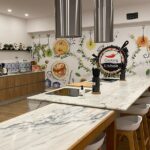
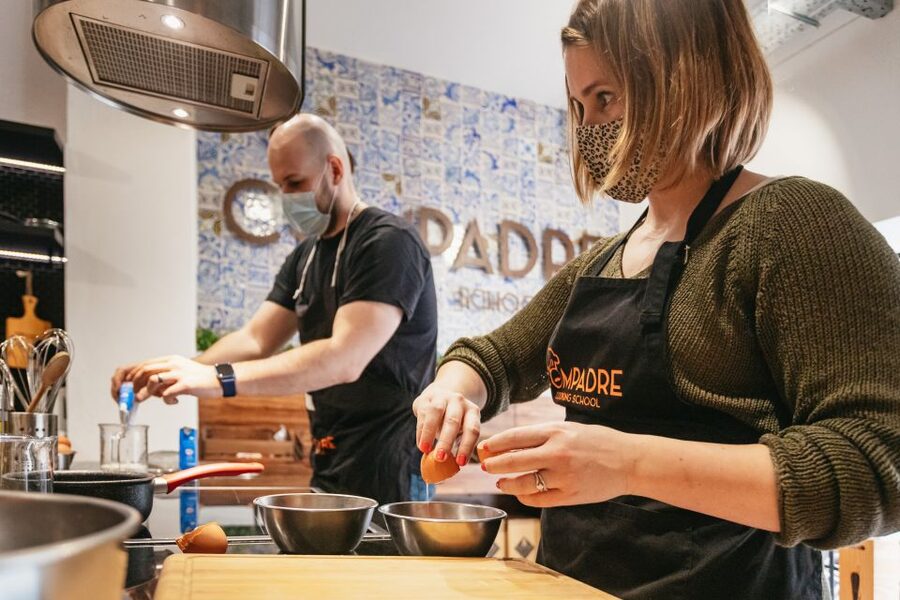
Facilities are described as clean, modern, and well equipped, and AC is mentioned as a bonus. That’s more practical than it sounds. Hot kitchens turn “fun” into “survival.” When the room is comfortable, you can actually pay attention to the steps that lead to a good tart.
Another detail worth planning around: the class is mostly standing time. You’ll spend about 1h20 on your feet while assembling and working through the steps. If you have any back issues, skip this one or ask the provider first. It’s not a seated workshop.
Also, the instruction language is English, so you don’t need any translation gymnastics. That helps a lot for baking, because small timing cues matter, and you’ll want to hear them clearly.
How the Tarts Come Together: dough, custard, and the baking cues
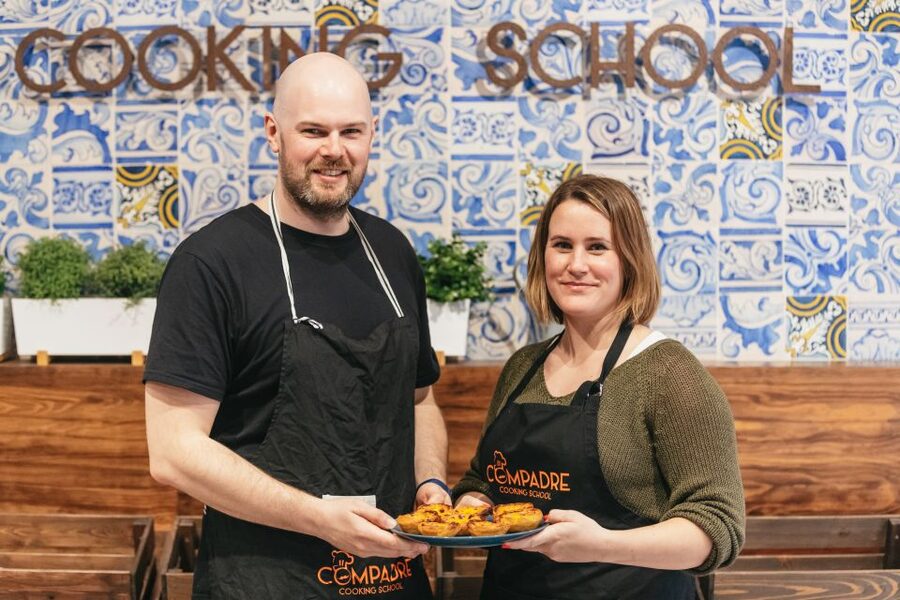
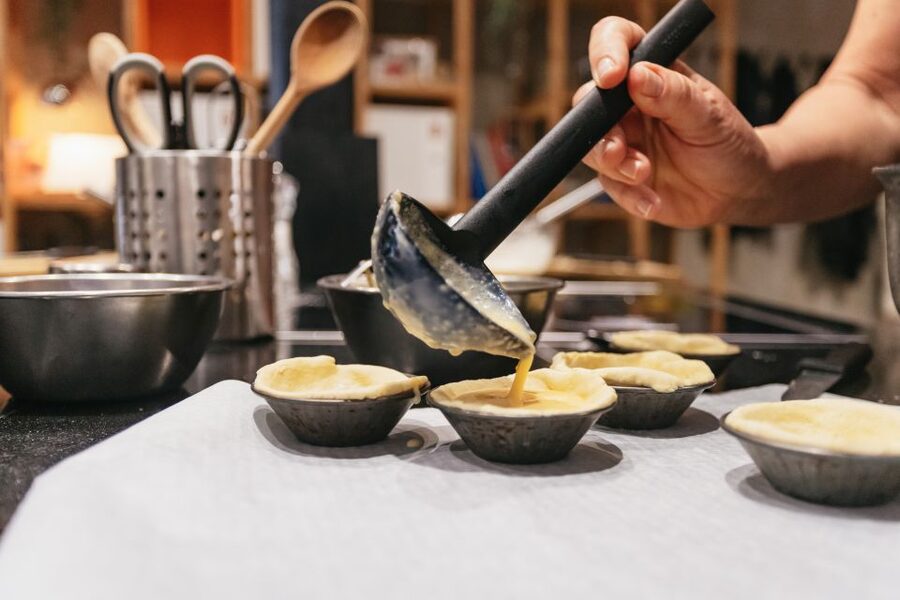
Here’s the practical breakdown of what you’ll do, in plain terms. You’re not just mixing. You’re assembling.
First, you work with the tart base (dough) and get it into the right tart shape. Then you prepare the custard filling. Pastel de Nata custard is simple enough that the key becomes texture and consistency rather than complicated steps. The staff spends time walking you through what to look for, and that is what makes the difference between an OK tart and a tart that actually looks like one from Portugal.
You’ll also get baking cues. While you’re not in charge of a full professional oven, the hosts guide you so you know when you’re moving toward the right result. Expect that the class teaches you what to watch for, not just what to do.
What I like about this style of instruction is that it supports beginners. One participant even said they’re an awful cook and still got results. Another mentioned clear tips for a near perfect tart. That’s exactly the sweet spot for a vacation cooking class: you learn the “why” behind the “next step.”
When you finish, you sit down to enjoy what you made. That part matters because you can compare what you just did to how the tart should taste and feel. If something was off, you notice it instantly, and your brain files the fix away for next time.
One more helpful real-world tip: wear comfortable shoes. You’re standing, you’re working with hot items, and you’ll move around the kitchen more than you’d expect.
Food note if you’re vegan: Portuguese cuisine isn’t very vegan friendly. If you’re vegan, contact the local supplier beforehand. If you’re vegetarian, at least one participant said the class accommodated their diet easily. Either way, it’s smart to clarify your needs ahead of time so your session doesn’t get awkward.
Your Second Portuguese Recipe: farófios or bacalhau cakes
The second recipe is where the class feels less like a one-trick pony. You’ll make Pastel de Nata plus another traditional Portuguese dish, and recent sessions have included a few different options.
You might see:
- Farófios: a merengue dessert with custard (described by participants as a second dessert during their class)
- Cod fritters / bacalhau-style cakes: mentioned by multiple participants as a delicious bonus recipe
The exact second dish isn’t stated as one fixed item, so treat it as a “you’ll learn another classic” moment rather than assuming you’ll always get the same dessert.
This matters for value. If you’ve ever done one cooking class and left feeling like you paid for a single recipe, this one is different because the class includes two Portuguese treats. Even if you only end up making one of them at home, you still leave with inspiration for the next kitchen experiment.
It also adds variety to your final meal. You’re not eating just one style of pastry. You’re sampling sweetness and a savory Portuguese flavor profile, depending on what your group makes.
And because it’s still taught hands-on, you’re not stuck watching someone else cook. You participate, you learn steps, and you get to take home recipes for the things you made, not just a general “Portugal food” takeaway.
What You Eat, Take Home, and Why It Feels Worth $64
You’ll have tea included, and you’ll also have a light meal at the end that you share with the group. The class description also mentions tea and coffee. In reality, one participant said tea and coffee weren’t offered exactly as expected and that water was out on tables during the meal. That tells me the drinks situation can be simple rather than elaborate.
So here’s my practical approach: plan on tea, expect a light meal centered on what you made, and if you’re picky about cold drinks, it’s totally reasonable to ask when you arrive. Don’t treat this as a full restaurant service.
Now the value question: $64 per person for a 2-hour hands-on session. It’s not cheap, but it can be fair value if you think of what you receive:
- You get ingredient and equipment coverage
- You get an instructor and a guided process
- You make two recipes
- You take home recipes you can use again
- You get to eat your own work while it’s fresh
In other words, you’re paying for coaching plus the ingredients that make the final output possible. If you’ve ever watched a recipe video and still couldn’t get the tart right, a class like this is the “skip the frustration” option.
Another thing I appreciate: the kitchen is clean and the tools are there. Several reviews highlight a modern facility and good organization, which usually means fewer delays and less chaos. You spend time cooking, not waiting.
And yes, it’s social. You’ll likely interact with other people in the course, and you’ll share the finished pastries together. That doesn’t sound like a big deal until you’re in the middle of Lisbon eating your way through one tart after another with no context. This gives you context.





Price, Standing Time, and Who This Class Fits Best
Let’s get the practical stuff straight so you don’t waste time deciding.
This class is 2 hours. You’ll be standing for about 1h20. If you have back problems, it’s not recommended. If you’re older, pregnant, or you just know you don’t tolerate standing well, look for a seated or shorter format.
You’ll also want comfortable shoes because you’re working in a kitchen environment. One extra practical note: no pets and no smoking.
On language, English instruction is included, and the hosts like to explain every step. That’s huge if you’re coming from abroad and want the process to make sense, not just produce results.
As for food needs: it’s not very vegan friendly, so if you’re vegan, contact the supplier beforehand. Vegetarian diets may be easier, but you should still confirm for your specific meal.
Who should book?
- You want a hands-on Lisbon food experience that goes beyond buying pastries
- You’d like two Portuguese recipes instead of one
- You want the technique so you can recreate Pastel de Nata at home
- You’re comfortable standing for most of the class
Who should skip?
- Anyone with back problems
- Anyone who wants a purely tasting experience with minimal cooking involvement
FAQ
FAQ
How long is the Lisbon Pastel de Nata cooking class?
It lasts 2 hours.
Is the class hands-on or mostly a demonstration?
It’s hands-on. You’ll make your own Pastel de Nata and also prepare another traditional Portuguese recipe.
What language is the instructor?
The instructor teaches in English.
What’s included in the price?
The class includes cooking equipment, utensils, and ingredients, an instructor, insurance, two different recipes, and tea.
Is pickup and drop-off included?
No. Pickup and drop-off are not included.
Is it vegan-friendly?
Portuguese cuisine isn’t very vegan friendly, and you’re advised to contact the local supplier beforehand if you’re vegan.
Should You Book This Pastel de Nata Class in Lisbon?
I’d book this if you want a vacation activity that actually upgrades your cooking at home. The biggest reason is the combination of real instruction, a practical workflow, and two Portuguese recipes you take with you. Pastel de Nata is a must in Lisbon, but making it yourself turns it from a snack into a skill.
Skip it if you can’t handle standing for about 1h20, or if you want a fully restaurant-style meal. Also, if you’re vegan, plan ahead and confirm options before you arrive.
If you’re reading this with a sweet tooth and a willingness to stand in a kitchen, this is a solid, good-value way to experience Lisbon through food that you’ll want to repeat.