REVIEW · ELLA SRI LANKA
Ella : Cooking class with amazing Spice Garden Tour
Book on GetYourGuide →Operated by Ella nine arch spice garden · Bookable on GetYourGuide
A spice garden plus a curry class in one afternoon. You’ll walk through a 2.5-acre family plot in Ella, then cook with guidance in a local fireplace kitchen.
What I like most: you start with a hands-on spice garden tour led by locals such as Upulu or Senaka, and you leave with practical cooking know-how, not just photos. Then you switch gears to an interactive cooking class taught by chefs and teachers people like Nalini.
The other big win: the class structure gets you cooking for real, including making coconut milk by hand and preparing multiple curries, sambol, and snacks. One consideration: this is a remote garden kitchen setup, so come ready for insects and plan around the outdoor portion (for some time slots, I’d pack mosquito spray).
In This Review
- Key highlights you’ll feel right away
- Spice Garden in Ella: A 2.5-acre walk through Sri Lanka’s flavor makers
- Meeting the spices: What you learn plant-by-plant and why it helps you cook
- Fireplace cooking in Ella: Turning instructions into real skills
- The menu you cook: Seven curries plus coconut sambol, banana chips, and papadam
- What happens after cooking: Banana-leaf dining and take-home recipes
- Price and value: Why $32 feels fair for a full meal and real cooking work
- Practical details that help you plan (pickup, group size, and timing)
- Who this Sri Lankan spice and cooking class fits best
- Should you book this Ella spice garden cooking class?
- FAQ
- How long is the cooking class and spice garden tour in Ella?
- What’s the group size?
- Is the class taught in English?
- What dishes will we cook during the class?
- Can I request vegetarian or vegan dishes?
- Do I get recipes to take home?
- Is there a meal included, or do I just watch the cooking?
- Can the provider arrange pickup?
- Is Wi‑Fi available?
Key highlights you’ll feel right away
- 100+ plants across a 2.5-acre garden that’s big for Ella, not just a few herb pots
- Plant-by-plant spice explanations (and tastings) that connect the garden to the plate
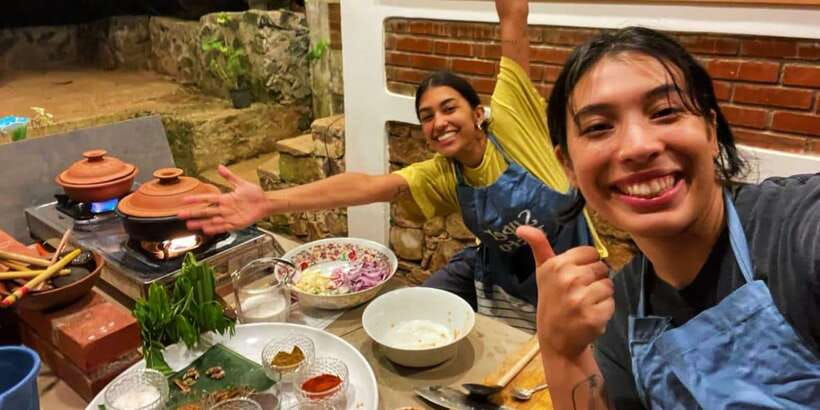
- Traditional fireplace cooking setup with hands-on instruction in Ella
- Seven curries plus sides like coconut sambol, banana chips, and papadam
- Banana-leaf dining at the end, then take-home recipes in a PDF book
- Small group size (up to 8) so questions don’t get lost
Spice Garden in Ella: A 2.5-acre walk through Sri Lanka’s flavor makers
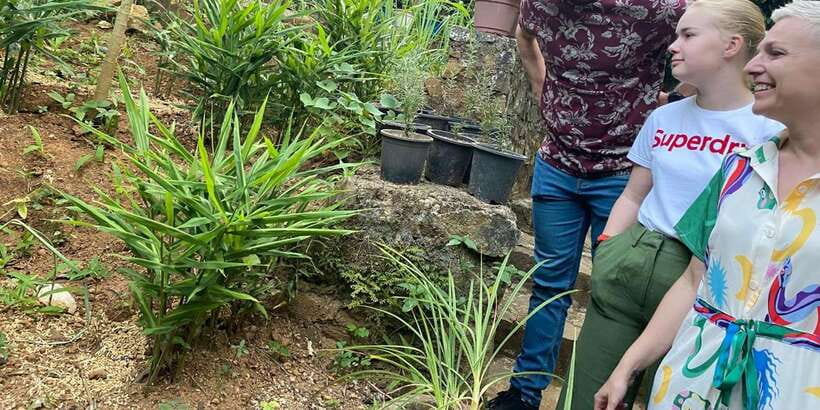
If you’ve had cinnamon, clove, nutmeg, or curry leaves on a menu back home, this is where the story starts to click. The experience begins on a family-run 2.5-acre spice garden in Ella, described as the largest in the area, with 100+ plants. That matters, because you’re not speeding through a quick “spice photo stop.” You’re walking through a working food-and-remedy garden, the kind Sri Lankans grow for everyday cooking.
I like the garden size because it gives you variety without feeling chaotic. You’ll move slowly enough to notice what’s growing, how it’s used, and why certain spices show up again and again in Sri Lankan cooking. This is also where you get context for the flavors you’ll later cook with: the bitterness of some leaves, the warming scent of dried bark and seeds, the way aromatics change when handled fresh vs. ground.
One practical note: since it’s outdoors, it can get hot. The good news is that the class pacing is built around it: the garden portion is about one hour, then you shift inside (or under kitchen shelter) to cook.
You can also read our reviews of more tours and experiences in Ella Sri Lanka.
Meeting the spices: What you learn plant-by-plant and why it helps you cook
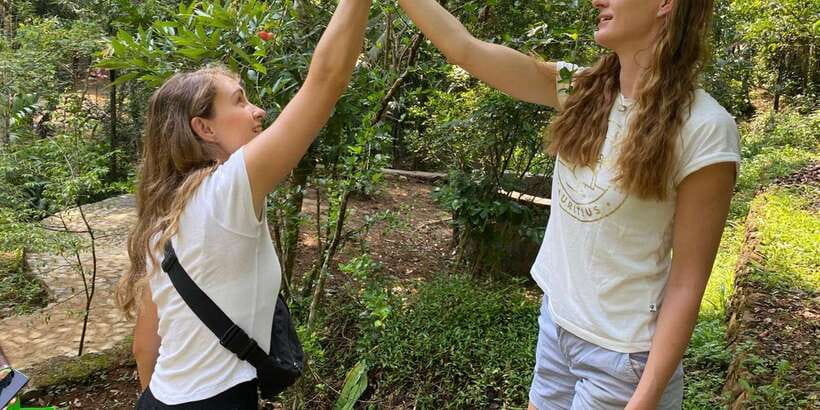
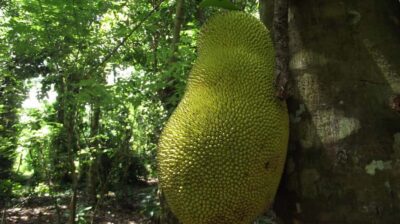
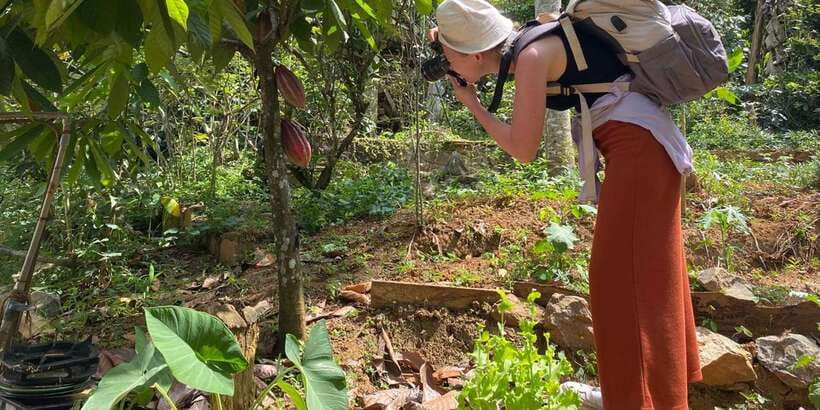
The tour isn’t just a list of spices. You’re walked through multiple plants and how Sri Lankans use them in daily cooking and traditional medicine. The garden guide talks through species like garcinia, vanilla, cocoa, curry leaves, nutmeg, clove, and cinnamon, plus more. Even if you know what a spice is, you’ll likely learn how it’s grown and what part people use (bark, seed, leaves, fruit, etc.).
That plant-by-plant approach is the key value for me. Sri Lankan curries rely on layering flavors: aromatics cooked early, spices bloomed in oil, and fresh elements added for brightness. When you understand what a spice actually is and what it contributes, you stop copying recipes blindly and start tasting your way through cooking.
From the reviews, another standout detail is the feeling of discovery. People highlighted opportunities to touch and taste things from the plants, not just look. That sensory part matters because spices can smell wildly different depending on freshness and preparation. The garden tour sets you up to notice those differences when you’re cooking.
Fireplace cooking in Ella: Turning instructions into real skills
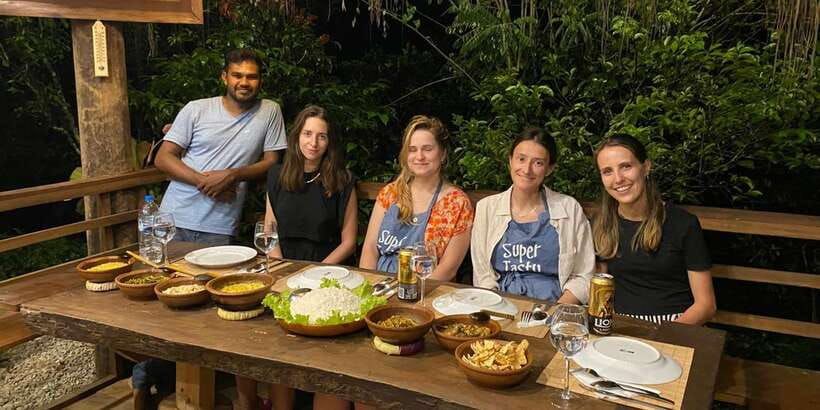
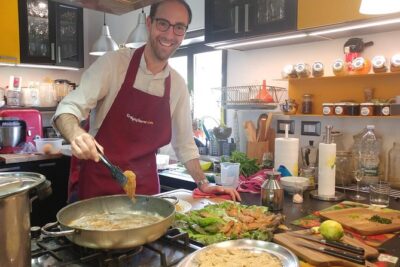
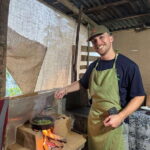
Next comes the part most people remember: the hands-on cooking class. You move from the garden into a traditional local kitchen using a fireplace. Instead of watching someone else cook, you’re guided step-by-step while actively preparing dishes.
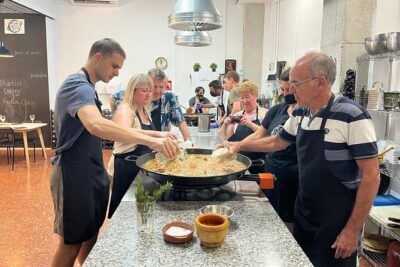
The style of instruction is practical. The team gives simple guidance, and they keep the experience moving so you can do real work: washing, chopping, stirring, tasting, and then finishing curries. Reviews also point out that the instructors make sure everyone gets cooking roles, especially in small groups.
A very specific highlight: you’ll make fresh coconut milk by hand. That’s a huge skill because coconut milk changes the texture and sweetness balance of many Sri Lankan dishes. When you squeeze and process coconut yourself, you understand why the same spice blend can taste different depending on coconut richness.
If you’re worried about your spice tolerance, don’t be. One review specifically mentions that the class can adjust spice level, which is exactly what you want from a cooking workshop in a garden kitchen where everyone has their own preferences.
The menu you cook: Seven curries plus coconut sambol, banana chips, and papadam
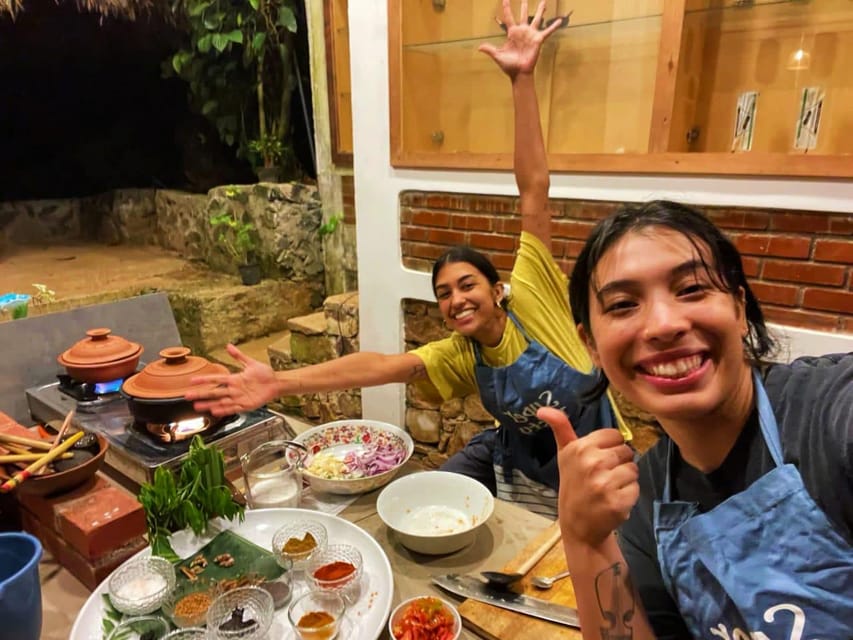
You’ll cook enough food for a real meal and then sit down to eat it. The program is built around seven curries plus sides. Here’s what you’ll work on together:
- White rice
- Pumpkin or dhal curry
- Potato milk curry
- Mushroom curry
- Green bean curry
- Chicken curry (with vegetarian/vegan adjustments available if needed)
- Coconut sambol
And the fun crunchy side dishes:
- Crispy banana chips
- Papadam
This combination is smart for your learning. Curries give you practice with spice layering and simmering. Coconut sambol teaches you how Sri Lankan flavor builds with salt, heat, aromatics, and coconut. Banana chips and papadam show you the role of texture in the meal, not just taste.
One more detail that helps you appreciate the cooking: the recipes you make aren’t all the same. You’ll likely notice how a dhal/pumpkin curry handles warmth differently from a potato milk curry, and how mushrooms behave once spices coat them. That variety helps you understand technique, not just ingredients.
What happens after cooking: Banana-leaf dining and take-home recipes
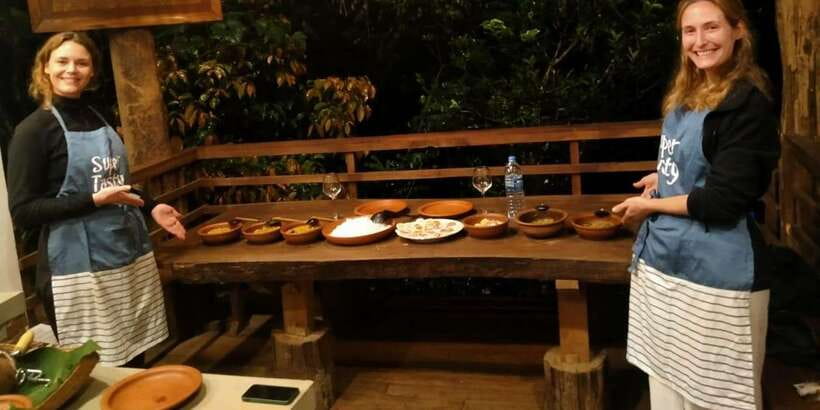
After the cooking, you don’t do the hard part and then eat blandly. You sit down and enjoy the meal you made, served on banana leaves. It’s a small detail, but it fits the setting. You get to taste the final balance right where the flavors were built.
Then comes the part that makes this class more than a nice evening out: you get take-home recipes. Included is a recipe book PDF, so you’re not trying to recreate the meal from memory two days later when the spice cabinet looks like a stranger.
If you like cooking at home, that matters. A spice garden tour tells you what exists. A cooking class teaches you what to do. The PDF gives you the bridge between the two.
There’s also a spice-related add-on: a spice showroom where you can see what’s available to buy. One review mentions buying spices at good prices, which is helpful if you’re chasing specific flavors like vanilla (or you just want to stop guessing on cinnamon quality).
Price and value: Why $32 feels fair for a full meal and real cooking work
At $32 per person for about 4 hours, this class isn’t just “a tour.” You’re getting:
- an hour-long garden walk with explanations plant-by-plant
- a hands-on cooking session (around three hours)
- refreshments plus a full meal you cook and eat
- multiple dishes across the table, including coconut milk prep
- a PDF recipe book
- small-group attention (limited to 8 participants)
- optional vegetarian/vegan substitutions when needed
Value comes from how much effort you personally do. In many cooking classes, you chop and stir for 15 minutes, then the chef saves the day. Here, the structure is designed for participation, with team members guiding the process while you help prepare several curries and sides.
So if you’re comparing this to doing separate activities (a basic garden tour plus a cooking class elsewhere), this combo often wins because you learn the “why” in the garden and apply it immediately on the stove.
Practical details that help you plan (pickup, group size, and timing)
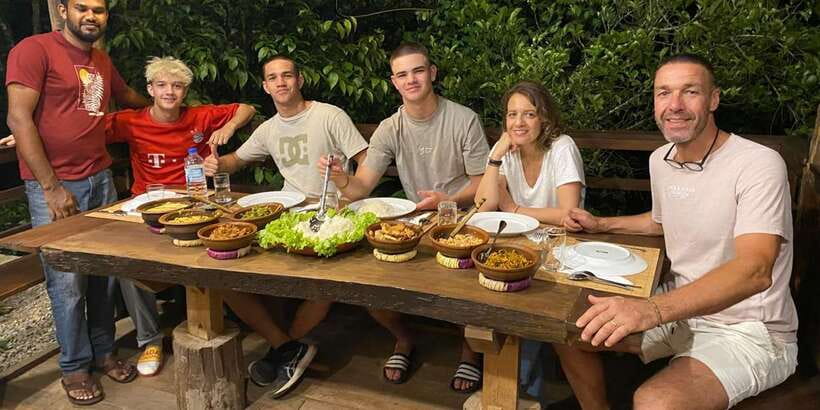
The experience is built for small groups: up to 8 participants. That size is ideal for asking questions and getting feedback while you’re cooking, especially when instructions touch on spice handling and flavor balance.
The instructor is listed as English, which is a big factor for comfort. Reviews repeatedly highlight clear explanations and smooth guidance, and that tracks with what you need in a multi-dish cooking session.
Timing-wise, plan for a 4-hour total experience. The pace usually flows like this: start in the spice garden for about an hour, then cook for around three hours, then sit down to eat. If your class overlaps with sunset, it’s smart to bring mosquito spray. One review explicitly recommends it for those overlaps.
Getting there can be easier than you’d expect. The provider says they can arrange pickup from anywhere with a reasonable price. Still, confirm details ahead of time—this kind of rural kitchen experience runs on timing.
One extra detail for the modern traveler: free Starlink Wi‑Fi is included, which is handy if you’re trying to send photos from Ella before your meal disappears.
Who this Sri Lankan spice and cooking class fits best
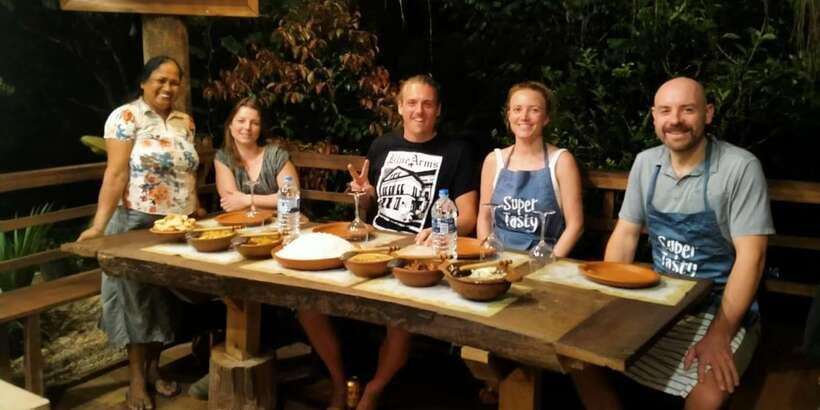
This is a great match if you want more than a one-time food show. You’ll probably enjoy it if:
- you like cooking and want practical techniques (especially coconut milk prep)
- you care about where ingredients come from, not just what’s on the menu
- you enjoy small groups and learning in conversation
- you want a hands-on Ella activity that ends in a meal you helped make
It’s also a smart option for vegetarians or vegans. The class notes vegetarian & vegan dishes are available if needed, including substitutions such as replacing chicken curry with a different dish if requested.
If you hate chopping or getting your hands messy, this might feel like “work.” But most people come away liking that it’s interactive and structured.
Should you book this Ella spice garden cooking class?
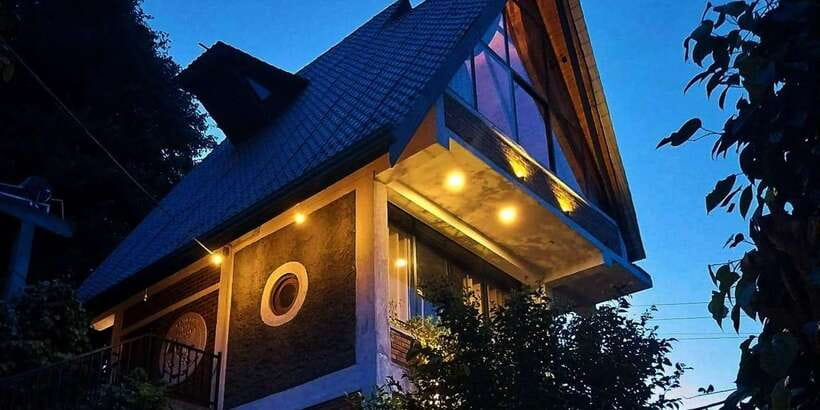
I’d book it if you’re in Ella and you want one evening that teaches both ingredient basics and cooking technique. The spice garden part gives you the ingredient map, and the fireplace cooking part turns that map into dishes you can repeat at home. For the price, you’re getting a full multi-dish meal plus a take-home PDF, and the small group size makes it feel personal rather than rushed.
Skip it only if you’re looking for a pure sightseeing experience with zero kitchen time. If you’re happy to cook, taste, and learn how Sri Lankan spices work in real meals, this is the kind of 4-hour plan you’ll remember when you’re back at your kitchen stove.
FAQ
How long is the cooking class and spice garden tour in Ella?
The total experience lasts about 4 hours, including a 1-hour spice garden tour and around 3 hours of cooking.
What’s the group size?
The group is limited to a small group of up to 8 participants.
Is the class taught in English?
Yes, the instructor is listed as English.
What dishes will we cook during the class?
You’ll cook white rice and seven curries, including pumpkin or dhal curry, potato milk curry, mushroom curry, green bean curry, chicken curry (with vegetarian/vegan options if needed), and coconut sambol. You’ll also make crispy banana chips and papadam.
Can I request vegetarian or vegan dishes?
Yes. Vegetarian & vegan dishes are available if needed.
Do I get recipes to take home?
Yes. You receive a recipes book PDF.
Is there a meal included, or do I just watch the cooking?
A meal is included. After cooking, you sit down to eat the dishes served on banana leaves.
Can the provider arrange pickup?
Yes. Pickup can be arranged from anywhere, with a reasonable price.
Is Wi‑Fi available?
Yes. Free Starlink Wi‑Fi is included.