REVIEW · GALLE
Galle: Cooking Class at a Local Home and Market Tour
Book on GetYourGuide →Operated by Gallecookingclass · Bookable on GetYourGuide
Curry starts at the market. This Galle cooking class is built around shopping with Madhu and her family, then cooking in a real Sri Lankan home kitchen in Kotapola.
I love the market-first setup, where you choose fresh veggies for your curries (and you might even sample street food along the way). I also like the hands-on flow, where you help make several dishes instead of watching one person cook.
One drawback to consider: it’s a tight 3-hour session, so if you want a slow, one-dish-at-a-time masterclass, this format may feel a bit fast in a home kitchen.
In This Review
- Key things I’d bet you’ll care about
- Why This Galle Cooking Class Starts in the Market (Kotapola Ingredients)
- Madhu’s Home Kitchen and the Small-Group Setup
- What You’ll Cook: Vegetable Curry, Fish or Chicken, Coconut Sambol, Dessert
- How the Lesson Works: Choose, Cook, Contribute, Taste
- The Feast and the Meal Itself (What You Eat at the End)
- Price and Value: What $40 Gets You in Real Terms
- Who Should Book This Class in Galle
- Should You Book This Galle Cooking Class?
- FAQ
- How long is the cooking class?
- Is the instructor available in English?
- What dishes can I expect to cook and eat?
- Do I get to shop at a market during the experience?
- What’s included besides the cooking lesson?
- Can the class handle vegetarian or lower-spice preferences?
Key things I’d bet you’ll care about
- You shop for ingredients first at a local market, so the food tastes like it’s from that morning, not a supply chain.
- Madhu’s home-cooking approach means you learn the Sri Lankan logic behind spices, coconut milk, and curry balance.
- You cook as a group (small group up to 10), with everyone contributing to multiple dishes.
- You may make a lot of food: some groups reportedly cook up to 11 traditional dishes.
- Dietary and spice preferences can be handled if you communicate them clearly.
- You leave with recipes and even photo/video so you can recreate the dishes later.
Why This Galle Cooking Class Starts in the Market (Kotapola Ingredients)
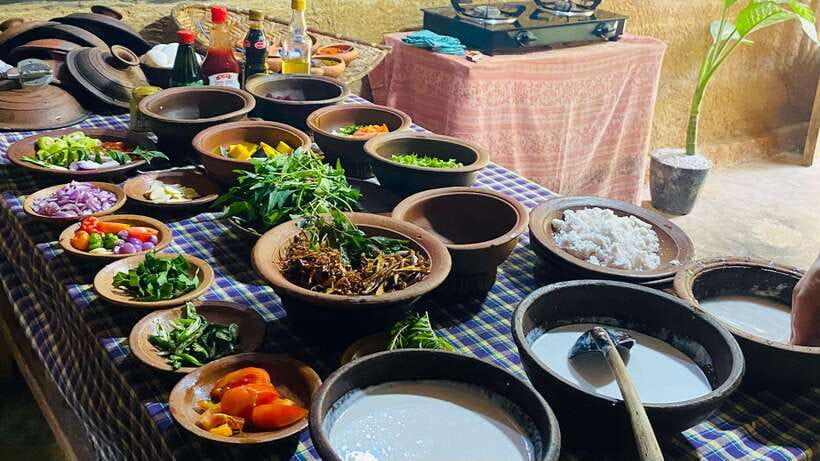
The best part of this experience is also the simplest: you don’t begin in a kitchen. You begin in a market, choosing ingredients that actually reflect Sri Lankan cooking.
You’ll head out with your chef-guide to a local market in Galle to buy fresh items for your meal. The point isn’t just to “see a market.” You’re picking vegetables for your curry, and you’ll learn what each ingredient is doing in the final dish. That changes how you cook later at home, because you’re not memorizing steps blindly—you’re understanding the role of spice, onion, coconut, and produce.
There’s also time to sample street-style snacks from a market stall. That’s useful, even if you’re not a big street-food person. Tasting helps you connect the flavors you’ll cook with what you just saw, so curry powder doesn’t feel like an abstract ingredient. It becomes a flavor direction.
One extra bonus: in at least one recent session, the group also visited a local spice shop where you had a chance to buy spices. Even if you don’t buy much, it’s a good reminder that Sri Lankan cooking is built on layering spices, not just one heat source.
Practical takeaway: if you’re the type who thinks food starts at a grocery store, this tour will recalibrate you fast.
You can also read our reviews of more tours and experiences in Galle.

Madhu’s Home Kitchen and the Small-Group Setup
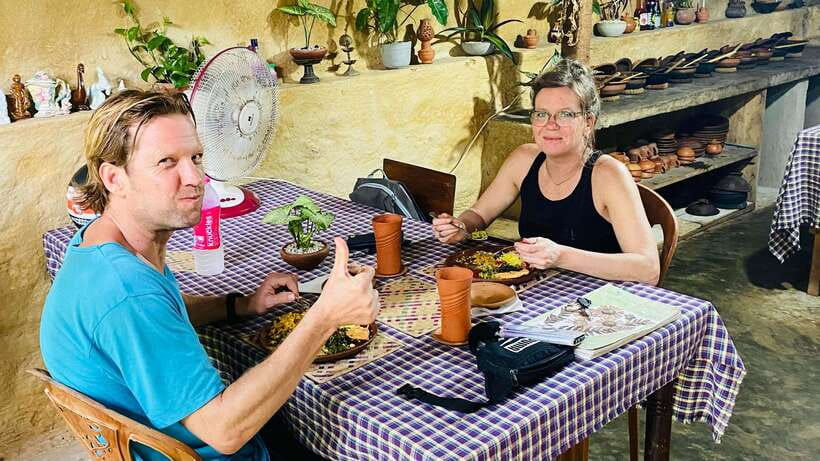
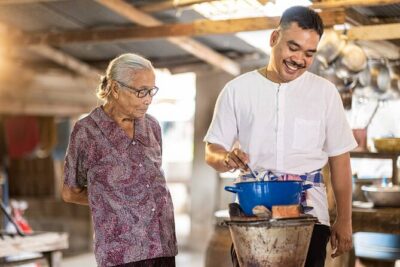
This class happens in Madhu’s home, with a traditional Sri Lankan kitchen setup. That matters more than it sounds. At a lot of cooking schools, you learn in a studio kitchen that’s designed for teaching. Here, you cook in the kind of kitchen where families actually make food.
The group is small—limited to 10 participants—which keeps the pace friendly and the instruction direct. It also makes it easier to ask questions while you’re chopping, mixing, or tasting. And yes, the class is in English.
Pickup and drop-off are included, which is a real comfort in Galle, where it can be a hassle to coordinate transport on your own. Several participants also mention tuktuk pickup, which is part of the fun and helps you feel like you’re moving with the local rhythm rather than waiting on a schedule.
Family hospitality comes through in the way the experience is run. Madhu and her family welcome the group into the cooking space, and children were also described as being welcomed during some sessions. That gives the class a warm, human feel—more like joining a household day than attending a formal activity.
Practical takeaway: you’ll get more out of this if you’re comfortable asking questions and jumping in, even if you’re a little new to curry cooking.
What You’ll Cook: Vegetable Curry, Fish or Chicken, Coconut Sambol, Dessert
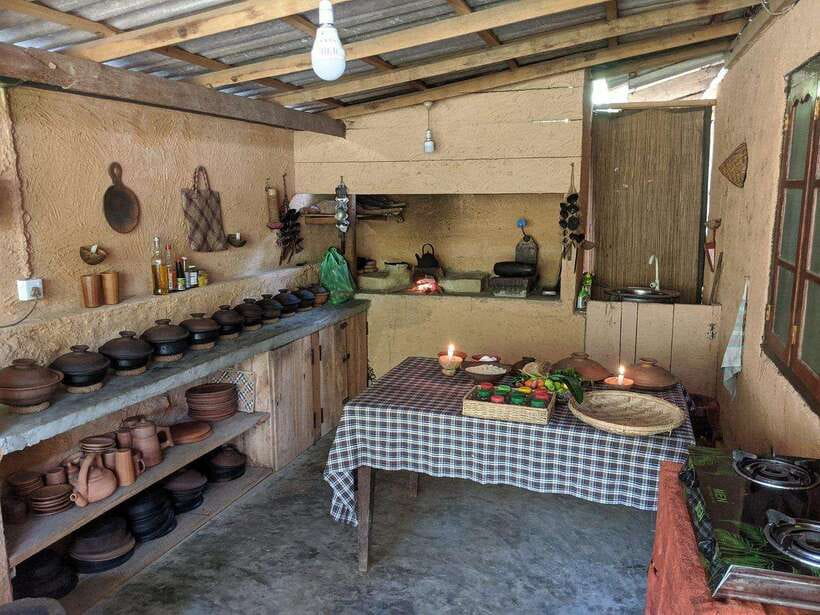
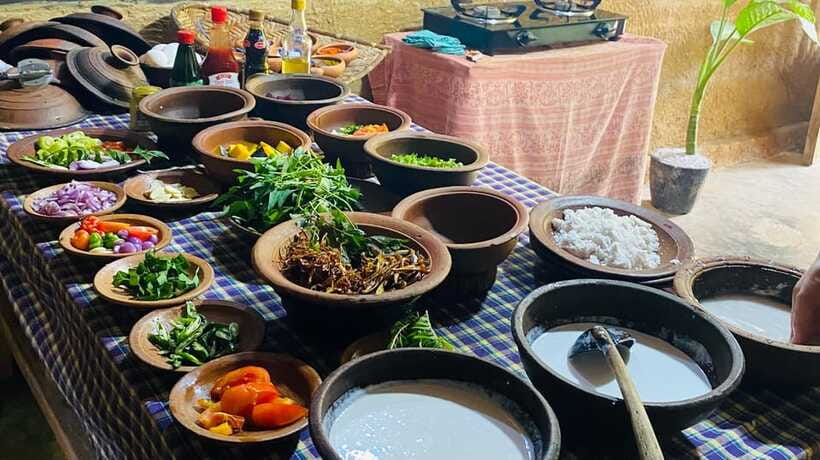
You’re not just making one dish and calling it a day. The meal centers on classic Sri Lankan combinations, and you’ll cook a variety of traditional items.
From the activity details, you can expect dishes like:
- Vegetable curry (listed as 7 vegetable curry)
- Fish curry or chicken curry
- Coconut sambol
- Dessert
Coconut sambol is one of those Sri Lankan staples that changes how you understand “sambol” as a concept. It’s not just a garnish. It’s a flavor engine—coconut, chili heat, and acidity working together so the meal tastes complete.
Your curry base will also be a key learning area. In several accounts, participants highlighted that ingredients were fresh from the market and that the spice/coconut components were prepared in a home style. That home approach is part of why the food gets such strong praise.
One more detail worth knowing: the number of dishes can be more than you expect. In at least one experience, the group learned to cook 11 different traditional dishes. So even though the activity is only 3 hours long, the class format is geared toward variety and lots of hands-on work.
Practical takeaway: if you come hungry, you’ll leave happier—and if you come skeptical about curry, you may rethink that by the time sambol hits the table.
How the Lesson Works: Choose, Cook, Contribute, Taste
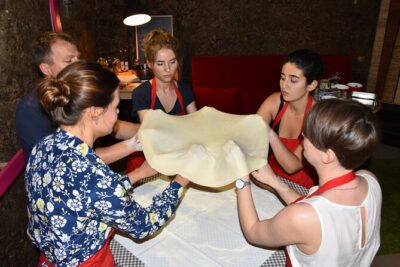
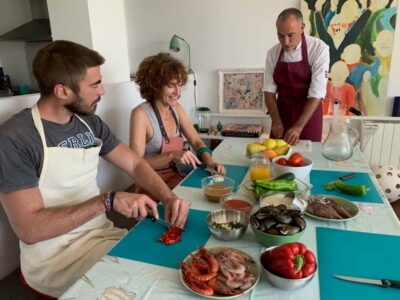
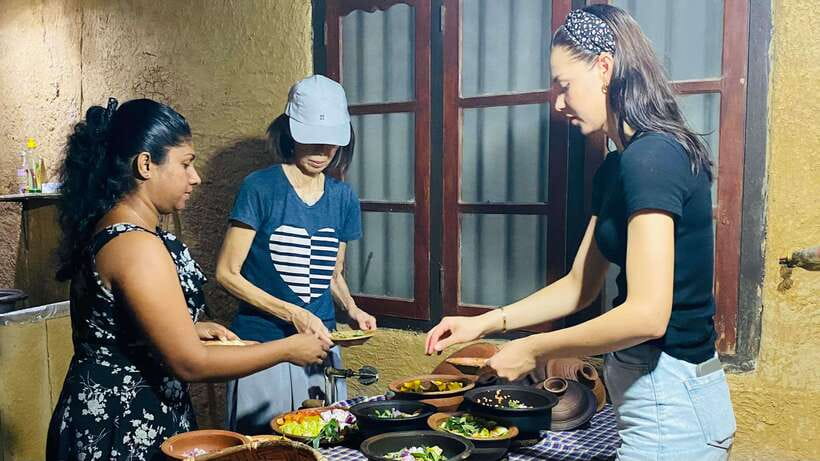
This class isn’t set up like a demo where one person cooks and you politely watch. The structure is more collaborative: you choose ingredients, you prepare things together, and everyone contributes to the dishes.
The market stage isn’t just sightseeing. When you select vegetables for the curry, you’re giving your hands a mission. That makes the cooking section feel more connected and less like a random series of steps.
Back in the kitchen, Madhu explains ingredients and how they work in Sri Lankan dishes. Multiple accounts mention that the explanation is clear and that participants asked plenty of questions about spices and technique. That matters because Sri Lankan cooking can feel intimidating if you treat it like a sealed system of “exotic spices.” Here, you’re taught the purposes behind the ingredients, so you can reproduce the idea later.
You’ll likely notice a big difference in how you cook when you’re contributing to multiple dishes. One recent group described it as everyone making a part, rather than each person doing one full recipe. That’s a good setup if your goal is to taste variety and learn breadth. It also means you don’t walk away with just one wow dish—you walk away with a menu of ideas.
There’s also a cultural layer beyond cooking. The experience notes mention learning a few Sri Lankan phrases, which is a nice way to turn “food time” into a fuller moment with your hosts.
Practical takeaway: to get the most out of this format, keep your curiosity switched on. If something looks confusing, it’s usually because you’re not yet sure what role an ingredient plays. Ask for that role.
The Feast and the Meal Itself (What You Eat at the End)
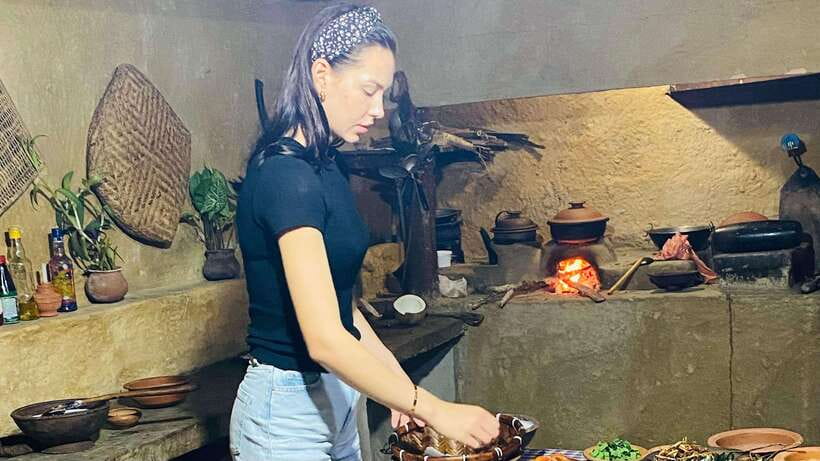
After the cooking, you sit down to the meal. This is not a “snack and send-off.” It’s a proper course meal with side dishes, with the dishes you made forming the core of the table.
The experience is described as ending in a feast, and one strong theme in the feedback is how good the food tastes. That’s not just because it’s homemade. It’s because you’re cooking with fresh market ingredients and then eating in the same setting—so you’re not losing quality after transport or reheating.
You’ll also get a welcome drink at the start, and water is included. Those small comforts matter on a 3-hour outing, especially if you’re shopping, tasting street food, then cooking.
Dessert is part of the plan, which means you get the full arc: curry and sambol first, then something sweet to close.
Practical takeaway: don’t plan to eat a heavy lunch right before. You want room for the feast.
Price and Value: What $40 Gets You in Real Terms
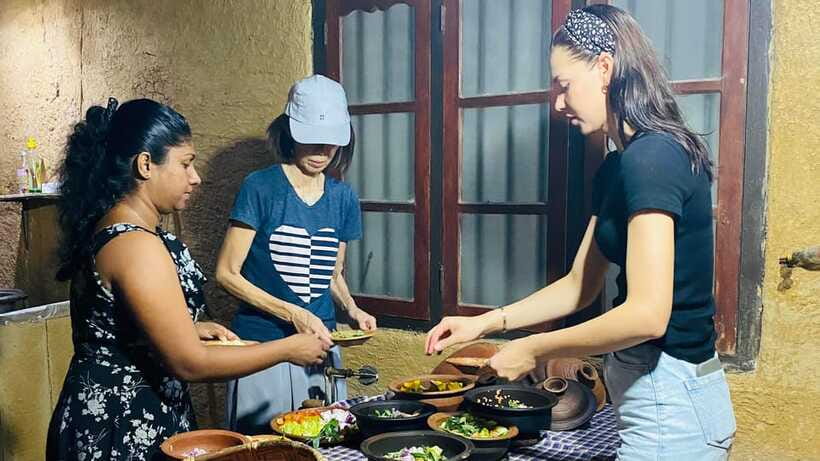
At $40 per person for about 3 hours, this isn’t just a “cooking class.” It’s closer to three experiences bundled together: a market tour, a guided cooking session in a local home, and a full meal you get to eat.
Here’s where the value comes from:
- Market ingredient selection: you’re not cooking with generic pantry items; you’re buying fresh produce and learning ingredient purpose.
- Hotel pickup and drop-off: that removes hassle and time you’d otherwise spend figuring out transport.
- Professional chef-guiding: you’re learning with an English-speaking instructor.
- Meals with side dishes: you’re eating what you cook, which is a big cost saver versus paying separately for food.
- Recipes plus photo/video service: you get materials to help you recreate the dishes later, and the documentation makes it easier to remember what you made.
Is it a luxury course? Not in the “fine dining” sense. But that’s not the point. It’s good value because it gives you ingredients, instruction, context, and a satisfying meal, all in one tight window.
Practical takeaway: if you like food tours that teach you how to cook and not just what to eat, this price starts to make a lot of sense.
Who Should Book This Class in Galle
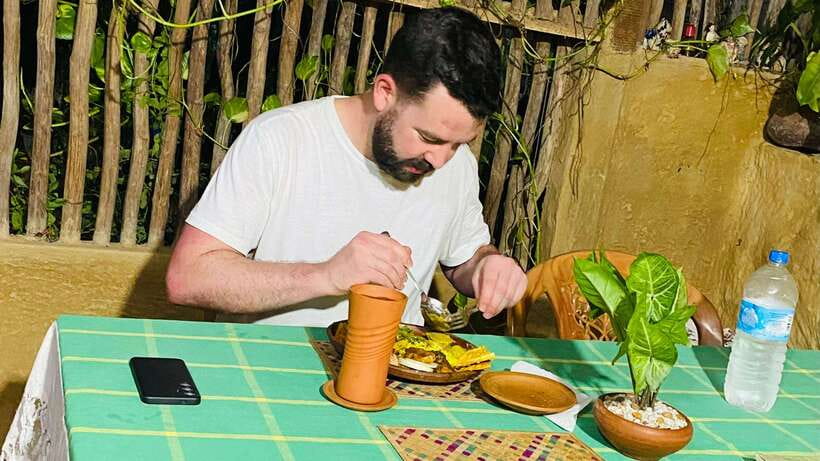
This is a strong choice if you want Sri Lankan cooking in an actual home setting, not a staged studio experience. It suits:
- Couples and friend groups who want to learn together and eat together
- Solo travelers who like small group activities (up to 10)
- Food lovers who enjoy markets and want to understand ingredients
It can also work well if you have dietary concerns. One participant noted vegetarian considerations were taken seriously, and another mentioned that the host prepared a fish option with less spice for a friend who didn’t want heavy spice. So the key move is simple: tell Madhu what you need before you start cooking, and you’ll likely get thoughtful adjustments.
If you hate spicy food, don’t panic. Curry spice levels can be handled, but you should communicate clearly.
Practical takeaway: come with an open mind about vegetables and spices. Sri Lankan curry can be surprisingly flexible once you learn the logic.
Should You Book This Galle Cooking Class?
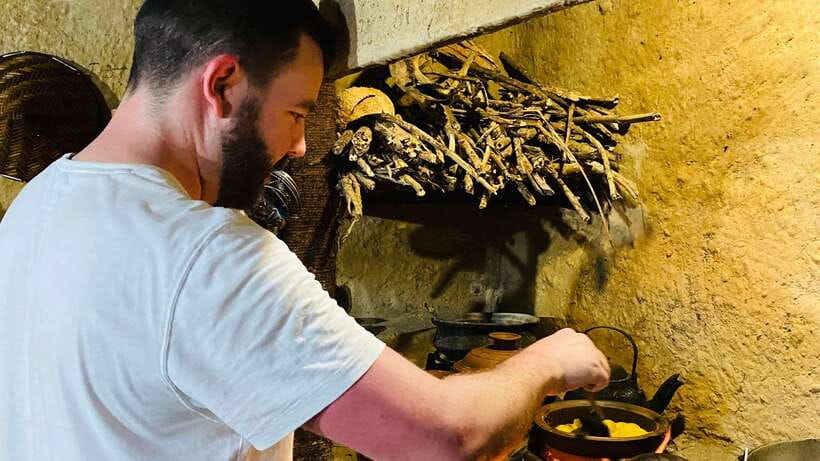
Book it if you want a hands-on Sri Lankan food experience that starts with real ingredients and ends with a meal you helped make. The market-first approach, the small group size, and the home-kitchen setting combine into something more memorable than a typical cooking demonstration.
Skip it if you need a slow, deeply technical cooking course with lots of individual dish practice. Since it’s a 3-hour session, you’re meant to learn in motion—learning by doing across multiple dishes.
If you’re deciding right now, ask yourself one question: do you want to taste and learn the broad Sri Lankan curry-and-sambol style, or do you want one dish perfected to a science? This class is built for the broad, flavorful learning path.
FAQ
How long is the cooking class?
The experience runs for 3 hours.
Is the instructor available in English?
Yes. The instruction is in English.
What dishes can I expect to cook and eat?
You’ll cook and eat dishes including vegetable curry (7 vegetable curry), fish curry or chicken curry, coconut sambol, and dessert.
Do I get to shop at a market during the experience?
Yes. The activity includes a market tour where you procure fresh, locally sourced ingredients for your cooking class.
What’s included besides the cooking lesson?
Hotel pickup and drop-off, a welcome drink, ingredients and equipment, meals with side dishes, water, photo and video service, and recipes are all included.
Can the class handle vegetarian or lower-spice preferences?
The information you’re given suggests they can accommodate preferences, since one participant reported careful consideration for vegetarian needs and another mentioned a less-spiced fish option for a friend. Let the host know your preference before cooking.