REVIEW · GALLE
Galle: Traditional Sri Lankan Cooking Class
Book on GetYourGuide →Operated by Ceylon Eco Love Tours · Bookable on GetYourGuide
Cooking with a local family feels real. In Kotapola near Galle, this class teaches Sri Lankan flavor through spice mixes and ingredient know-how in a home kitchen setting.
I also love the food payoff: a welcome drink, then lunch or dinner you help prepare, plus desserts, with hosts like Malik and his mother (and chef Manogi) making it feel genuinely warm. One thing to consider: it is not a slow, step-by-step cooking-by-yourself class; you assist with prep while the chef leads the cooking.
In This Review
- Key Things to Know Before You Go
- Galle Cooking in a Real Home Kitchen (Kotapola setup)
- What You’ll Cook: Sri Lankan Dishes, Spice Mixes, and Familiar Ingredients
- The 3-Hour Flow: Welcome Drink, Cooking Support, and the Meal Finish
- Arrival and welcome
- Ingredient talk and prep
- Cooking with the chef in the lead
- Taste, lunch or dinner, and desserts
- Meet the Hosts: How Malik, His Mother, and Chef Manogi Make It Feel Personal
- Price and Value: Is $40 for 3 Hours a Good Deal in Galle?
- Dietary Needs and Vegan Options: How to Make Sure You’re Comfortable
- Who This Cooking Class Suits Best (And Who Might Be Disappointed)
- Should You Book This Galle Cooking Class?
- FAQ
- Where is the cooking class located?
- How long is the class?
- How much does it cost?
- Is the class taught in English?
- What is included in the price?
- What is not included?
- How do I find the meeting point?
- Is it wheelchair accessible?
- FAQ
- Can I cancel if my plans change?
- Is there a pay-later option?
- Is it a group class or private?
Key Things to Know Before You Go
- You cook in a family kitchen in Kotapola, not a flip-through demo studio
- Spice-mix practice helps you repeat Sri Lankan flavors at home
- Hands-on prep, not total solo control: you cut, mix, and season while the chef drives
- You eat what you make, with lunch or dinner plus desserts
- English-speaking guidance and help finding the place by phone
- Vegan requests can be handled, and you may cook multiple dishes when requested
Galle Cooking in a Real Home Kitchen (Kotapola setup)
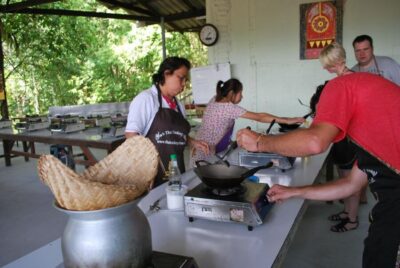
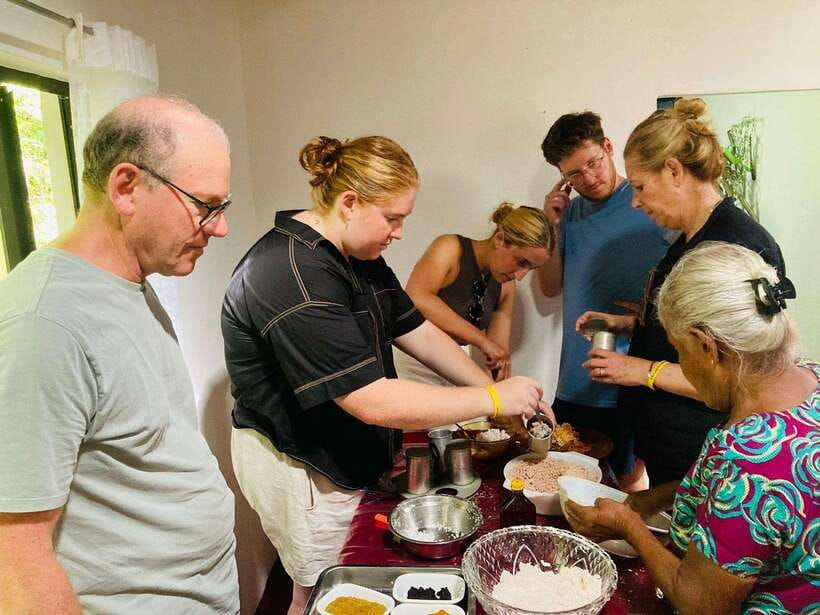
This experience runs out of a local home in Kotapola, close enough to Galle that you can treat it as a main event without turning the day into a logistics puzzle. The big advantage is simple: you’re not learning Sri Lankan cooking as a performance. You’re learning it as it actually happens, in a household kitchen where the focus is ingredients, routine, and feeding people well.
It’s a private group format, and that matters more than you’d think. You’ll get English instruction, and the pace is easier to follow than in a larger group where questions get swallowed. The experience is also marked wheelchair accessible, so it’s worth putting on your shortlist if mobility is a concern.
Getting there is usually straightforward if you use your map app. If you get stuck, the provider can connect you with an English-speaking local who can talk you through directions by phone. One practical tip: arrive a little early. The session starts with everyone settled and ready to work.
You can also read our reviews of more tours and experiences in Galle.
What You’ll Cook: Sri Lankan Dishes, Spice Mixes, and Familiar Ingredients
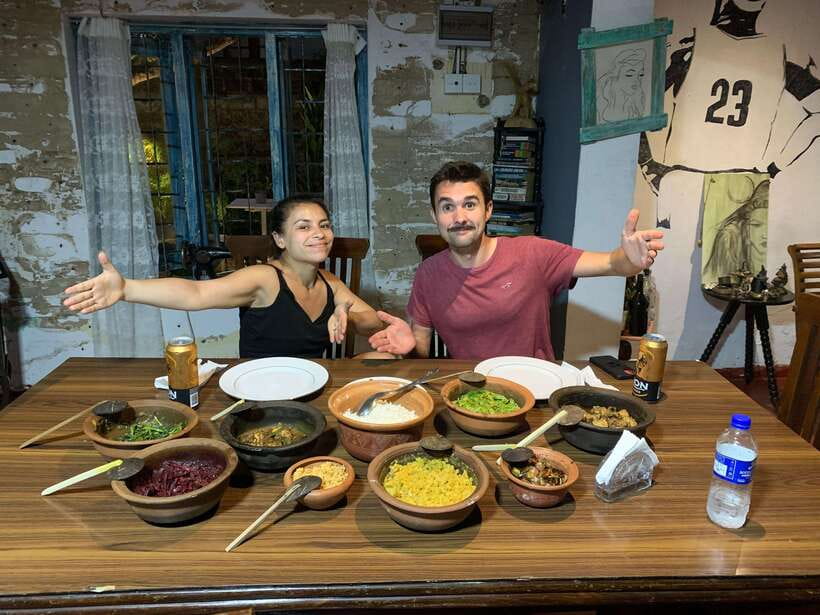
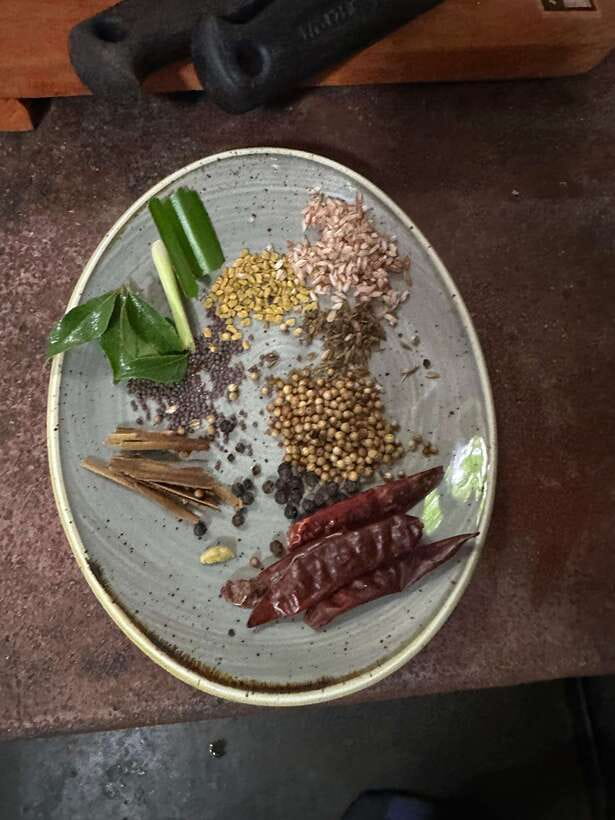
The class is built around Sri Lankan cooking—meaning spices aren’t treated like decorations. They’re treated like the engine. You’ll learn not only what to use, but how cooks think about them: what each spice does, how it changes when heated, and why certain blends show up again and again in Sri Lankan meals.
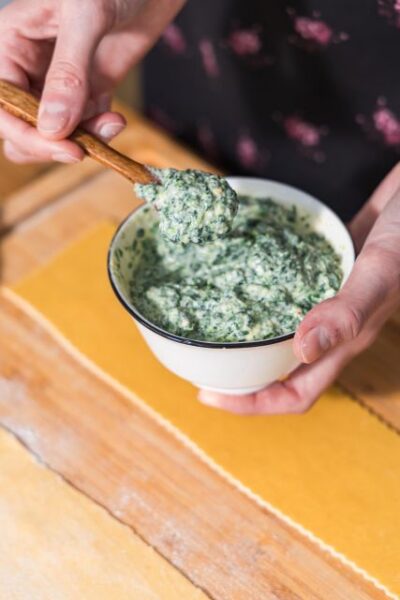
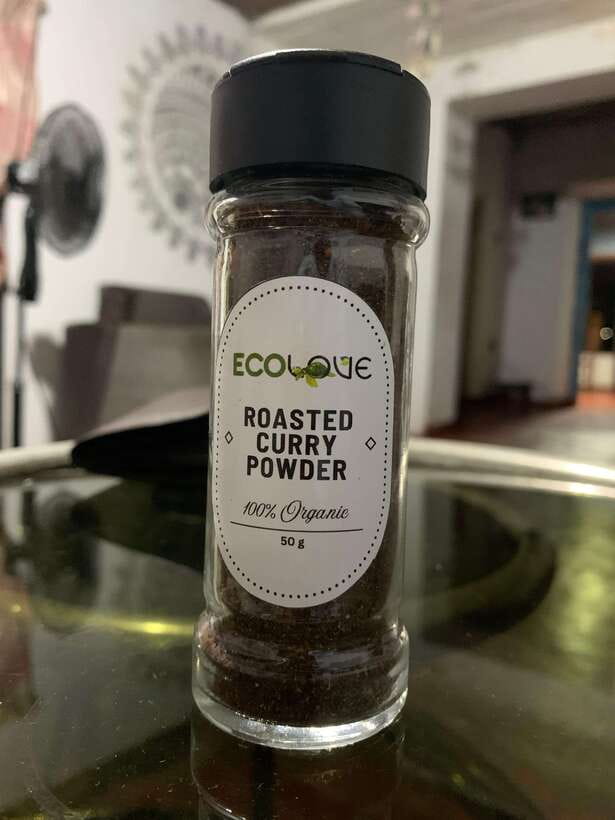
A standout theme from the experience is spice-mix training. In addition to cooking dishes, you may learn how to make spice mixes yourself, not just sprinkle them from a jar. That’s the kind of skill that sticks after the meal and turns the class into something more than entertainment.
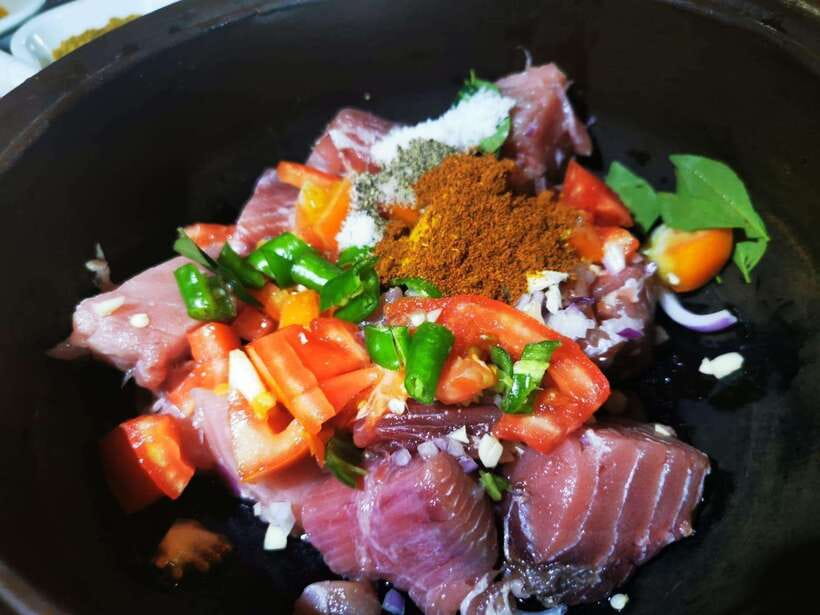
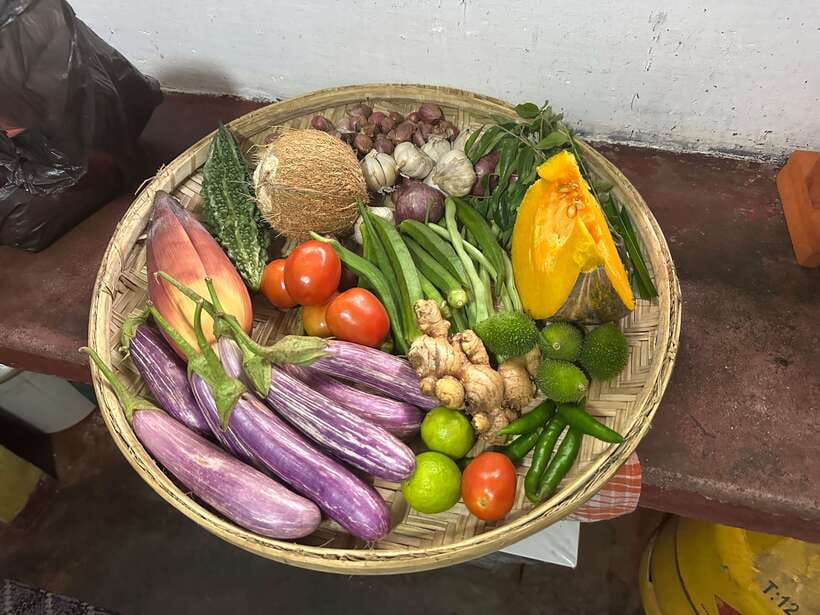
You’ll also be working with fresh ingredients. Expect tropical produce and pantry staples that show up constantly in Sri Lankan home cooking. Exact dishes can vary by season and menu, but the structure is consistent: multiple dishes across the session, then the full meal at the end.
And yes, dietary changes can be accommodated. One set of experiences was vegan-on-request, with cooking across many dishes (around eight in that case). If you have allergies or strong preferences, tell the provider in advance so they can plan substitutions instead of improvising mid-class.
The 3-Hour Flow: Welcome Drink, Cooking Support, and the Meal Finish
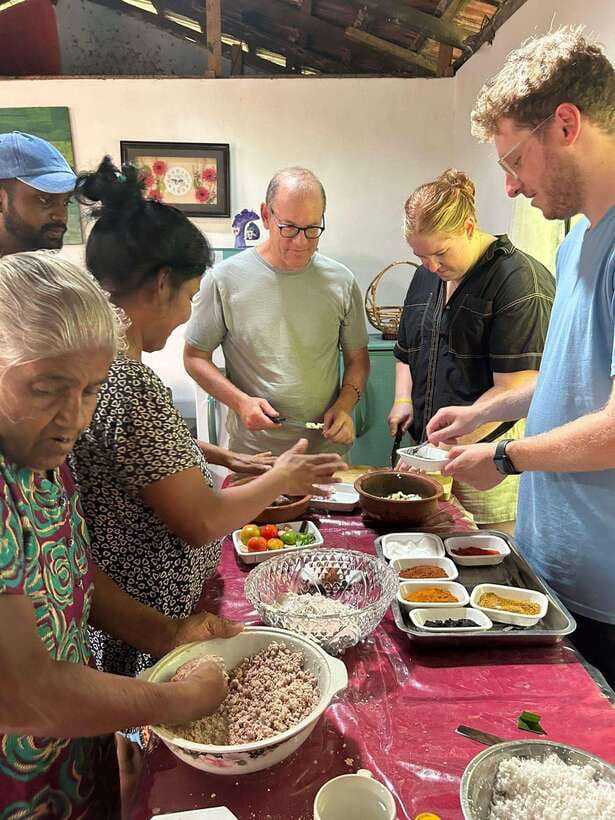
This is a 3-hour session, so you should think of it as focused and lively—not slow and leisurely. The day is organized so you get from planning to tasting without losing momentum.
Here’s the rhythm you can expect:
Arrival and welcome
You’ll meet your hosts and get settled. Many people report starting with a refreshing welcome drink (one example mentioned was watermelon juice). It’s a good reset from travel heat and helps you transition from sightseeing brain to cooking brain.
Ingredient talk and prep
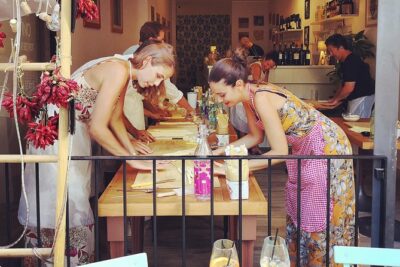
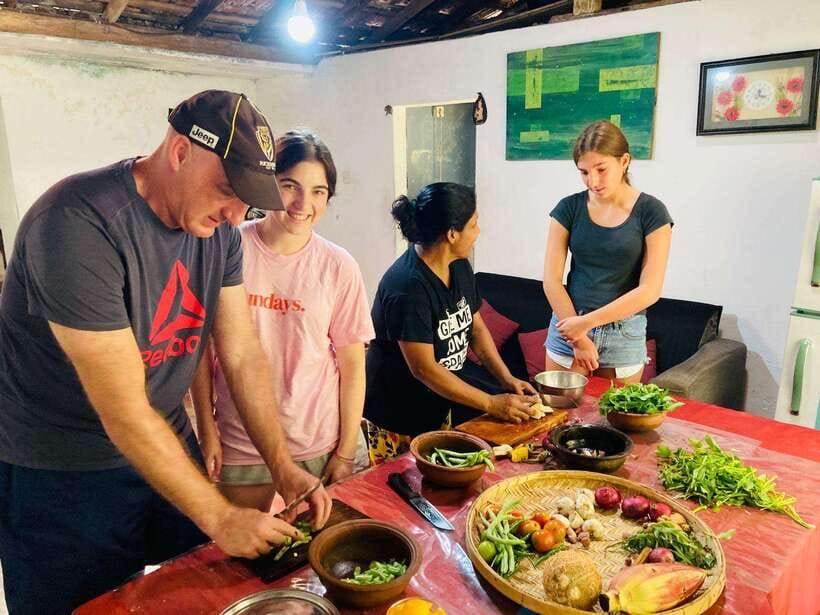
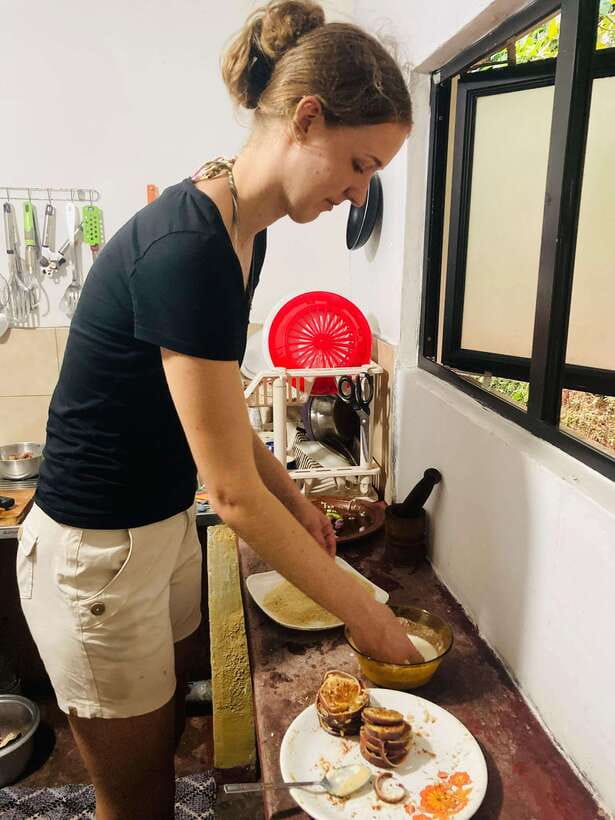
Before the cooking really ramps up, you’ll get explanations in English about what you’re using and why. Then the practical work begins. You’ll help with tasks like cutting, mixing, and adding spices. This is where you’ll learn by doing, not just watching.
Cooking with the chef in the lead
Here’s the important nuance: this is hands-on, but it’s not a total DIY class. Even in the best experiences, the chef handles much of the cooking, especially the parts that need tight timing or stove control. You’ll still do real prep and seasoning, but you won’t be standing alone for every step like a private culinary school.
If you want total step-by-step autonomy for several hours, you might feel rushed. If you want the lesson plus the results, this format is usually perfect.
Taste, lunch or dinner, and desserts
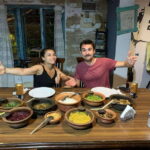
By the time you reach the eating part, the class payoff is clear: you’re served lunch or dinner featuring what you helped prepare. Desserts are included too. One nice detail from the experience is that the hosts may add extra local touches after the meal—for example, buffalo curd with treacle was mentioned as a memorable finish.
That meal structure is also a practical advantage for you. Instead of buying separate food after cooking, you leave with a complete Sri Lankan experience already handled.
Meet the Hosts: How Malik, His Mother, and Chef Manogi Make It Feel Personal
Food classes can go two ways: either they’re technically correct but emotionally flat, or they feel like you stepped into someone’s routine for the day. This one leans personal.
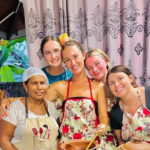
Hosts mentioned across the experience include Malik and his mother, who are described as warm and welcoming, and chef Manogi, who comes up as an excellent chef presence. Even when you’re assisting rather than fully taking over the stove, that family atmosphere matters. You’ll get explanations in context, plus the sense that you’re learning from people who cook this way every day, not only when visitors arrive.
Expect conversations about local cuisine and culture alongside the work. That combination is where the class becomes more than recipes. You start to understand how spice blends fit into everyday meals, and why certain ingredients are treated as core rather than optional.
Price and Value: Is $40 for 3 Hours a Good Deal in Galle?
At $40 per person for a 3-hour class, the value comes from what’s included. You’re not just paying for instruction; you’re paying for the full cooking setup and the meal.
Included items:
- Local culinary expert
- Cooking ingredients and equipment
- Welcome drink
- Lunch or dinner with what you cook
- Desserts
What’s not included:
- Hotel pickup and drop-off
- Personal expenses
So the real question is whether you’d otherwise spend close to that on a guided food experience plus a full meal. In many cases, you’d pay for a guided meal separately anyway. Here you get the meal and the learning together in one block of time. If you’re traveling in a small group, the private format also helps the cost feel more manageable.
The only real trade-off on value is logistics: there’s no pickup. You’ll need to handle getting yourself to the meeting point. If you’re staying near Galle town, that’s usually easy. If you’re farther out, it can add time (and taxis), so plan accordingly.
Dietary Needs and Vegan Options: How to Make Sure You’re Comfortable
This is one of those experiences where your preparation ahead of time can make the difference between a smooth class and an awkward one. The provider asks you to notify them in advance about dietary restrictions or allergies. Do it early, and be clear about what you need to avoid.
Vegan is explicitly mentioned as an option by request, at least for some groups. That’s great if you eat plant-based, but don’t assume it will cover every type of restriction automatically. If your needs are allergy-related, provide specifics so the kitchen can plan safely.
Once you arrive, don’t be shy about asking questions. Since the guidance is in English, communication should be easier than in classes where you’re guessing with a smile.
Who This Cooking Class Suits Best (And Who Might Be Disappointed)
This is a strong match if you:
- Want practical skills you can repeat later, especially spice-mix know-how
- Care about eating well, not just collecting photos
- Like learning through food culture, ingredient explanations, and cooking in a real home
- Prefer a private group format with room for questions
It may not be ideal if you:
- Want to cook every single step entirely on your own, slowly and independently
- Are allergic or restricted and haven’t told the provider ahead of time
- Are expecting hotel pickup
Also, plan your day with eating in mind. You’ll be fed here—so you don’t need to force a big meal right before. If you show up hungry and ready to work, the whole arc lands better.
Should You Book This Galle Cooking Class?
If you’re in Galle and you want one experience that mixes skill, local warmth, and a full meal, I’d book this. It’s not just a recipe handout. You’re learning how spice blends and cooking techniques work in a home kitchen, then you get the payoff at the table.
Book it if you like hands-on cooking, want guidance in English, and appreciate meals built around what you make. Pass if you want a slow, fully self-run cooking class with step-by-step control for the whole time.
One last practical nudge: if you have dietary restrictions, send them ahead of time. And if your schedule is flexible, the experience offers free cancellation up to 24 hours in advance, so it’s easier to fit into a real travel plan.
FAQ
Where is the cooking class located?
It takes place in Kotapola, Sri Lanka, in the Galle area.
How long is the class?
The duration is 3 hours.
How much does it cost?
The price is $40 per person.
Is the class taught in English?
Yes, the instructor is English-speaking.
What is included in the price?
You get a local culinary expert, cooking ingredients and equipment, a welcome drink, lunch or dinner (the prepared meal), and desserts.
What is not included?
Hotel pickup and drop-off are not included, along with personal expenses.
How do I find the meeting point?
If you’re using a map, it’s easier to reach the location. If you have trouble finding it, an English-speaking local can give directions by phone.
Is it wheelchair accessible?
Yes, it is wheelchair accessible.
FAQ
Can I cancel if my plans change?
Yes. You can cancel up to 24 hours in advance for a full refund.
Is there a pay-later option?
Yes. You can reserve now and pay later.
Is it a group class or private?
It’s listed as a private group.