REVIEW · NORTE REGION
Porto: Pastel de Nata Cooking Class with Grandma’s Recipe
Book on GetYourGuide →Operated by Porto Cooking Class · Bookable on GetYourGuide
Custard tarts, made with a family recipe. This Porto pastel de nata cooking class is built around a home kitchen, a grandma-style method, and the kind of step-by-step teaching that leaves you confident to bake again. You’ll work through making pasteis de nata from scratch, then eat your results warm and fresh.
I love how small the group is (up to 10), so you’re not just watching. I also like that you don’t stop at mixing: the experience ends at the table with drinks and the pastries you made. That full loop is what makes this feel personal, not performative.
One drawback to consider is location and transport. The home is about 10 minutes by car from Porto city center, so plan your ride before class ends.
In This Review
- Key things that make this class special
- A Porto Home Kitchen, Not a Baking Studio
- Rolling Up Your Sleeves: From Custard to Pastry
- Following Grandma’s Recipe: The Cultural Part You Actually Feel
- The Class Flow: How the Kitchen Time Plays Out
- The Best Part: Sitting Down with Coffee and Fresh Tarts
- Price and Value: Is $33 Worth It?
- Getting There From Porto: Metro, Bus, or a Quick Ride
- Who This Class Is For (and Who Might Skip It)
- Tips to Get the Most Out of Your 2 Hours
- Should You Book This Pastel de Nata Class in Porto?
- FAQ
- How long is the pastel de nata cooking class in Porto?
- What is included in the price?
- Is transportation included?
- Where is the meeting point?
- How many people are in the group?
- What language is the class taught in?
- Is the experience wheelchair accessible?
- Can I get a refund if my plans change?
Key things that make this class special
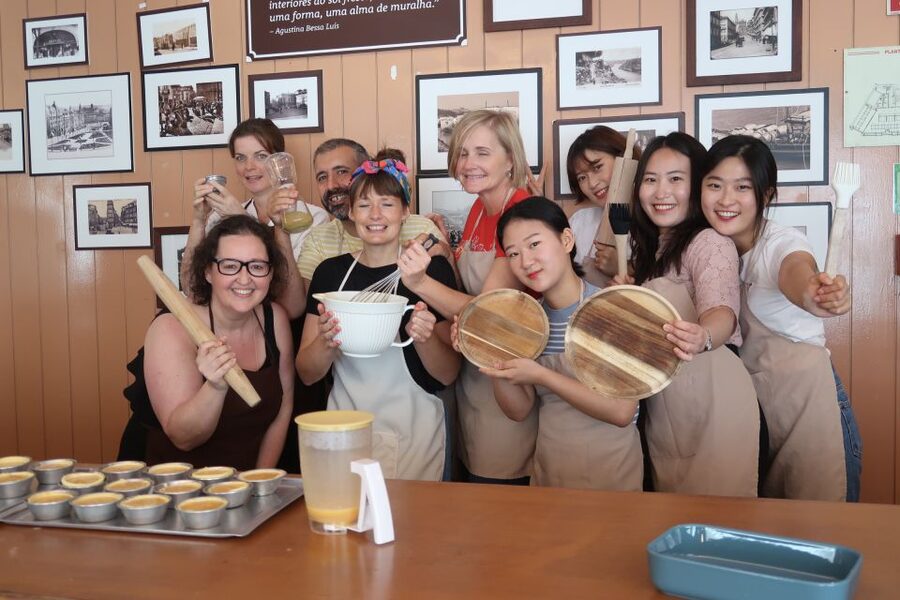
- Grandma’s recipe style, taught by Joana: family-rooted technique, explained clearly in English
- Hands-on from dough to filling: you actually participate, not just assemble
- Small group energy: up to 10 people, with a rotating team rhythm
- Oven-fresh payoff at the table: coffee, tea, and orange juice with your pastries
- Cozy home-kitchen setting: warm light, calm pace, and real kitchen workflow
A Porto Home Kitchen, Not a Baking Studio
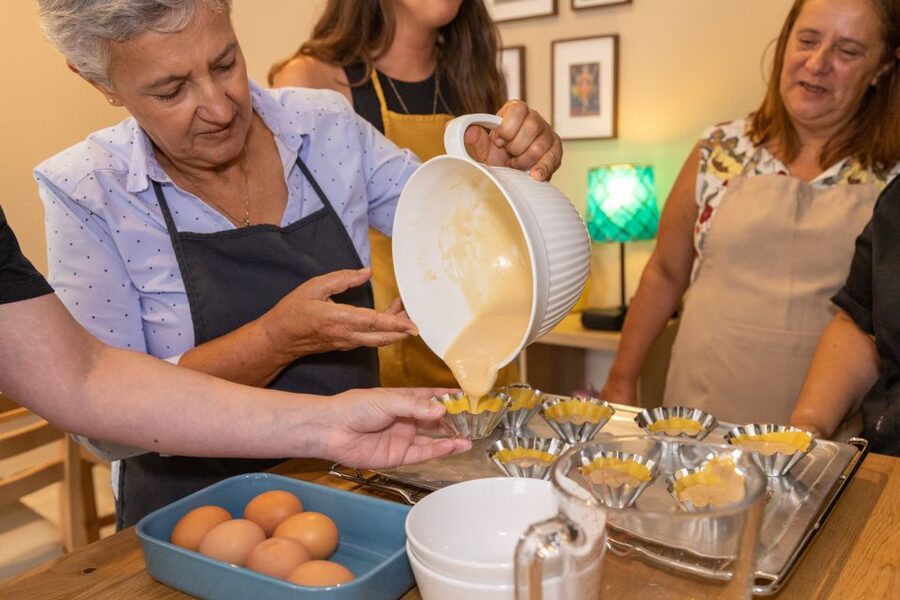
This class happens in the host’s home, not in a commercial school. When you arrive, Joana is waiting inside, and you’ll ring the doorbell labeled 2 Andar. Expect a true “come on in” vibe, with a working kitchen setup that feels lived-in and comfortable.
The timing matters here: you’re there for about 2 hours, which is long enough to learn the steps and still end with the reward. And because it’s limited to 10 participants, the pace stays friendly. You won’t get swept into a crowded, factory-style flow.
There’s also a practical comfort factor. People mention the home is beautiful and cozy, with natural light and a relaxed atmosphere. That’s not just ambience. It makes it easier to focus on the technique, from rolling/working dough to filling tarts.
Rolling Up Your Sleeves: From Custard to Pastry
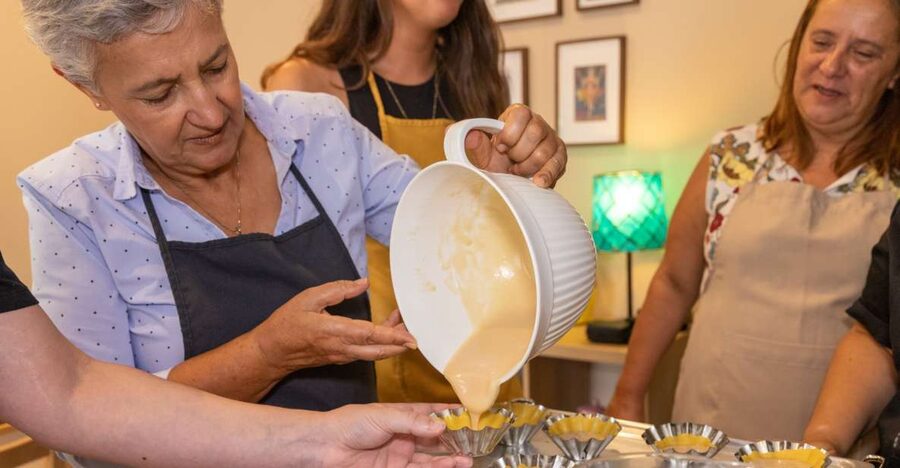
The core of the experience is making pasteis de nata step by step. The structure is simple: you start with the basics of preparing everything you need, then you assemble, bake, and finish with the freshest batch. Even if you’ve baked before, this style of class is useful because you learn the method as practiced in a real household kitchen.
Here’s what you can expect as the class moves along:
You’ll follow a recipe that belongs to Joana’s grandmother, and you’ll get hands-on with the process. Participants are typically rotated through tasks, so you can jump in where you’re needed instead of standing around.
A standout from the experience is that you learn both major parts: the pastry work and the custard filling. Some cooking classes skip the dough and arrive with shortcuts. This one focuses on the full process, which is exactly why the result feels more repeatable later at home.
One thing I’d call out for your expectations: you’ll be working calmly, not rushing. That matters with Portuguese custard tarts because small handling differences can affect texture and how the pastry behaves. You’ll get tips along the way, and you can ask questions as you go.
Following Grandma’s Recipe: The Cultural Part You Actually Feel
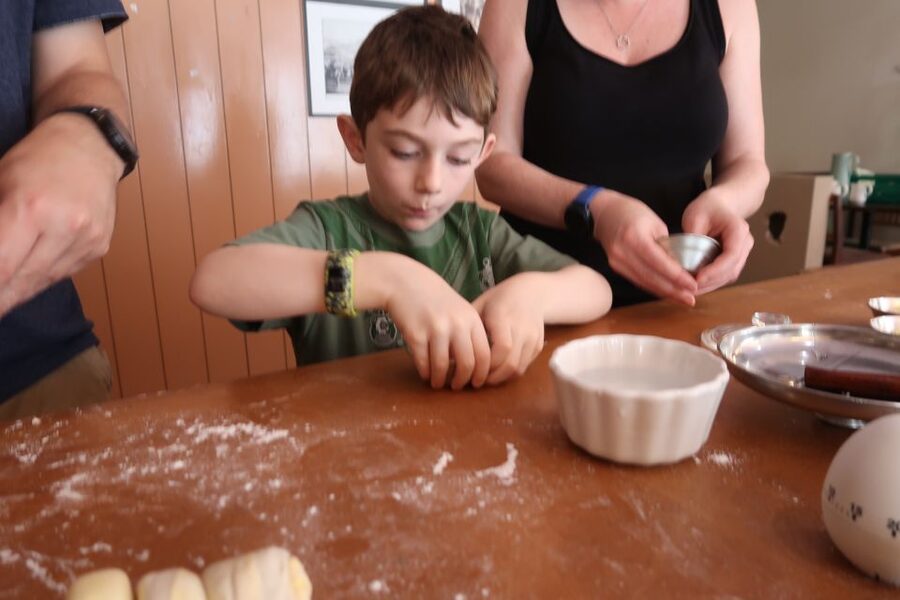
This isn’t just food instruction. You also start by meeting Joana, hearing about her family, and learning where the pastry comes from in her home. That personal context turns a recipe into something you can remember and explain, instead of just a technique you forgot after dinner.
The “why” matters for pasteis de nata. These tarts became famous for a reason: the contrast between a flaky, buttery pastry and a creamy custard isn’t accidental. When a teacher ties the method to family practice and timing, you understand the craft behind the flavor.
You’ll also learn fun facts as you participate. It’s the kind of added detail that makes the class more than “mix this, bake that.” It’s also one reason the social side works so well: you’re baking with people, but you’re also sharing stories at the same time.
The Class Flow: How the Kitchen Time Plays Out
You’ll typically begin with a warm welcome and introductions. Then Joana explains how the session will run, and you’ll get the ingredients and utensils set up for you. Because the group is small, it stays interactive, and you’re given clear tasks.
From there, the class keeps moving through stages:
- You work on the pastry component and learn the handling steps.
- You prepare the custard mixture with guidance.
- You assemble the tarts and contribute to the batch as different parts are handled by different people.
A repeated theme in the experience is patience. Joana is described as organized, calm, and encouraging, including for people who consider themselves beginners. That’s valuable. Custard tarts can look intimidating, but when you’re taught each step in plain language, it becomes doable.
Hygiene and structure also come up. The kitchen is kept clean, and tasks feel methodical. That gives you confidence you’re learning correctly, not just following a chaotic demo.
The Best Part: Sitting Down with Coffee and Fresh Tarts
The finale is built around the payoff. After the baking, you gather at a table with the drinks included: coffee, tea, and orange juice. Then you taste the pastries you made, warm and fresh.
This part is worth planning around. Two hours goes fast, and the sitting-and-tasting segment is where the experience turns from class into memory. You’re not eating tasting-room samples. You’re eating what you assembled, filled, and baked.
You should also know that the main included drinks are non-alcoholic. Some guests mention extra Portuguese drinks like port in certain moments, but the official offering is non-alcoholic. Either way, the table setup is part of the charm: you get to chat, swap notes, and compare how your batch turned out.
If you’re a foodie who likes results, this is a big deal. The goal isn’t just learning. It’s leaving with tarts you’ll actually want to eat slowly, not quickly.
Price and Value: Is $33 Worth It?
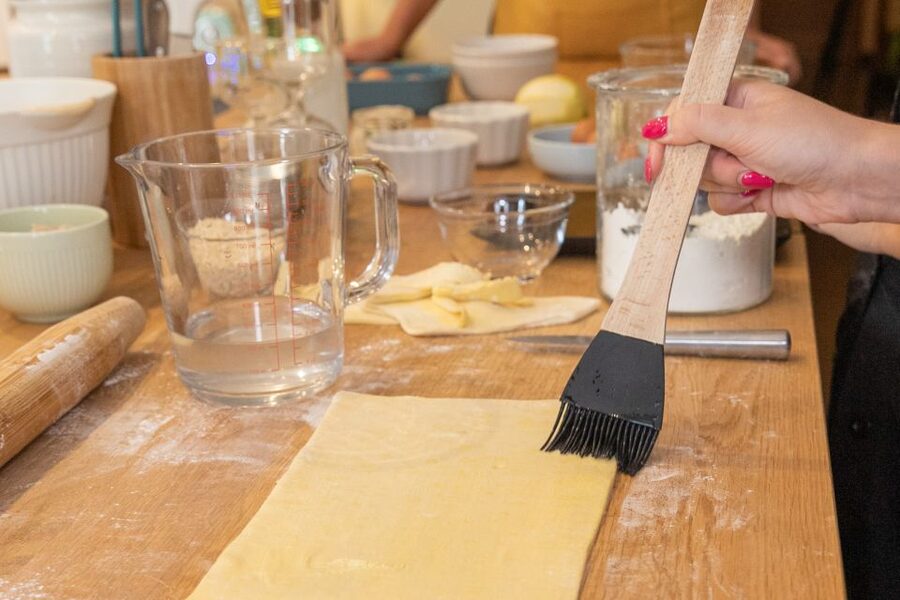
At $33 per person for about 2 hours, this class competes well with other food experiences in Porto. The real value is what’s included: ingredients and cooking utensils, a guided class, and drinks plus the pastries you make.
Here’s how I think about the money:
You’re paying for three things at once: teaching, ingredients, and the social home-kitchen setting. Many cooking experiences either feel too basic or too commercial. This one is small and hands-on, which is why it tends to feel worth it even if you could find a pastry class elsewhere.
Also, the skills you leave with are practical. When a host teaches the full process from pastry to custard, you have a chance of recreating it at home. That turns the class from a one-time meal into a repeatable souvenir you can eat again later.
And yes, the location factor matters. You’ll likely spend a bit on transportation to reach the home. But if you’re taking Bolt or Uber, the ride is short and can be efficient, especially for more than one person.
Getting There From Porto: Metro, Bus, or a Quick Ride
The home is roughly 10 minutes by car from Porto city center. If that sounds easy, it is, as long as you plan how you’re getting back.
Driving options and parking:
If you have your own car, there are free parking spots in the street (use what’s available on the day). If you’re staying in the center, ride shares usually make the most sense.
Bolt or Uber:
This is recommended, especially if you have more than two people, because splitting a car ride can beat buses or taxis.
Bus route from Bolhão:
If you’re coming from Bolhão, take bus 800 or 801. It stops just across the street from the house. One practical note: you can only buy the bus ticket inside the bus with coins.
Metro route from Trindade:
From Trindade Station, take the Orange Metro Line to Fânzeres. From there, you’ll walk about 700 meters, which takes roughly 10 minutes.
When you arrive:
Your host will be inside, and you ring the doorbell marked 2 Andar. So don’t worry if the entrance feels quiet. That label is your key.
Who This Class Is For (and Who Might Skip It)
This class is ideal if you want a real slice of Portuguese food culture without doing a full-day tour. It fits well for couples, solo travelers, and groups who like hands-on activities. The small-group limit also makes it easier to ask questions and actually feel involved.
You should also consider it if you like eating what you make. Ending with coffee, tea, orange juice, and warm tarts is a strong finish.
Who might skip it:
It’s not suitable for wheelchair users. If mobility access is a priority for you, this one won’t work.
If you already love pastel de nata and want to understand the method behind the best versions, this class is a smart move. And if you’re traveling on a rainy afternoon, a home-kitchen baking class tends to feel like a perfect reset.
Tips to Get the Most Out of Your 2 Hours
You’ll get the best experience if you treat it like a workshop, not a quick tasting. Come ready to work with your hands. Listen closely during each step, because the pastry part is where technique matters.
A few practical habits help:
- Wear something comfortable you can move in.
- Expect to switch tasks with the group, since it’s interactive.
- Ask questions early rather than waiting, especially if you’re unsure about dough texture or custard consistency.
Since the class is limited to 10, you’re not a spectator. The more you participate, the more the method sticks.
Should You Book This Pastel de Nata Class in Porto?
Book it if you want a small, hands-on Porto cooking class with a real home-kitchen feel and a grandma-recipe focus. The best reason is simple: you learn the process with guidance, then you eat the results while still warm. That makes the experience satisfying immediately, not just later.
Skip it if you strongly prefer to stay in the center the whole time, since you will need a ride to reach the home. Also skip it if wheelchair access is needed.
If you’re the kind of traveler who likes craft, food, and meeting locals (without the stiffness of formal tours), this one is a good match. You’ll leave with a skill you can actually use, a recipe you can remember, and a Porto memory tied directly to flavor.
FAQ
How long is the pastel de nata cooking class in Porto?
The class lasts 2 hours.
What is included in the price?
The price includes the guided cooking class, ingredients and cooking utensils, drinks (non-alcoholic), and the pastries you make.
Is transportation included?
No. Transportation to the meeting location is not included.
Where is the meeting point?
The class takes place at the host’s home, about 10 minutes by car from Porto city center. When you arrive, ring the doorbell labeled 2 Andar.
How many people are in the group?
It’s a small group limited to 10 participants.
What language is the class taught in?
The host or greeter speaks English.
Is the experience wheelchair accessible?
No. It’s listed as not suitable for wheelchair users.
Can I get a refund if my plans change?
There is free cancellation up to 24 hours in advance for a full refund.