REVIEW · GJIROKASTER
Gjirokastër: Traditional Albanian Vegetarian Cooking Class
Book on GetYourGuide →Operated by MY TOUR SHPK · Bookable on GetYourGuide
Cooking your way through Gjirokastër is more fun than just eating it. I love the way the class starts with a walk into the older lanes near Pazar i Vjeter, and I love learning the truly Gjirokastër Qifqis (the rice-based specialty). One possible drawback to note: based on the dish style, the menu can feel a bit focused on fried elements and basic pantry ingredients, so if you’re craving a very veg-heavy, variety-packed session, this may not fully satisfy.
What makes this class work well is the small size and the friendly guide setup. You’re limited to 10 participants, and you’ll have live interpretation in English (plus Albanian), with translators like Klarisa or Besjan helping keep things clear and conversational. Still, you might find the hands-on action is uneven at times, since at least one review mentioned one person doing more cooking while others watched.
In This Review
- The ingredients come with a lesson
- Key things I’d circle before you book
- First stop: Cerciz Topulli Square to Pazar i Vjeter
- Meet Marjeta: the raki start, the small group pace, and the translator
- Cooking Qifqi, Qofte bobollaqe, and Hasude
- 1) Qofte bobollaqe: yogurt-forward comfort
- 2) Qifqis: the Gjirokastër-only rice specialty
- 3) Hasude: dessert that closes the loop
- The salad you don’t have to overthink
- The “watching” question: how hands-on it can feel
- The meal table: seasonal salad, conversation, and a complimentary drink
- Price and value: is $76 fair for a 150-minute vegetarian class?
- Timing, group size, and what to expect from the 150 minutes
- Who this vegetarian class fits best (and who might not)
- Should you book this vegetarian cooking class in Gjirokastër?
- FAQ
- Where does the cooking class start?
- How long is the Gjirokastër vegetarian cooking class?
- How big is the group?
- What dishes will you learn to cook?
- What languages are offered?
- Do I get recipes to take home, and what about cancellation?
The ingredients come with a lesson
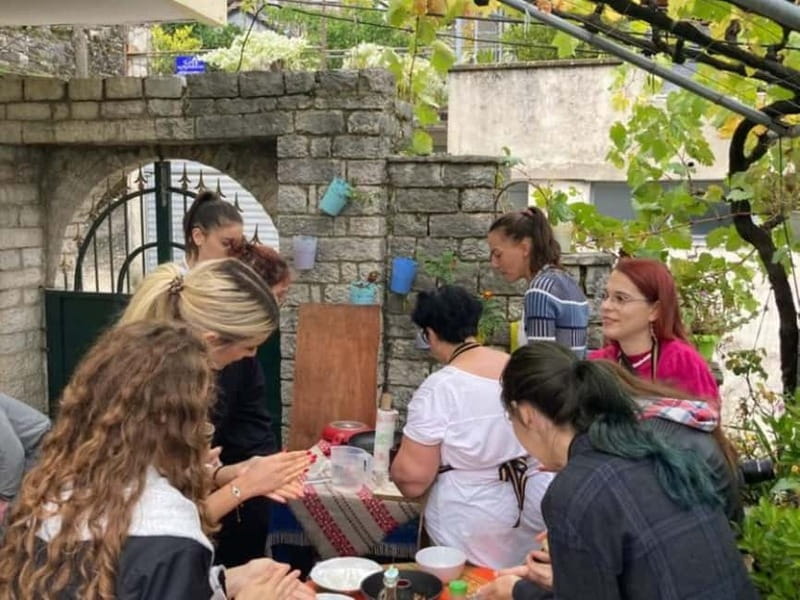
The session runs about 150 minutes, so you get enough time to chop, mix, shape, and learn without feeling rushed. After the meal, you also get detailed recipes for what you cooked, so you can repeat the dishes at home instead of just collecting photos.
Key things I’d circle before you book
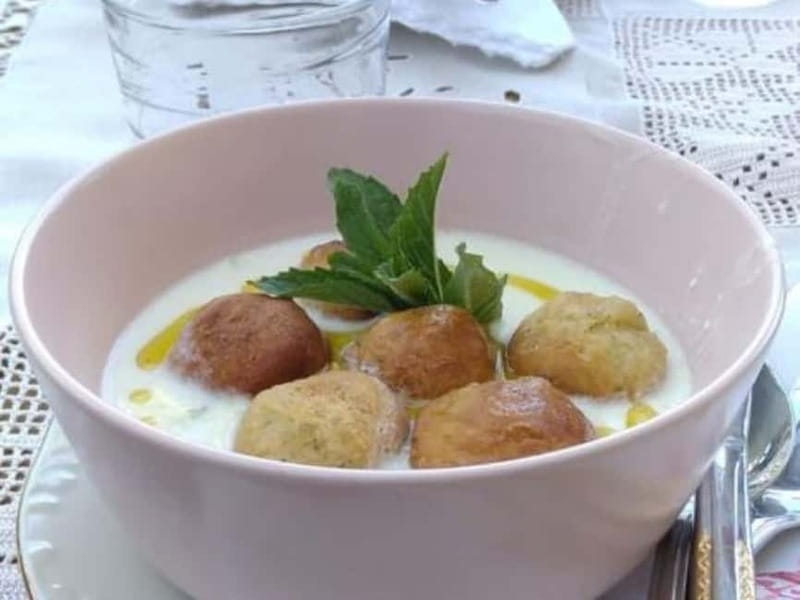
- A real Gjirokastër vegetarian menu built around Qifqis, Qofte bobollaqe, and Hasude
- Starting with raki or a soft drink before you touch the food
- A local-teacher format with English support, led by Marjeta and interpreted for the group
- Full meal included with seasonal salad and a complimentary drink at the table
- Take-home recipes so you can cook these again later
You can also read our reviews of more tours and experiences in Gjirokaster.
First stop: Cerciz Topulli Square to Pazar i Vjeter
Your experience begins at Cerciz Topulli square. That’s a smart move: it’s easy to find, and it places you right in the rhythm of the town before you head into a quieter, older neighborhood.
From there, you’ll walk over to Pazar i Vjeter, described as one of the oldest areas in town. This short stroll matters more than it sounds. You get context for why Gjirokastër food feels the way it does—simple, seasonal, and built for groups. Even if you’re only in town briefly, this walk helps you get your bearings fast.
If you dislike walking, keep in mind it’s still a neighborhood stroll as part of the tour flow. The good news: it’s not a long outing, and the schedule is tightly built around the cooking.
Meet Marjeta: the raki start, the small group pace, and the translator
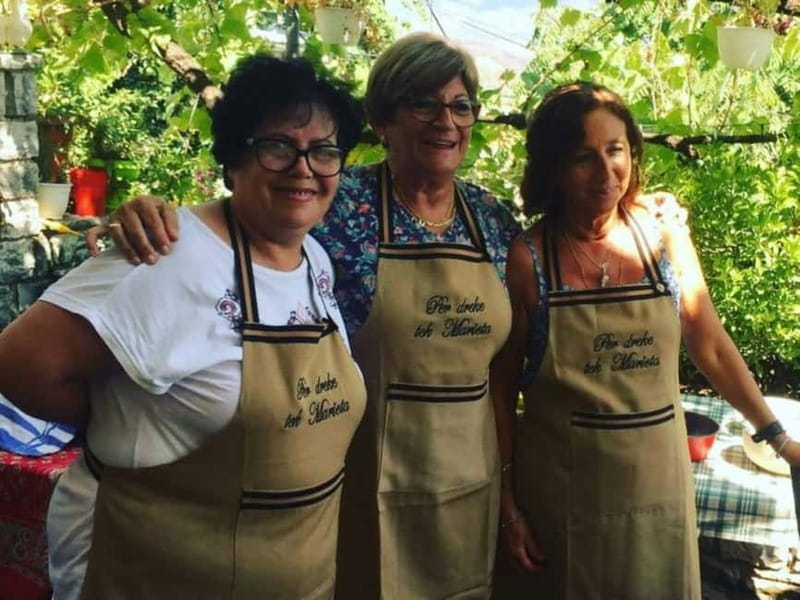
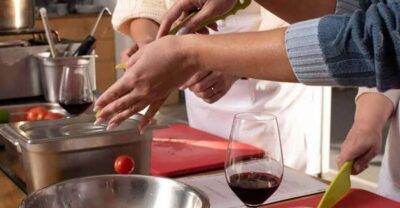
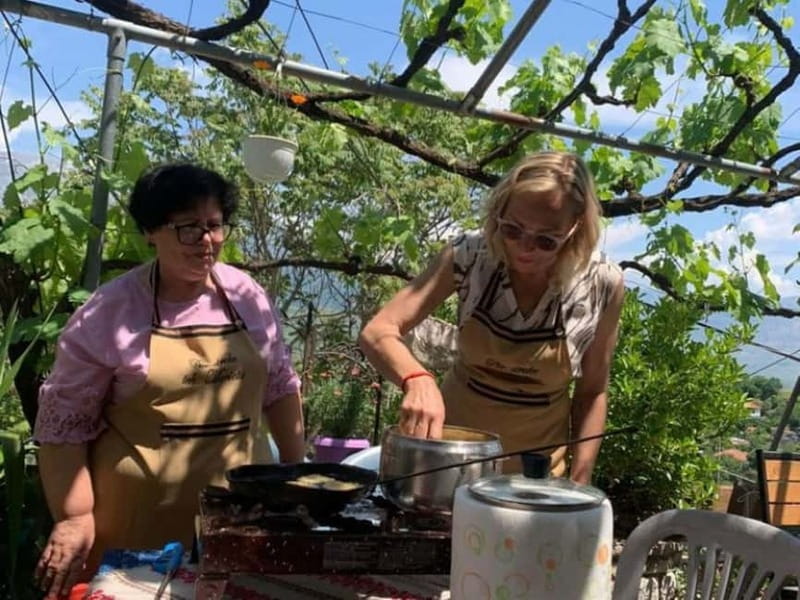
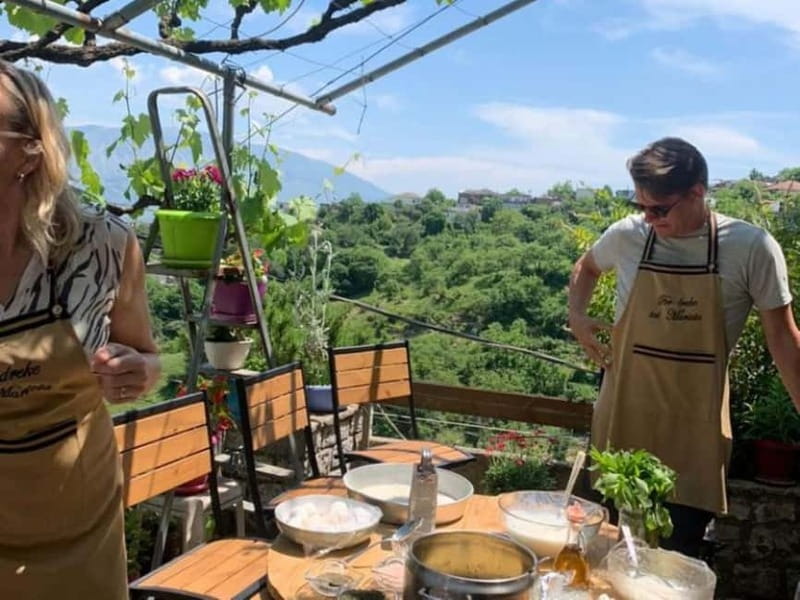
You’ll meet your host family setup around Marjeta and her husband in the older neighborhood. Then the class kicks off with a glass of raki or a soft drink, depending on what you choose.
That first drink isn’t just a ritual. It’s a social warm-up that makes the class feel like you’re joining friends, not taking a school exam. You’ll hear how the dishes fit into local eating habits, and you’ll get a clearer idea of what the chef wants you to understand—not only what to do.
Language support is another big reason this class works for many people. Instruction is live, in Albanian with English interpretation. In the feedback, translators named Klarisa and Besjan came up as particularly helpful—patient with ingredients, and willing to explain steps in plain terms.
One caution: a couple of reviews suggest the class can be slightly directive, and in at least one case, you may spend a chunk of time watching someone else work at the main station. That doesn’t make the class bad—it just means you should come expecting a mix of hands-on cooking and guided observation.
Cooking Qifqi, Qofte bobollaqe, and Hasude
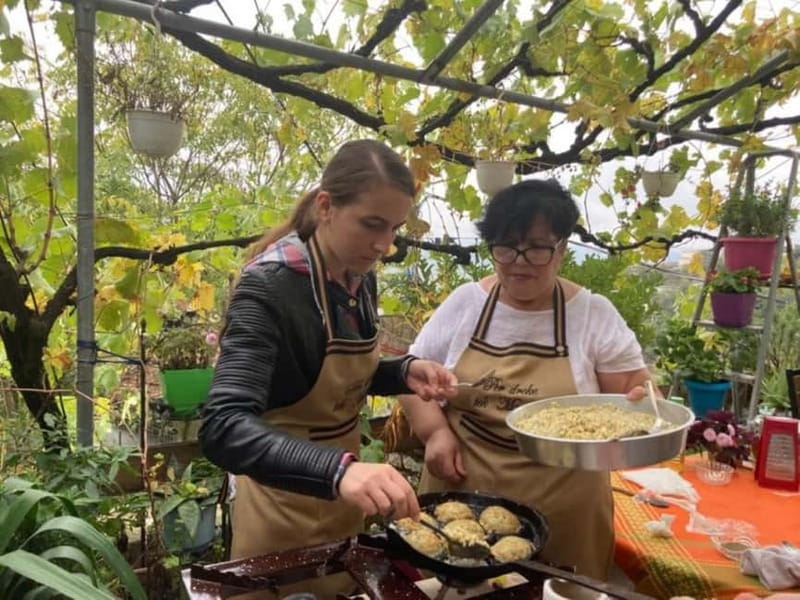
This is the core reason to choose this experience. You’ll cook a vegetarian menu with Marjeta guiding you through three dishes plus the salad that’s already prepared for you.
1) Qofte bobollaqe: yogurt-forward comfort
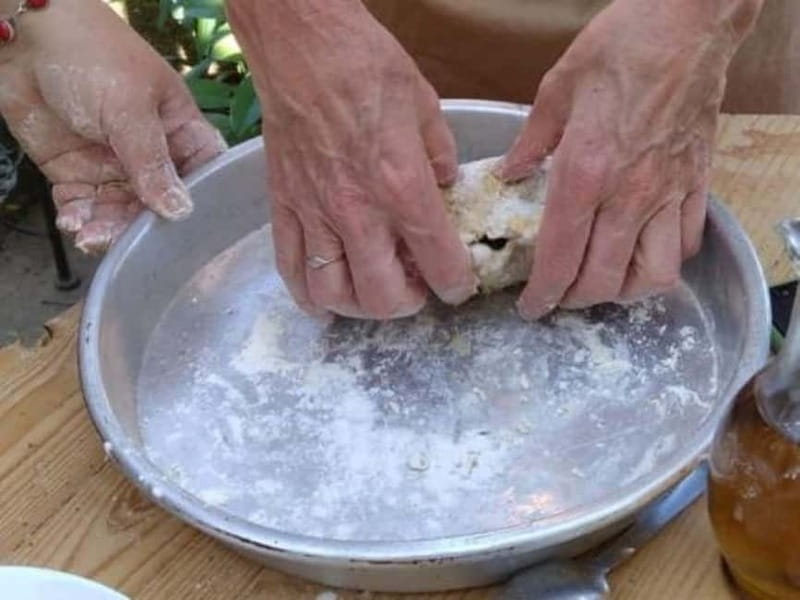
The first dish is called Qofte bobollaqe. The class focuses on a yogurt-based approach, and you’ll learn how the mixture comes together and how to shape it. Even if you think you already know “yogurt balls” style food, the Albanian version can feel different once you’re working with the local proportions and technique Marjeta teaches.
Practical takeaway for you: you’ll gain a method, not just a recipe name. That’s what makes it repeatable later.
2) Qifqis: the Gjirokastër-only rice specialty
Next is Qifqis, a traditional specialty found only in Gjirokastër. The key here is rice. You’ll be shown how the rice-based component is prepared, shaped, and handled as the dish comes together.
This is the standout learning moment. Qifqis aren’t just “another vegetarian snack.” They’re tied to local identity, and that’s why the class is worth doing here rather than anywhere else.
If you’re a foodie who likes specific local flavors, this dish alone is a strong reason to attend.
3) Hasude: dessert that closes the loop
Finally comes Hasude, the dessert. You’ll work through the steps for this sweet course as part of the same session. A lot of cooking classes stop at the main dish. Here, you finish the full arc of the meal, which makes the evening feel complete rather than like a quick lesson.
The salad you don’t have to overthink
All dishes are accompanied by the salad of the season that Marjeta has prepared for you. That’s a good balance. You’re not stuck making everything from scratch, and you get to focus your energy on the specialties you came for.
The “watching” question: how hands-on it can feel
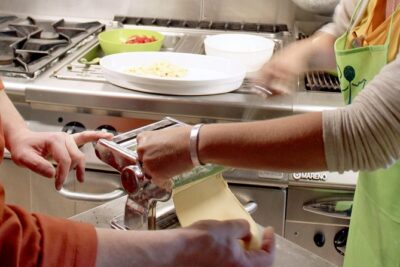
Based on the details shared, the cooking setup may involve one main station where the host does more of the active cooking. You’ll still learn, and you’ll be part of the process, but if you’re the type who wants to cook nonstop with your hands moving the whole time, you should be aware that this might not be a fully DIY workshop.
In my view, it’s still worth it because the learning goal is technique and local approach, not just getting maximum minutes with a spoon.
The meal table: seasonal salad, conversation, and a complimentary drink
After cooking, you sit down with the group to eat what you made. This is built into the flow, so you don’t finish, wipe up, and get pushed out the door.
Your meal includes the salad, the three dishes, and a complimentary drink. The plan is a glass of wine, raki, or a soft drink paired with your meal. Reviews also mention homemade wine raki as part of the experience, which makes the dinner feel distinctly local rather than generic.
The seating and pacing are where the class turns from cooking into hospitality. You’ll get time to chat with the group, swap travel notes, and ask questions while the food is still warm.
If you’re traveling solo, this can be a comfortable setup. You’re in a small group and you have a shared activity that naturally breaks the ice.
Price and value: is $76 fair for a 150-minute vegetarian class?
At $76 per person for about 150 minutes, the value comes down to what you want most: local technique, a complete meal, and take-home recipes—or just a hands-on snack session.
Here’s how I’d judge it:
- You’re not only cooking; you’re learning three specific dishes tied to Gjirokastër: Qifqi, Qofte bobollaqe, and Hasude. That local specificity has real value.
- The class includes a full meal and complimentary drinks, not just tasting bites.
- You receive detailed recipes at the end, which can extend the “usefulness” of the experience far beyond the day you cook.
Where the price may feel harder to justify is if you expected lots of vegetable variety or a very wide set of techniques. Some feedback points to a menu that leans heavily into frying and pantry basics (rice, flour, eggs, sugar). If that’s your preference, you’ll likely feel it hits the mark. If you want more ingredient diversity, the class may feel narrower than you hoped.
So I’d say it’s worth the cost when you want a local, teachable food story. If you want a wide vegetarian ingredient tour, you might feel underwhelmed.
Timing, group size, and what to expect from the 150 minutes
With a 150-minute duration, you’re typically looking at:
- a start in the square and a walk to the older neighborhood,
- a greeting and drink,
- instruction and cooking for three dishes,
- then eating together,
- and finally the recipe handover.
The small group size—limited to 10—helps keep it interactive. Even when the class structure involves one main cooking station, smaller groups usually mean better translation and easier questions.
One practical thing for you: give yourself time to focus. This isn’t the kind of activity where you’ll “half-listen” while sightseeing. You’ll get more out of it if you stay present for ingredient explanations and step-by-step guidance.
If you’re hungry but also a bit anxious about timing, don’t worry: the class includes the meal, and the schedule is designed to end right after you eat.
Who this vegetarian class fits best (and who might not)
This experience suits you if you want:
- a traditional Albanian vegetarian menu with local specialties,
- a class atmosphere that feels social and friendly,
- English interpretation and clear guidance from the host team,
- a take-home recipe set so you can cook later.
It may not suit you as well if:
- you need a high variety of vegetables in the actual cooked dishes,
- you expect every participant to do the same amount of active cooking nonstop,
- you strongly prefer non-fried textures and dishes.
Also, if you’re sensitive to heat or frying smells, you might find cooking-intensive classes more intense than cooking at home. You’ll be in a kitchen environment working on fried elements, so plan mentally for that.
Should you book this vegetarian cooking class in Gjirokastër?
My take: book it if you’re excited by local food identity, especially Qifqi, and you like the idea of learning from Marjeta with English interpretation in a small group. The full meal, the complimentary drink, and the take-home recipes make it more than a “watch and snack” event.
I’d skip or compare options if your main goal is a broad, veggie-forward cooking experience with lots of fresh vegetable dishes. Based on how these specialties are built, the menu can feel concentrated.
If you’re on the fence, ask yourself this: do you want one truly local vegetarian evening with teachable dishes, or do you want maximum variety and maximum hands-on time? This class leans toward the first option, and it does that job well.
FAQ
Where does the cooking class start?
You’ll meet your guide in Cerciz Topulli square. From there, the group walks to one of the oldest neighborhoods in town, Pazar i Vjeter, where you meet Marjeta and her husband.
How long is the Gjirokastër vegetarian cooking class?
The class lasts about 150 minutes.
How big is the group?
It’s a small group limited to 10 participants.
What dishes will you learn to cook?
You’ll cook a vegetarian menu including Qofte bobollaqe, Qifqi (rice-based and traditional to Gjirokastër), and Hasude, plus a salad of the season.
What languages are offered?
The live tour guide provides interpretation in Albanian and English.
Do I get recipes to take home, and what about cancellation?
Yes, you’ll receive detailed recipes for the dishes you cook. There’s free cancellation up to 24 hours in advance for a full refund, and you can reserve now and pay later.