REVIEW · SIENA
Tuscan Culinary Secrets Unveiled: Cooking Class & Dinner
Book on GetYourGuide →Operated by MONTECHIARO - Organic Winery · Bookable on GetYourGuide
Tuscan cooking classes are often about photos, but this one is built for results. At Monte Chiaro Estate, you work in a real agriturismo kitchen with organic garden ingredients and coaches who focus on technique, not just talk.
I especially like that the menu is practical: two types of handmade pasta and a dessert you can copy back home. Your dinner then gets the same respect, with your dishes served alongside the estate’s award-winning organic wines.
One thing to consider: the experience details can vary a bit by day and group setup. The experience is listed as a small group, and it’s also described as limited to very small numbers in some cases, so double-check which option you’re booking.
In This Review
- Key Things I’d Put on Your Must-Do List
- Monte Chiaro Estate: Organic Vineyards as Your Cooking Classroom
- The Pasta Lesson You Actually Use: Tagliatelle and Ravioli
- Beyond the Dough: Sauces and Meat Marinades That Taste Tuscan
- Dessert Choices That Actually Matter: Cantucci, Tiramisu, or Panna Cotta
- Dinner on the Estate: Wine Pairing with Your Own Food
- Small Group Size and Timing: The Real Logistics That Affect Your Night
- Price and Value: What $158.60 Buys You in Tuscany
- Who This Cooking Class Is Perfect For
- Should You Book Tuscan Culinary Secrets Unveiled?
- FAQ
- How long is the cooking class and dinner?
- Where do I meet the host?
- What languages are the hosts?
- How many people are in the group?
- What pasta do we learn to make?
- Is dessert included, and what types might I make?
- Do we get wine with dinner?
- Is there parking provided?
- Is it suitable for kids?
Key Things I’d Put on Your Must-Do List
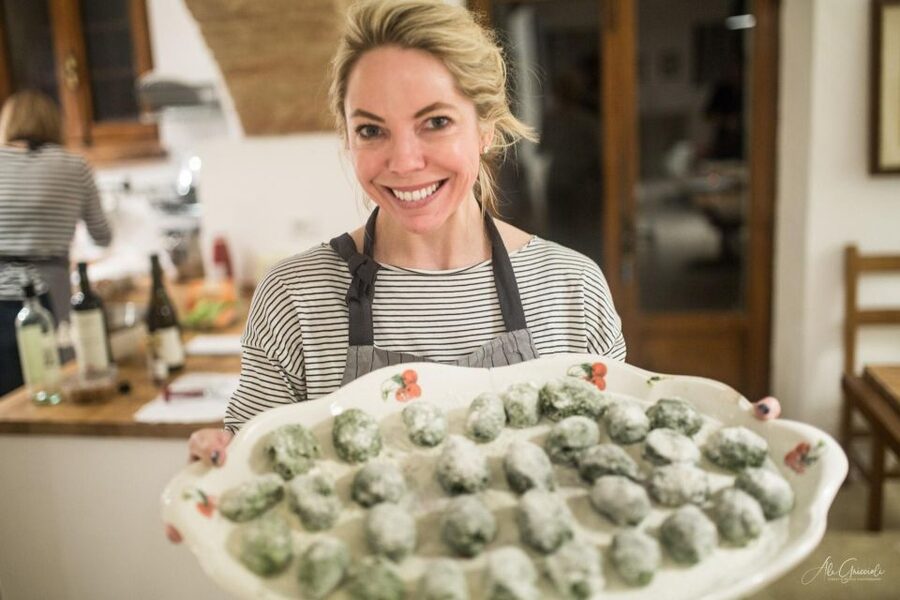
- Handmade pasta focus: tagliatelle and ravioli, taught step by step
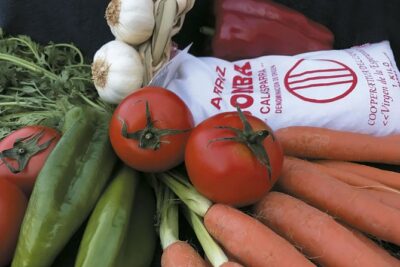
- Farm-to-table ingredients: organic grains and herbs from the estate’s garden
- Dessert with history: cantucci, tiramisu, or panna cotta using time-honored recipes
- Wine pairing included: dine with the estate’s award-winning organic wines
- Small-group feel: limited group size means more attention during cooking
- Coaching from real hosts: Melissa and Loris lead, and you may meet Alessandro/Alexandro during dinner
Monte Chiaro Estate: Organic Vineyards as Your Cooking Classroom
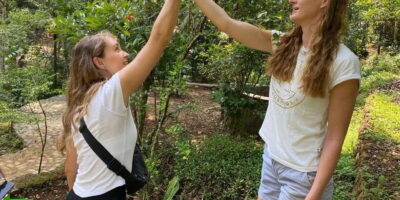
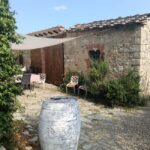
This is one of those Tuscany experiences where the setting helps you learn. You’re at Monte Chiaro Estate, surrounded by organic vineyards and olive trees, and the kitchen experience is framed as an extension of the farm. That matters because it keeps the evening grounded in the ingredients instead of turning it into a generic food show.
The best part of this format is that it’s not just tasting. You’re making the pasta and dessert yourself, then sitting down to eat what you cooked. The estate atmosphere also helps you slow down. Even if you arrive hungry, you’ll want to pay attention to how flavors connect: wheat to pasta, herbs to sauces, and wine to the final meal.
Practical note: you meet at a parking lot and the team picks you up from there. It’s a simple way to handle cars and getting everyone together without long waits.
You can also read our reviews of more tours and experiences in Siena.

The Pasta Lesson You Actually Use: Tagliatelle and Ravioli
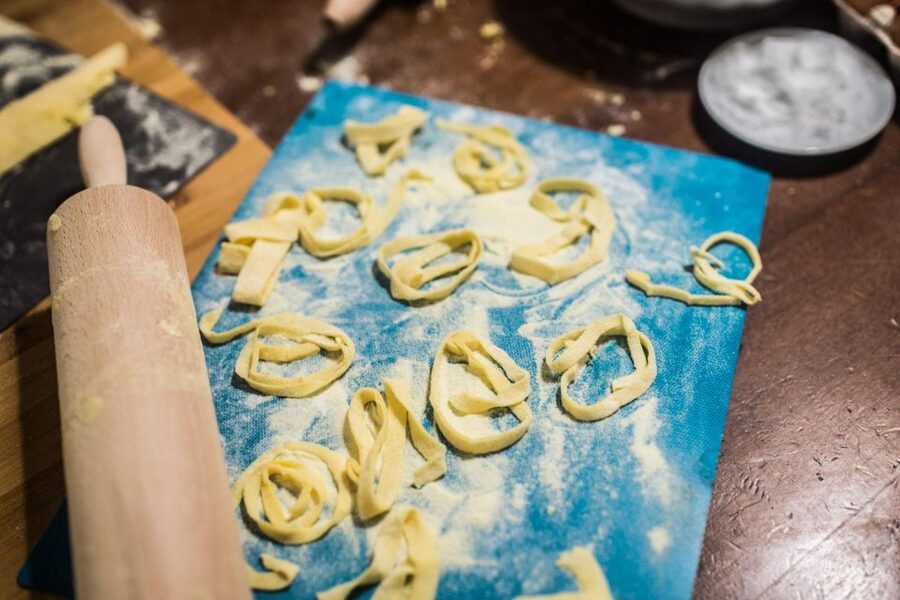
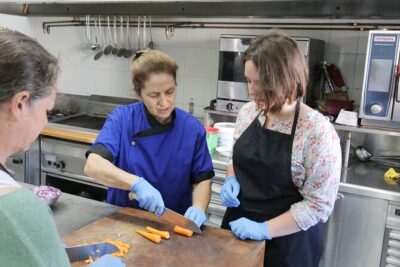
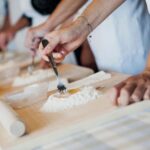
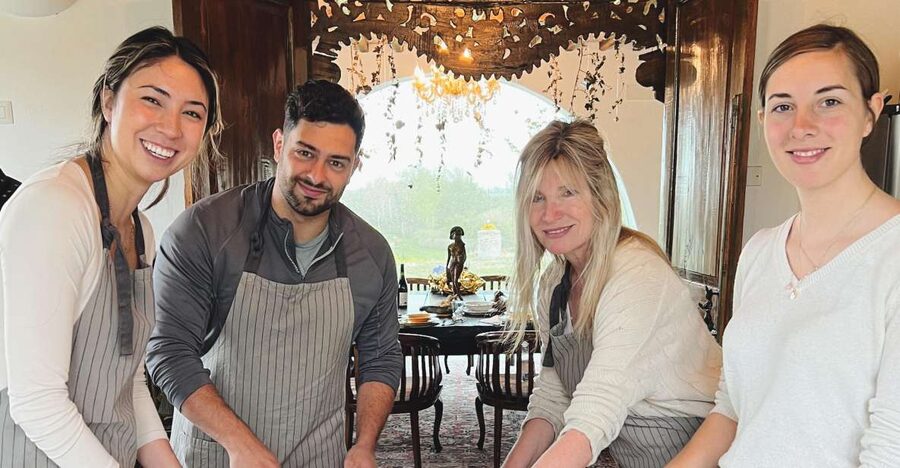
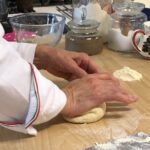
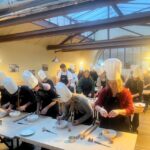
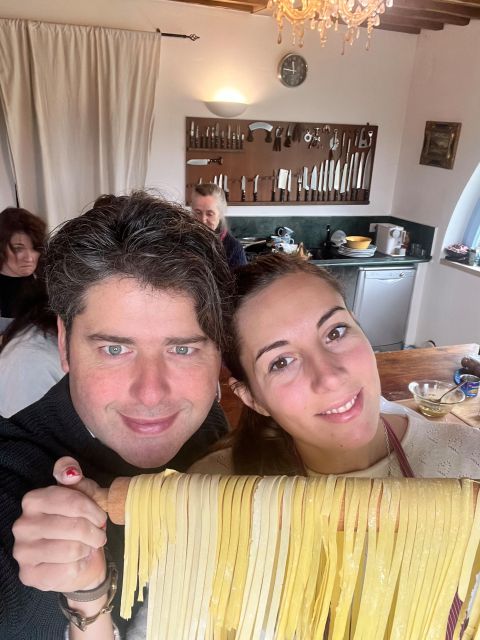
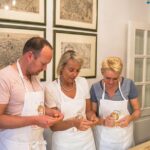
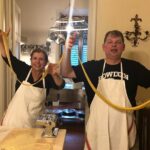
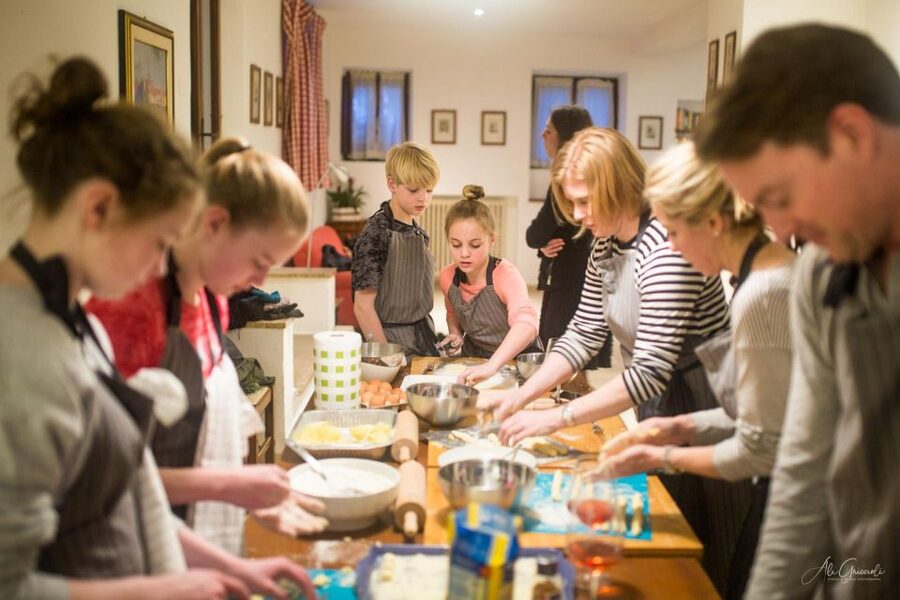
The cooking class is the heart of the evening, and it’s designed around hands-on pasta making. You join the team in the newly inaugurated kitchen, led by Melissa and Loris, along with chefs who guide you through the process.
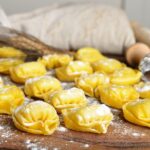
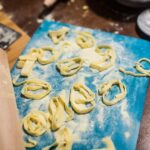
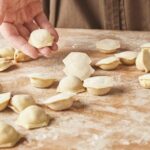
You learn how to create two kinds of handmade pasta. The names you’re aiming for are tagliatelle and ravioli—and the goal isn’t just shaping, it’s learning what the dough should feel like and how to manage it while you work. That’s a big deal if you’ve ever tried homemade pasta once at home and found it either too sticky or too dry.
Why this teaching style is valuable: pasta is technical, but it also becomes intuitive fast when someone shows you what to look for. Instead of memorizing recipes like schoolwork, you’re practicing a sequence: preparing, shaping, and pairing. That last part is key, because the class isn’t treating pasta as a separate activity. It’s connecting it to the sauces you’ll use at dinner.
Also, the class is paced for a small group. That means you’re not stuck waiting for a single instructor to finish with everyone. You get more chances to ask questions and adjust your technique.
Beyond the Dough: Sauces and Meat Marinades That Taste Tuscan
After pasta comes the work that makes the meal feel Italian, not just homemade. The class includes guidance on meat marinades, and that’s where you usually find the flavor gap between restaurant food and home food.
You’ll be practicing the core idea behind Tuscan cooking: build flavor in layers. In a class like this, that often means learning how to balance seasonings, work with herbs from the estate’s garden, and let the ingredients do the heavy lifting. Even if you’re not making the exact same dish at home, you’ll take the method.
This is also where the experience feels more farm-to-table than farm-to-mouth. The ingredients are described as organic and sourced directly from the estate and its organic garden—things like grains and fresh herbs. When you taste and cook with those inputs, you can usually tell the difference immediately, especially when it’s paired with your own pasta.
One caution: the amount of instruction can vary depending on your group size and the day’s flow. The experience is designed for a small group, but if you’re someone who wants extremely detailed, hands-on coaching every minute, I’d choose the smallest group option available.
Dessert Choices That Actually Matter: Cantucci, Tiramisu, or Panna Cotta
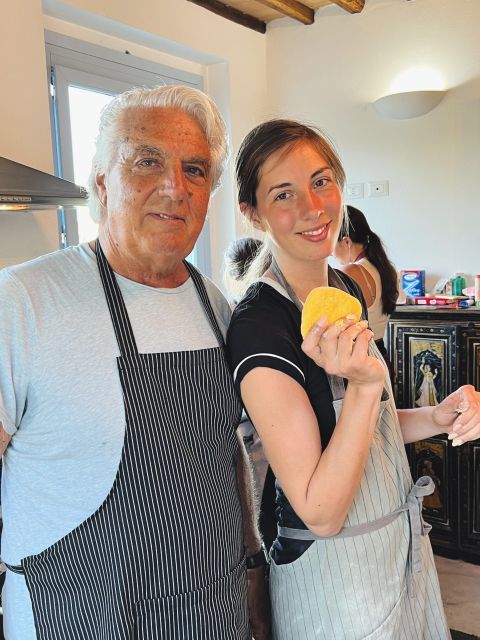
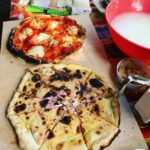
Dessert is not an afterthought here. The class ends with you preparing a Tuscan dessert using recipes passed down through generations. You might make cantucci, tiramisu, or panna cotta—and your choice typically depends on what the kitchen is preparing that day.
I like dessert lessons like this because they teach a repeatable rhythm. With cantucci, you’re dealing with structure and texture. With tiramisu, you’re learning timing and assembly. With panna cotta, you’re working on setting and consistency.
The biggest value for you is that dessert gets treated like real cooking, not a quick demo. If you can follow technique for dessert, you can follow technique for the whole menu.
And yes, you’ll likely smell like vanilla, coffee, or toasted almonds afterward. That’s a minor downside. But it’s also a nice reminder that you learned something tangible.
Dinner on the Estate: Wine Pairing with Your Own Food
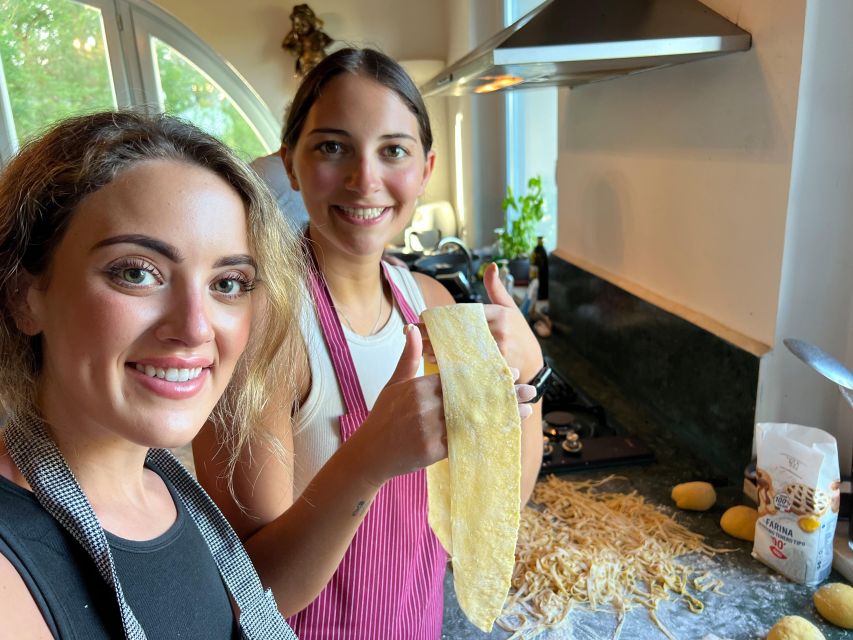
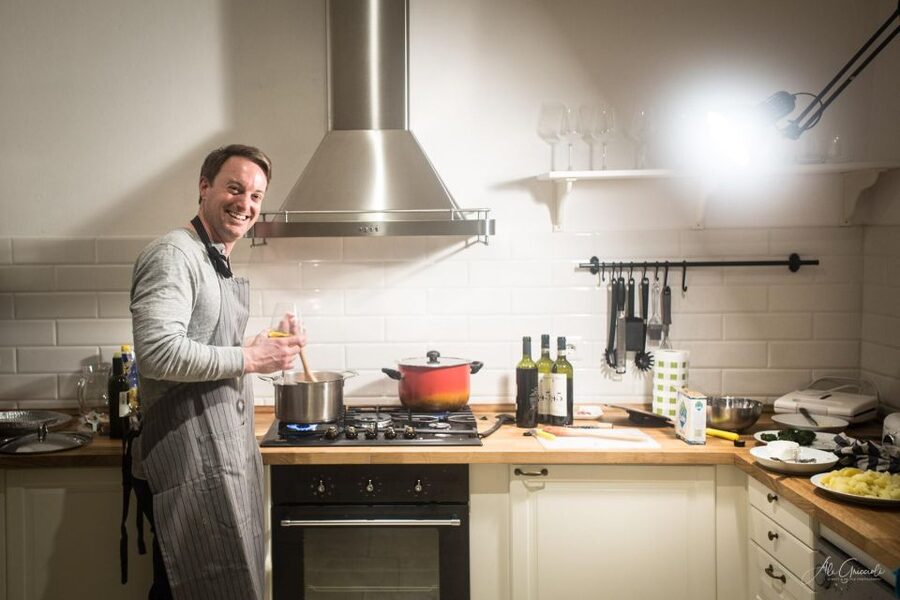
After the cooking session, you eat the dishes you made. That’s where the evening shifts from lesson mode to dinner mode, and the estate atmosphere does the rest.
Your meal is served with wine pairings featuring the estate’s award-winning organic wines. The point isn’t just to drink wine. The pairing is meant to match flavors—especially with pasta and the richer elements of dessert. If you like tasting wine with purpose, this is a great setup because you’re not guessing what you’re pairing with. You’re tasting what the team designed together.
I also appreciated that the dinner is described as culminating from the cooking class. That’s not always true for cooking experiences where you make food and then eat something different. Here, you’re supposed to sit down with the fruits of your labor, paired thoughtfully.
A small note on staff interaction: in one account, a host named Melissa was praised for her warm guidance, and dinner included conversation with Alessandro (listed as Alexandro in one write-up). If you enjoy learning by chatting, expect the evening to have a friendly, personal tone.
Small Group Size and Timing: The Real Logistics That Affect Your Night
This is listed as a 4-hour experience, with starting times that depend on availability. That time window matters because it keeps the class from dragging. You’ll usually get to cook, learn, and eat without feeling like dinner is something you have to wait hours for after prep.
Group size is where you should pay close attention. It’s described as small group with a maximum of 12 people, and it’s also described as limited to 2 participants for some setups. That difference can change everything about your experience. Fewer people generally means more coaching and less waiting at stations.
If you’re going solo or as a couple and want focused instruction, the limited-to-2 option is likely the sweet spot. If you like meeting others but still want attention, the up-to-12 option can still be workable, as long as you’re comfortable sharing the workspace and occasionally rotating between tasks.
For arrival timing, the guidance is straightforward: arrive early so you start fresh. That helps because you’ll have time to settle in mentally before cooking begins.
Price and Value: What $158.60 Buys You in Tuscany
At $158.60 per person, this is not the cheapest food activity in Tuscany. But it also isn’t just a tasting evening with a few bites and a glass of wine.
Here’s what you’re actually paying for:
- A guided, hands-on class teaching tagliatelle and ravioli
- A dessert lesson that follows traditional recipes
- Dinner featuring the dishes you made
- Wine pairing with the estate’s organic wines
- Ingredients described as organic and sourced from the estate and garden
- A small-group atmosphere with limited headcount
If your goal is to leave with a skill you can repeat, the price becomes easier to justify. Most people remember the best moments of a trip through what they can do again later. A pasta and dessert lesson is exactly that kind of souvenir—edible, practical, and teachable.
Where value can dip is if you prefer highly structured, very detailed coverage of every item promised in marketing. One write-up described a mismatch between expectations and what was delivered around wine explanation and certain cooking topics. That doesn’t mean the class is bad; it means you should check what’s included in the option you book and what the day’s menu is likely to cover.
My advice: if you care most about pasta technique and a real sit-down dinner paired with estate wine, this looks like solid value.
Who This Cooking Class Is Perfect For
You’ll probably love this if you:
- Want a hands-on Tuscan cooking experience, not just a meal
- Enjoy learning pasta craft in a supportive small group
- Like wine, especially when pairing is part of the plan
- Prefer agriturismo settings where the food comes from real farm inputs
It may be less ideal if:
- You want lots of children in the group (it’s noted as not suitable for children under 8)
- You expect a nonstop, lecture-style breakdown of every pairing and technique minute by minute
- You don’t enjoy cooking tasks and would rather just observe
If your Tuscany trip includes time in Florence or Rome, this can be a refreshing reset. It’s hands-on, local, and tied directly to the estate environment.
Should You Book Tuscan Culinary Secrets Unveiled?
I’d book it if you want to bring home skills, not just photos. The strongest reason is the combination: two types of handmade pasta, a Tuscan dessert, and a dinner that follows your work, paired with award-winning organic wines. Add a small-group setup and hosts like Melissa and Loris, and you have a format that feels personal.
I’d pause and check details before booking if you’re relying on very specific promises like wine explanation depth or a particular set of cooking topics. The experience seems designed to deliver a full meal arc, but small-day variations can happen with farm operations.
If you’re flexible and excited to cook, eat, and learn from a real estate kitchen, this one has a lot going for it.
FAQ
How long is the cooking class and dinner?
It’s listed as a 4-hour experience.
Where do I meet the host?
You arrive to a parking lot, park your car, and the team will come pick you up at the meeting point.
What languages are the hosts?
English and Italian.
How many people are in the group?
It’s described as a small group with limited numbers, with two different caps listed: up to 12 people max, and also limited to 2 participants for some options—check the exact option when you book.
What pasta do we learn to make?
You’ll learn two types of handmade pasta, including tagliatelle and ravioli.
Is dessert included, and what types might I make?
Yes, dessert is included. Options listed include cantucci, tiramisu, or panna cotta.
Do we get wine with dinner?
Yes. Dinner includes wine pairing with the estate’s award-winning organic wines.
Is there parking provided?
Yes, complimentary parking is included.
Is it suitable for kids?
It’s noted as not suitable for children under 8 years old.