REVIEW · YOKOHAMA
Half-day Cooking Class in Yokohama Local Shopping District
Book on Viator →Operated by Osusowake-Kitchen · Bookable on Viator
Yokohama food starts at the market. I love how this experience blends a guided local shopping walk with cooking what you actually buy, not just following a recipe. You’ll also get real hands-on instruction from the teacher (Ichiho), who explains steps patiently and tries hard to guide in English. The main drawback is the price: at $162.58 for a half-day, it’s best if you genuinely want both the market time and the cooking time, not just one or the other.
This is a small, private setup that runs about 3 hours 30 minutes, ending back where you meet. You’ll start at 3-chōme-35 Yayoichō in Naka Ward, and there’s a vegetarian menu available if that fits your group.
In This Review
- Key highlights before you go
- Yokohama’s covered shopping street: where the ingredients start
- 3.5-hour flow in Naka Ward: how the timing feels
- The market stops that teach you how Japanese meals are built
- Sushi rolls in class: nori, rice, and fillings you choose
- Karaage and teriyaki chicken: frying skills you can repeat
- Small group, patient teaching: what Ichiho does well
- Kitchen studio setup: why it matters for comfort and results
- Price and value: is $162.58 worth a half day?
- Who should book this Yokohama cooking class (and who might skip it)
- Should you book this Yokohama cooking-and-shopping tour?
- FAQ
- How long is the Yokohama cooking class?
- Is this experience private?
- What dishes will we cook?
- Is there a vegetarian option?
- Where do we meet?
- Do I get a mobile ticket?
- Can I cancel for a full refund?
Key highlights before you go
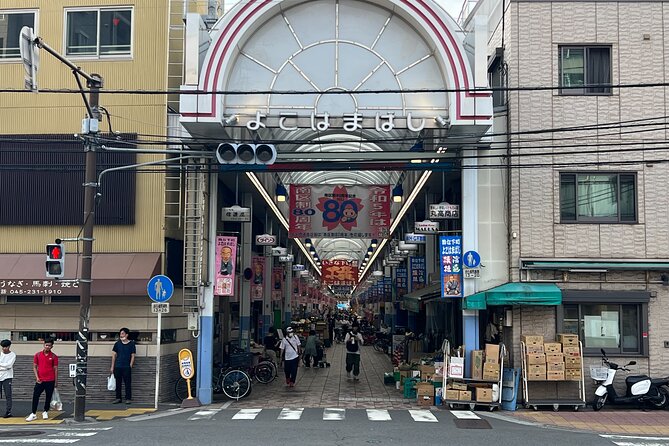
- Nearly 130 specialty shops along a more than 300-meter covered street in Yokohama
- Market shopping for the exact ingredients you’ll use in class
- Teacher Ichiho’s focused guidance, with patient, step-by-step help
- Sushi rolls and Japanese fried chicken (karaage) are the core hands-on dishes
- A vegetarian menu is available, so you don’t have to sit out
Yokohama’s covered shopping street: where the ingredients start
The best part of this tour is the way it starts with shopping, not with a kitchen timer. You walk through a covered district where nearly 130 specialty stores line a stretch of more than 300 meters, so you get a concentrated taste of local retail culture without feeling like you’re wandering in circles.
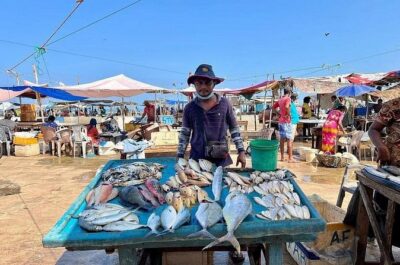
What makes it feel practical is that each stop is about ingredients. A fishmonger sells fresh fish from all over Japan, a grocery store focuses on sweet vegetables, and a butcher shop offers rarer cuts you won’t typically see at bigger supermarkets. You’re not just window-shopping. You’re learning what to look for and what those ingredients mean in Japanese home cooking.
If you like your travel experiences grounded in everyday life, this is a strong match. You’ll hear merchants calling out their wares and you’ll see how people actually buy food there.
You can also read our reviews of more tours and experiences in Yokohama.

3.5-hour flow in Naka Ward: how the timing feels
You’re looking at about 3 hours 30 minutes total, and it runs as a smooth sequence: meet, shop, cook, then end back at the start point. That timing matters because Yokohama’s best food districts reward you for moving with purpose. If you’re the type who likes to squeeze real value out of a half day, this structure helps.
Because the class is private for your group, you can ask questions without feeling rushed by strangers. And since you’re working in a real kitchen setup, you’ll spend time actually making food, not just watching.
One more thing: the guide’s English isn’t perfect, but Ichiho will guide you in English as much as possible and will do his best to accommodate requests. That means you’re better off coming with curiosity and simple questions, not expecting a perfectly polished lecture.
The market stops that teach you how Japanese meals are built
This is where the tour earns its keep: it teaches the ingredient logic behind Japanese cooking.
First, there’s the fishmonger. You’ll see fresh fish sold in a way that feels practical and specific, not generic. Even if you don’t know every species, you can still learn the basics: what looks fresh, what’s appropriate for rolling sushi, and how sellers think about quality.
Next comes vegetables, including sweet produce that plays well in classic Japanese dishes. Japan’s approach to vegetables often comes down to balance: texture, sweetness, and pairing with savory flavors. The grocery stop is a quick lesson in that mindset.
Then you hit the butcher shop, where the tour intentionally points you toward cuts that are harder to find in supermarket packaging. That’s useful later in cooking because it reinforces the idea that Japanese home cooking isn’t only about convenience—it’s about choosing ingredients that fit the dish.
The trade-off is that you’ll be walking and browsing, so comfortable shoes matter. If you want a “sit down and only cook” experience, the shopping time might feel like extra effort.
Sushi rolls in class: nori, rice, and fillings you choose
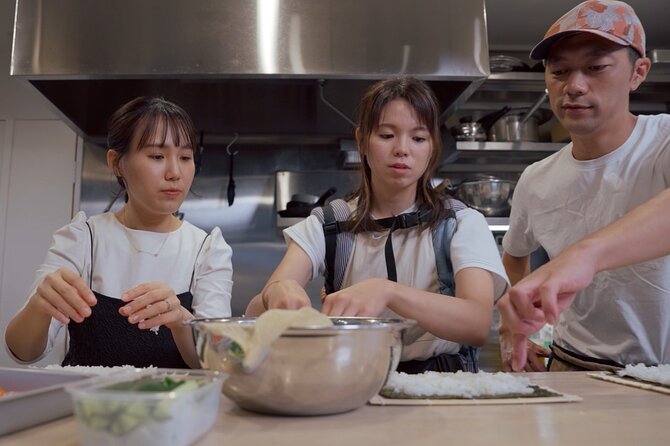
Once you’ve shopped, you move into the kitchen studio, described as clean, bright, and set up with authentic equipment. In practice, it’s the kind of space where you can focus on technique instead of fighting for counter space.
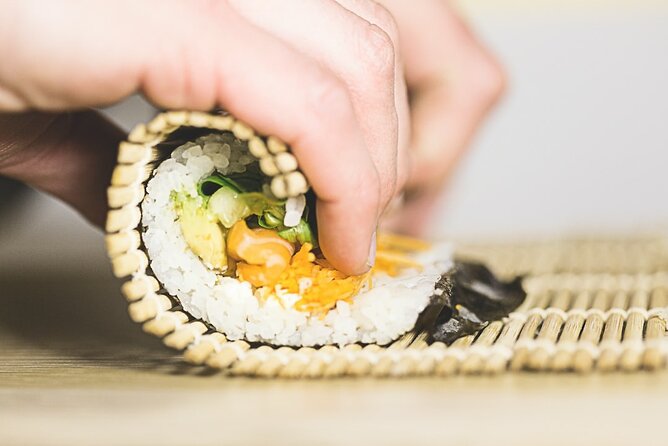
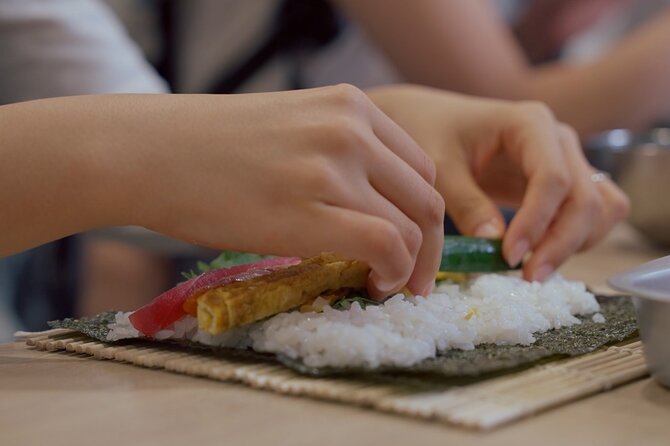
The main sushi project is roll sushi. You’ll be making rolls filled with seafood, egg, and vegetables, rolled with nori seaweed and rice. The goal isn’t just to end up with something edible—it’s to learn what makes the roll work.
Here’s what you can expect to get out of the experience:
- How the ingredients come together in a roll format
- How to think about filling portions so you can roll without tearing
- Technique cues for shaping and assembling
If you’re cooking for friends back home, this part matters more than you think. Sushi rolls are one of those dishes people assume are complicated. After doing it step-by-step, you’ll realize the complexity is mostly technique and consistency.
And yes, you can also make the rolls using ingredients you’re used to eating. That flexibility is part of the value, because you’re not locked into exactly what’s sold in Japan forever.
Karaage and teriyaki chicken: frying skills you can repeat
The other star dish is karaage, Japanese fried chicken. It’s a crowd favorite for a reason: crisp exterior, juicy interior, and deep flavor that works with simple sauces.
In the kitchen, the instruction centers on the steps that make or break fried chicken: getting the prep right and frying in a way that yields that classic crunch. One review specifically called out the frying process—frying eggs, too—so you’ll likely get guidance on handling batter and timing with confidence.
Some groups also cook teriyaki chicken alongside the fried chicken and sushi. Either way, you’ll leave with a clearer understanding of how Japanese flavor builds: savory-sweet notes, balanced seasoning, and the way sauces coat ingredients without overwhelming them.
This is the part of the tour that translates well to home cooking. You can’t recreate the exact same fish or vegetables you bought at the market, but you can absolutely repeat the frying method and the basic sauce logic.
Small group, patient teaching: what Ichiho does well
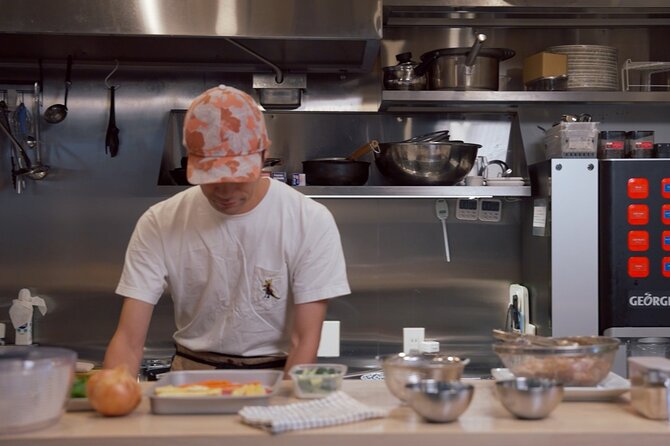
The difference here is how the class feels during the cooking. The setup is designed to keep class sizes small so you can ask questions easily and get attention when you need it.
Ichiho comes through in how he teaches. One highlight from a past participant: he was very nice, guided people through history of the locals and the food, and stayed patient through a private class at his home kitchen setup after the shopping portion. That combination—story + technique—makes it easier to remember what you’re doing and why.
Also, he’s explicitly communicative about language. His English isn’t perfect, but he tries, and he’ll accommodate requests. If you want to learn specific substitutions or ask how to adapt ingredients for what you can buy back home, this kind of teacher is a good fit.
Kitchen studio setup: why it matters for comfort and results
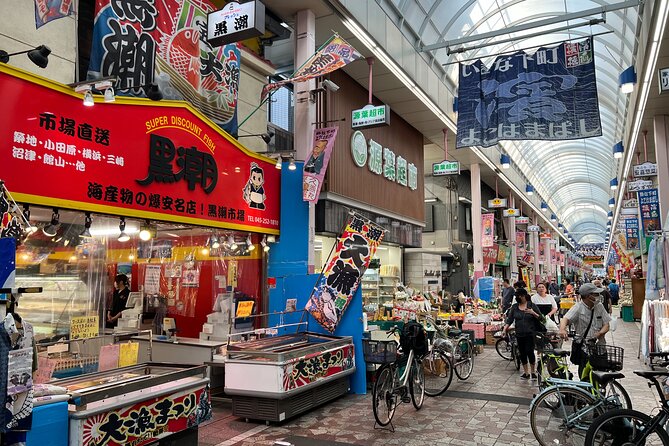
A cooking class can be fun and still feel chaotic if the space isn’t right. Here, the kitchen studio is described as clean and bright, with authentic cooking equipment, so you can cook without fighting for basics like clean tools, working surfaces, and clear steps.
A bright, tidy kitchen also makes the “you can do this at home” goal more realistic. When the workspace is comfortable, you’re more likely to notice technique cues instead of just rushing to finish.
One practical detail: the class is private for your group, which helps with pacing. If you’re slower at rolling sushi or you need to review a step, you’re not performing under a countdown while strangers wait behind you.
Price and value: is $162.58 worth a half day?
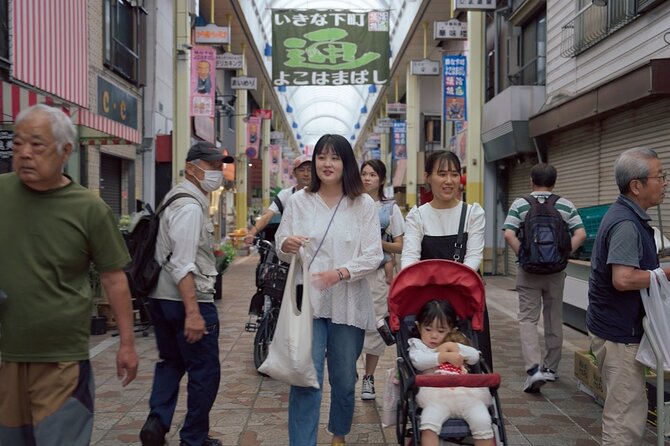
Let’s talk money plainly. At $162.58 per person for about 3 hours 30 minutes, this isn’t the cheapest cooking class option. You’re paying for a combined experience: guided shopping across a dense covered shopping district plus ingredient-driven cooking with hands-on instruction.
So where does the value come from?
You’re getting:
- A guided shopping component at a real local food shopping area
- Specific ingredient selection that affects the final dishes
- A small, private class setup so you can ask questions
- Instruction from Ichiho, including step-by-step help while you cook
- Sushi roll making and karaage as core outcomes
- A vegetarian menu option for groups who need it
If you only want to cook and would rather skip market walking, you may feel like you’re paying for time spent shopping. If you enjoy food markets and you want to connect technique to ingredients you can name, the price starts to feel more justified.
Also, this kind of activity tends to get booked ahead. If you’re set on a specific date, plan early so you aren’t squeezing your schedule.
Who should book this Yokohama cooking class (and who might skip it)
This is a great fit if you:
- Want an authentic food experience beyond a single cooking demonstration
- Enjoy Japanese markets and want to see how ingredients are chosen
- Prefer small-group, private instruction and hands-on time
- Like the idea of making sushi rolls and karaage, then recreating them later
You might consider skipping it if you:
- Want a fully English, lecture-style class with no shopping time
- Are on a strict budget and can’t justify $162.58 for a half-day
- Prefer restaurant eating over hands-on cooking
It’s also a smart choice for couples or small groups who want a shared activity that still feels local and practical.
Should you book this Yokohama cooking-and-shopping tour?
I’d book it if you want your Yokohama day to feel like it belongs to locals: shop for ingredients in a covered specialty street, then cook what you bought with patient coaching from Ichiho. The market-to-kitchen connection is the main selling point, and it’s what makes the skills you learn more useful after you return home.
If you’re unsure, ask yourself one question: do you enjoy food shopping as part of the experience? If yes, this is a strong value play for a half day. If no, you may find the shopping portion is more time than you want.
FAQ
How long is the Yokohama cooking class?
It runs about 3 hours 30 minutes.
Is this experience private?
Yes. It’s private, meaning only your group participates.
What dishes will we cook?
You’ll make roll sushi and deep-fried chicken (karaage). Some groups also make teriyaki chicken during the class.
Is there a vegetarian option?
Yes. A vegetarian menu is available.
Where do we meet?
The meeting point is 3-chōme-35 Yayoichō, Naka Ward, Yokohama, Kanagawa 231-0058, Japan.
Do I get a mobile ticket?
Yes. The tour uses a mobile ticket.
Can I cancel for a full refund?
Yes. You can cancel up to 24 hours in advance for a full refund. Cancellation within 24 hours does not get refunded. The experience also requires a minimum number of travelers.