REVIEW · YOKOHAMA
Yokohama: Manga/Anime Art & Cooking Experience in a Tatami Room
Book on Viator →Operated by 山田 有果 · Bookable on Viator
Tatami, sushi, and manga in one afternoon. I love the hands-on manga art with real tools, and you’ll also get to make sushi rolls and gyoza in a proper kitchen setting. A small note: transportation to the home isn’t included, so you’ll want a plan for getting to Odoriba Station.
This is a cozy, home-based class led by 山田 有果 (Yuka), with a group capped at 6 travelers, which keeps the vibe friendly and personal. If you like creative workshops where you actually produce something (and eat what you make), this one hits the sweet spot.
In This Review
- Key highlights you’ll feel from minute one
- Where this Yokohama class happens (and why it matters)
- Meet 山田 有果 (Yuka) and learn manga the hands-on way
- The kitchen shift: sushi rolls and handmade gyoza in a real home rhythm
- Tatami meal time: sweets, drinks, and the best kind of downtime
- What’s included (and what you’ll pay for yourself)
- Small-group size (max 6): why it changes how you learn
- Who this experience fits best
- Price, logistics, and what to plan before you go
- Should you book this Yokohama manga and cooking class?
- FAQ
- How long is the experience?
- Where does the experience start and end?
- What is the starting time?
- What will I cook and eat?
- Are drinks included?
- How big is the group?
- What is not included in the price?
Key highlights you’ll feel from minute one
- Manga drawing with professional tools like G-pens, screentone sheets, and ink
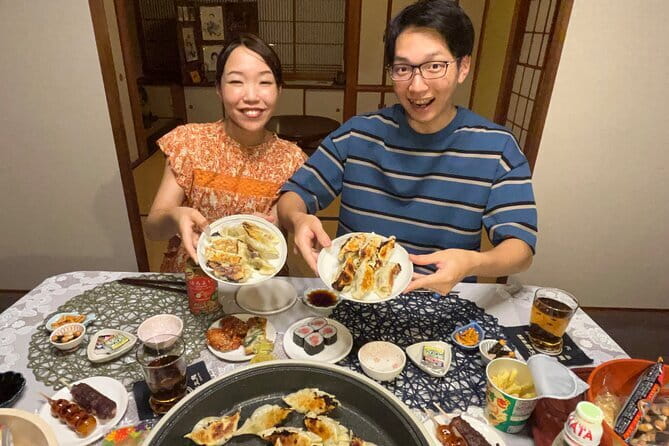
- Two real kitchen projects: colorful sushi rolls and handmade gyoza
- Tatami-room dining after you create, cook, and plate your meal
- All-you-can-drink beverages and alcohol included with dinner
- Small-group size (max 6) so Yuka can keep an eye on your pace
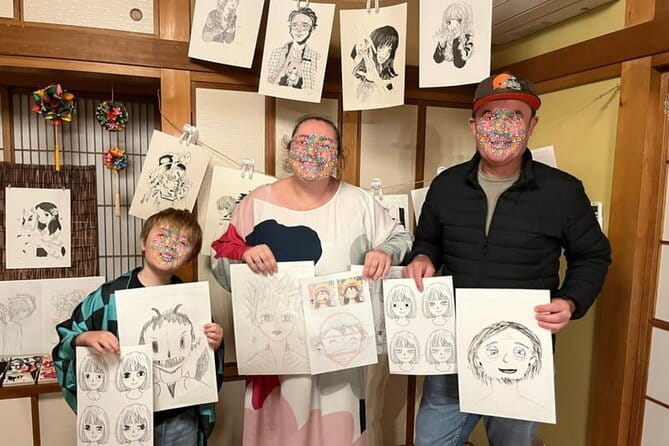
- Take-home souvenir drawing from your session
Where this Yokohama class happens (and why it matters)
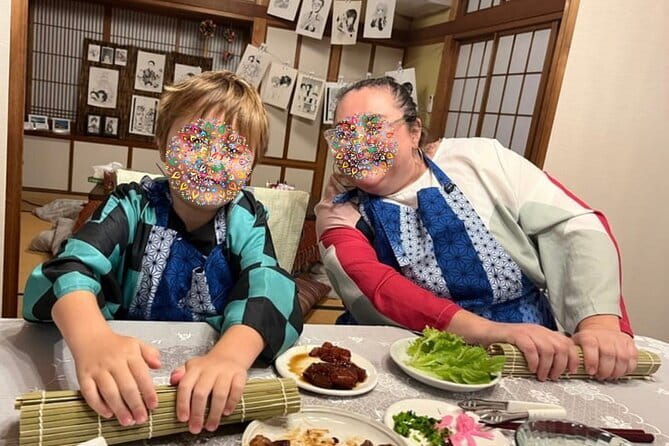
This experience is set in a traditional home in Yokohama, not a studio classroom and not a big, impersonal venue. That sounds like a small detail, but it changes the whole feel. You’re doing manga drawing, cooking, and eating in the same “real life” setting, which makes the afternoon feel more like a host invited you in rather than a tour that drops you off and moves you along.
The timing is also part of the charm. It starts at 3:00 pm and runs about 3 hours, so you’ll still have daylight energy when you arrive, then finish with a relaxing tatami meal. It’s the kind of schedule that works well if you’re already sightseeing earlier in the day and want something creative without needing another evening plan.
One practical point: transportation isn’t included. The meeting point is near Odoriba Station, so I’d treat this as a “find the station, then follow the address details” kind of outing. If you don’t love navigating on your own, that’s the only true drawback I’d flag before booking.
You can also read our reviews of more tours and experiences in Yokohama.

Meet 山田 有果 (Yuka) and learn manga the hands-on way

The art part is guided by 山田 有果 (Yuka), a professional illustrator. The session centers on learning how to draw manga-style characters using tools that actually matter to the craft: G-pens, screentone sheets, and ink. This isn’t about watching art happen from across the room.
You start step-by-step, which is great if you’re a beginner. The guidance is paced so you don’t feel lost, and it’s also friendly for manga fans who want to understand why manga artwork looks the way it does. Even if you only know basic manga panels, the session helps you connect tools to effects—like how screentones change texture and mood in a drawing.
What I like most is that you’re not just learning techniques in theory. You finish with an original piece you made, and that becomes a souvenir you can actually show off. A lot of classes end with you leaving with nothing tangible. Here, you leave with your own drawing from the session.
Also, expect conversation. The host style comes through as bubbly and attentive, with a pace that feels comfortable—especially helpful if you’re traveling solo or bringing a teen who wants to do something both creative and fun.
The kitchen shift: sushi rolls and handmade gyoza in a real home rhythm
After the drawing session, you move to the kitchen. This is where the afternoon turns into “hands go faster” mode. You’ll make two dishes: colorful sushi rolls and handmade gyoza, using fresh ingredients.
The sushi rolls are designed to be approachable but not boring. You’ll work with ingredients to build rolls that look good and taste fresh, and the experience leans into the fun part of Japanese home cooking: assembling flavor in a way that feels almost like a craft project.
Then comes gyoza—where technique matters more than it looks. You’ll learn to fold and pan-fry them. The folding part is where many people get nervous, but the class structure keeps it practical and doable. You’re not expected to already know how to crimp dumplings perfectly on day one.
What you gain here is not just “I made food.” You gain repeatable habits:
- how to build something from components
- how to shape pieces consistently
- how pan-frying changes texture and flavor
That’s why I think this combo works so well. Manga teaches patience and lines. Cooking teaches patience and timing. Together, they make the whole afternoon feel balanced.
Tatami meal time: sweets, drinks, and the best kind of downtime
Once the cooking is done, you relax in a tatami room and eat what you made. This is an underrated part of many cooking classes: people rush to the “finish” line and then disappear. Here, the meal is treated like part of the experience, not an afterthought.
You’ll be served Japanese home-style sweets along with your meal. That matters because it gives the afternoon a more complete flavor arc—savory first, then something lighter to close out the session.
And then there’s the drinks. Dinner drinks and alcohol are included in the price, and you’ll have all-you-can-drink options like shochu, beer, and fruit juices. This is not a tiny add-on. It’s part of the class’s social structure. You can keep the conversation going with the host and your group while you eat, which helps make the experience feel warm rather than transactional.
If you prefer quiet meals, it’s still fine—tatami spaces can be calm—but I’d expect an atmosphere where chatting is encouraged.
What’s included (and what you’ll pay for yourself)
At $78.18 per person for an approximately 3-hour experience, you’re paying for more than just food or just art. You’re getting:
- a guided manga drawing session using professional-style tools
- a cooking class where you make sushi rolls and handmade gyoza
- a tatami-room meal of what you cooked
- Japanese home-style sweets
- all-you-can-drink beverages, including alcohol
- the guide
Not included items are mostly what you’d expect:
- transportation to and from the activity location
- manga-related goods for sale (there are items available, but you’d buy them separately)
- personal shopping expenses
So the real value question isn’t just the number—it’s what you’re getting for that number. For this price, you get both a creative workshop and a substantial meal with drinks. If you were to pay separately for a drawing class plus a full meal with alcohol, the total would likely creep higher. This is a “two activities in one afternoon” deal, and it uses the small-group size to keep quality high.
Small-group size (max 6): why it changes how you learn
The group cap is 6 travelers, which has a noticeable effect on your time. You don’t feel like you’re squeezed into a line while the guide focuses on someone else. In a small class, Yuka can check your progress and adjust pacing so people don’t fall behind.
This is especially helpful for the two “skill-y” parts:
- getting your manga lines and textures set up correctly
- shaping and cooking gyoza so they come out right
In practical terms, it means you can ask questions without feeling rushed. And if you’re traveling with a parent-child group dynamic, this size usually supports a more comfortable back-and-forth.
Who this experience fits best
This class works for several types of travelers:
If you love manga or anime, you’ll appreciate the focus on tools like G-pens and screentones. It’s not just cosplay fun—it’s technique.
If you enjoy cooking, you’ll like that you’re making two dishes that you can actually eat immediately. Sushi rolls and gyoza are both common, but home-style preparation is the difference-maker.
If you’re traveling with a teen or teen-at-heart, this hits the sweet spot: drawing first, then cooking, then relaxing with food and drinks.
If you’re a solo traveler, the small group and guided conversation style help you feel included, not stuck.
One caution: if you want a purely sightseeing day packed with lots of external stops, this is a single-location workshop. You’re choosing depth over movement.
Price, logistics, and what to plan before you go
Here’s what I’d plan before booking, based on how the experience is set up:
- Get yourself to Odoriba Station area on time. Transport isn’t included.
- Bring whatever you’re comfortable with for photo-taking, but remember you’ll be working with ink and cooking hands—so keep expectations realistic.
- Expect a start time of 3:00 pm and about 3 hours total, ending back near the meeting point.
- Use the mobile ticket on the day, and keep your booking confirmation handy.
If you’re someone who hates waiting, the good news is the pacing is set for comfort, not speed. You’ll have enough structure to stay engaged throughout.
Should you book this Yokohama manga and cooking class?
I think you should book if you want an afternoon that feels personal and hands-on. This is the kind of experience where you create something (your own manga drawing), cook something you’ll eat (sushi rolls and gyoza), and then hang out in a tatami room with sweets and drinks. The small-group format and Yuka’s attentive teaching style are a big part of why it works.
You might skip it if getting to the home location is difficult for you, since transportation isn’t included and you’ll need to handle it yourself. Also, if you’re only interested in anime/manga as a museum-style topic, this class is more about making than observing.
If your travel style is practical, curious, and hands-on, this is a strong pick.
FAQ
How long is the experience?
It lasts about 3 hours.
Where does the experience start and end?
It starts at Odoriba Station (1 Chome-1 Nakatahigashi, Izumi Ward, Yokohama, Kanagawa 245-0013, Japan) and ends back at the meeting point.
What is the starting time?
The session starts at 3:00 pm.
What will I cook and eat?
You’ll cook sushi rolls and handmade gyoza, then eat your meal in a tatami room. Japanese home-style sweets are also included.
Are drinks included?
Yes. Dinner drinks and alcohol are included, and beverages are all-you-can-drink, including shochu, beer, and fruit juices.
How big is the group?
The experience has a maximum of 6 travelers.
What is not included in the price?
The price does not include transportation to and from the activity, and manga-related goods are available for sale but not included.