REVIEW · TOKYO
Japanese Knife Skills & Tuna Don/Sushi Workshop in Tokyo
Book on GetYourGuide →Operated by 日本割烹道協会 · Bookable on GetYourGuide
A sharp knife changes everything. In this Tokyo workshop, you learn Japanese knife sharpening and then put that edge to work by cutting sashimi yourself. It’s part technique lesson, part cooking class, and part real-food training you can actually use later.
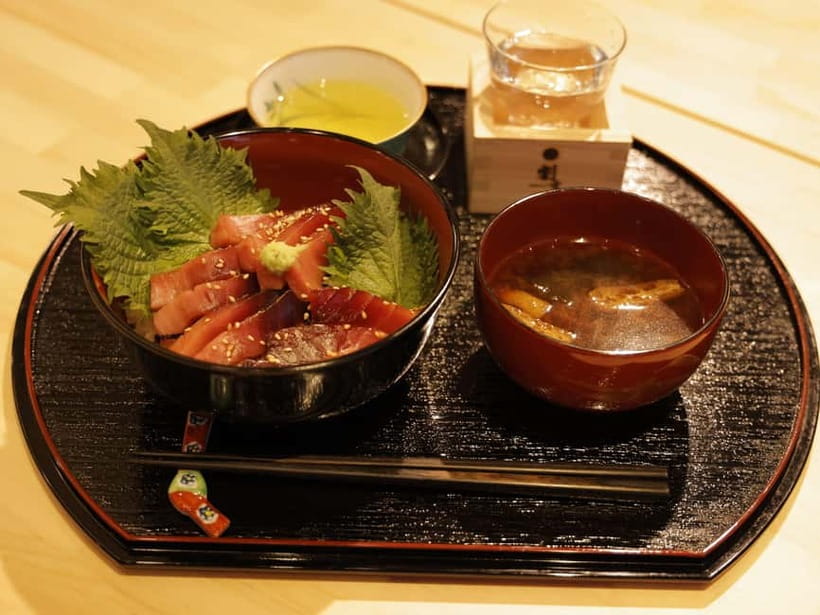
I especially like the hands-on sequence: you watch a skilled sashimi slicing performance first, then practice cutting with your own hands. The other big win for me is what you eat at the end. You make a tuna zuke-don rice bowl (or a sushi set), then sit down for miso soup and sake, with green tea included too.
One thing to consider: fish used can vary based on availability, and this class isn’t suitable for people with food allergies or children under 12.
In This Review
- Key highlights worth planning for
- Knife culture, props, and the 2-hour focus
- Meeting the group and getting oriented fast
- Watching sashimi slicing first, then learning by doing
- Sharpening on a whetstone: the skill behind the blade
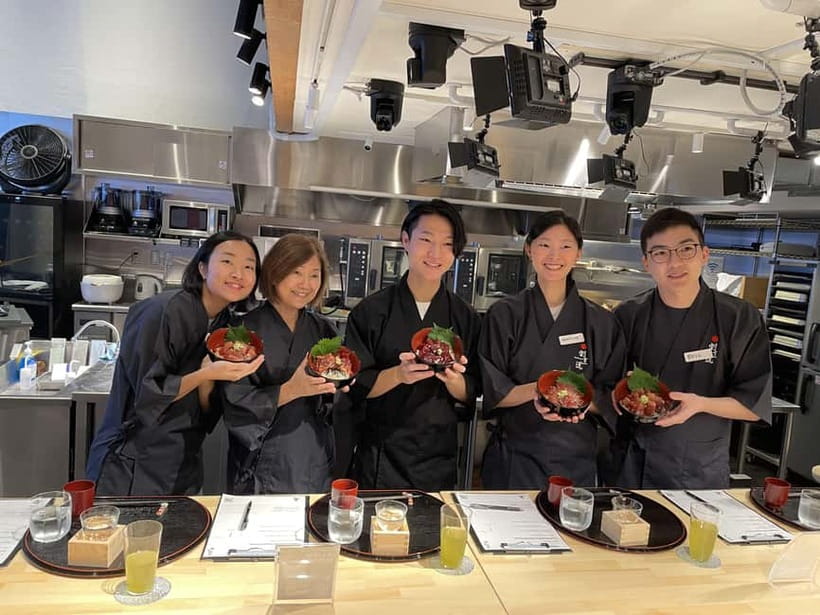
- Cooking your own tuna zuke-don or sushi set
- Zuke-don: tuna marinating plus rice bowl logic
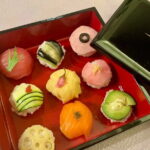
- Sushi set: learning portioning and finishing
- The meal: miso soup, sake tasting, and green tea
- The take-home recipe and why it’s worth more than a photo
- Price: is $127 good value for a Tokyo food workshop?
- Who this workshop fits best (and who should skip it)
- A quick reality check: what to wear and what fish might be like
- Should you book this Japanese Knife Skills & Tuna Don/Sushi Workshop?
- FAQ
- How long is the Japanese Knife Skills & Tuna Don/Sushi Workshop?
- Where do I meet for the workshop?
- What food is included?
- Is this class suitable for kids?
- What languages are used in the class?
- What do I take home?
Key highlights worth planning for
- Whetstone sharpening instruction you can repeat for better cuts at home
- Practice cutting sashimi yourself after watching a pro demonstration
- Cook tuna zuke-don or a 10-piece sushi set alongside miso soup
- Small group (up to 8) means more attention while you’re slicing
- Taste sake with your meal, plus green tea for a calmer finish
- Take-home recipe and participation certificate, plus a same-day shop discount
Knife culture, props, and the 2-hour focus
Tokyo has a way of making everyday skills feel serious. This workshop starts by explaining Japanese knife culture and why these blades are prized for their craftsmanship and sharpness. It’s not just trivia. You learn how the tool matters, and then the class proves it with cutting.
Even before you start cooking, you’ll feel the structure: short explanation, then demonstration, then hands-on practice. The whole experience is designed around a tight 2-hour window, so you’re not waiting around for someone else’s turn.
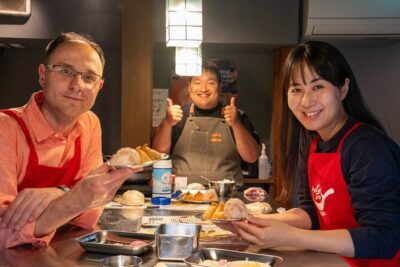
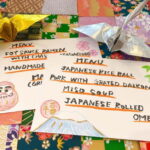
There’s also a fun, visual element with a Kappodo costume rental included. You’re not required to treat it like a movie set, but it does help the whole thing feel like a real traditional workshop rather than a rushed cooking demo.
You can also read our reviews of more tours and experiences in Tokyo.

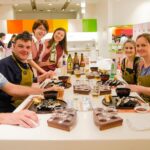
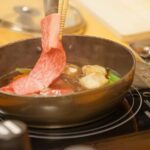
Meeting the group and getting oriented fast
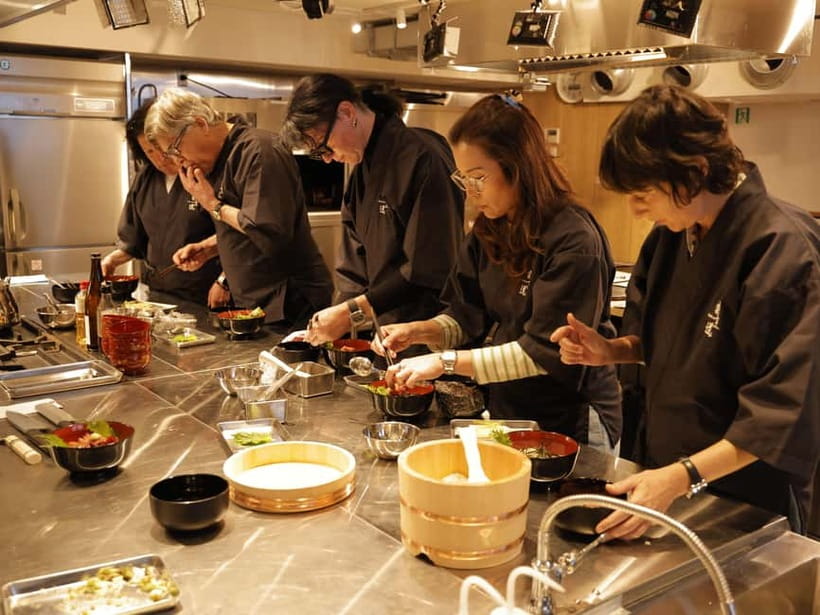
You meet at a building with samurai-style murals painted on it. That’s surprisingly helpful in Tokyo, where “near this street” can be vague. Plan to arrive a few minutes early so you can get settled, especially if you’re changing into comfortable cooking clothes.
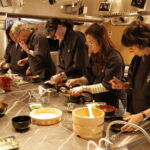
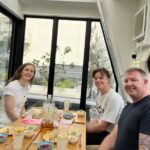
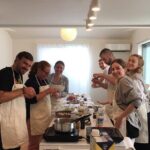
The group is small—limited to 8 participants—and that matters more than you’d think. When you’re learning blade control, you need space to work and time to ask questions. A crowded class turns technique into stress. Here, the pacing stays more human.
The instructor speaks English and Japanese, so you won’t be guessing what to do at key moments like sharpening or sashimi slicing.
Watching sashimi slicing first, then learning by doing
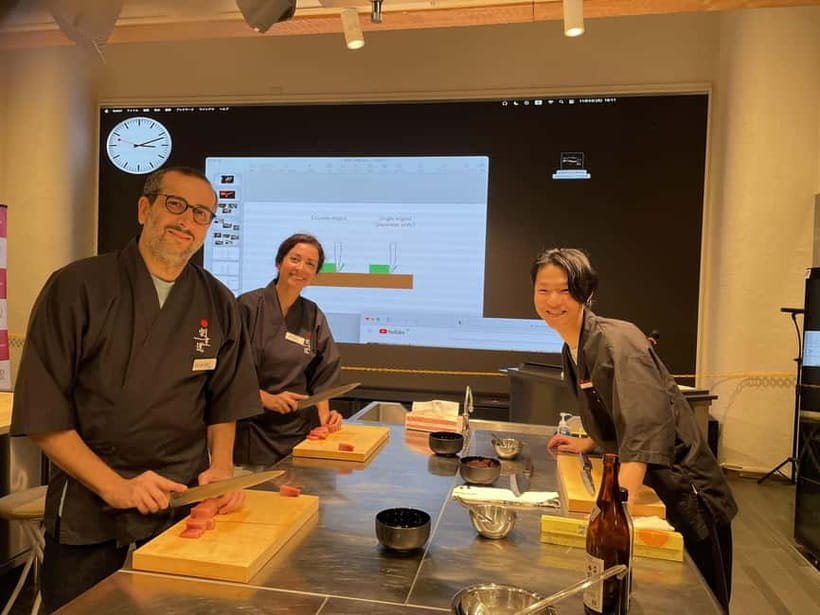
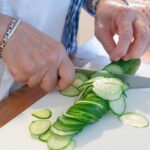
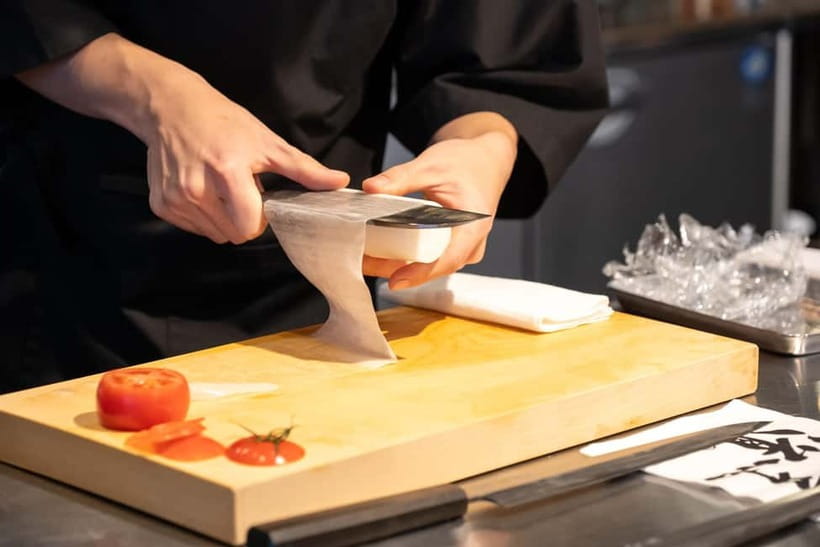
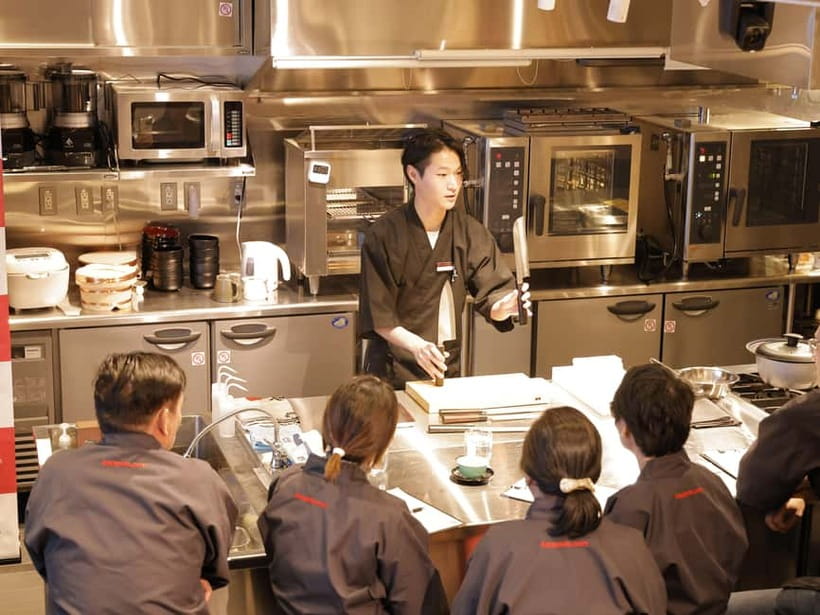
The workshop’s most memorable moment is the sashimi section. You start by watching your instructor perform knife skills for sashimi slicing. It’s the kind of demonstration that teaches you without needing a long lecture: the grip, the angle, and how the blade moves smoothly rather than forcing through.
Then it’s your turn. You take a Japanese knife and practice cutting fresh sashimi. If you’ve only had “cookbook knives,” this is where things click. A sharp blade makes the cut feel controlled. The whole motion changes when the knife doesn’t drag.
You’ll also learn why sharpening isn’t optional. When the edge is right, your cut looks clean. When the edge is dull, you have to compensate with strength, and that’s when beginners get sloppy. This workshop teaches you to think like a cook, not like someone wrestling a tool.
One more practical note: fish used varies depending on availability. The class is built to teach technique regardless, but the specific sashimi situation may shift. That’s normal in real food settings, and it’s part of why learning the skills matters.
Sharpening on a whetstone: the skill behind the blade
A big part of the value here is that you don’t just learn how to cut—you learn how to maintain the cutting edge. You’ll be guided through knife sharpening techniques using a whetstone, step by step.
This is the difference between watching someone else do the skill and owning it yourself. Even if you never become a serious knife nerd, learning the basics of sharpening helps you avoid the most common home problem: trying to cut with a blade that has lost its edge.
You’ll get instruction on how sharpening connects to performance. A good edge supports clean slicing, steadier control, and less pressure. In other words, the sharpening lesson isn’t theoretical. It feeds directly into the sashimi practice and makes the workshop feel cohesive instead of “multiple activities taped together.”
Cooking your own tuna zuke-don or sushi set
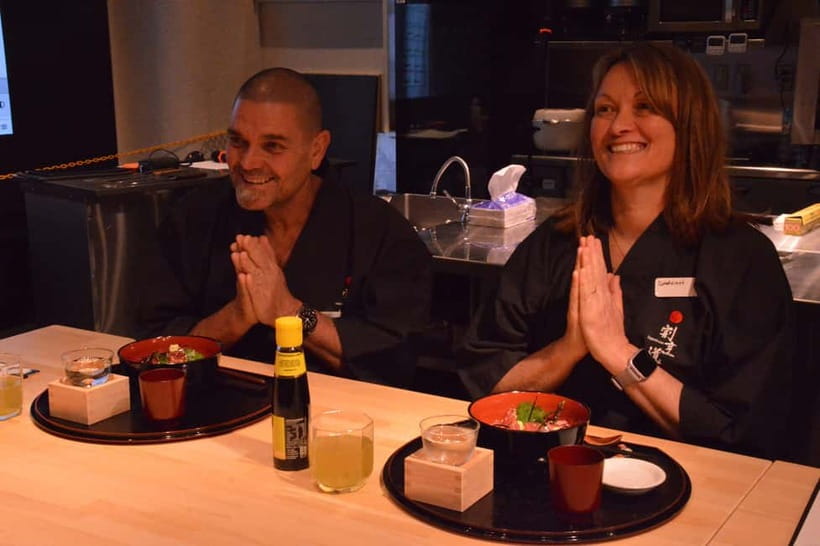
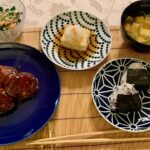
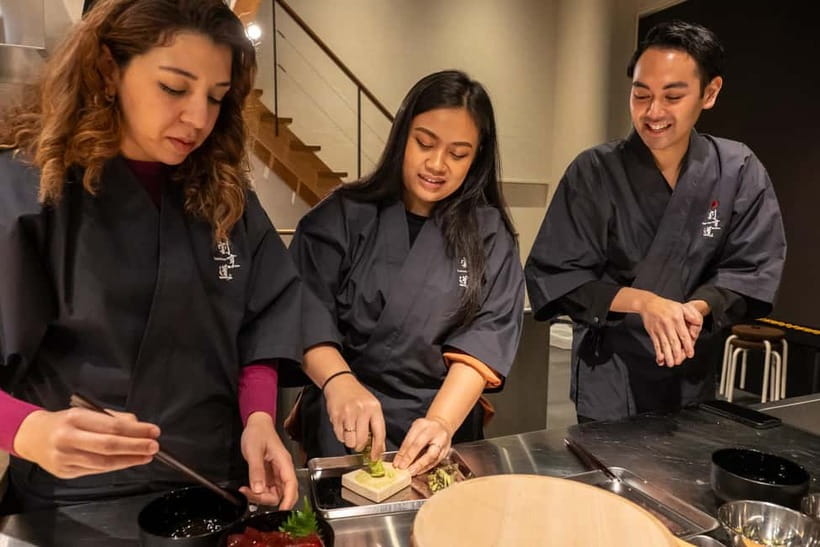
After knife work, you move into the cooking portion. You’ll prepare either a zuke-don rice bowl or a 10-piece sushi set. Both options follow the same idea: you’re not just assembling food, you’re learning how traditional Japanese flavors work with technique.

Zuke-don: tuna marinating plus rice bowl logic
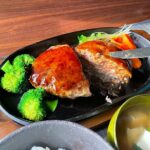
For the zuke-don, you’ll prepare tuna marinated for serving over rice. This is one of those dishes that rewards timing and balance. Marination changes the fish texture and flavor, so it’s not just “tuna on rice.” You learn how the bowl comes together as a complete meal: rice, marinated tuna, and the supporting sides like miso soup.
Sushi set: learning portioning and finishing
If you choose the 10-piece sushi set, you’ll focus on building and portioning. The workshop approach is hands-on, so you’re actively doing the shaping and assembly, not just watching. The goal is to leave with a sense of how sushi pieces fit together as a set.
Either way, you’re working with ingredients and tools provided, so you’re not responsible for tracking down specialty items before you arrive.
The meal: miso soup, sake tasting, and green tea
Once your dish is ready, you sit down and enjoy the results with included sides: miso soup and a sake tasting. Green tea is also included, which is a nice touch because it cools everything down after strong flavors and alcohol.
This part matters because it connects the training to real satisfaction. You’re not only learning how to make a bowl or a set. You’re eating what you made, right there, while the experience is still fresh in your hands.
And yes, you get to taste sake as a finish. It’s a relaxed setting, and it helps the workshop feel like a full cultural meal rather than a technical class that ends abruptly.
The take-home recipe and why it’s worth more than a photo
The class isn’t just about what happens during your two hours. You also take home a recipe so you can recreate the dish later. That’s the part I value most after any cooking class: the ability to repeat the results.
You also receive a participation certificate presentation. It sounds formal, but for a short workshop it does add a sense of accomplishment—and it’s a reminder that you learned a specific set of skills, not just a one-time meal.
Add in the included details like ingredients/tools and you can see the value shape clearly. You get practice, instruction, and the full experience of making and eating the final product, with food and drinks handled for you.
There’s also a 10% discount on items at the 1F shop on the same day of your workshop visit. If you’ve been eyeing certain knives or kitchen tools, this is one of the more practical perks because it matches what you just learned.
Price: is $127 good value for a Tokyo food workshop?
At $127 per person for 2 hours, the price can look steep at first glance—until you break down what’s included.
You’re paying for:
- hands-on instruction in knife sharpening and knife skills
- sashimi cutting practice using provided ingredients/tools
- cooking your own zuke-don or 10-piece sushi set
- a full meal setup with miso soup
- sake and green tea
- small-group coaching (up to 8 people)
- take-home materials like a recipe and a certificate
- plus costume rental via Kappodo
That package is the key. If you priced those pieces separately—class time, ingredients, guided sharpening, and a meal with drinks—the workshop starts to look more like a well-priced skills session than a simple cooking demo.
In short: it’s value-rich if you want technique you can repeat. If you’re only interested in eating sushi and don’t care about sharpening or cutting, you might find cheaper options. But if knife skills are your thing, this one is aimed right at you.
Who this workshop fits best (and who should skip it)
This is a strong match if you:
- want a practical introduction to Japanese knife culture
- enjoy hands-on cooking and don’t mind raw fish preparation
- want to learn sharpening fundamentals using a whetstone
- like small-group classes where you can get feedback while you work
It’s not the best fit if you:
- have food allergies (the class isn’t suitable)
- are traveling with children under 12
- want a long, leisurely activity. This is built for focused training in a short 2-hour window.
A quick reality check: what to wear and what fish might be like
Dress for cooking. You’ll be moving around and working with food, so comfortable clothes are the right call. Avoid anything restrictive, and plan to wear something you’re fine getting a little messy.
Also, remember that fish used will vary depending on availability. That’s not a flaw; it’s normal for fresh food. What matters is that you still learn cutting technique and how zuke-don or sushi is built.
Should you book this Japanese Knife Skills & Tuna Don/Sushi Workshop?
Book it if you want more than a meal. This class teaches a rare combo: sashimi knife skills plus whetstone sharpening, followed by cooking and eating what you made. The small group size keeps the learning practical, and the take-home recipe makes the experience last past the day you attend.
Skip it only if you can’t eat the class foods due to allergies, you’re bringing a child under 12, or you’re only looking for a casual sushi tasting. In those cases, you’ll likely feel the class is too technique-focused for what you want.
If you’re curious about why Japanese knives matter and you want a real skill you can use at home, this workshop is a solid choice.
FAQ
How long is the Japanese Knife Skills & Tuna Don/Sushi Workshop?
It lasts 2 hours.
Where do I meet for the workshop?
You meet at a building with samurai-style murals painted on it.
What food is included?
You’ll eat what you make: either tuna zuke-don (with sashimi-style tuna over rice) or a 10-piece sushi set, plus miso soup. Green tea and sake are also included.
Is this class suitable for kids?
No. It’s not suitable for children under 12.
What languages are used in the class?
The instructor speaks English and Japanese.
What do I take home?
You receive a recipe to recreate the dish at home and a participation certificate.